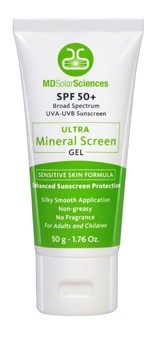
Mdsolarsciences Spf50 Plus Ultra Mineral Screen
Product Images NDC 17452-380

View Photos of Packaging, Regulatory Labels, and Product Appearance

Product Visual Gallery

This gallery contains 3 technical images submitted to the FDA as part of the official labeling for Mdsolarsciences Spf50 Plus Ultra Mineral Screen (NDC 17452-380). Unlike standard consumer photos, these assets often include clinical data figures, molecular chemical structures, and official manufacturer packaging layouts.

As provided by Ecometics, Inc, these visuals offer a comprehensive scientific overview of the product's physical and chemical identity, aiding pharmacists and researchers in product verification and study.

FDA Label Image

Image Of Spf50 Plus Gel Carton (Spf50 Gel Carton)
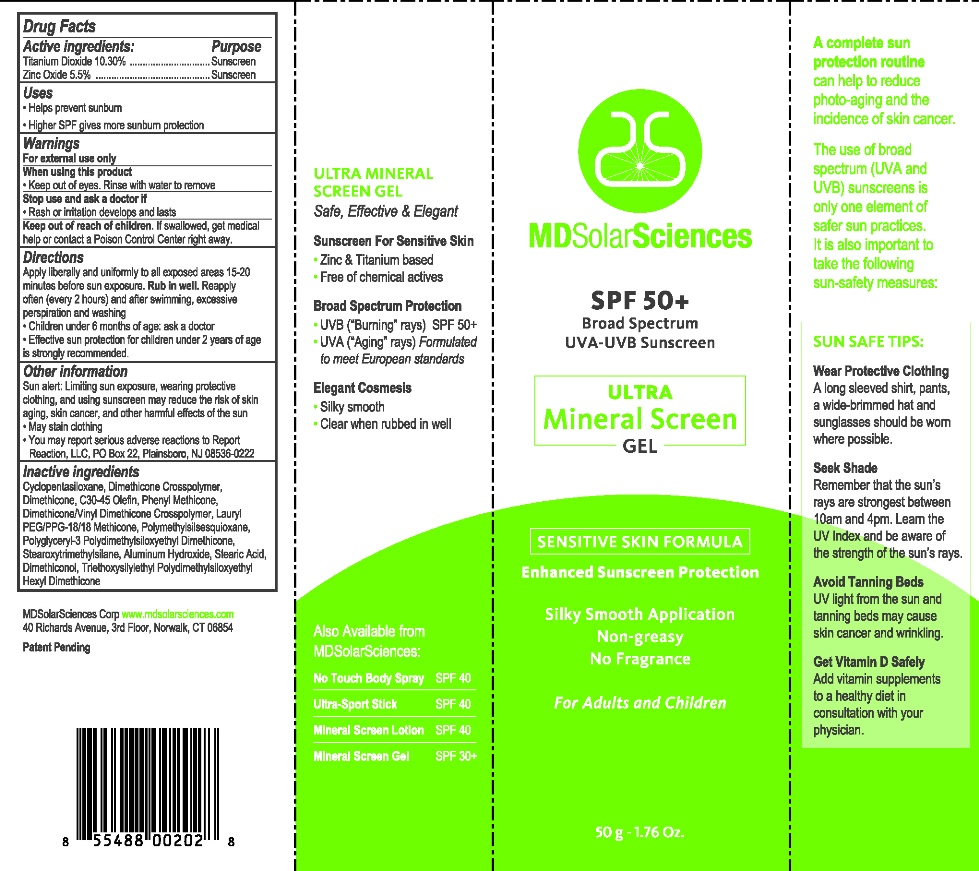
Image Of Spf50 Plus Gel Carton (Spf50 Gel Carton)
This text provides drug facts for a sunscreen gel that provides broad-spectrum protection against UVA and UVB rays. It contains a variety of inactive ingredients, and the active ingredients include Teaiam Do and 06O 555. The directions recommend applying it to exposed areas 15-20 minutes before sun exposure and using it every two hours after swimming or perspiring. The text also advises wearing protective clothing and seeking shade during the strongest sun hours of 10 am to 4 pm, as well as avoiding tanning beds and discussing vitamin D supplements with a physician. Finally, it includes a warning to get medical attention if the sunscreen is swallowed and to keep it out of reach of children.*
FDA Label Image

Image Of Spf50 Plus Gel Container (Spf50 Gel Container)

FDA Label Image

Image Of Spf50 Plus Gel Pdp (Spf50 Gel Pdp)

Image Of Spf50 Plus Gel Pdp (Spf50 Gel Pdp)
MDSolarSciences SPF 50+ Ultra Mineral Screen Gel is a broad-spectrum UVA-UVB sunscreen that provides enhanced protection for sensitive skin. It has a silky smooth application, is non-greasy and fragrance-free, making it suitable for adults and children. The package contains 50g-1.76 Oz of the product.*

* These product label images have been analyzed using experimental machine learning. Please verify findings with the primary label text.