Proparacaine Hydrochloride
Product Images NDC 17478-263
View Photos of Packaging, Regulatory Labels, and Product Appearance
Product Visual Gallery
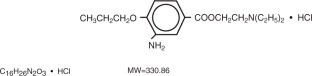
This gallery contains 3 technical images submitted to the FDA as part of the official labeling for Proparacaine Hydrochloride (NDC 17478-263). Unlike standard consumer photos, these assets often include clinical data figures, molecular chemical structures, and official manufacturer packaging layouts.
As provided by Akorn, these visuals offer a comprehensive scientific overview of the product's physical and chemical identity, aiding pharmacists and researchers in product verification and study.
Product Images & Figures Index
Pro0c 0006 02
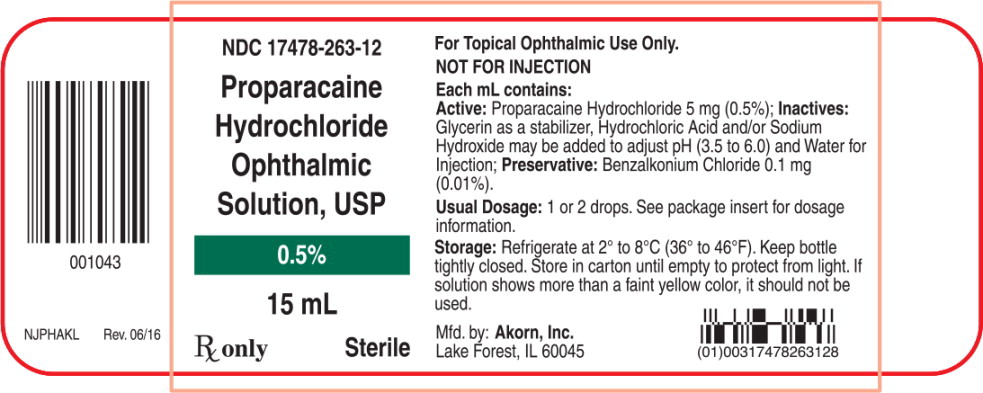
This is a medication with the NDC number 17478-263-12 for topical ophthalmic use only. It contains Proparacaine Hydrochloride 5mg (0.5%) as an active ingredient, and Hydrochloride Glycerin, Hydrochloric Acid or Sodium Hydroxide to adjust the pH, and water for injection as inactives with a preservative; Benzalkonium Chloride 0.1mg (0.01%). The usual dosage is 1 or 2 drops, and it should be refrigerated at 2° to 8°C (36° to 46°F) and kept in-carton until it is empty. If the solution turns to more than a faint yellow color, it should not be used. This medication is produced by Akorn, Inc. and the package insert should be consulted for dosage information.*
Pro0c 0006 03
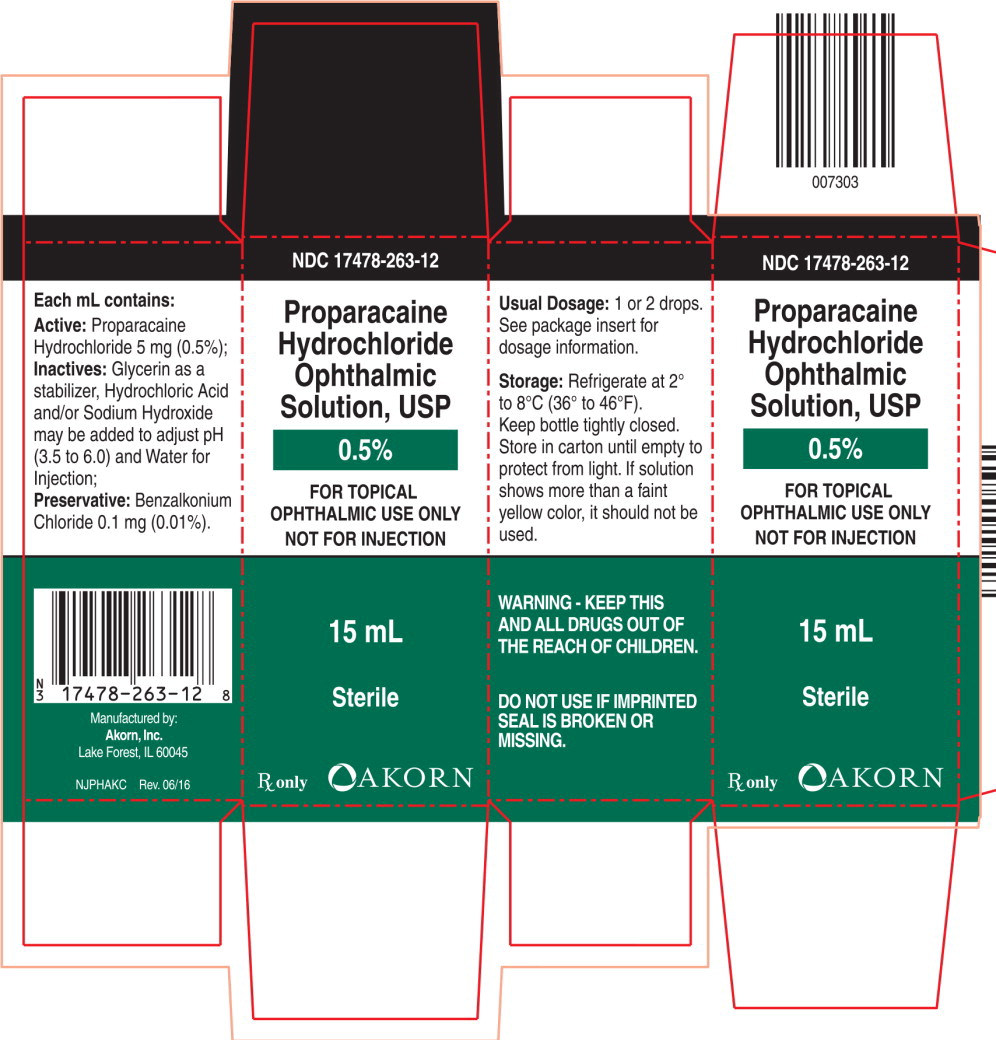
This is a product description of a medication with NDC number 17478-263-12. The medication contains Proparacaine hydrochloride (5 mg, 0.5%) as an active ingredient and glycerin as an inactive ingredient, and is formulated for topical ophthalmic use only. Each milliliter of the solution contains 0.1 mg (0.01%) of chloride. The medication is preserved with benzalkonium and comes in a 5mL bottle. The typical dosage is 1 or 2 drops, and it should be refrigerated at 2°C to 8°C (36°F to 46°F). The manufacturer is Akorn, Inc. and the label warns to keep the medication out of reach of children, and not to use it if the seal is broken.*
* These product label images have been analyzed using experimental machine learning. Please verify findings with the primary label text.