Warning: Life Threatenting Respiratory Depression; Accidental Exposure, Cytochrome P450 3A4 Interaction; Risks From Concomitant Use With Benzodiazepines Or Other Cns Depressants; Risk Of Medication Errors; Addiction, Abuse, And Misuse; Rems; And Neonatal Opioid Withdrawal Syndrome
Life-Threatening Respiratory Depression
Serious, life-threatening, and/or fatal respiratory depression has occurred in patients treated with SUBSYS, including following use in opioid non-tolerant patients and improper dosing. Monitor for respiratory depression, especially during initiation of SUBSYS or following a dose increase. The substitution of SUBSYS for any other fentanyl product may result in fatal overdose
[see Warnings and Precautions (
5.1)]
Due to the risk of respiratory depression, SUBSYS is contraindicated in the management of acute or postoperative pain including headache/migraine and in opioid non-tolerant patients. [see Contraindications ( 4)]
Accidental INGESTION
Accidental ingestion of even one dose of SUBSYS especially by children, can result in a fatal overdose of fentanyl
[see Warnings and Precautions (
5.2 )]
.
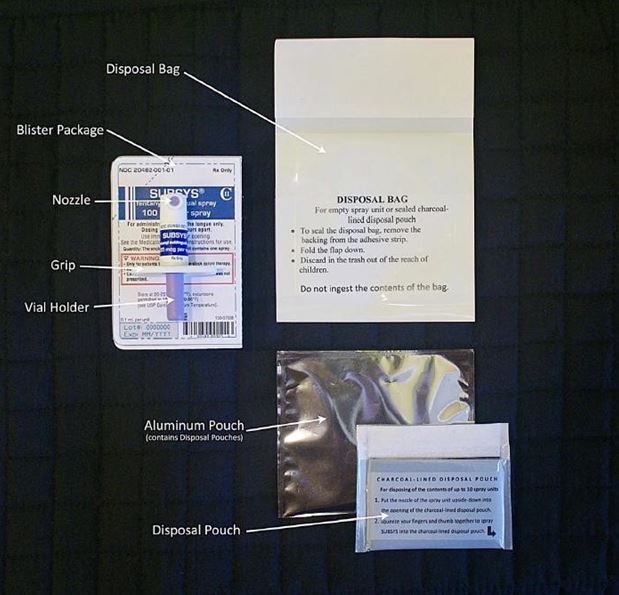
Death has been reported in children who have accidentally ingested transmucosal immediate-release fentanyl products. SUBSYS must be kept out of reach of children [see Warnings and Precautions ( 5.2); How Supplied/Storage and Handling ( 16)].
Cytochrome P450 3A4 Interaction
The concomitant use of SUBSYS with all cytochrome P450 3A4 inhibitors may result in an increase in fentanyl plasma concentrations, which could increase or prolong adverse reactions and may cause potentially fatal respiratory depression. In addition, discontinuation of a concomitantly used cytochrome P450 3A4 inducer may result in an increase in fentanyl plasma concentration. Monitor patients receiving SUBSYS and any CYP3A4 inhibitor or inducer
[see Warnings and Precautions (
5.3), Drug Interactions (
7), Clinical Pharmacology (
12.3)]
.
Risks From Concomitant Use With Benzodiazepines Or Other CNS Depressants
Concomitant use of opioids with benzodiazepines or other central nervous system (CNS) depressants, including alcohol, may result in profound sedation, respiratory depression, coma, and death
[see Warnings and Precautions (
5.4), Drug Interactions (
7)].
- Reserve concomitant prescribing of SUBSYS and benzodiazepines or other CNS depressants for use in patients for whom alternative treatment options are inadequate.
- Limit dosages and durations to the minimum required.
- Follow patients for signs and symptoms of respiratory depression and sedation.
- When prescribing, do not convert patients on a mcg per mcg basis from any other fentanyl products to SUBSYS.
- When dispensing, do not substitute a SUBSYS prescription for other fentanyl products.
Risk of Medication Errors
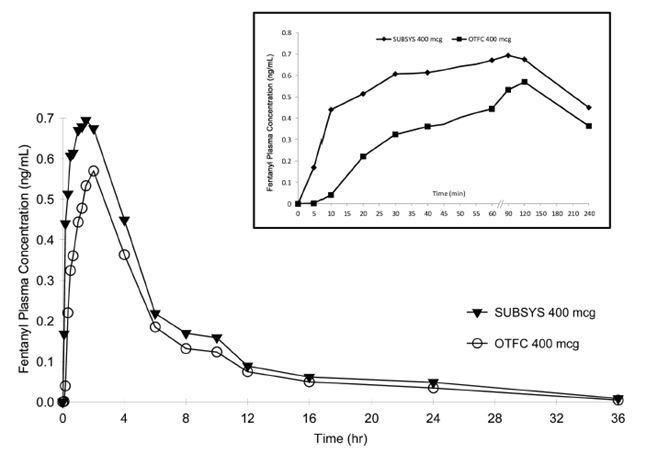
Substantial differences exist in the pharmacokinetic profile of SUBSYS compared to other fentanyl products that result in clinically important differences in the extent of absorption of fentanyl that could result in fatal overdose
[see Dosage and Administration (
2.1), Warnings and Precautions (
5.5)]
.
Addiction, Abuse, and Misuse
SUBSYS exposes patients and other users to the risks of opioid addiction, abuse, and misuse, which can lead to overdose and death. Assess each patient’s risk prior to prescribing SUBSYS, and monitor all patients regularly for the development of these behaviors and conditions
[see Warnings and Precautions (
5.6)]
.
Risk Evaluation and Mitigation Strategy (REMS) Access Program
Because of the risk for misuse, abuse, addiction, and overdose, SUBSYS is available only through a restricted program required by the Food and Drug Administration, called a Risk Evaluation and Mitigation Strategy (REMS). Under the Transmucosal Immediate Release Fentanyl (TIRF) REMS, pharmacies, outpatients, and healthcare professionals who prescribe to outpatients must enroll in the program.
[see Warnings and Precautions (
5.7)].
Further information is available at
www.TIRFREMSaccess.com or by calling 1-866-822-1483.
Neonatal Opioid Withdrawal Syndrome
Prolonged use of SUBSYS during pregnancy can result in neonatal opioid withdrawal syndrome, which may be life-threatening if not recognized and treated, and requires management according to protocols developed by neonatology experts. If opioid use is required for a prolonged period in a pregnant woman, advise the patient of the risk of neonatal opioid withdrawal syndrome and ensure that appropriate treatment will be available [
see Warnings and Precautions (
5.8)
].