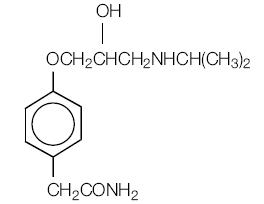
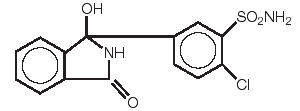
Atenolol is a beta1-selective (cardioselective) beta-adrenergic receptor blocking agent without membrane stabilizing or intrinsic sympathomimetic (partial agonist) activities. This preferential effect is not absolute, however, and at higher doses, atenolol inhibits beta2-adrenoreceptors, chiefly located in the bronchial and vascular musculature.
The frequency estimates in the following table were derived from controlled studies in which adverse reactions were either volunteered by the patient (US studies) or elicited, e.g., by checklist (foreign studies). The reported frequency of elicited adverse effects was higher for both atenolol and placebo-treated patients than when these reactions were volunteered. Where frequency of adverse effects for atenolol and placebo is similar, causal relationship to atenolol is uncertain.
| | Volunteered | Total–Volunteered and Elicited |
| | (US Studies) | (Foreign + US Studies) |
| | Atenolol | Placebo | Atenolol | Placebo |
| | (n=164) | (n=206) | (n=399) | (n=407) |
| | % | % | % | % |
| CARDIOVASCULAR | | | | |
| Bradycardia | 3 | 0 | 3 | 0 |
| Cold Extremities | 0 | 0.5 | 12 | 5 |
| Postural Hypotension | 2 | 1 | 4 | 5 |
| Leg Pain | 0 | 0.5 | 3 | 1 |
| CENTRAL NERVOUS SYSTEM/ | | | | |
| NEUROMUSCULAR | | | | |
| Dizziness | 4 | 1 | 13 | 6 |
| Vertigo | 2 | 0.5 | 2 | 0.2 |
| Light-Headedness | 1 | 0 | 3 | 0.7 |
| Tiredness | 0.6 | 0.5 | 26 | 13 |
| Fatigue | 3 | 1 | 6 | 5 |
| Lethargy | 1 | 0 | 3 | 0.7 |
| Drowsiness | 0.6 | 0 | 2 | 0.5 |
| Depression | 0.6 | 0.5 | 12 | 9 |
| Dreaming | 0 | 0 | 3 | 1 |
| GASTROINTESTINAL | | | | |
| Diarrhea | 2 | 0 | 3 | 2 |
| Nausea | 4 | 1 | 3 | 1 |
| RESPIRATORY (see WARNINGS) | | | | |
| Wheeziness | 0 | 0 | 3 | 3 |
| Dyspnea | 0.6 | 1 | 6 | 4 |
During postmarketing experience, the following have been reported in temporal relationship to the use of the drug: elevated liver enzymes and/or bilirubin, hallucinations, headache, impotence, Peyronie’s disease, postural hypotension which may be associated with syncope, psoriasiform rash or exacerbation of psoriasis, psychoses, purpura, reversible alopecia, thrombocytopenia, visual disturbance, sick sinus syndrome and dry mouth. Atenolol, like other beta blockers, has been associated with the development of antinuclear antibodies (ANA), lupus syndrome and Raynaud’s phenomenon.
Overdosage with atenolol has been reported with patients surviving acute doses as high as 5 g. One death was reported in a man who may have taken as much as 10 g acutely. The predominant symptoms reported following atenolol overdose are lethargy, disorder of respiratory drive, wheezing, sinus pause, and bradycardia. Additionally, common effects associated with overdosage of any beta-adrenergic blocking agent are congestive heart failure, hypotension, bronchospasm, and/or hypoglycemia. Other treatment modalities should be employed at the physician’s discretion and may include:
Bradycardia: Atropine 1-2 mg intravenously. If there is no response to vagal blockade, give isoproterenol cautiously. In refractory cases, a transvenous cardiac pacemaker may be indicated. Glucagon in a 10 mg intravenous bolus has been reported to be useful. If required, this may be repeated or followed by an intravenous infusion of glucagon 1-10 mg/h depending on response.
Heart Block (Second or Third Degree): Isoproterenol or transvenous pacemaker.
Congestive Heart Failure: Digitalize the patient and administer a diuretic. Glucagon has been reported to be useful.
Hypotension: Vasopressors such as dopamine or norepinephrine (levarterenol). Monitor blood pressure continuously.
Bronchospasm: A beta2-stimulant such as isoproterenol or terbutaline and/or aminophylline.
Hypoglycemia: Intravenous glucose.
Electrolyte Disturbance: Monitor electrolyte levels and renal function. Institute measures to maintain hydration and electrolytes.
Based on the severity of symptoms, management may require intensive support care and facilities for applying cardiac and respiratory support.