Fentanyl Transdermal System
Product Images NDC 21695-975

19 FDA label images from Rebel Distributors Corp · Packaging, Regulatory Labels, and Product Appearance

Product Visual Gallery

This gallery contains 19 technical images submitted to the FDA as part of the official labeling for Fentanyl Transdermal System (NDC 21695-975). Unlike standard consumer photos, these assets often include clinical data figures, molecular chemical structures, and official manufacturer packaging layouts.

As provided by Rebel Distributors Corp, these visuals offer a comprehensive scientific overview of the product's physical and chemical identity, aiding pharmacists and researchers in product verification and study.

FDA Label Image

Chemical Structure (67cb9ea4 5adb 4a3a 9568 266b6f472078 01)

Chemical Structure (67cb9ea4 5adb 4a3a 9568 266b6f472078 01)
Chemical structure diagram of the active ingredient in FENTANYL TRANSDERMAL SYSTEM by Rebel Distributors Corp, showing the molecular formula with labeled carbon, hydrogen, nitrogen, and oxygen atoms in a detailed structural format.*
FDA Label Image

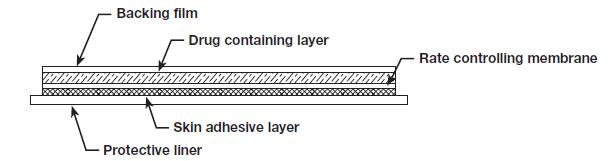
Patch Illustration (67cb9ea4 5adb 4a3a 9568 266b6f472078 02)

Patch Illustration (67cb9ea4 5adb 4a3a 9568 266b6f472078 02)
A cross-sectional illustration diagram of the Fentanyl Transdermal System showing its structural layers. The diagram labels the backing film, drug-containing layer, rate controlling membrane, skin adhesive layer, and protective liner from top to bottom, depicting the patch's composition for drug delivery through the skin.*
FDA Label Image

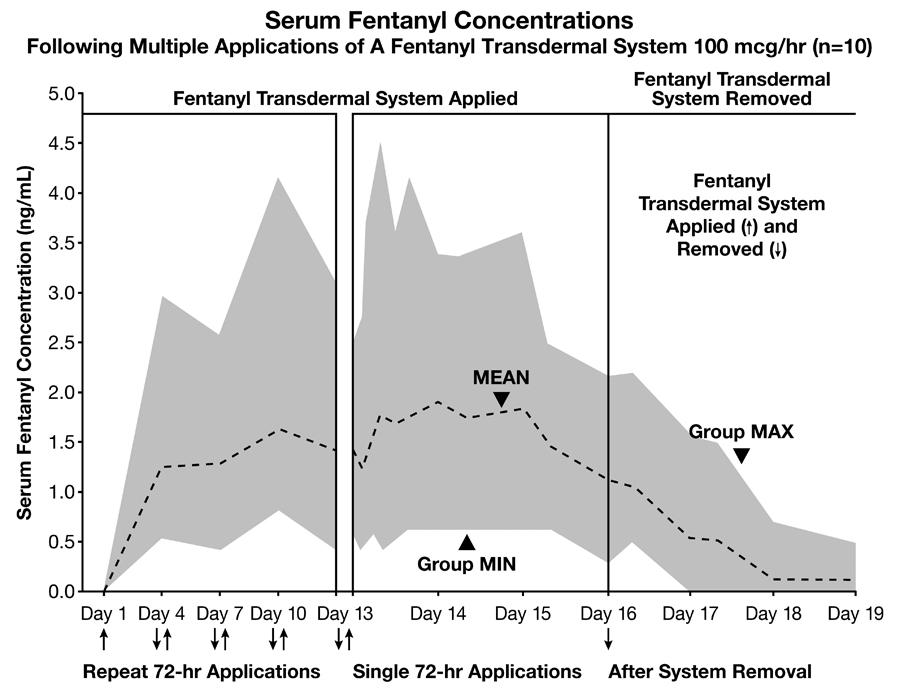
Serum Fentanyl Concentrations (67cb9ea4 5adb 4a3a 9568 266b6f472078 03)

Serum Fentanyl Concentrations (67cb9ea4 5adb 4a3a 9568 266b6f472078 03)
A line and shaded area chart showing serum fentanyl concentrations (ng/mL) over time in days during and after use of a Fentanyl Transdermal System 100 mcg/hr (n=10). The graph is divided into three sections: repeat 72-hour applications (Days 1-13), single 72-hour applications (Days 14-16), and after system removal (Days 17-19). It depicts mean, group minimum, and group maximum serum fentanyl levels, with concentrations peaking during application and declining after removal.*
FDA Label Image

Patch Illustration (67cb9ea4 5adb 4a3a 9568 266b6f472078 04)

Patch Illustration (67cb9ea4 5adb 4a3a 9568 266b6f472078 04)
A labeled cross-sectional diagram of the Fentanyl Transdermal System showing its layered design. Layers include a backing film on top, followed by the drug containing layer, then a rate controlling membrane, a skin adhesive layer beneath, and a protective liner at the bottom. The diagram visually details the patch's construction components.*
FDA Label Image

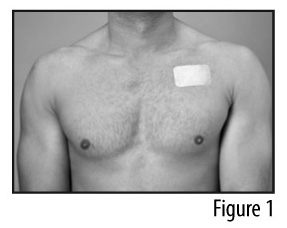
Figure 1 (Patch applied to chest)

Figure 1 (Patch applied to chest)
Black and white photograph showing the proper placement of a Fentanyl Transdermal System patch on the upper chest of a male subject. The patch is affixed to the upper left side near the shoulder.*
FDA Label Image

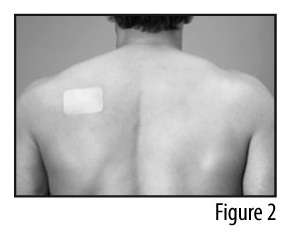
Figure 2 (Patch applied to back)

Figure 2 (Patch applied to back)
A black-and-white photograph showing the back of a person with a rectangular transdermal patch applied to the upper left shoulder area. The image illustrates placement of the FENTANYL TRANSDERMAL SYSTEM patch on the skin.*
FDA Label Image

Figure 3 (Patch applied to side)

Figure 3 (Patch applied to side)
Illustration of a man with a Fentanyl Transdermal System patch applied to the left lower abdominal area. The image shows placement of the transdermal system on the skin, likely demonstrating an application site for the medication.*
FDA Label Image

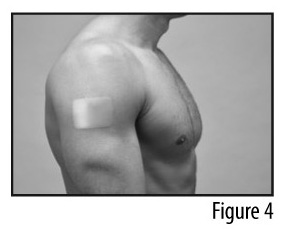
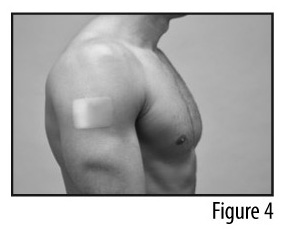
Figure 4 (Patch applied to shoulder)

Figure 4 (Patch applied to shoulder)
Figure 4 shows a man with a Fentanyl Transdermal System patch applied to his upper arm. The image demonstrates the placement of the transdermal system on the skin.*
FDA Label Image

Figure 1 (Patch applied to chest)

Figure 1 (Patch applied to chest)
Black and white photo showing the application of a FENTANYL TRANSDERMAL SYSTEM patch on the upper chest of a male subject. The patch is square and affixed just below the clavicle on the left side. The image is labeled as Figure 1, illustrating proper patch placement.*
FDA Label Image

Figure 2 (Patch applied to back)

Figure 2 (Patch applied to back)
A black-and-white illustration showing the back of a person with a rectangular transdermal patch applied to the upper left shoulder blade area. The image is labeled as Figure 2.*
FDA Label Image

Figure 3 (Patch applied to side)

Figure 3 (Patch applied to side)
Illustration showing a male torso with a fentanyl transdermal patch applied to the lower abdomen. The image visually demonstrates correct placement of the FENTANYL TRANSDERMAL SYSTEM patch on the skin.*
FDA Label Image

Figure 4 (Patch applied to shoulder)

Figure 4 (Patch applied to shoulder)
Illustration showing a transdermal patch applied to the upper arm of a person's bare skin. The figure demonstrates the placement location of the FENTANYL TRANSDERMAL SYSTEM patch on the upper arm.*
FDA Label Image

Figure 5 (Trimming chest hair)

Figure 5 (Trimming chest hair)
Black and white instructional illustration showing a person holding scissors against their chest, presumably demonstrating how to cut or remove a transdermal patch. The image is labeled as Figure 5.*
FDA Label Image

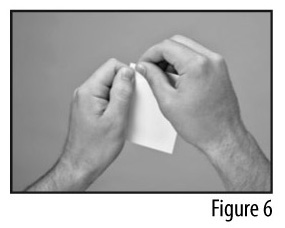
Figure 6 (Tearing open a pouch)

Figure 6 (Tearing open a pouch)
An instructional illustration labeled as Figure 6 showing two hands peeling apart a protective covering from a small rectangular adhesive patch, likely demonstrating how to handle or prepare the Fentanyl Transdermal System patch for use.*
FDA Label Image

Figure 7 (Peeling the liner)

Figure 7 (Peeling the liner)
An instructional illustration showing two hands peeling apart the backing from a transdermal patch, demonstrating the preparation step for applying the Fentanyl Transdermal System patch to the skin. The image is labeled as Figure 7.*
FDA Label Image

Figure 8 (Applying patch to chest)

Figure 8 (Applying patch to chest)
Figure 8 is a black-and-white instructional illustration showing a shirtless person with one hand placed flat against the upper chest. This image likely demonstrates how to apply or position the Fentanyl Transdermal System patch on the body.*
FDA Label Image

Figure 9 (Folding patch)

Figure 9 (Folding patch)
An instructional image labeled Figure 9 depicting a pair of hands holding and peeling apart a translucent plastic pouch, likely representing the opening of the packaging for a Fentanyl Transdermal System patch.*
FDA Label Image

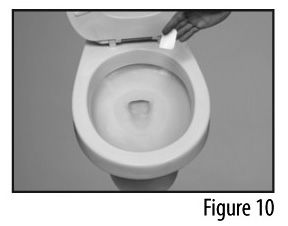
Figure 10 (Flushing patch down a toilet)

Figure 10 (Flushing patch down a toilet)
An instructional illustration showing a person disposing of a used Fentanyl Transdermal System patch by flushing it down a toilet bowl, demonstrating proper disposal method.*
FDA Label Image

Fentanyl Transdermal System 25mcg/hr (67cb9ea4 5adb 4a3a 9568 266b6f472078 19)

Fentanyl Transdermal System 25mcg/hr (67cb9ea4 5adb 4a3a 9568 266b6f472078 19)
Label for Fentanyl Transdermal System 25 mcg/hr by Physician Partner, with NDC 21695-975-05. The label indicates in vivo delivery of 25 mcg/hr fentanyl for 72 hours, each system containing 2.75 mg fentanyl. It includes the product ID RF097505, controlled substance classification CII, and storage instructions to keep at 15°-30°C (59°-86°F) and out of reach of children. Manufactured by LTS Lohmann Therapy Systems Corporation.*

* About these descriptions: Image descriptions on this page are generated by automated AI analysis of the product label images from the manufacturer's FDA label submission (SPL). They are provided for reference only and may contain errors or omissions. Always rely on the printed label itself and the official FDA labeling, and consult a pharmacist or healthcare professional with any questions about this product.