Xipere Injection, Suspension
Product Images NDC 24208-040

21 FDA label images from Bausch & Lomb Incorporated · Packaging, Regulatory Labels, and Product Appearance

Product Visual Gallery

This gallery contains 21 technical images submitted to the FDA as part of the official labeling for Xipere (NDC 24208-040). Unlike standard consumer photos, these assets often include clinical data figures, molecular chemical structures, and official manufacturer packaging layouts.

As provided by Bausch & Lomb Incorporated, these visuals offer a comprehensive scientific overview of the product's physical and chemical identity, aiding pharmacists and researchers in product verification and study.

FDA Label Image

Image 1 (Image 01)

Image 1 (Image 01)
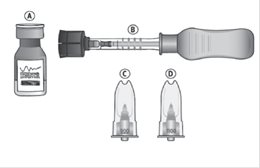
An instructional diagram showing components and assembly for Xipere injection, suspension (40 mg/mL). It depicts a vial labeled (A), a syringe with plunger labeled (B), and two needle caps labeled (C) and (D). This image likely illustrates preparation or administration steps for the ophthalmic suspension by Bausch & Lomb Incorporated.*
FDA Label Image

Image 2 (Image 02)

Image 2 (Image 02)
An illustration showing the preparation of Xipere (triamcinolone acetonide) ophthalmic injection, suspension. The image depicts a vial being inserted into an injector device, with an arrow indicating the motion of assembly or activation. This instructional diagram relates to proper handling or administration of the ophthalmic injection.*
FDA Label Image

Image 3 (Image 03)

Image 3 (Image 03)
An instructional diagram showing the use of a medical device designed for ocular injection, likely related to ophthalmic administration. The illustration depicts the device components and handling suitable for injecting a suspension into the eye.*
FDA Label Image

Image 4 (Image 04)

Image 4 (Image 04)
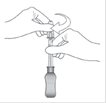
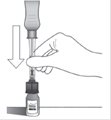
An instructional illustration showing a hand holding and preparing to insert a syringe with a cap into a vial or bottle. The image likely demonstrates proper technique for handling the product or preparing an ophthalmic injection suspension such as Xipere.*
FDA Label Image

Image 5 (Image 05)

Image 5 (Image 05)
An instructional illustration showing the preparation and administration steps for an ophthalmic injection suspension. It depicts handling of the injection vial, removal of a seal or cap, and use of a syringe with a needle for the injection process.*
FDA Label Image

Image 6 (Image 06)

Image 6 (Image 06)
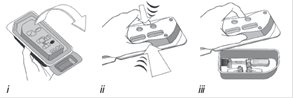
Instructional diagram showing three steps for device operation: (i) removing a protective cover from the device, (ii) pressing a control button and preparing the device with a visible component, and (iii) closing the device to complete the setup, depicted with hand movements and directional arrows.*
FDA Label Image

Image 7 (Image 07)

Image 7 (Image 07)
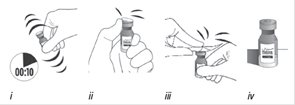
Illustrated instructions depicting the preparation steps for Xipere (triamcinolone acetonide) injection, suspension, 40 mg/mL. The images show shaking the vial for 10 seconds, removing the cap, attaching a needle, and preparing the suspension for ophthalmic administration.*
FDA Label Image

Image 8 (Image 08)

Image 8 (Image 08)
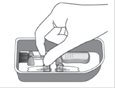
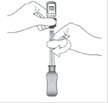
An instructional line drawing depicting a hand placing a vial or syringe into a container. The image illustrates the handling or preparation of a pharmaceutical injection, possibly related to the ophthalmic suspension Xipere (triamcinolone acetonide).*
FDA Label Image

Image 9 (Image 09)

Image 9 (Image 09)
An instructional illustration showing a hand with finger pressing down on the cap of a small bottle, indicating the action to remove or open the cap. A downward arrow points toward the cap, emphasizing the pressing motion. The image appears related to the preparation or administration of an ophthalmic injection suspension.*
FDA Label Image

Image 10 (Image 10)

Image 10 (Image 10)
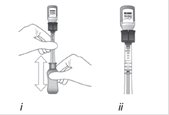
Illustration showing two steps to prepare the Xipere injection. Step (i) depicts hands holding the vial and syringe, with an arrow indicating the syringe being inserted into the vial. Step (ii) shows the syringe filled with suspension, ready for ophthalmic administration.*
FDA Label Image

Image 11 (Image 11)

Image 11 (Image 11)
An instructional illustration showing the preparation for ophthalmic injection of Xipere (triamcinolone acetonide) 40 mg/mL suspension. The image demonstrates two hands handling a vial and syringe, with one hand holding the vial upside down and the other hand holding the syringe-based applicator above the vial, indicating the process of drawing up the medication for injection.*
FDA Label Image

Image 12 (Image 12)

Image 12 (Image 12)
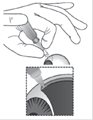
An instructional line drawing showing a hand holding an ophthalmic injection suspension vial and removing or handling a cap or seal from the top of the vial, likely demonstrating the preparation step before use.*
FDA Label Image

Image 13 (Image 13)

Image 13 (Image 13)
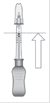
An instructional diagram showing an ophthalmic injection suspension vial with an arrow pointing upward, likely indicating the direction for removing the vial's cap or preparing the syringe. The image is a line drawing, emphasizing the top portion of the vial and the cap.*
FDA Label Image

Image 14 (Image 14)

Image 14 (Image 14)
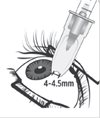
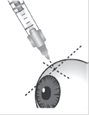
An instructional black-and-white illustration showing an ophthalmic injection procedure where a syringe needle is positioned near the eye, indicating an injection depth of 4 to 4.5 mm. The diagram visually guides on administering an injection into the eye area.*
FDA Label Image

Image 15 (Image 15)

Image 15 (Image 15)
An instructional illustration depicting an ophthalmic injection procedure where a syringe is shown administering an injection near the eye, indicating the site of injection with dotted lines.*
FDA Label Image

Image 16 (Image 16)

Image 16 (Image 16)
An instructional illustration showing a hand holding a syringe above a vial, with fluid being drawn out. This depicts preparation or administration of an ophthalmic injection suspension, consistent with the Xipere (triamcinolone acetonide) 40 mg/mL product for ocular use.*
FDA Label Image

Image 17 (Image 17)

Image 17 (Image 17)
An instructional illustration depicting a hand holding an ophthalmic injection vial, showing the preparation or administration technique associated with Xipere (triamcinolone acetonide) injection, suspension. The diagram focuses on proper handling of the vial, suggesting guidance for use in an ophthalmic route.*
FDA Label Image

Image 18 (Image 18)

Image 18 (Image 18)
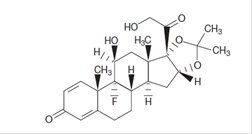
Chemical structure of triamcinolone acetonide, the active ingredient in the ophthalmic injectable suspension Xipere 40 mg/mL by Bausch & Lomb Incorporated.*
FDA Label Image

Image 19 (Image 19)

Image 19 (Image 19)
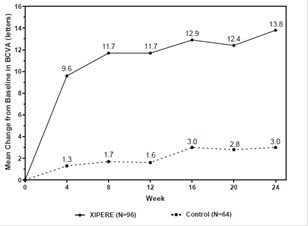
A line graph showing mean change from baseline in BCVA (letters) over 24 weeks for two groups: Xipere (N=96) and Control (N=64). The Xipere group shows a steady increase, reaching approximately 13.8 letters at 24 weeks, while the Control group remains nearly flat, ending around 3.0 letters.*
FDA Label Image

Image 20 (Image 20)

Image 20 (Image 20)
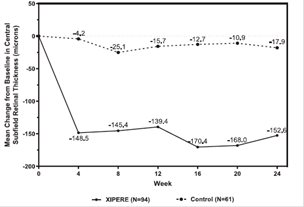
A line graph comparing mean change from baseline in central subfield retinal thickness (percentage) over 24 weeks between Xipere 40 mg/mL ophthalmic injection suspension and a control group. The x-axis represents weeks (0 to 24), and the y-axis shows percentage change values, with two lines indicating outcomes for Xipere and control groups.*
FDA Label Image

Carton (Carton)

Carton (Carton)
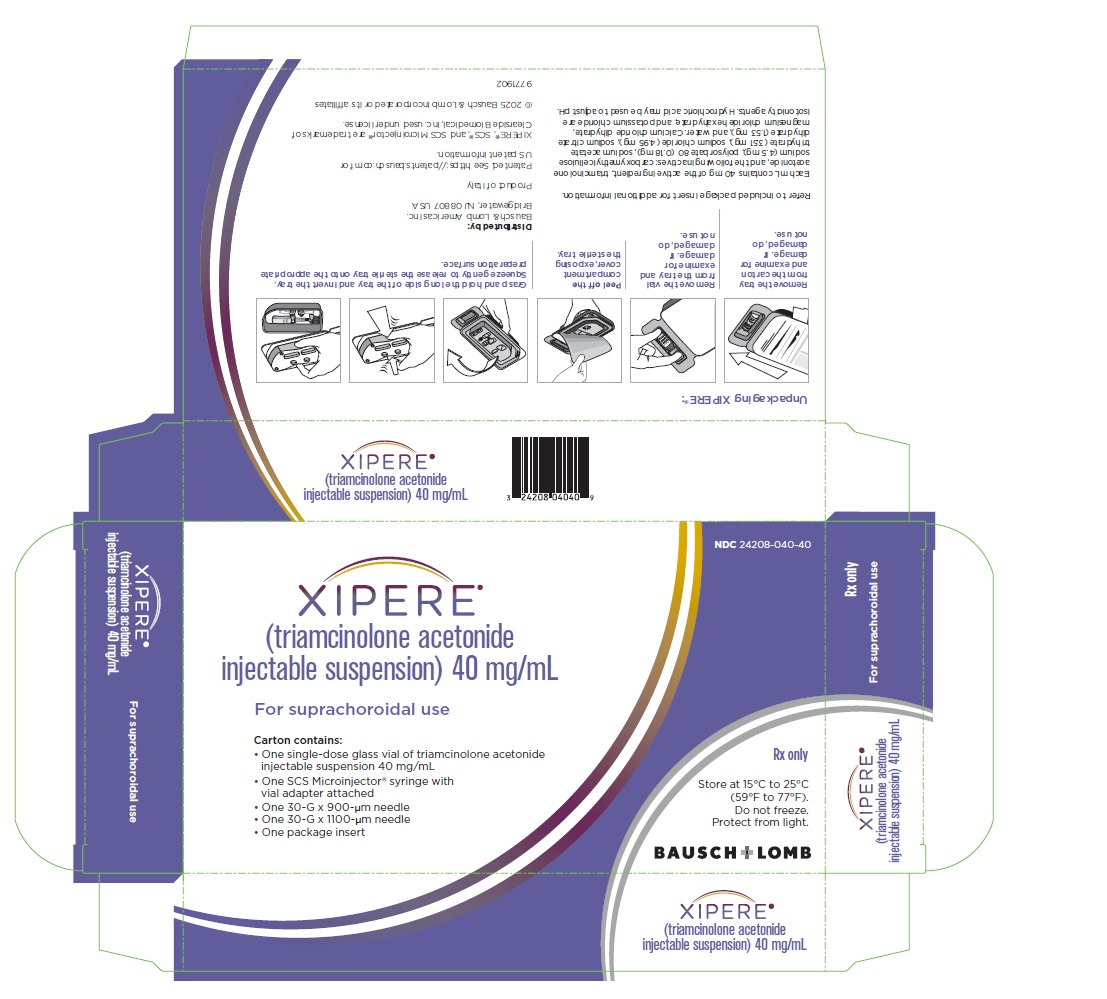
The packaging label for Xipere (triamcinolone acetonide injectable suspension) 40 mg/mL, an ophthalmic injection for suprachoroidal use by Bausch + Lomb. The carton includes a single-dose glass vial, an SCS Microinjector syringe with vial adapter, a 30-G x 900-µm needle, a 30-G x 1100-µm needle, and a package insert. Storage instructions specify 15°C to 25°C, no freezing, and protection from light.*

* About these descriptions: Image descriptions on this page are generated by automated AI analysis of the product label images from the manufacturer's FDA label submission (SPL). They are provided for reference only and may contain errors or omissions. Always rely on the printed label itself and the official FDA labeling, and consult a pharmacist or healthcare professional with any questions about this product.