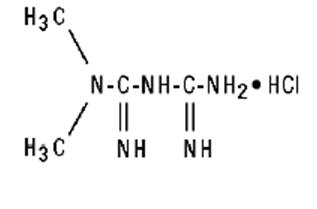
Patients should be informed of the potential risks and benefits of metformin hydrochloride tablets and of alternative modes of therapy. They should also be informed about the importance of adherence to dietary instructions, of a regular exercise program, and of regular testing of blood glucose, glycosylated hemoglobin, renal function, and hematologic parameters.
The risks of lactic acidosis, its symptoms, and conditions that predispose to its development, as noted in the WARNINGS and PRECAUTIONS sections, should be explained to patients. Patients should be advised to discontinue metformin hydrochloride tablets immediately and to promptly notify their health practitioner if unexplained hyperventilation, myalgia, malaise, unusual somnolence, or other nonspecific symptoms occur. Once a patient is stabilized on any dose level of metformin hydrochloride tablets, gastrointestinal symptoms, which are common during initiation of metformin therapy, are unlikely to be drug related. Later occurrence of gastrointestinal symptoms could be due to lactic acidosis or other serious disease.
Patients should be counselled against excessive alcohol intake, either acute or chronic, while receiving metformin hydrochloride tablets.
Metformin hydrochloride tablets alone does not usually cause hypoglycemia, although it may occur when metformin hydrochloride tablets are used in conjunction with oral sulfonylureas and insulin. When initiating combination therapy, the risks of hypoglycemia, its symptoms and treatment, and conditions that predispose to its development should be explained to patients and responsible family members. (See Patient Information printed below.)
Metformin Hydrochloride Tablets
Read this information carefully before you start taking this medicine and each time you refill your prescription. There may be new information. This information does not take the place of your doctor’s advice. Ask your doctor or pharmacist if you do not understand some of this information or if you want to know more about this medicine.
What are Metformin Hydrochloride Tablets?
Metformin Hydrochloride Tablets are used to treat type 2 diabetes. This is also known as non-insulin-dependent diabetes mellitus. People with type 2 diabetes are not able to make enough insulin or respond normally to the insulin their bodies make. When this happens, sugar (glucose) builds up in the blood. This can lead to serious medical problems including kidney damage, amputations, and blindness. Diabetes is also closely linked to heart disease. The main goal of treating diabetes is to lower your blood sugar to a normal level.
High blood sugar can be lowered by diet and exercise, by a number of medicines taken by mouth, and by insulin shots. Before you take Metformin Hydrochloride Tablets, try to control your diabetes by exercise and weight loss. While you take your diabetes medicine, continue to exercise and follow the diet advised for your diabetes. No matter what your recommended diabetes management plan is, studies have shown that maintaining good blood sugar control can prevent or delay complications of diabetes, such as blindness.
Metformin Hydrochloride Tablets help control your blood sugar in a number of ways. These include helping your body respond better to the insulin it makes naturally, decreasing the amount of sugar your liver makes, and decreasing the amount of sugar your intestines absorb. Metformin Hydrochloride Tablets do not cause your body to make more insulin. Because of this, when taken alone, they rarely cause hypoglycemia (low blood sugar), and usually do not cause weight gain. However, when they are taken with a sulfonylurea or with insulin, hypoglycemia is more likely to occur, as is weight gain.
Tell your doctor if you are pregnant or plan to become pregnant. Metformin hydrochloride tablets may not be right for you. Talk with your doctor about your choices. You should also discuss your choices with your doctor if you are nursing a child.
Can Metformin Hydrochloride Tablets be used in children?
Metformin Hydrochloride Tablets have been shown to effectively lower glucose levels in children (ages 10-16 years) with type 2 diabetes. Metformin Hydrochloride Tablets has not been studied in children younger than 10 years old. Metformin Hydrochloride Tablets has not been studied in combination with other oral glucose-control medicines or insulin in children. If you have any questions about the use of Metformin Hydrochloride Tablets in children, talk with your doctor or other healthcare provider.
How should I take Metformin Hydrochloride Tablets?
Your doctor will tell you how much medicine to take and when to take it. You will probably start out with a low dose of the medicine. Your doctor may slowly increase your dose until your blood sugar is better controlled. You should take Metformin Hydrochloride Tablets with meals.
Your doctor may have you take other medicines along with Metformin Hydrochloride Tablets to control your blood sugar. These medicines may include insulin shots. Taking Metformin Hydrochloride Tablets or with insulin may help you better control your blood sugar while reducing the insulin dose.
Continue your exercise and diet program and test your blood sugar regularly while taking Metformin Hydrochloride Tablets. Your doctor will monitor your diabetes and may perform blood tests on you from time to time to make sure your kidneys and your liver are functioning normally. There is no evidence that Metformin Hydrochloride Tablets cause harm to the liver or kidneys
Tellyour doctor if you:
• havean illness that causes severe vomiting, diarrhea or fever, or if you drink amuch lower amount of liquid than normal. These conditions can lead to severedehydration (loss of water in your body). You may need to stop taking MetforminHydrochloride Tablets for a short time.
• planto have surgery or an x-ray procedure with injection of dye (contrast agent).You may need to stop taking Metformin Hydrochloride Tablets for a short time.
•start to take other medicines or change how you take a medicine. MetforminHydrochloride Tablets can affect how well other drugs work, and some drugs canaffect how well Metformin Hydrochloride Tablets work. Some medicines may causehigh blood sugar.
What should I avoid while taking Metformin Hydrochloride Tablets?
Do not drink a lot of alcoholic drinks while taking Metformin Hydrochloride Tablets. This means you should not binge drink for short periods, and you should not drink a lot of alcohol on a regular basis. Alcohol can increase the chance of getting lactic acidosis.
What are the side effects of Metformin Hydrochloride Tablets?
Lactic Acidosis. Metformin, the active ingredient in Metformin Hydrochloride Tablets, can cause a rare but serious condition called lactic acidosis (a buildup of an acid in the blood) that can cause death. Lactic acidosis is a medical emergency and must be treated in the hospital.
Call your doctor right away if you have any of the following symptoms, which could be signs of lactic acidosis:
•you feel cold in your hands or feet
•you feel dizzy or lightheaded
•you have a slow or irregular heartbeat
•you feel very weak or tired
•you have unusual (not normal) muscle pain
•you have trouble breathing
•you feel sleepy or drowsy
•you have stomach pains, nausea or vomiting
Most people who have had lactic acidosis with metformin have other things that, combined with the metformin, led to the lactic acidosis. Tell your doctor if you have any of the following, because you have a higher chance for getting lactic acidosis with metformin hydrochloride tablets if you:
•have severe kidney problems, or your kidneys are affected by certain x-ray tests that use injectable dye
•have liver problems
•drink alcohol very often, or drink a lot of alcohol in short-term "binge" drinking
•get dehydrated (lose a large amount of body fluids). This can happen if you are sick with a fever, vomiting, or diarrhea. Dehydration can also happen when you sweat a lot with activity or exercise and do not drink enough fluids
•have surgery
•have a heart attack, severe infection, or stroke
The best way to keep from having a problem with lactic acidosis from metformin is to tell your doctor if you have any of the problems in the list above. Your doctor may decide to stop your metformin hydrochloride tablets for a while if you have any of these things.
Other Side Effects. Common side effects of Metformin Hydrochloride Tablets include diarrhea, nausea, and upset stomach. These side effects generally go away after you take the medicine for a while. Taking your medicine with meals can help reduce these side effects. Tell your doctor if the side effects bother you a lot, last for more than a few weeks, come back after they’ve gone away, or start later in therapy. You may need a lower dose or need to stop taking the medicine for a short period or for good.
About 3 out of every 100 people who take Metformin Hydrochloride Tablets have an unpleasant metallic taste when they start taking the medicine. It lasts for a short time.
Metformin Hydrochloride Tablets rarely cause hypoglycemia (low blood sugar) by themselves. However, hypoglycemia can happen if you do not eat enough, if you drink alcohol, or if you take other medicines to lower blood sugar.
General advice about prescription medicines
If you have questions or problems, talk with your doctor or other healthcare provider. You can ask your doctor or pharmacist for the information about Metformin Hydrochloride Tablets that is written for healthcare professionals. Medicines are sometimes prescribed for purposes other than those listed in a patient information leaflet. Do not use Metformin Hydrochloride Tablets for a condition for which it was not prescribed. Do not share your medicine with other people.
Manufactured by:
USV PRIVATE LIMITED
H-13, 16, 16A, 17, 18, 19, 20, 21 & E22, OIDC,
Mahatma Gandhi Udyog Nagar,
Dabhel, Daman 396210. India.
Manufactured for:
INDICUS PHARMA
Indicus Pharma LLC,
12308 Richmond Run Drive,
Raleigh, NC 27614
Issued 01/18