Cholestyramine Powder, For Suspension
Product Images NDC 27241-134

View Photos of Packaging, Regulatory Labels, and Product Appearance

Product Visual Gallery

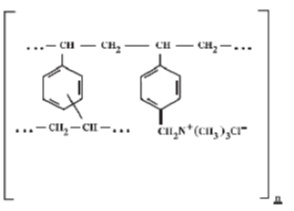
This gallery contains 3 technical images submitted to the FDA as part of the official labeling for Cholestyramine (NDC 27241-134). Unlike standard consumer photos, these assets often include clinical data figures, molecular chemical structures, and official manufacturer packaging layouts.

As provided by Ajanta Pharma Usa Inc., these visuals offer a comprehensive scientific overview of the product's physical and chemical identity, aiding pharmacists and researchers in product verification and study.

FDA Label Image

Cholestyramine (Cholestyramine)
FDA Label Image

Cholestyramine9g

Cholestyramine9g
Cholestyramine for Oral Suspension is a medication that comes in a sachet containing 4 grams of Cholestyramine resin. The sachet has an orange flavor and should be mixed with at least 2 to 6 ounces of water or a preferred beverage to a uniform consistency. The product is not child-resistant and should be kept out of children's reach. It contains sucrose and should be stored at 26°C with excursions permitted from 15°C to 30°C. The sachet has a code number of GUJ/DRUGS/G/25/2080. For complete instructions on usage, please refer to the back panel.*
FDA Label Image

Cholestyramine_378g (Cholestyramine 378g)

Cholestyramine_378g (Cholestyramine 378g)
This is a medication called Cholestyramine for Oral Suspension, USP Powder containing 4 grams of Cholestyramine USP resin per scoopful. The package contains a scoop for accurate measurement, and the powder should be mixed with water or a beverage before consumption. The package contains 42 measured doses and should be stored at a controlled room temperature. The medication should be kept out of the reach of children and the package is not child-resistant. The medication is marketed by Aana Pharma USA Inc. in Bridgewater, NJ and is made in India. The flavor of the medication is orange.*

* These product label images have been analyzed using experimental machine learning. Please verify findings with the primary label text.