Dapagliflozin Tablet
Product Images NDC 27241-152

View Photos of Packaging, Regulatory Labels, and Product Appearance

Product Visual Gallery

This gallery contains 8 technical images submitted to the FDA as part of the official labeling for Dapagliflozin (NDC 27241-152). Unlike standard consumer photos, these assets often include clinical data figures, molecular chemical structures, and official manufacturer packaging layouts.

As provided by Ajanta Pharma Usa Inc., these visuals offer a comprehensive scientific overview of the product's physical and chemical identity, aiding pharmacists and researchers in product verification and study.

FDA Label Image

10mg (Dapagliflozin 10mg)
10mg (Dapagliflozin 10mg)
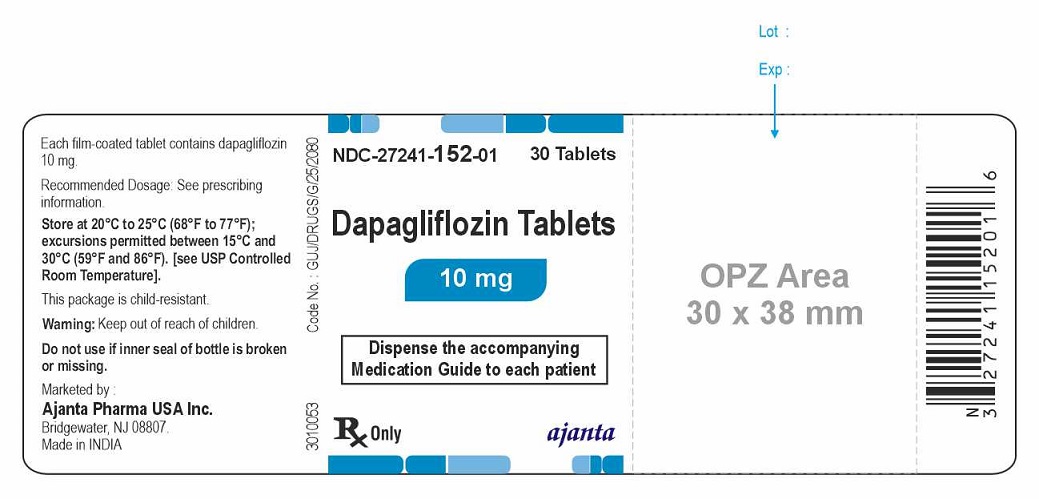
Dapagliflozin Tablets 10 mg label for a 30-tablet bottle by Ajanta Pharma USA Inc. The label states each film-coated tablet contains 10 mg dapagliflozin, includes storage instructions (20°C to 25°C), and warnings about child safety and seal integrity. It also directs dispensing the accompanying medication guide to patients.*
FDA Label Image

5mg (Dapagliflozin 5mg)

5mg (Dapagliflozin 5mg)
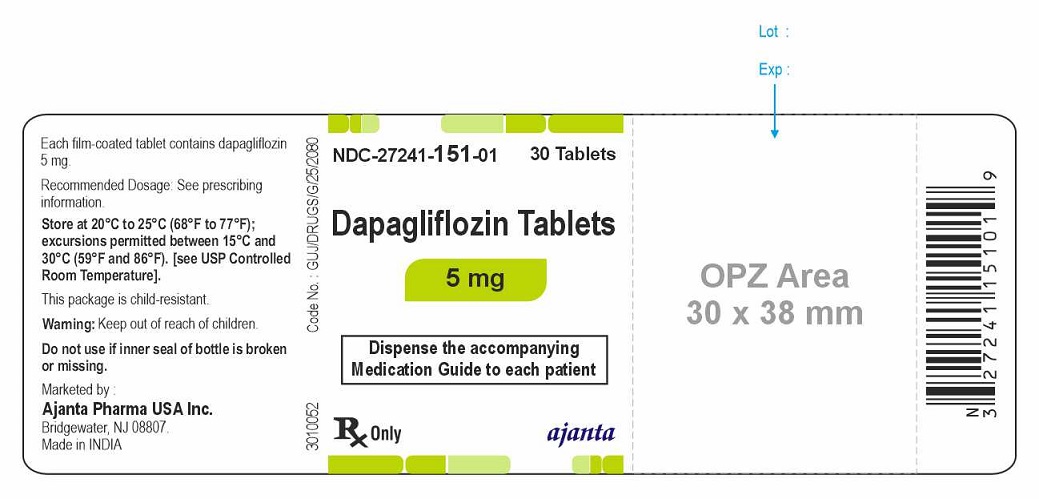
Label for Dapagliflozin Tablets 5 mg, oral tablets, in a 30-tablet package. The label includes storage instructions and warnings, the NDC 27241-151-01, and states the product is marketed by Ajanta Pharma USA Inc. It is marked Rx Only and notes the product is made in India.*
FDA Label Image

Figure2 (Dapagliflozin Figure2)

Figure2 (Dapagliflozin Figure2)
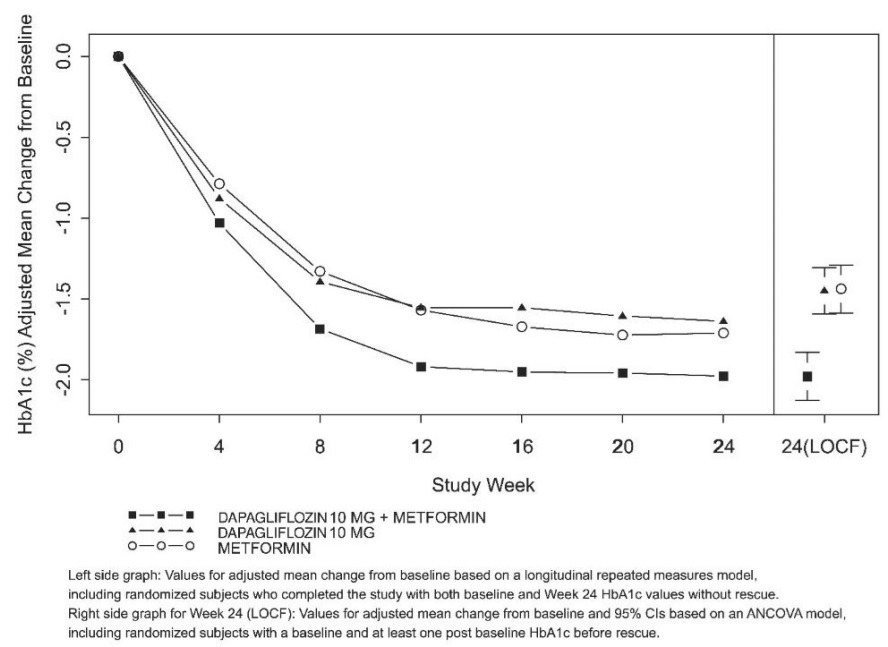
This line graph presents the adjusted mean change (%) from baseline in HbA1c levels over a 24-week study period. It compares three treatments: Dapagliflozin 10 mg plus Metformin, Dapagliflozin 10 mg alone, and Metformin alone. The x-axis represents study weeks, while the y-axis shows the HbA1c percentage change. An additional plot on the right displays Week 24 data with 95% confidence intervals.*
FDA Label Image

Figure3 (Dapagliflozin Figure3)

Figure3 (Dapagliflozin Figure3)
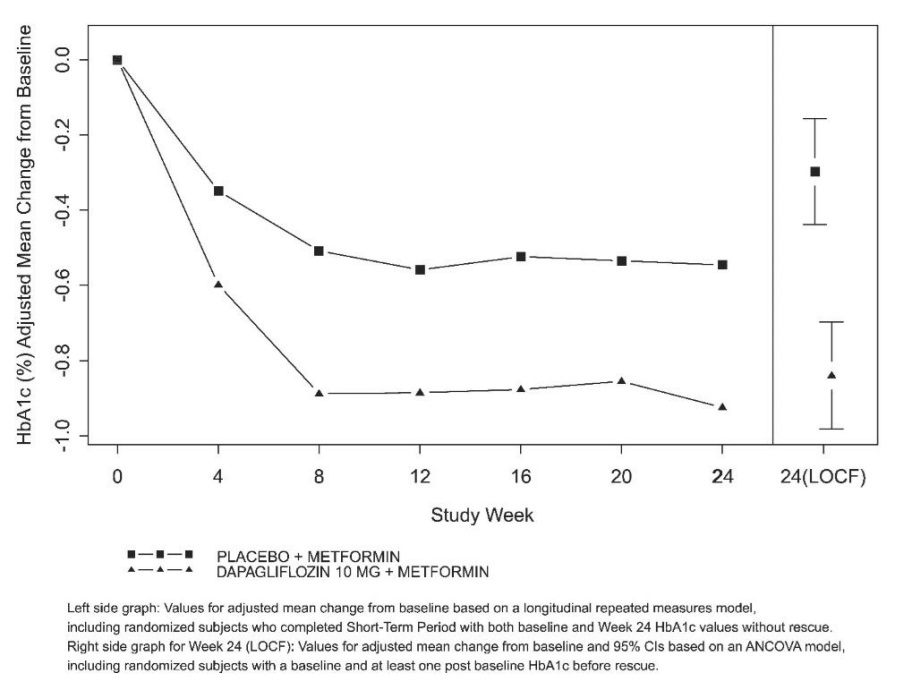
A line graph showing adjusted mean change from baseline in HbA1c (%) over a 24-week study period comparing Placebo + Metformin and Dapagliflozin 10 mg + Metformin. The plot displays HbA1c reduction trends with study weeks on the x-axis and HbA1c change on the y-axis, including error bars for Week 24 (LOCF) values.*
FDA Label Image

Figure4 (Dapagliflozin Figure4)

Figure4 (Dapagliflozin Figure4)
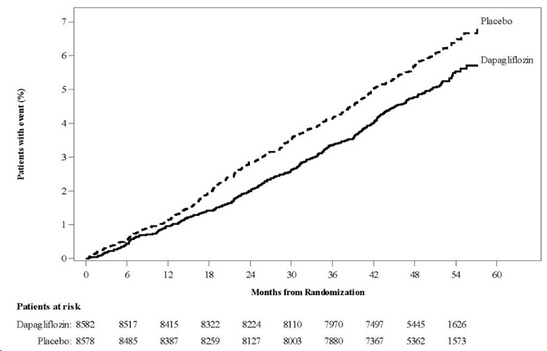
A line graph comparing the percentage of patients with an event over months from randomization between Dapagliflozin and placebo groups. The x-axis shows months from randomization (0 to 60), and the y-axis shows the percentage of patients with an event. Two lines represent Dapagliflozin and placebo, with patient counts at risk listed below the graph for each time point.*
FDA Label Image

Figure5 (Dapagliflozin Figure5)

Figure5 (Dapagliflozin Figure5)
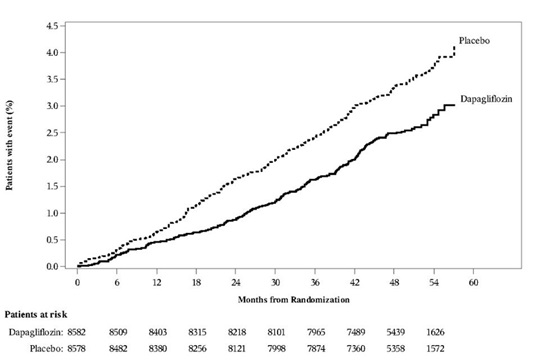
A line graph comparing the percentage of patients with events over months from randomization between Dapagliflozin and placebo groups. The x-axis represents months from randomization (0 to 60), and the y-axis shows the percentage of patients with events (0% to 4.5%). The graph includes a patient risk table beneath displaying patient numbers at risk for each group over time.*
FDA Label Image

Figure1 (Dapagliflozin Fig1)

Figure1 (Dapagliflozin Fig1)
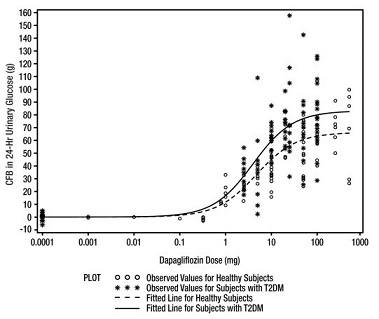
A scatter plot with a fitted line graph depicting the relationship between Dapagliflozin dose (mg) on the x-axis and the amount of glucose excreted in urine (g) over 24 hours on the y-axis. The plot differentiates observed values for healthy subjects, subjects with T2DM (type 2 diabetes mellitus), and sham healthy subjects using different symbols.*
FDA Label Image

Structure (Dapagliflozin Structure)

Structure (Dapagliflozin Structure)
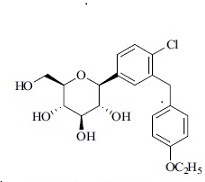
Chemical structure of dapagliflozin, showing its molecular arrangement including chlorine-substituted aromatic rings and a glucose-derived moiety.*

* About these descriptions: Image descriptions on this page are generated by automated AI analysis of the product label images from the manufacturer's FDA label submission (SPL). They are provided for reference only and may contain errors or omissions. Always rely on the printed label itself and the official FDA labeling, and consult a pharmacist or healthcare professional with any questions about this product.