Advise the patient to read the FDA-approved patient labeling (Medication Guide and Instruction for Use).
Medication Errors
Advise patients that Morphine Sulfate Oral Solution is available in two concentrations:
10 mg per 5 mL (2 mg/mL) and 100 mg per 5 mL (20 mg/mL). Inform patients about which concentration they have been prescribed and provide detailed instruction on how to measure and take the correct dose of Morphine Sulfate Oral Solution, and to always use the enclosed measuring device when administering Morphine Sulfate Oral Solution to ensure that the dose is measured and administered accurately [see Warnings and Precautions (5.1)].
If the prescribed concentration is changed, instruct patients on how to correctly measure the new dose to avoid dosing errors which could result in accidental overdose and death.
Addiction, Abuse, and Misuse
Inform patients that the use of Morphine Sulfate Oral Solution, even when taken as recommended, can result in addiction, abuse, and misuse, which can lead to overdose and death [see Warnings and Precautions (5.2)]. Instruct patients not to share Morphine Sulfate Oral Solution with others and to take steps to protect Morphine Sulfate Oral Solution from theft or misuse.
Life-Threatening Respiratory Depression
Inform patients of the risk of life-threatening respiratory depression, including information that the risk is greatest when starting Morphine Sulfate Oral Solution or when the dosage is increased, and that it can occur even at recommended dosages [see Warnings and Precautions (5.3)]. Advise patients how to recognize respiratory depression and to seek medical attention if breathing difficulties develop.
Accidental Ingestion
Inform patients that accidental ingestion, especially by children, may result in respiratory depression or death [see Warnings and Precautions (5.3)]. Instruct patients to take steps to store Morphine Sulfate Oral Solution securely and to dispose of unused Morphine Sulfate Oral Solution by flushing the unused oral solution down the toilet.
Interactions with Benzodiazepines and Other CNS Depressants
Inform patients and caregivers that potentially fatal additive effects may occur if Morphine Sulfate Oral Solution is used with benzodiazepines or other CNS depressants, including alcohol, and not to use these concomitantly unless supervised by a healthcare provider [see Warnings and Precautions (5.5), Drug Interactions (7)].
Serotonin Syndrome
Inform patients that opioids could cause a rare but potentially life-threatening condition resulting from concomitant administration of serotonergic drugs. Warn patients of the symptoms of serotonin syndrome and to seek medical attention right away if symptoms develop. Instruct patients to inform their physicians if they are taking, or plan to take serotonergic medications [see Drug Interactions (7)].
MAOI Interaction
Inform patients not to take Morphine Sulfate Oral Solution while using any drugs that inhibit monoamine oxidase. Patients should not start MAOIs while taking Morphine Sulfate Oral Solution [see Warnings and Precautions (5.7), Drug Interactions (7)].
Adrenal Insufficiency
Inform patients that opioids could cause adrenal insufficiency, a potentially life-threatening condition. Adrenal insufficiency may present with non-specific symptoms and signs such as nausea, vomiting, anorexia, fatigue, weakness, dizziness, and low blood pressure. Advise patients to seek medical attention if they experience a constellation of these symptoms [see Warnings and Precautions (5.8)].
Important Administration Instructions
Instruct patients how to properly take Morphine Sulfate Oral Solution.
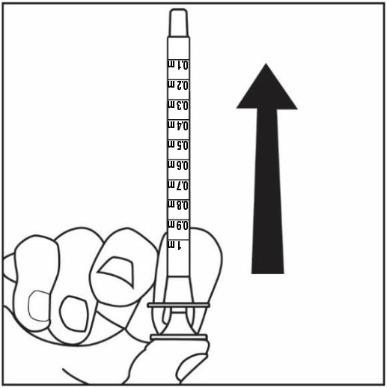
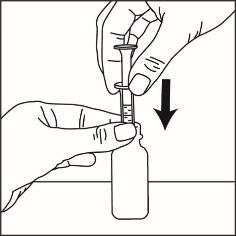
Advise patients to always use the enclosed calibrated oral syringe when administering Morphine Sulfate Oral Solution 100 mg per 5 mL (20 mg/mL) to ensure the dose is measured and administered accurately [see Warnings and Precautions (5.1)].
Advise patients to always use the enclosed dosing cup when administering Morphine Sulfate Oral Solution 10 mg/5mL (2 mg/mL) to ensure the dose is measured and administered accurately [see Warnings and Precautions (5.1)].
Advise patients never to use household teaspoons or tablespoons to measure Morphine Sulfate Oral Solution.
Inform patients that the 100 mg per 5 mL (20 mg/mL) formulation is only for patients who are already receiving opioid-therapy and have demonstrated opioid-tolerance. Use of this formulation may cause fatal respiratory depression when administered to patients who have not had previous exposure to opioids [see Indications and Usage (1), Dosage and Administration (2.1)]
Advise patients not to adjust the dose of Morphine Sulfate Oral Solution without consulting with a physician or other healthcare professional.
If patients have been receiving treatment with Morphine Sulfate Oral Solution for more than a few weeks and cessation of therapy is indicated, counsel them on the importance of safely tapering the dose as abrupt discontinuation of the medication could precipitate withdrawal symptoms. Provide a dose schedule to accomplish a gradual discontinuation of the medication [see Dosage and Administration (2.4)].
Hypotension
Inform patients that Morphine Sulfate Oral Solution may cause orthostatic hypotension and syncope. Instruct patients how to recognize symptoms of low blood pressure and how to reduce the risk of serious consequences should hypotension occur (e.g., sit or lie down, carefully rise from a sitting or lying position) [see Warnings and Precautions (5.9)].
Anaphylaxis
Inform patients that anaphylaxis have been reported with ingredients contained in Morphine Sulfate Oral Solution. Advise patients how to recognize such a reaction and when to seek medical attention [see Contraindications (4), Adverse Reactions (6)].
Pregnancy
Neonatal Opioid Withdrawal Syndrome: Inform female patients of reproductive potential that prolonged use of Morphine Sulfate Oral Solution during pregnancy can result in neonatal opioid withdrawal syndrome, which may be life-threatening if not recognized and treated [see Warnings and Precautions (5.4), Use in Specific Populations (8.1)].
Embryo-Fetal Toxicity: Inform female patients of reproductive potential that Morphine Sulfate Oral Solution can cause fetal harm and to inform their healthcare provider of a known or suspected pregnancy [see Use in Specific Populations (8.1)].
Lactation
Advise nursing mothers to monitor infants for increased sleepiness (more than usual), breathing difficulties, or limpness. Instruct nursing mothers to seek immediate medical care if they notice these signs [see Use in Specific Populations (8.2)].
Infertility
Inform patients that chronic use of opioids may cause reduced fertility. It is not known whether these effects on fertility are reversible [see Use in Specific Populations (8.3)].
Driving or Operating Heavy Machinery
Inform patients that Morphine Sulfate Oral Solution may impair the ability to perform potentially hazardous activities such as driving a car or operating heavy machinery. Advise patients not to perform such tasks until they know how they will react to the medication [see Warnings and Precautions (5.14)].
Constipation
Advise patients of the potential for severe constipation, including management instructions and when to seek medical attention [see Adverse Reactions (6)].
Disposal of Unused Morphine Sulfate Oral Solution
Advise patients to dispose of unused morphine oral solution by flushing down the toilet.
Manufactured by:
Tris Pharma, Inc.
Monmouth Junction, NJ 08852
www.trispharma.com