Dexmethylphenidate Hydrochloride Capsule, Extended Release
Product Images NDC 31722-232

View Photos of Packaging, Regulatory Labels, and Product Appearance

Product Visual Gallery

This gallery contains 19 technical images submitted to the FDA as part of the official labeling for Dexmethylphenidate Hydrochloride (NDC 31722-232). Unlike standard consumer photos, these assets often include clinical data figures, molecular chemical structures, and official manufacturer packaging layouts.

As provided by Camber Pharmaceuticals, Inc., these visuals offer a comprehensive scientific overview of the product's physical and chemical identity, aiding pharmacists and researchers in product verification and study.

FDA Label Image

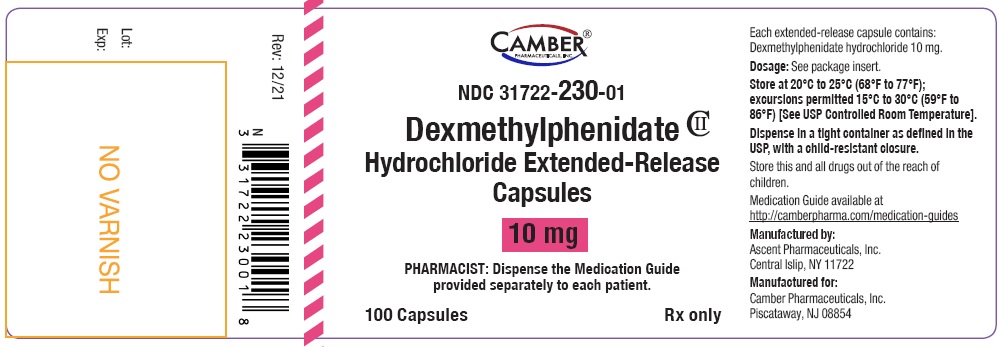
10 mg (10 mg 100s)

FDA Label Image

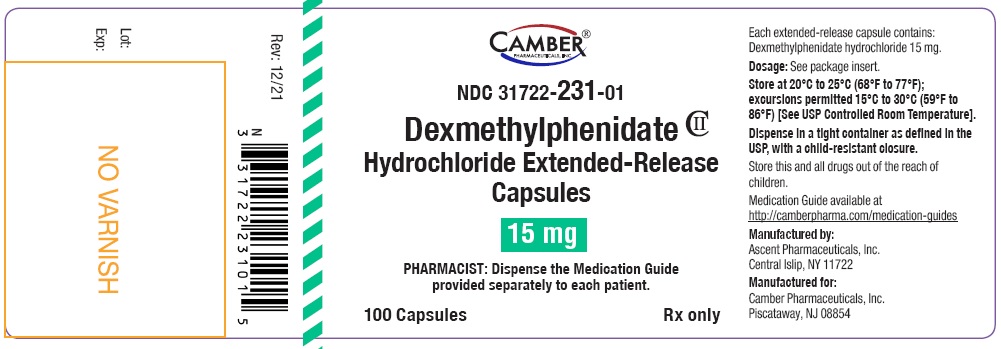
15 mg (15 mg 100s)

15 mg (15 mg 100s)
This is a description of a medication called Dexmethylphenidate Hydrochloride Extended-Release Capsules, packaged in a bottle of 100 capsules, with a recommended dosage indicated on the package insert. The medication guide for patients is to be dispensed separately by the pharmacist. It is recommended to store the capsules at a temperature between 20°C and 25°C, with excursions permitted between 15°C and 30°C. The capsules are manufactured by Ascent Pharmaceuticals and distributed by Camber Pharmaceuticals.*
FDA Label Image

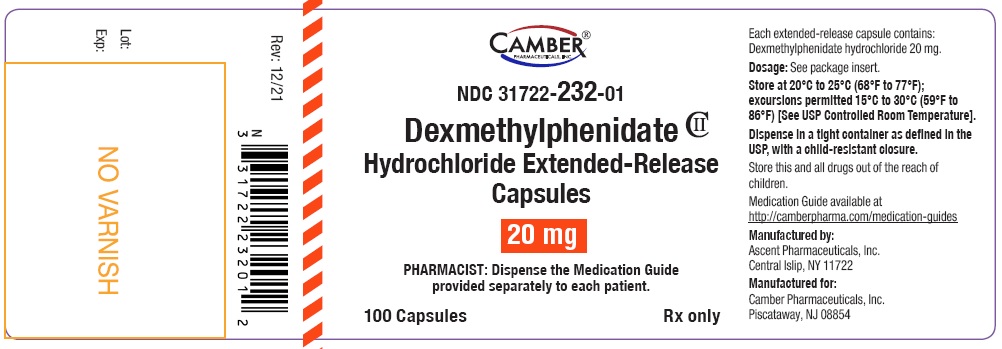
20 mg (20 mg 100s)

20 mg (20 mg 100s)
This is a medication guide for NDG 31722-232-01 Dexmethylphenidate Hydrochloride Extended-Release Capsules. The guide includes information about the medication, dosage instructions, storage guidelines, and dispense in containers as per the USP. It warns to keep this and all medications away from children. The medication guide can be found at htolcemberpharma com/medication-quides. These capsules are manufactured by Ascent Pharmaceuticals, Inc. in Central Islip, NY and are distributed by Camber Pharmaceuticals, Inc. in Piscataway, NJ.*
FDA Label Image

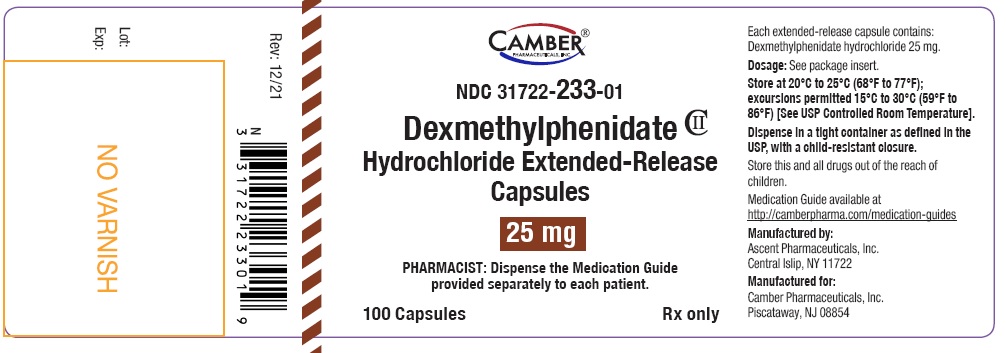
25 mg (25 mg 100s)

25 mg (25 mg 100s)
This is a medication information for Dexmethylphenidate hydrochloride extended-release capsules, containing 25 mg of dexmethylphenidate hydrochloride, indicated for the treatment of attention deficit hyperactivity disorder (ADHD). It is a prescription-only drug that requires storage at controlled room temperature, in tight containers with child-resistant closures. The medication guide that should be provided separately to each patient is available at cemberpharma com/medication-quides. The drug was manufactured by Ascent Pharmaceuticals, inc., located in Central Islip, NY, and was distributed by Camber Pharmaceuticals, inc., in Piscataway, NJ.*
FDA Label Image

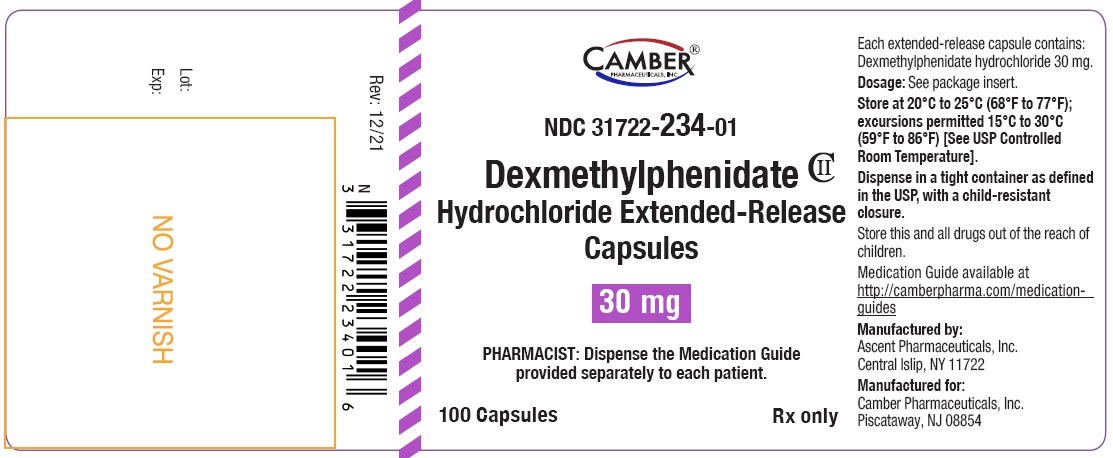
30 mg (30 mg 100s)

30 mg (30 mg 100s)
This is a medication description for extended-release capsules of Dexmethylphenidate hydrochloride 30mg. The recommended dosage can be found in the package insert. The capsules should be stored at room temperature. Dispensing should be done in a tight container with a child-resistant closure as defined in the USP. The manufacturer is Camber Pharmaceuticals, and the medication guide is available on their website. The prescription is for 100 capsules and is only available with a prescription.*
FDA Label Image

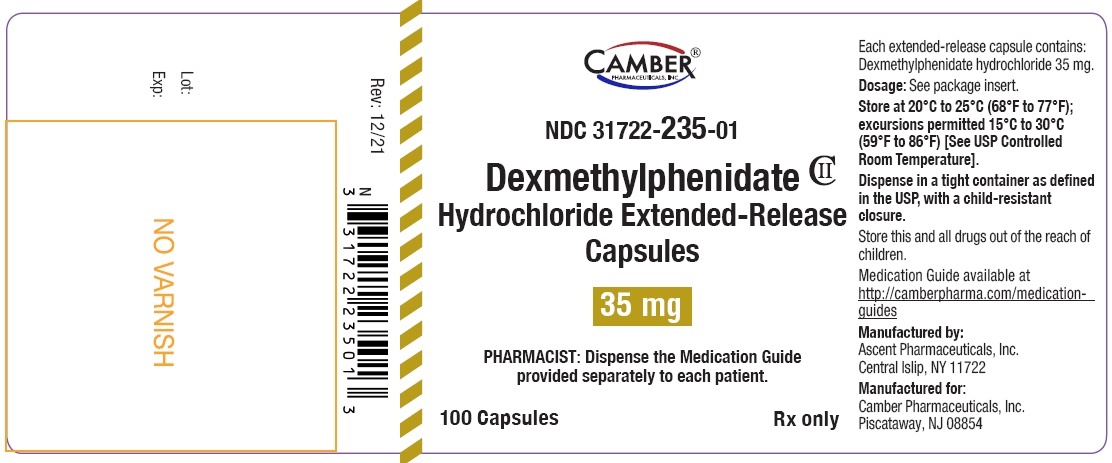
35mg (35 mg 100s)

35mg (35 mg 100s)
This is a medication with the active ingredient Dexmethylphenidate hydrochloride in extended-release capsules with a dosage indicated in the package insert. It is recommended to store it between 20°C and 25°C, with excursions allowed to 15°C and 30°C, and it must be kept in a tight container, away from children. A Medication Guide is available at the manufacturer's website. The manufacturer is Camber Pharmaceuticals, Inc.*
FDA Label Image

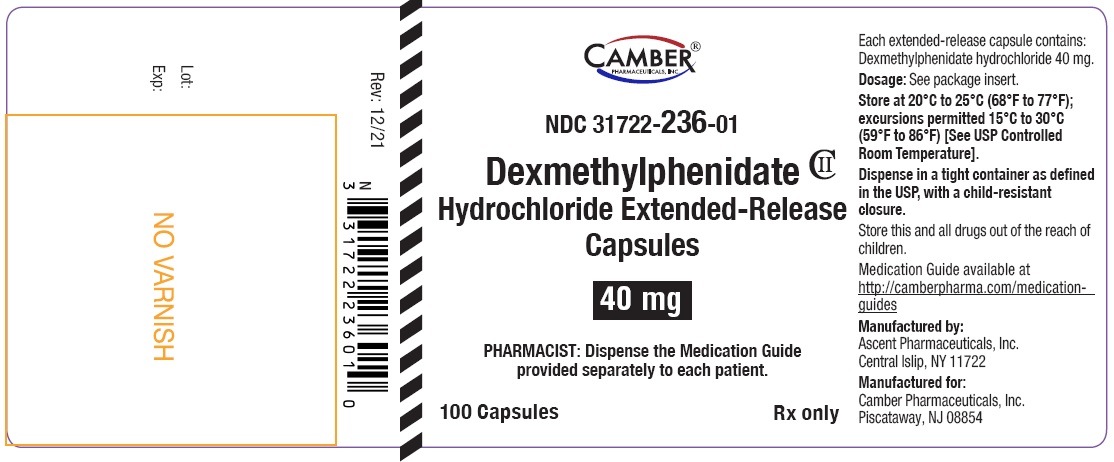
40 mg (40 mg 100s)

40 mg (40 mg 100s)
Each capsule of CAM BER Dexmethylphenidate hydrochloride 40 mg is an extended-release medication used to treat attention deficit hyperactivity disorder. Dosage instructions are included in the package insert. This medication must be stored at room temperature and out of the reach of children. Camber Pharmaceuticals is the manufacturer, and additional information is available in the medication guide found at camberpharma.com. No useful information can be obtained from the last line which consists of non-English characters.*
FDA Label Image

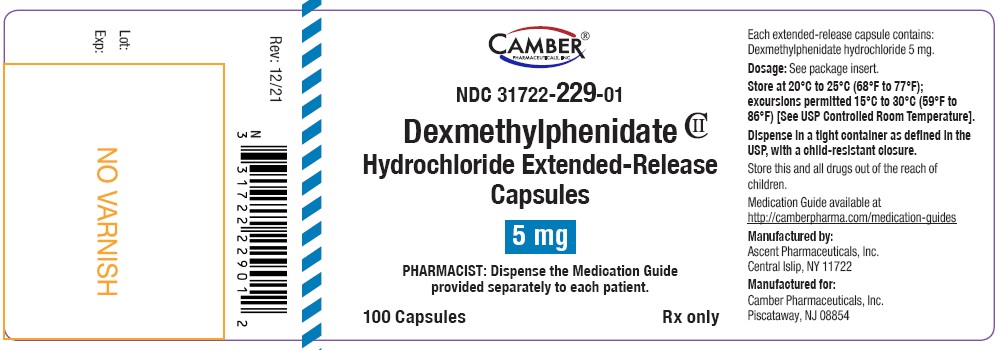
5 mg (5 mg 100s)

5 mg (5 mg 100s)
This is a medication information for Dexmethylphenidate Hydrochloride Extended-Release Capsules. Each capsule contains 5mg of Dexmethylphenidate hydrochloride and it is only available with a prescription. The recommended dosage is included in the package insert. Patients should be given a medication guide by the pharmacist and the medication should be stored at a temperature between 20°C and 25°C. The medication guide is available on the manufacturer's website. The medication is manufactured by Ascent Pharmaceuticals and distributed by Camber Pharmaceuticals.*
FDA Label Image

Effects-children (Effects Children 6 To 17 Yrs)

Effects-children (Effects Children 6 To 17 Yrs)
This text appears to be listing some common symptoms that someone may experience: dyspepsia, decreased appetite, headache, and anxiety. It is not clear what the context of these symptoms may be or if they are related to a specific condition.*
FDA Label Image

Effects-adults (Effects In Adults)

Effects-adults (Effects In Adults)
This text appears to describe common side effects of a medication. Specifically, it lists dry mouth and dyspepsia (indigestion) as possible symptoms, along with headache and anxiety. It also mentions pharyngolaryngeal pain, which could refer to pain in the throat or larynx.*
FDA Label Image

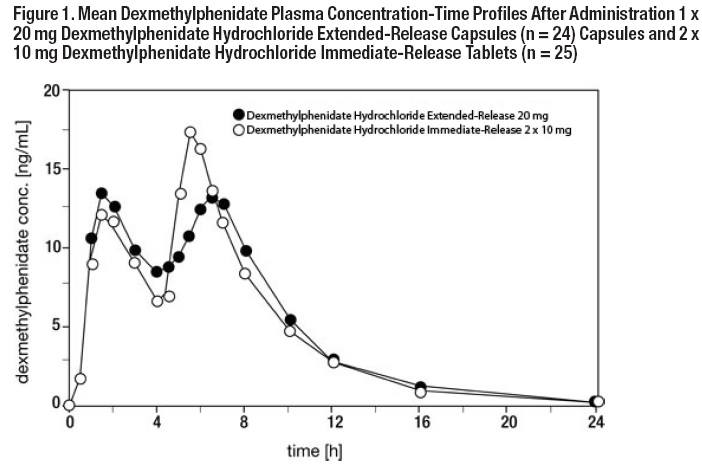
Figure 1 (Figure 1)

FDA Label Image

Table 1 (Table 1)

Table 1 (Table 1)
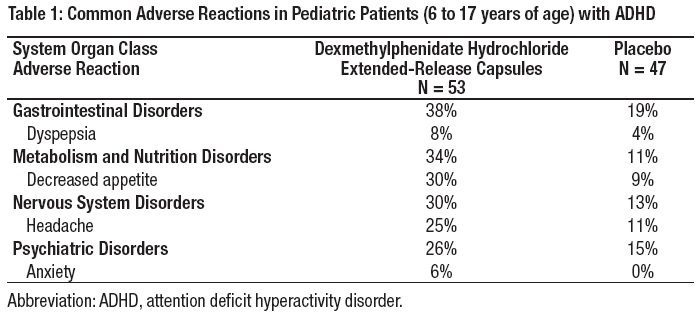
Table 1 shows the common adverse reactions observed in pediatric patients, aged between 6 to 17 years old, with ADHD while taking dexmethylphenidate hydrochloride extended-release capsules compared to the placebo. The adverse reactions are classified according to the System Organ Class and include Gastrointestinal Disorders, Metabolism and Nutrition Disorders, Nervous System Disorders, and Psychiatric Disorders. The most commonly observed adverse reactions with dexmethylphenidate hydrochloride were gastrointestinal disorders, metabolism and nutrition disorders, and nervous system disorders, whereas the most commonly observed adverse reactions with the placebo were gastrointestinal disorders and psychiatric disorders. The abbreviations used in the table are ADHD for attention deficit hyperactivity disorder.*
FDA Label Image

Table 2 (Table 2)

Table 2 (Table 2)
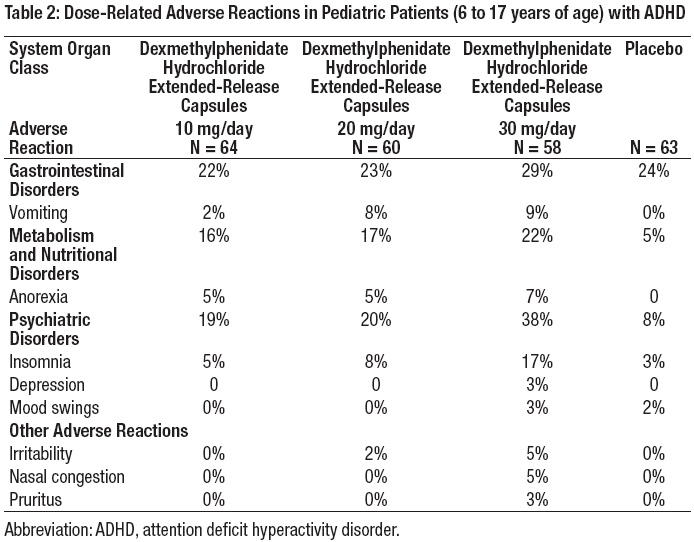
This is a table showing dose-related adverse reactions experienced by pediatric patients (6 to 17 years old) with ADHD who took Dexmethylphenidate Hydrochloride Extended-Release Capsules at doses of 10mg/day, 20mg/day, or 30mg/day versus placebo. The table indicates the percentage of patients experiencing each category of adverse reaction, including gastrointestinal disorders, metabolism and nutritional disorders, and psychiatric disorders, among others. The adverse reaction to Dexmethylphenidate Hydrochloride Extended-Release Capsules increased with dosage.*
FDA Label Image

Table 3 (Table 3)

Table 3 (Table 3)
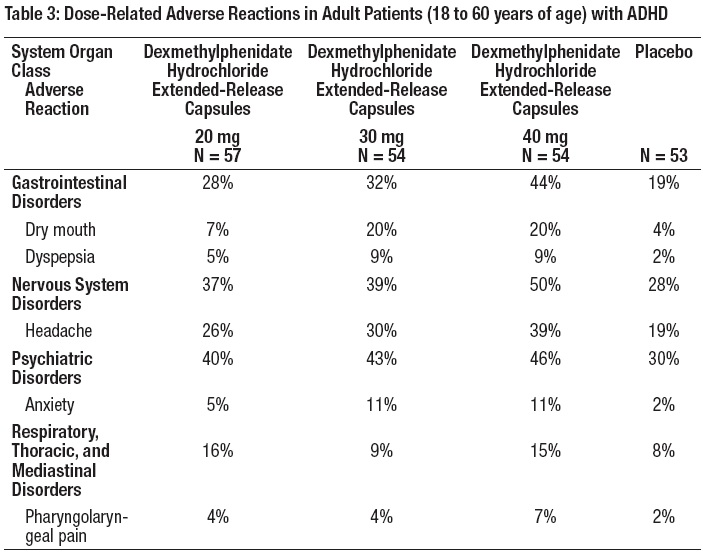
The table presents dose-related adverse reactions in adult patients, aged 18 to 60, with ADHD who were administered different doses of Dexmethylphenidate Hydrochloride extended-release capsules and Placebo. The adverse reactions are grouped into different classes, including Gastrointestinal Disorders, Nervous System Disorders, Psychiatric Disorders, and Respiratory, Thoracic, and Mediastinal Disorders. Each class has specific subtypes of adverse reactions, including dry mouth, dyspepsia, headache, anxiety, pharyngolaryngeal pain, etc., and the percentages indicate the frequency of their occurrence.*
FDA Label Image

Table 4 (Table 4)

FDA Label Image

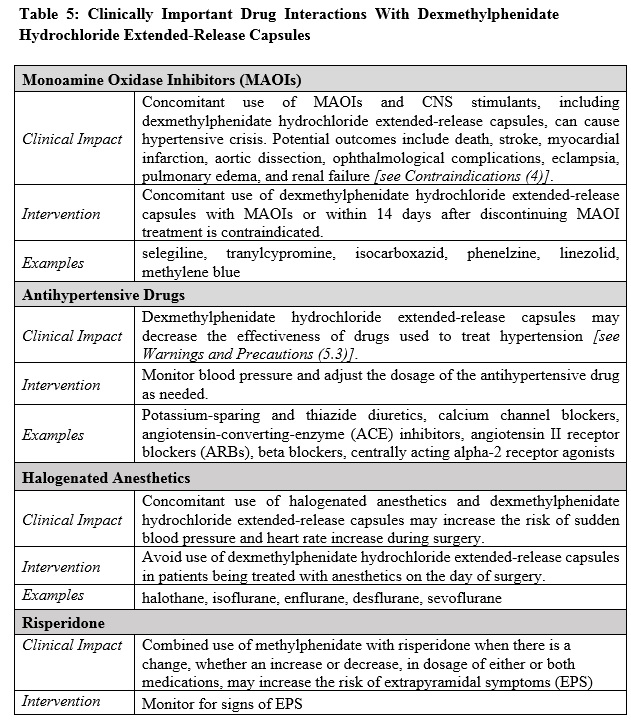
Table 5 (Table 5)

Table 5 (Table 5)
This text provides information on the drug interactions of dexmethylphenidate hydrochloride extended-release capsules. Concomitant use of MAOIs and CNS stimulants, including dexmethylphenidate hydrochloride extended-release capsules, can cause hypertensive crisis. Dexmethylphenidate hydrochloride extended-release capsules may decrease the effectiveness of drugs used to treat hypertension. Concomitant use of halogenated anesthetics and dexmethylphenidate hydrochloride extended-release capsules may increase the risk of sudden blood pressure and heart rate increase during surgery. The text, however, doesn't provide a general description of dexmethylphenidate hydrochloride, but only its effects in combination with other drugs.*
FDA Label Image

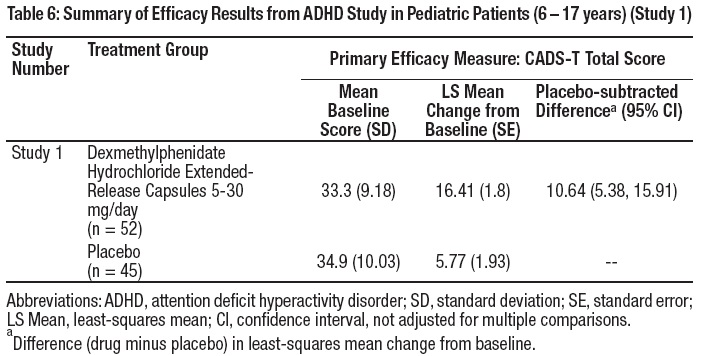
Table 6 (Table 6)

Table 6 (Table 6)
Table 6 provides a summary of the efficacy results from a study of ADHD treatment in pediatric patients aged 6 to 17 years (Study 1). The primary efficacy measure was CADS-T Total Score. The Mean LS Mean and Placebo-subtracted Baseline Change from Score for each group are included, as well as the Difference (95% Cl) for each treatment group. The treatment group evaluated was Dexmethylphenidate Hydrochloride Extended-Release Capsules 5-30 mg/day, and the placebo group. The table includes abbreviations for ADHD, SD, SE, LS Mean, and Cl, which stand for attention deficit hyperactivity disorder, standard deviation, standard error, least-squares mean, and confidence interval, respectively. The Difference represents the drug minus placebo in the least-squares mean change from baseline.*
FDA Label Image

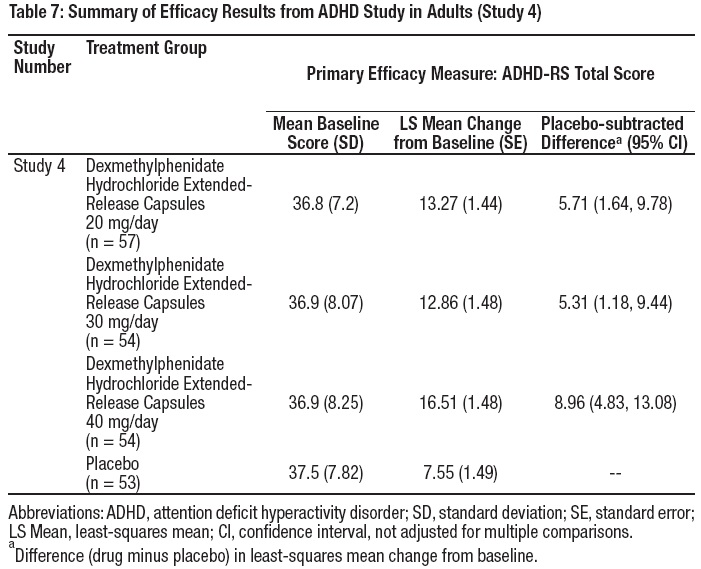
Table 7 (Table 7)

Table 7 (Table 7)
This is a table summarizing the results of an ADHD study in adults (Study 4) with the primary efficacy measure being the ADHD-RS Total Score. The table provides the mean baseline score and the LS mean change from baseline and placebo-subtracted difference for three treatment groups: Dexmethylphenidate Hydrochloride Extended-Release Capsules 20mg/day, Dexmethylphenidate Hydrochloride Extended-Release Capsules 30mg/day, and Dexmethylphenidate Hydrochloride Extended-Release Capsules 40mg/day, as well as for the placebo group. The table also includes abbreviations and explanations for terms used in the table.*
FDA Label Image

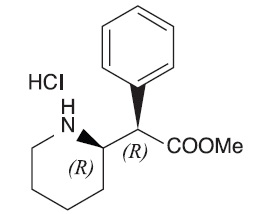
Structure (Struct)

* These product label images have been analyzed using experimental machine learning. Please verify findings with the primary label text.