Topiramate Capsule, Extended Release
Product Images NDC 31722-548

View Photos of Packaging, Regulatory Labels, and Product Appearance

Product Visual Gallery

This gallery contains 26 technical images submitted to the FDA as part of the official labeling for Topiramate (NDC 31722-548). Unlike standard consumer photos, these assets often include clinical data figures, molecular chemical structures, and official manufacturer packaging layouts.

As provided by Camber Pharmaceuticals, Inc., these visuals offer a comprehensive scientific overview of the product's physical and chemical identity, aiding pharmacists and researchers in product verification and study.

FDA Label Image

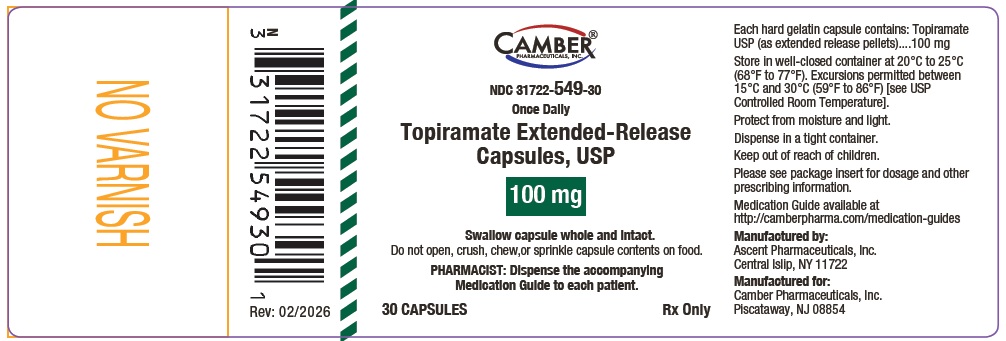
100 (100 mg)

100 (100 mg)
This is a description of a medication called Topiramate Extended-Release Capsules, USP. Each capsule contains 100 mg of Topiramate. The capsules should be stored in a well-closed container at a temperature of 20°C to 25°C. It is important to protect the capsules from moisture and light. The medication guide with dosage and prescribing information is available online. The capsules should be swallowed whole and intact, without opening, crushing, chewing, or sprinkling the contents on food. It is advised to keep these capsules out of reach of children. Manufactured by Ascet Pharmaceuticals in Piscataway, NJ. The RxOnly medication is to be dispensed with the accompanying Medication Guide to each patient.*
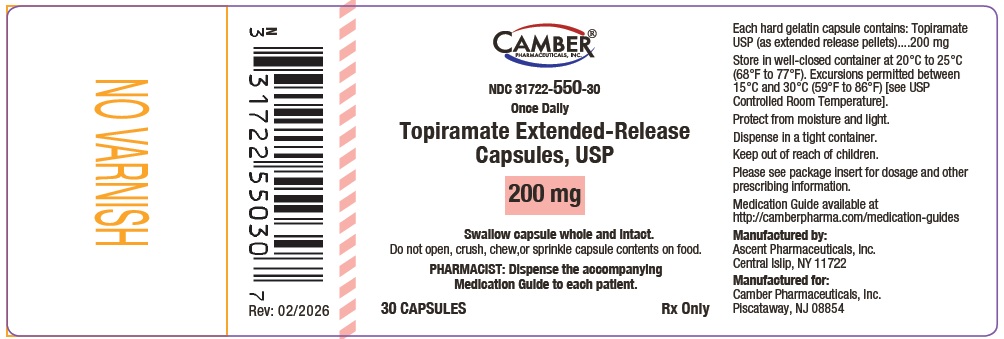
FDA Label Image

200 (200 mg)

200 (200 mg)
This text provides information about Topiramate Extended-Release Capsules, USP 200 mg. It includes instructions to swallow the capsule whole and intact, without opening, crushing, chewing, or sprinkling its contents on food. The medication should be stored in a well-closed container at 20°C to 25°C and protected from moisture and light. It also mentions to dispense in a tight container and keep out of reach of children. The text provides guidance for pharmacists to dispense the Medication Guide to each patient and refers to the package insert for dosage and prescribing information. The medication is manufactured by Ascent Pharmaceuticals, Inc. for Camber Pharmaceuticals, Inc.*
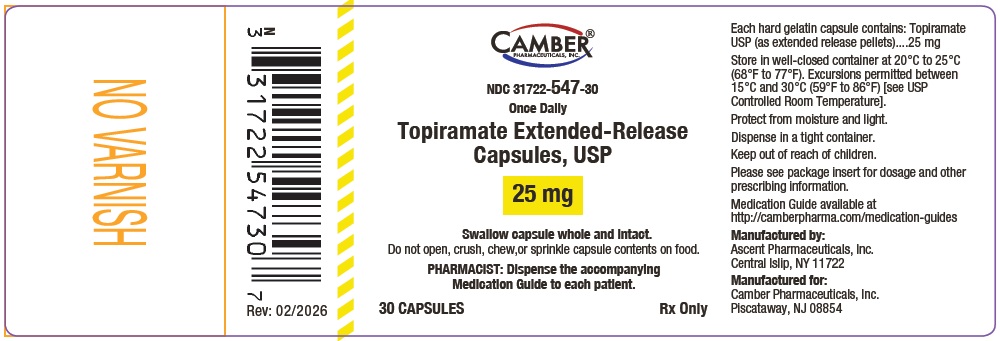
FDA Label Image

25 (25 mg)

25 (25 mg)
This is information about Topiramate Extended-Release Capsules, USP 25mg. The medication should be swallowed whole and intact, not opened, crushed, chewed, or sprinkled on food. It should be stored in a well-closed container at 20°C to 25°C (68°F to 77°F) with excursions permitted between 15°C and 30°C (59°F to 86°F). The medication should be protected from moisture and light, dispensed in a tight container, and kept out of reach of children. Additional dosage and prescribing information can be found in the package insert. Topiramate, as extended-release pellets, is the active ingredient in each hard gelatin capsule. This medication guide is available at http://camberpharma.com/medication-guides.*
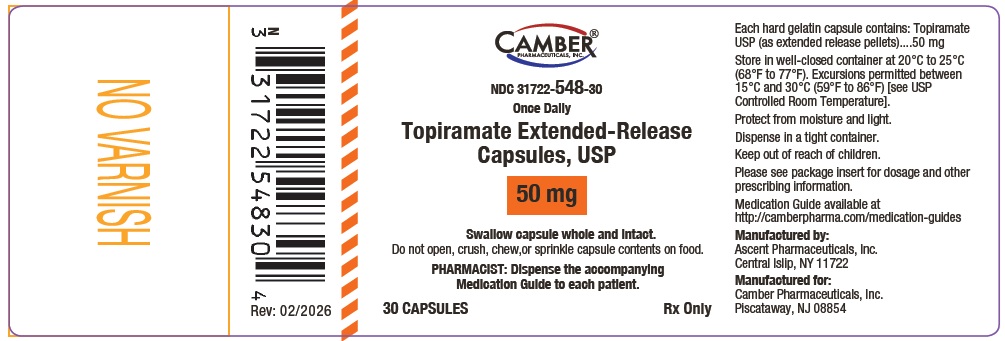
FDA Label Image

50 (50 mg)

50 (50 mg)
This is a description for Topiramate Extended-Release Capsules, USP, indicated for once daily use. The instructions advise swallowing the capsule whole and intact, cautioning against opening, crushing, chewing, or sprinkling the contents on food. The medication guide should be dispensed to each patient by the pharmacist. The capsules should be stored in a well-closed container at 20°C to 25°C (68°F to 77°F) with excursions permitted between 15°C and 30°C (59°F to 86°F). It is important to protect the capsules from moisture and light and to keep them out of reach of children. The manufacturer is Ascent Pharmaceuticals, Inc., and the medication is manufactured for Camber Pharmaceuticals, Inc., with a link provided for the medication guide.*
FDA Label Image

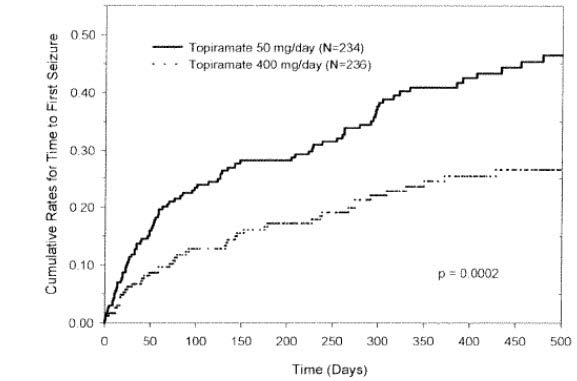
Figure 1 (Figure 1)

Figure 1 (Figure 1)
This information provides cumulative rates for time to the first seizure based on the dosage of topiramate. The data includes two dosages: 50 mg/day and 400 mg/day, with a total of 235 participants. The graph displays the cumulative rates over time, up to 250 days.*
FDA Label Image

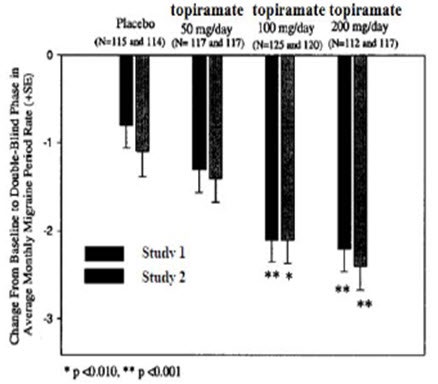
Figure 2 (Figure 2)

FDA Label Image

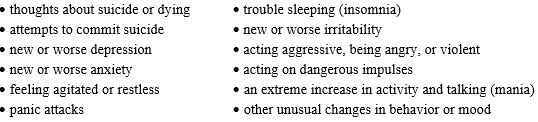
Mg1 (Mg1)

Mg1 (Mg1)
This text appears to be a list of symptoms and signs related to mental health and potential warning signs for suicidal behavior. It includes thoughts about suicide or dying, attempts to commit suicide, new or worse depression and anxiety, feelings of agitation or restlessness, panic attacks, trouble sleeping (insomnia), irritability, aggression, anger, violence, acting on dangerous impulses, extreme increase in activity and talking (mania), and other unusual changes in behavior or mood. This information highlights the importance of recognizing these signs and seeking help if you or someone you know are experiencing them.*
FDA Label Image

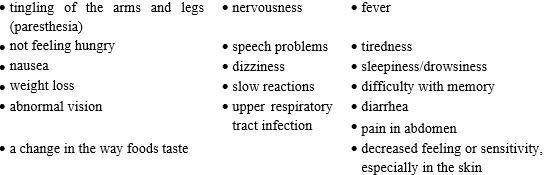
Mg2 (Mg2)

Mg2 (Mg2)
This text lists various symptoms which may include tingling of the arms and legs, not feeling hungry, nausea, weight loss, abnormal vision, change in taste perception, nervousness, speech problems, dizziness, slow reactions, upper respiratory tract infection, fever, tiredness, sleepiness, difficulty with memory, diarrhea, pain in abdomen, decreased feeling or sensitivity especially in the shin. These symptoms could indicate a medical condition or side effects of a medication.*
FDA Label Image

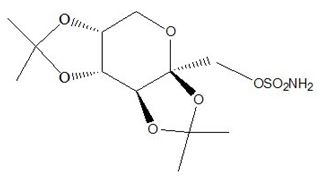
Structural Formula (Structural Formula)

FDA Label Image

Table 1 (Table 1)

Table 1 (Table 1)
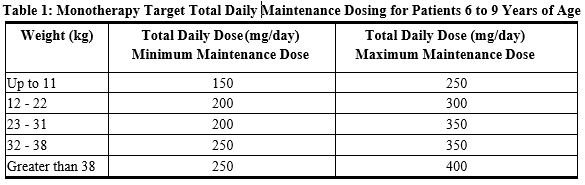
This text provides a table with the recommended total daily maintenance dosing of a monotherapy drug for patients aged 6 to 9 years. It lists the weight range in kilograms and the corresponding minimum and maximum daily dose in milligrams for each weight category. The dosage information can be used for accurate prescription and administration of the medication for pediatric patients within this age group.*
FDA Label Image

Table 10 (Table 10)

Table 10 (Table 10)
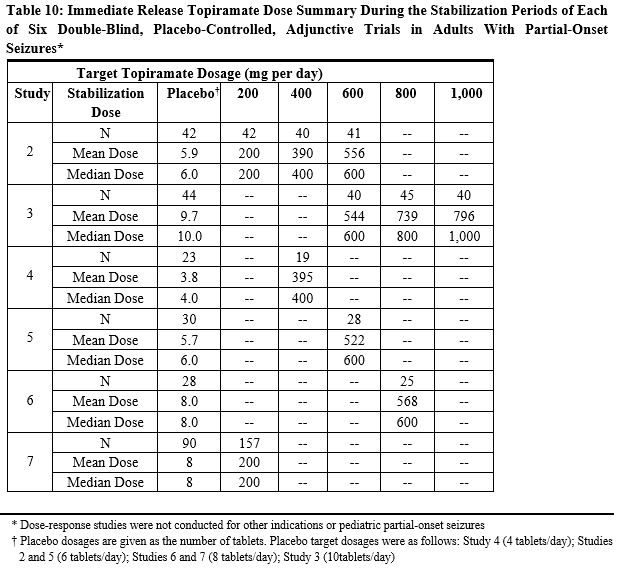
This text provides a summary of immediate release topiramate dosage during the stabilization periods of six double-blind, placebo-controlled trials in adults with partial-onset seizures. The table displays the target topiramate dosages ranging from 200 to 1000 mg per day, along with mean and median dosages for each study. The dosage information presented includes placebo dosages and the specific number of tablets given per day for each study. Also mentioned is the note that dose-response studies were not conducted for other indications or pediatric partial-onset seizures.*
FDA Label Image

Table 11.1 (Table 11.1)

Table 11.1 (Table 11.1)
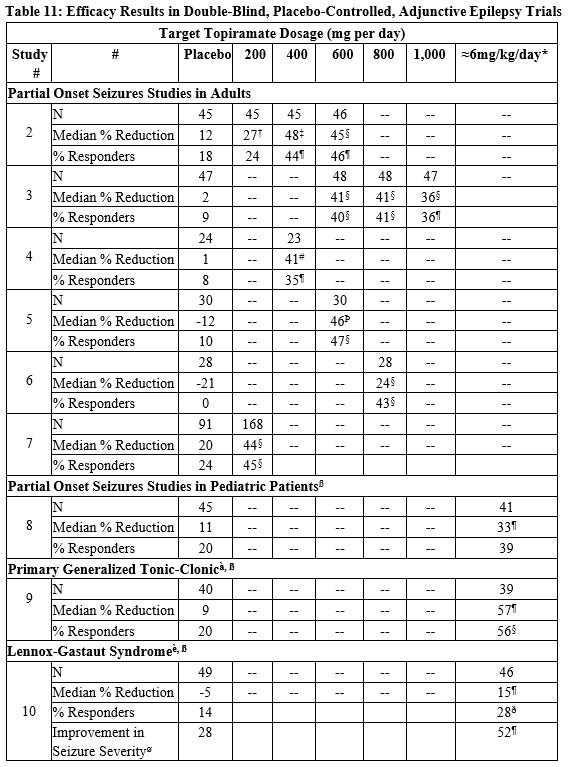
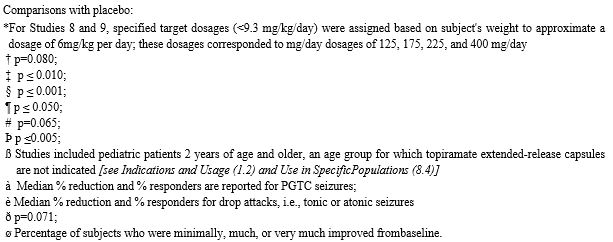
Table 11 provides efficacy results from double-blind, placebo-controlled, adjunctive epilepsy trials for Topiramate at various dosages. The table shows the median percentage reduction and percentage of responders for partial onset seizures studies in adults and pediatric patients, as well as primary generalized tonic-clonic seizures and Lennox Gastaut Syndrome. This data can be useful for understanding the effectiveness of Topiramate in treating different types of epilepsy.*
FDA Label Image

Table 11.2 (Table 11.2)

FDA Label Image

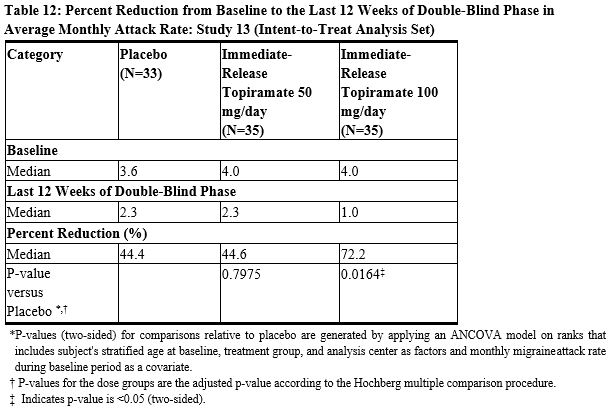
Table 12 (Table 12)

Table 12 (Table 12)
Average Monthly Attack Rate reduction from baseline to the last 12 weeks of the double-blind phase was evaluated in Study 13 for different doses of topiramate (50mg/day and 100mg/day) compared to placebo. The analysis set used for comparison was Intent-to-Treat. The reduction percentages, P-values (<0.05), and statistical methods applied in the study are detailed, including ANCOVA model and Hochberg multiple comparison procedure.*
FDA Label Image

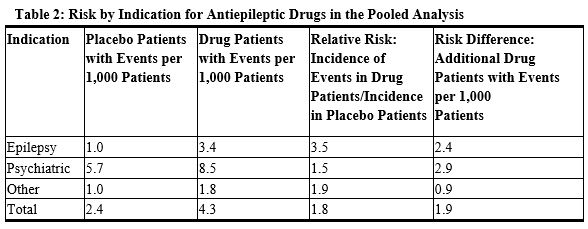
Table 2 (Table 2)

Table 2 (Table 2)
The text provides a table showing the risk by indication for Antiepileptic Drugs in a pooled analysis. The table includes data on placebo patients and drug patients with events per 1,000 patients. It covers indications such as epilepsy, psychiatric issues, and other conditions, detailing the incidence of events in both groups. The table indicates relative risk and risk differences for each indication.*
FDA Label Image

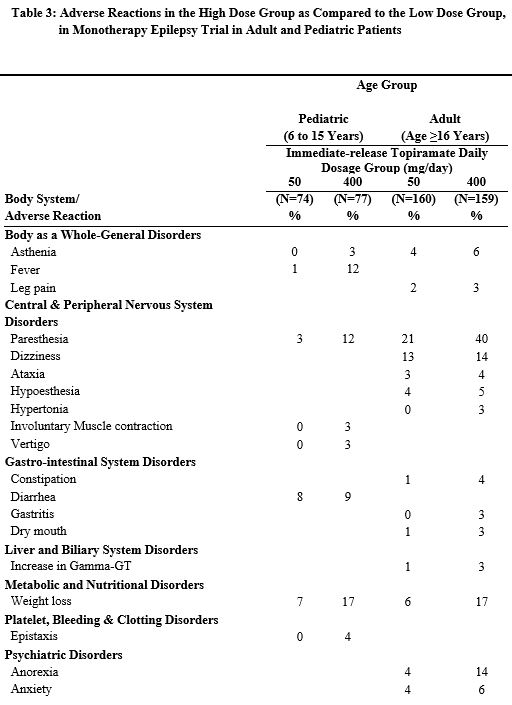
Table 3.1 (Table 3.1)

Table 3.1 (Table 3.1)
This text provides a comparison of adverse reactions in pediatric and adult patients in a monotherapy epilepsy trial between high and low dose groups of immediate-release topiramate. The table includes percentages of various adverse reactions such as asthenia, fever, leg pain, paresthesia, dizziness, constipation, weight loss, epistaxis, anorexia, and anxiety. It provides insights into the differences in adverse reactions based on age group and dosage levels in the study.*
FDA Label Image

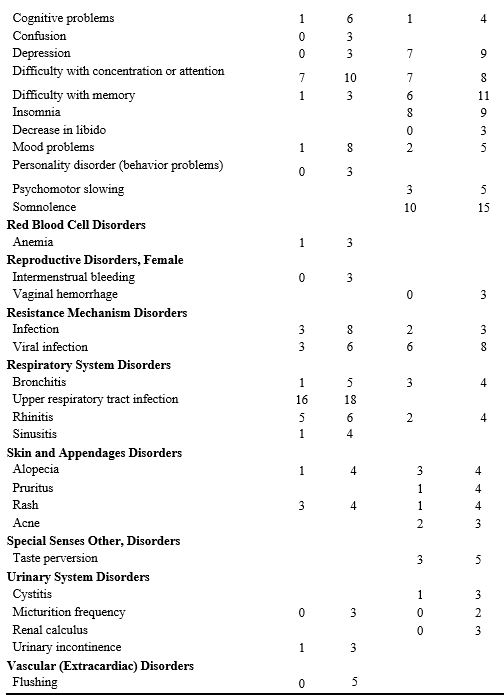
Table 3.2 (Table 3.2)

Table 3.2 (Table 3.2)
This text highlights various health issues that individuals may face, including cognitive problems like confusion and memory difficulties, sleep disturbances like insomnia, mood problems, personality disorders, and psychomotor slowing. It also mentions disorders related to the immune system, infections, respiratory system problems like bronchitis and sinusitis, skin issues like rash and acne, urinary system disorders, and vascular issues like flushing. Additionally, it touches on red blood cell disorders, reproductive disorders in females, and sensory disorders like taste perversion.*
FDA Label Image

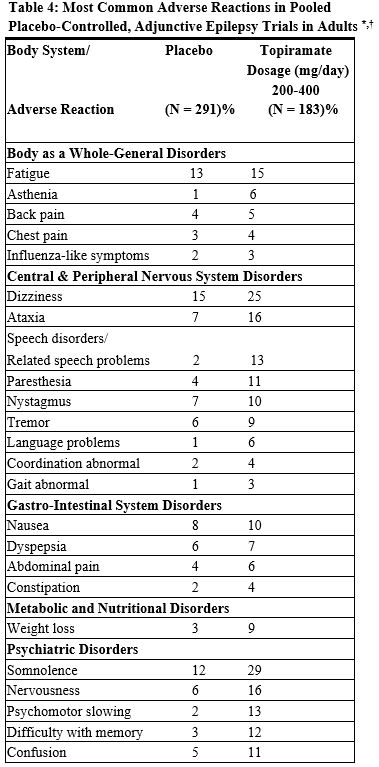
Table 4.1 (Table 4.1)

Table 4.1 (Table 4.1)
This is a table listing the most common adverse reactions observed in pooled placebo-controlled, adjunctive epilepsy trials in adults. The adverse reactions are categorized by body system and frequency, with corresponding percentages for placebo and topiramate dosage groups. Common reactions include fatigue, dizziness, ataxia, speech disorders, nausea, weight loss, somnolence, and confusion. Topiramate dosages ranged from 200-400 mg/day.*
FDA Label Image

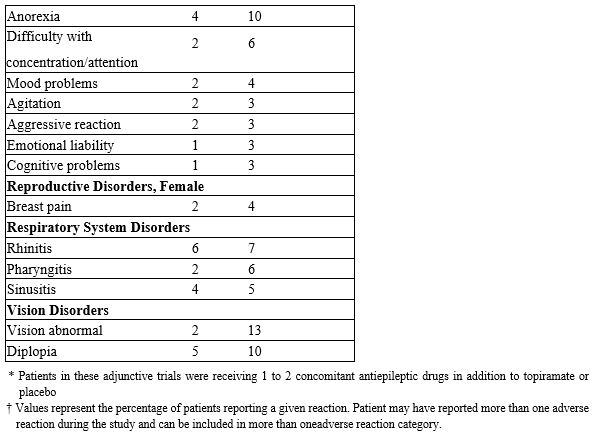
Table 4.2 (Table 4.2)

Table 4.2 (Table 4.2)
This text provides a list of various symptoms and disorders associated with Anorexia, concentration/attention difficulties, mood problems, agitation, aggressive reactions, emotional liability, cognitive problems, reproductive disorders in females, respiratory system disorders like rhinitis, pharyngitis, and sinusitis, vision disorders including abnormal vision and diptopia. The percentages of patients reporting these reactions are also mentioned. Additionally, it notes that patients in adjunctive trials were taking 1 to 2 antiepileptic drugs alongside topiramate or placebo. It also states that patients could report multiple adverse reactions and be included in more than one category.*
FDA Label Image

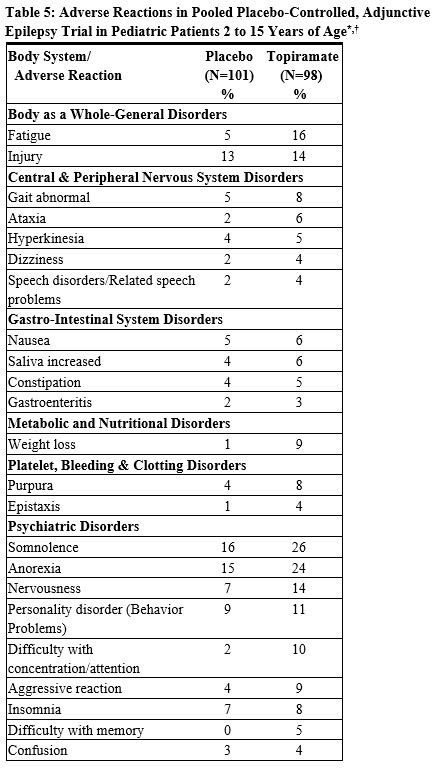
Table 5.1 (Table 5.1)

Table 5.1 (Table 5.1)
This text provides information on adverse reactions reported in a pooled placebo-controlled, adjunctive epilepsy trial in pediatric patients aged 2 to 15 years old. The table includes percentages of various adverse reactions such as fatigue, gait abnormalities, nausea, weight loss, somnolence, and more associated with the use of topiramate compared to a placebo. Data is categorized by body systems and specific disorders or symptoms. These details can be useful for healthcare professionals and researchers evaluating the safety and tolerability profile of topiramate in pediatric epilepsy patients.*
FDA Label Image

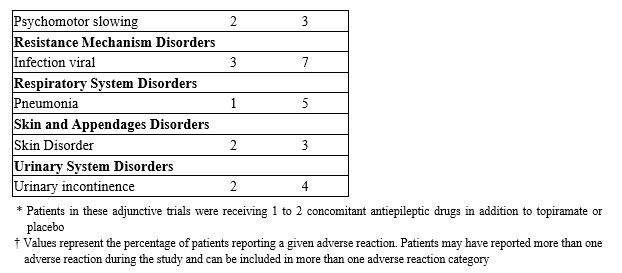
Table 5.2 (Table 5.2)

Table 5.2 (Table 5.2)
This information appears to be a summary of various disorders and reactions observed in patients undergoing a clinical study. The data includes details on psychomotor slowing, respiratory system disorders like pneumonia, skin disorders, and urinary system disorders such as urinary incontinence. It also mentions the presence of resistance mechanism disorders and viral infections. The study involved patients taking topiramate or a placebo along with 1-2 other antiepileptic drugs. The values represent the percentage of patients reporting specific adverse reactions, noting that patients could report multiple reactions.*
FDA Label Image

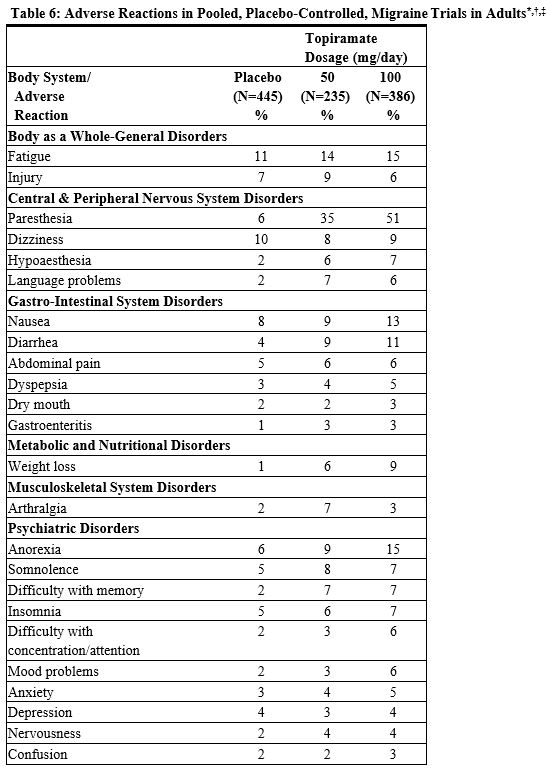
Table 6.1 (Table 6.1)

Table 6.1 (Table 6.1)
This is a list of adverse reactions reported in pooled, placebo-controlled migraine trials in adults for Topiramate at different dosages (50mg/day and 100mg/day). The reactions are categorized by body system and include symptoms such as fatigue, paresthesia, dizziness, nausea, diarrhea, abdominal pain, weight loss, arthralgia, anorexia, memory difficulties, insomnia, and mood problems. The percentages indicate the frequency of each adverse reaction reported in the trials.*
FDA Label Image

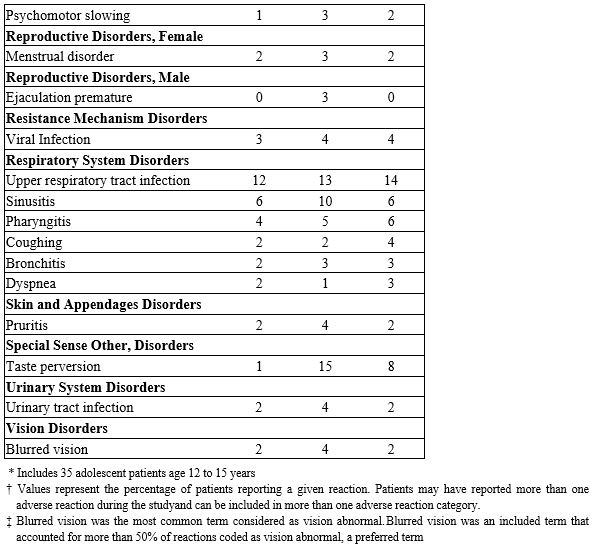
Table 6.2 (Table 6.2)

Table 6.2 (Table 6.2)
This text provides a summary of adverse reactions reported in patients undergoing a study. It includes information on various disorders and symptoms such as psychomotor slowing, reproductive disorders, viral infections, respiratory issues like sinusitis and bronchitis, skin disorders like pruritus, taste perversion, urinary tract infections, vision problems like blurred vision, and more. It also notes that blurred vision was the most common vision abnormality reported by patients. The values presented are percentages of patients experiencing each reaction. The data includes adolescent patients aged 12 to 15 years.*
FDA Label Image

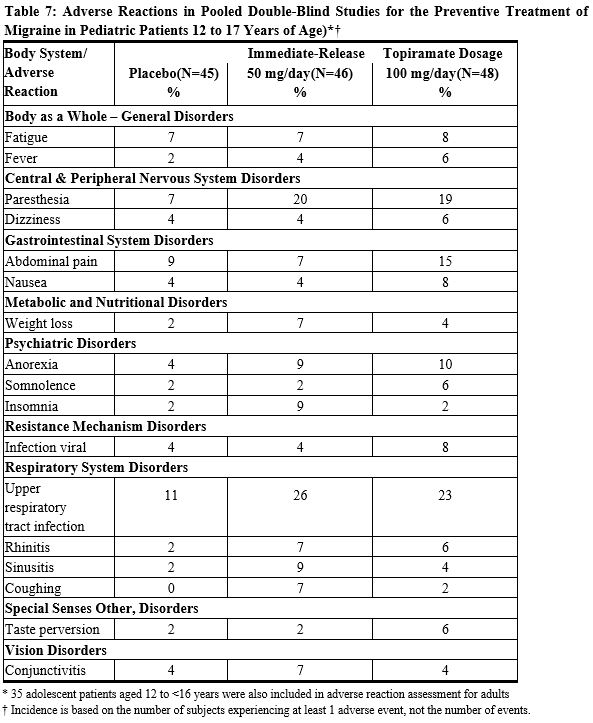
Table 7 (Table 7)

Table 7 (Table 7)
This text provides a detailed breakdown of adverse reactions observed in pooled double-blind studies for the preventive treatment of migraines in pediatric patients aged 12 to 17 years. The table lists various adverse reactions categorized by body systems and includes the percentage of occurrence for each reaction at different dosages of topiramate. Adverse reactions span different areas such as general disorders, nervous system disorders, gastrointestinal issues, metabolic disorders, psychiatric disorders, respiratory system problems, and special senses disorders. The data is based on the number of subjects experiencing at least one adverse event.*
FDA Label Image

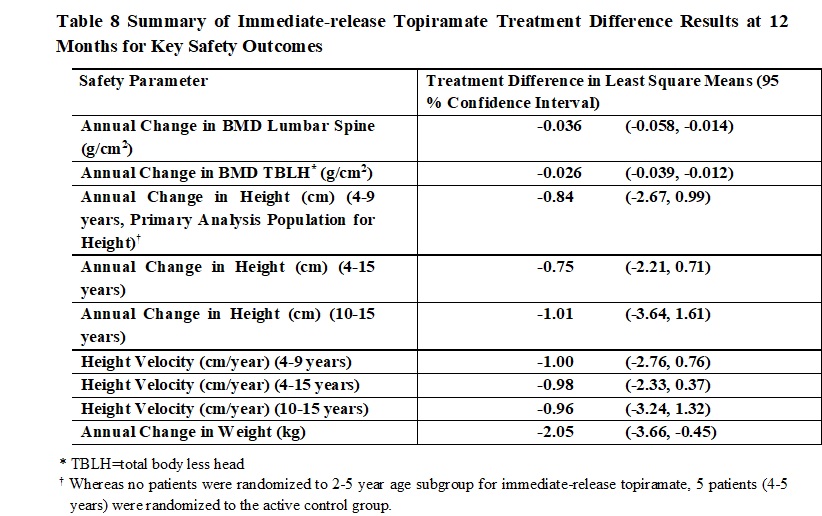
Table 8 (Table 8)

Table 8 (Table 8)
This excerpt provides a summary of immediate-release Topiramate treatment difference results at 12 months for key safety outcomes. It includes information on annual changes in bone mineral density (BMD), height, height velocity, and weight, with treatment differences in least square means and their confidence intervals. The data pertains to different age groups and provides insights into the effects of the medication on these safety parameters over time. Additionally, it mentions the total body less head (TBLH) measurement and the randomization of patients to the active control group in particular age subgroups.*
FDA Label Image

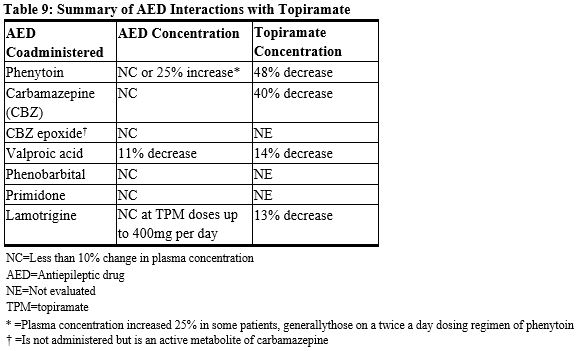
Table 9 (Table 9)

Table 9 (Table 9)
This text provides a summary of the interactions between different antiepileptic drugs (AEDs) and Topiramate. It includes information on how the concentration of Topiramate is affected when coadministered with other AEDs such as Phenytoin, Carbamazepine, Valproic acid, Phenobarbital, Primidone, and Lamotrigine. The table also explains abbreviations like NC (Less than 10% change in plasma concentration), NE (Not evaluated), TPM (topiramate), and provides additional notes on specific drugs interactions.*

* These product label images have been analyzed using experimental machine learning. Please verify findings with the primary label text.