Buprenorphine Patch, Extended Release
Product Images NDC 3215-1523

View Photos of Packaging, Regulatory Labels, and Product Appearance

Product Visual Gallery

This gallery contains 26 technical images submitted to the FDA as part of the official labeling for Buprenorphine (NDC 3215-1523). Unlike standard consumer photos, these assets often include clinical data figures, molecular chemical structures, and official manufacturer packaging layouts.

As provided by Aveva Drug Delivery Systems Inc., these visuals offer a comprehensive scientific overview of the product's physical and chemical identity, aiding pharmacists and researchers in product verification and study.

FDA Label Image

Fig1 (Fig1 Slc 0054)
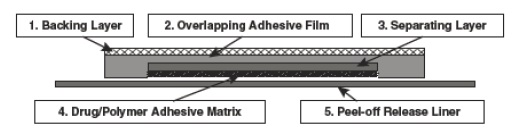
Fig1 (Fig1 Slc 0054)
Illustration diagram showing the layered structure of a Buprenorphine transdermal patch. The layers labeled include the backing layer, overlapping adhesive film, separating layer, drug/polymer adhesive matrix, and peel-off release liner, depicting the patch's design components.*
FDA Label Image

Fig2 (Fig2 Slc 0054)

Fig2 (Fig2 Slc 0054)
A line graph showing the concentration of Buprenorphine in pg/mL plotted over 26 days at a dosage of 10 mcg/hour applied every 7 days for three cycles. Concentration peaks occur within each 7-day period, followed by drops corresponding with patch removal, indicated by a labeled vertical line at day 21. Error bars represent variability in concentration.*
FDA Label Image

Fig3 (Fig3 Slc 0054)

Fig3 (Fig3 Slc 0054)
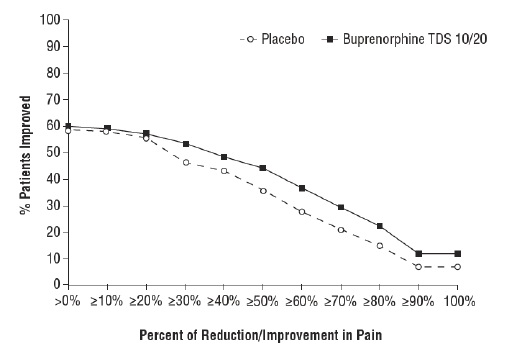
Line graph comparing Percent of Patients Improved against Percent of Reduction/Improvement in Pain for Buprenorphine TDS 10/20 and Placebo. The graph shows higher patient improvement percentages with Buprenorphine TDS 10/20 across various levels of pain reduction compared to placebo.*
FDA Label Image

Fig4 (Fig4 Slc 0054)

Fig4 (Fig4 Slc 0054)
A line graph depicting the percentage of patients improved versus the percent of reduction or improvement in pain for Buprenorphine transdermal patches at 5 ug/h and 20 ug/h strengths. The graph shows two lines, one for each strength, illustrating patient response rates across varying pain improvement levels.*
FDA Label Image

Image Description (Figa Slc 0054)

Image Description (Figa Slc 0054)
An instructional illustration showing five views of a person wearing a transdermal patch on the upper body: left side, front, back, and right side with arm raised. The patch is shown applied to the upper arm and upper torso area, demonstrating possible placement locations for the Buprenorphine extended-release transdermal patch.*
FDA Label Image

Image Description (Figb Slc 0054)

Image Description (Figb Slc 0054)
Illustration showing a back view of a person with two transdermal patches applied on the upper left shoulder area. The image likely demonstrates the placement or application site for buprenorphine extended release transdermal patches.*
FDA Label Image

Image Description (Figc Slc 0054)

Image Description (Figc Slc 0054)
An instructional illustration labeled 'Figure C' showing a person applying or handling a transdermal patch on the upper chest area. The diagram highlights the proper placement region on the chest for the buprenorphine extended-release patch.*
FDA Label Image

Image Description (Figd Slc 0054)

Image Description (Figd Slc 0054)
An instructional illustration labeled Figure D, showing hands cutting a transdermal patch with scissors, demonstrating partial cutting of the patch for dosing or application purposes.*
FDA Label Image

Image Description (Fige Slc 0054)

Image Description (Fige Slc 0054)
An instructional diagram labeled 'Figure E' showing the packaging of a Buprenorphine transdermal patch. The diagram points out the patch itself, the foil backing, and a foil handle used for peeling the patch from the backing.*
FDA Label Image

Image Description (Figf Slc 0054)

Image Description (Figf Slc 0054)
An instructional illustration showing two hands peeling the backing off a transdermal patch, likely demonstrating how to properly remove the protective layer before applying the Buprenorphine extended-release patch.*
FDA Label Image

Image Description (Figg Slc 0054)

Image Description (Figg Slc 0054)
Illustration of a person applying a transdermal Buprenorphine patch to the chest area, demonstrating the correct placement for the extended-release patch delivery system.*
FDA Label Image

Image Description (Figh Slc 0054)

Image Description (Figh Slc 0054)
An instructional illustration showing a person applying a Buprenorphine transdermal patch to the chest area. The figure is labeled as Figure H and focuses on the correct placement of the extended-release patch on the skin.*
FDA Label Image

Image Description (Figi Slc 0054)

Image Description (Figi Slc 0054)
Illustration showing a person applying a Buprenorphine transdermal patch to the upper chest area. The figure demonstrates correct placement consistent with patch administration instructions.*
FDA Label Image

Image Description (Figj Slc 0054)

Image Description (Figj Slc 0054)
An instructional illustration labeled as Figure J showing hands peeling off the adhesive backing of a transdermal patch. The patch appears rectangular with an adhesive strip being removed as part of the application process.*
FDA Label Image

Image Description (Figk Slc 0054)

Image Description (Figk Slc 0054)
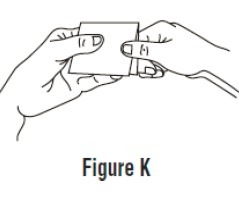
Illustration labeled Figure K showing two hands performing an action, likely demonstrating the removal or application of a rectangular patch, relevant to transdermal drug delivery.*
FDA Label Image

Image Description (Figl Slc 0054)

Image Description (Figl Slc 0054)
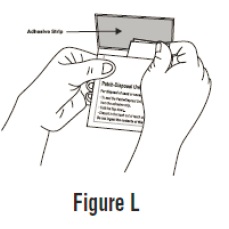
An instructional diagram showing hands opening a pouch to remove a Buprenorphine transdermal patch. The image is labeled 'Figure L' and illustrates the step of peeling back the adhesive side of the patch before application.*
FDA Label Image

Image Description (Figm Slc 0054)

Image Description (Figm Slc 0054)
An instructional illustration labeled Figure M showing hands peeling back the protective liner of a transdermal patch packaging, demonstrating proper opening of the patch package for application.*
FDA Label Image

Image Description (Fign Slc 0054)

Image Description (Fign Slc 0054)
An instructional illustration labeled 'Figure N' showing a hand disposing of a used item into a trash bin with a lid. The image depicts proper disposal procedure, likely related to a transdermal patch product.*
FDA Label Image

Image Description (Figo Slc 0054)

Image Description (Figo Slc 0054)
An instructional line drawing showing a hand holding a small square patch near an open toilet bowl, illustrating disposal instructions for a transdermal patch.*
FDA Label Image

Carton-7.5mcg (Image002)

Carton-7.5mcg (Image002)
Packaging label for Buprenorphine Transdermal System 7.5 mcg/hour extended-release patch by Aveva Drug Delivery Systems Inc. The carton includes 4 transdermal systems and 4 disposal units. It is for use in opioid-experienced patients only and provides system delivery of 7.5 mcg per hour for seven days. The label includes warnings and directions for safe use.*
FDA Label Image

Carton-10mcg (Image003)

Carton-10mcg (Image003)
Box packaging label for Buprenorphine Transdermal System 10 mcg/hour patch by Aveva Drug Delivery Systems Inc. The label states it contains 4 transdermal systems in one package including 4 disposal units. It highlights the systemic delivery rate and cautions for opioid-experienced patients. The packaging includes space for affixing a pharmacy label.*
FDA Label Image

Carton-5mcg (Image01)

Carton-5mcg (Image01)
Packaging label for Buprenorphine Transdermal System 5 mcg/hour patch by Aveva Drug Delivery Systems Inc. The carton indicates a package containing 4 transdermal systems and 4 disposal units. Label includes dosage strength, instructions for systemic delivery over seven days, and disposal information.*
FDA Label Image

Carton-15mcg (Image04)

Carton-15mcg (Image04)
The image shows the carton packaging for Buprenorphine Transdermal System 15 mcg/hour, a patch extended release dosage form for transdermal use. The label indicates the package contains 4 transdermal systems and 4 disposal units. It is labeled by Aveva Drug Delivery Systems Inc. and includes warnings about proper use and disposal.*
FDA Label Image

Carton-20mcg (Image05)

Carton-20mcg (Image05)
Buprenorphine Transdermal System 20 mcg/hour extended-release patch packaging label. The label indicates systemic delivery of 20 mcg per hour of buprenorphine via transdermal patch with a package containing 4 transdermal systems and 4 disposal units. It includes warnings about proper use and disposal, the labeler Aveva Drug Delivery Systems Inc., and space for affixing the pharmacy label.*
FDA Label Image

Structure (Structure Slc 0054)

Structure (Structure Slc 0054)
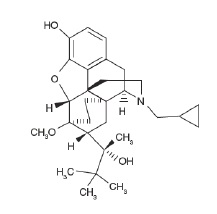
Chemical structure of Buprenorphine as depicted in the image, showing its molecular arrangement with rings, hydroxyl groups, and other components typical of this active pharmaceutical ingredient.*
FDA Label Image

Image Description (Table1 Slc 0054)

Image Description (Table1 Slc 0054)
A dosing recommendation diagram relating previous opioid analgesic daily dose (oral morphine equivalent) to the starting dose of buprenorphine transdermal system. It shows two categories: less than 30 mg daily dose corresponds to a 5 mcg/hour starting dose, and 30-80 mg corresponds to a 10 mcg/hour starting dose.*

* About these descriptions: Image descriptions on this page are generated by automated AI analysis of the product label images from the manufacturer's FDA label submission (SPL). They are provided for reference only and may contain errors or omissions. Always rely on the printed label itself and the official FDA labeling, and consult a pharmacist or healthcare professional with any questions about this product.