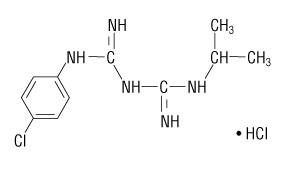
Because atovaquone and proguanil hydrochloride contains atovaquone and proguanil hydrochloride, the type and severity of adverse reactions associated with each of the compounds may be expected. The higher treatment doses of atovaquone and proguanil hydrochloride were less well tolerated than the lower prophylactic doses.
Among adults who received atovaquone and proguanil hydrochloride for treatment of malaria, attributable adverse experiences that occurred in ≥5% of patients were abdominal pain (17%), nausea (12%), vomiting (12%), headache (10%), diarrhea (8%), asthenia (8%), anorexia (5%), and dizziness (5%). Treatment was discontinued prematurely due to an adverse experience in 4 of 436 adults treated with atovaquone and proguanil hydrochloride.
Among pediatric patients (weighing 11 to 40 kg) who received atovaquone and proguanil hydrochloride for the treatment of malaria, attributable adverse experiences that occurred in ≥5% of patients were vomiting (10%) and pruritus (6%). Vomiting occurred in 43 of 319 (13%) pediatric patients who did not have symptomatic malaria but were given treatment doses of atovaquone and proguanil hydrochloride for 3 days in a clinical trial. The design of this clinical trial required that any patient who vomited be withdrawn from the trial. Among pediatric patients with symptomatic malaria treated with atovaquone and proguanil hydrochloride, treatment was discontinued prematurely due to an adverse experience in 1 of 116 (0.9%).
In a study of 100 pediatric patients (5 to <11 kg body weight) who received atovaquone and proguanil hydrochloride for the treatment of uncomplicated P. falciparum malaria, only diarrhea (6%) occurred in ≥5% of patients as an adverse experience attributable to atovaquone and proguanil hydrochloride. In 3 patients (3%), treatment was discontinued prematurely due to an adverse experience.
Abnormalities in laboratory tests reported in clinical trials were limited to elevations of transaminases in malaria patients being treated with atovaquone and proguanil hydrochloride. The frequency of these abnormalities varied substantially across studies of treatment and were not observed in the randomized portions of the prophylaxis trials.
In one phase III trial of malaria treatment in Thai adults, early elevations of ALT and AST were observed to occur more frequently in patients treated with atovaquone and proguanil hydrochloride compared to patients treated with an active control drug. Rates for patients who had normal baseline levels of these clinical laboratory parameters were: Day 7: ALT 26.7% vs. 15.6%; AST 16.9% vs. 8.6%. By day 14 of this 28-day study, the frequency of transaminase elevations equalized across the 2 groups.
In this and other studies in which transaminase elevations occurred, they were noted to persist for up to 4 weeks following treatment with atovaquone and proguanil hydrochloride for malaria. None were associated with untoward clinical events.
Among subjects who received atovaquone and proguanil hydrochloride for prophylaxis of malaria in placebo-controlled trials, adverse experiences occurred in similar proportions of subjects receiving atovaquone and proguanil hydrochloride or placebo (Table 3). The most commonly reported adverse experiences possibly attributable to atovaquone and proguanil hydrochloride or placebo were headache and abdominal pain. Prophylaxis with atovaquone and proguanil hydrochloride was discontinued prematurely due to a treatment-related adverse experience in 3 of 381 adults and 0 of 125 pediatric patients.
Table 3. Adverse Experiences in Placebo-Controlled Clinical Trials of Atovaquone and Proguanil hydrochloride for Prophylaxis of Malaria | | Percent of Subjects With Adverse Experiences (Percent of Subjects With Adverse Experiences Attributable to Therapy) |
| Adverse Experience | Adults | Children and Adolescents |
| Placebo n=206 | Atovaquone and Proguanil hydrochloride n=206 | Atovaquone and Proguanil hydrochloride n=381 | Placebo n=140 | Atovaquone and Proguanil hydrochloride n=125 |
| Headache | 27 (7) | 22 (3) | 17 (5) | 21 (14) | 19 (14) |
| Fever | 13 (1) | 5 (0) | 3 (0) | 11 (<1) | 6 (0) |
| Myalgia | 11 (0) | 12 (0) | 7 (0) | 0 (0) | 0 (0) |
| Abdominal pain | 10 (5) | 9 (4) | 6 (3) | 29 (29) | 33 (31) |
| Cough | 8 (<1) | 6 (<1) | 4 (1) | 9 (0) | 9 (0) |
| Diarrhea | 8 (3) | 6 (2) | 4 (1) | 3 (1) | 2 (0) |
| Upper respiratory infection | 7 (0) | 8 (0) | 5 (0) | 0 (0) | <1 (0) |
| Dyspepsia | 5 (4) | 3 (2) | 2 (1) | 0 (0) | 0 (0) |
| Back pain | 4 (0) | 8 (0) | 4 (0) | 0 (0) | 0 (0) |
| Gastritis | 3 (2) | 3 (3) | 2 (2) | 0 (0) | 0 (0) |
| Vomiting | 2 (<1) | 1 (<1) | <1 (<1) | 6 (6) | 7 (7) |
| Flu syndrome | 1 (0) | 2 (0) | 4 (0) | 6 (0) | 9 (0) |
| Any adverse experience | 65 (32) | 54 (17) | 49 (17) | 62 (41) | 60 (42) |
In an additional placebo-controlled study of malaria prophylaxis with atovaquone and proguanil hydrochloride involving 330 pediatric patients in a malaria-endemic area (see CLINICAL STUDIES), the safety profile of atovaquone and proguanil hydrochloride was consistent with that described above. The most common treatment-emergent adverse events with atovaquone and proguanil hydrochloride were abdominal pain (13%), headache (13%), and cough (10%). Abdominal pain (13% vs. 8%) and vomiting (5% vs. 3%) were reported more often with atovaquone and proguanil hydrochloride than with placebo, while fever (5% vs. 12%) and diarrhea (1% vs. 5%) were more common with placebo. No patient withdrew from the study due to an adverse experience with atovaquone and proguanil hydrochloride. No routine laboratory data were obtained during this study.
Among subjects who received atovaquone and proguanil hydrochloride for prophylaxis of malaria in clinical trials with an active comparator, adverse experiences occurred in a similar or lower proportion of subjects receiving atovaquone and proguanil hydrochloride than an active comparator (Table 4). The mean durations of dosing and the periods for which the adverse experiences are summarized in Table 4, were 28 days (Study 1) and 26 days (Study 2) for atovaquone and proguanil hydrochloride, 53 days for mefloquine, and 49 days for chloroquine plus proguanil (reflecting the different recommended dosing regimens). Fewer neuropsychiatric adverse experiences occurred in subjects who received atovaquone and proguanil hydrochloride than mefloquine. Fewer gastrointestinal adverse experiences occurred in subjects receiving atovaquone and proguanil hydrochloride than chloroquine/proguanil. Compared with active comparator drugs, subjects receiving atovaquone and proguanil hydrochloride had fewer adverse experiences overall that were attributed to prophylactic therapy (Table 4). Prophylaxis with atovaquone and proguanil hydrochloride was discontinued prematurely due to a treatment-related adverse experience in 7 of 1,004 travelers.
Table 4. Adverse Experiences in Active-Controlled Clinical Trials of Atovaquone and Proguanil hydrochloride for Prophylaxis of Malaria | * Adverse experiences that started while receiving active study drug. |
| | Percent of Subjects With Adverse Experiences (Percent of Subjects With Adverse Experiences Attributable to Therapy) |
| Study 1 | Study 2 |
| Adverse Experience | Atovaquone and Proguanil hydrochloride n=493 | Mefloquine n=483 | Atovaquone and Proguanil hydrochloride n=511 | Chloroquine Plus Proguanil n=511 |
| Diarrhea | 38 (8) | 36 (7) | 34 (5) | 39 (7) |
| Nausea | 14 (3) | 20 (8) | 11 (2) | 18 (7) |
| Abdominal pain | 17 (5) | 16 (5) | 14 (3) | 22 (6) |
| Headache | 12 (4) | 17 (7) | 12 (4) | 14 (4) |
| Dreams | 7 (7) | 16 (14) | 6 (4) | 7 (3) |
| Insomnia | 5 (3) | 16 (13) | 4 (2) | 5 (2) |
| Fever | 9 (<1) | 11 (1) | 8 (<1) | 8 (<1) |
| Dizziness | 5 (2) | 14 (9) | 7 (3) | 8 (4) |
| Vomiting | 8 (1) | 10 (2) | 8 (0) | 14 (2) |
| Oral ulcers | 9 (6) | 6 (4) | 5 (4) | 7 (5) |
| Pruritus | 4 (2) | 5 (2) | 3 (1) | 2 (<1) |
| Visual difficulties | 2 (2) | 5 (3) | 3 (2) | 3 (2) |
| Depression | <1 (<1) | 5 (4) | <1 (<1) | 1 (<1) |
| Anxiety | 1 (<1) | 5 (4) | <1 (<1) | 1 (<1) |
| Any adverse experience | 64 (30) | 69 (42) | 58 (22) | 66 (28) |
| Any neuropsychiatric event | 20 (14) | 37 (29) | 16 (10) | 20 (10) |
| Any GI event | 49 (16) | 50 (19) | 43 (12) | 54 (20) |
In a third active-controlled study, atovaquone and proguanil hydrochloride (n = 110) was compared with chloroquine/proguanil (n = 111) for the prophylaxis of malaria in 221 non-immune pediatric patients (see CLINICAL STUDIES). The mean duration of exposure was 23 days for atovaquone and proguanil hydrochloride, 46 days for chloroquine, and 43 days for proguanil, reflecting the different recommended dosage regimens for these products. Fewer patients treated with atovaquone and proguanil hydrochloride reported abdominal pain (2% vs. 7%) or nausea (<1% vs. 7%) than children who received chloroquine/proguanil. Oral ulceration (2% vs. 2%), vivid dreams (2% vs. <1%), and blurred vision (0% vs. 2%) occurred in similar proportions of patients receiving either atovaquone and proguanil hydrochloride or chloroquine/proguanil, respectively. Two patients discontinued prophylaxis with chloroquine/proguanil due to adverse events, while none of those receiving atovaquone and proguanil hydrochloride discontinued due to adverse events.