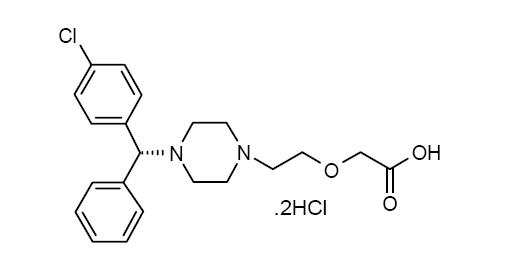
Levocetirizine Dihydrochloride Tablet, Film Coated
Product Images NDC 33342-200

View Photos of Packaging, Regulatory Labels, and Product Appearance

Product Visual Gallery

This gallery contains 3 technical images submitted to the FDA as part of the official labeling for Levocetirizine Dihydrochloride (NDC 33342-200). Unlike standard consumer photos, these assets often include clinical data figures, molecular chemical structures, and official manufacturer packaging layouts.

As provided by Macleods Pharmaceuticals Limited, these visuals offer a comprehensive scientific overview of the product's physical and chemical identity, aiding pharmacists and researchers in product verification and study.

FDA Label Image

Cont (Levocetirizine Bottle 5mg 30s)
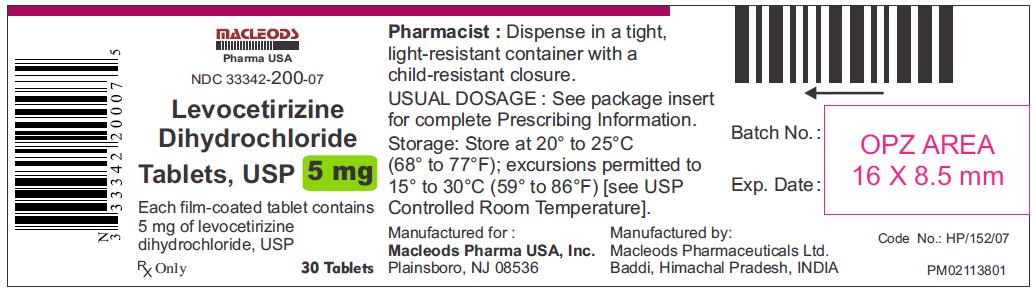
Cont (Levocetirizine Bottle 5mg 30s)
This is a prescription medication manufactured by Macleods Pharma USA. The medication contains 5mg levocetirizine dihydrochloride, USP and comes in a container with a child-resistant closure. It is advised to store this medication in a temperature of 20° to 25°C (68° to 77°F). The package insert should be consulted for usual dosage and complete prescribing information. The medication comes in a film-coated tablet form and is dispensed by a pharmacist. The text also includes information about the manufacturing company and batch information.*
FDA Label Image

Levo (Levocetirizine Bottle 5mg 90s)

Levo (Levocetirizine Bottle 5mg 90s)
This is a description of Levocetirizine dihydrochloride tablets, USP 5mg manufactured by Macleods Pharma USA, Inc. The tablets come in a light-resistant container with a child-resistant closure and should be stored at 20° to 25°C. The usual dosage information can be found in the package insert. Each tablet contains 5mg of levocetirizine dihydrochloride, USP. The pharmacist is advised to dispense the tablets in a tight, controlled room temperature area. The tablets have been manufactured in India. No more information is available.*
FDA Label Image

Str (Levocetirizine Structure)

* These product label images have been analyzed using experimental machine learning. Please verify findings with the primary label text.