Oxcarbazepine For Suspension
Product Images NDC 33342-259

View Photos of Packaging, Regulatory Labels, and Product Appearance

Product Visual Gallery

This gallery contains 12 technical images submitted to the FDA as part of the official labeling for Oxcarbazepine (NDC 33342-259). Unlike standard consumer photos, these assets often include clinical data figures, molecular chemical structures, and official manufacturer packaging layouts.

As provided by Macleods Pharmaceuticals Limited, these visuals offer a comprehensive scientific overview of the product's physical and chemical identity, aiding pharmacists and researchers in product verification and study.

FDA Label Image

Oxcarbazepine-carton-label.jpg (Oxcarbazepine Carton Label)
Oxcarbazepine-carton-label.jpg (Oxcarbazepine Carton Label)
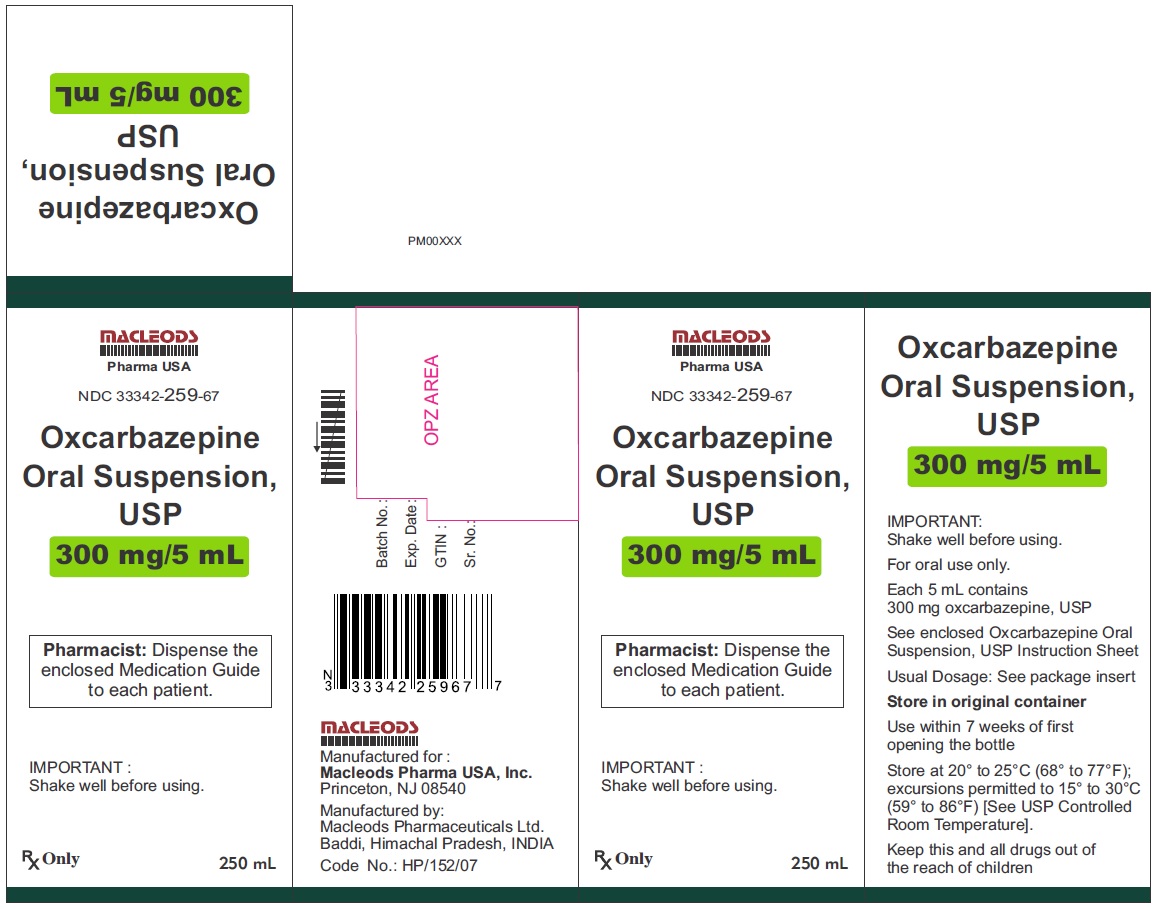
This text appears to be a label for Oxcarbazepine Oral Suspension, USP 300 mg/5 mL distributed by Pharma USA. It contains important information for pharmacists to dispense to patients, including instructions to shake well before use and details about storage requirements. The medication is intended for oral use, and each 5 mL contains 300 mg of oxcarbazepine, USP. Additionally, there are details about the manufacturer and batch number listed on the label.*
FDA Label Image

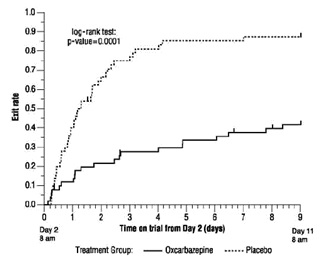
Oxcarbazepine-fig-1 (Oxcarbazepine Fig 1)

FDA Label Image

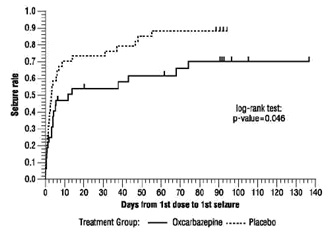
Oxcarbazepine-fig-2 (Oxcarbazepine Fig 2)

FDA Label Image

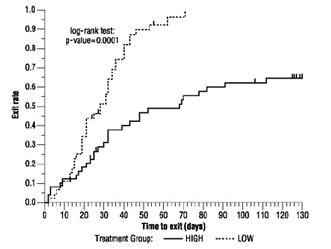
Oxcarbazepine-fig-3 (Oxcarbazepine Fig 3)

FDA Label Image

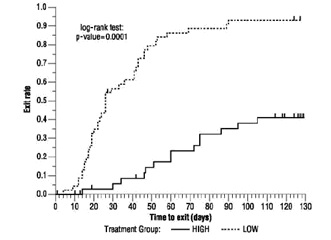
Oxcarbazepine-fig-4 (Oxcarbazepine Fig 4)

FDA Label Image

Oxcarbazepine-image1 (Oxcarbazepine Image1)

Oxcarbazepine-image1 (Oxcarbazepine Image1)
This is a product description for a child-resistant medicine bottle. It includes a plastic adapter that is inserted into the bottle neck upon first use to ensure proper closure. The bottle contains 250 mL of medicine and comes with a child-resistant cap that should always be replaced after use.*
FDA Label Image

Image 2 (Oxcarbazepine Image2)

Image 2 (Oxcarbazepine Image2)
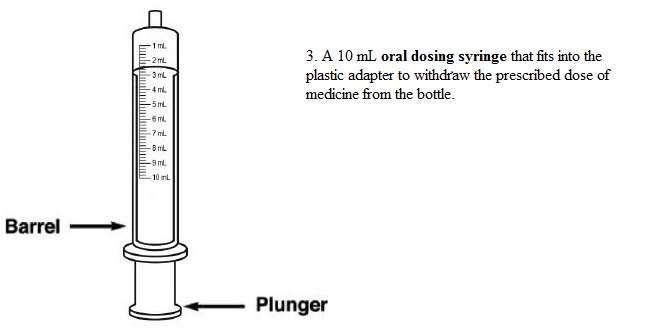
A 10 mL oral dosing syringe is included with a plastic adapter to withdraw the prescribed dose of medicine from the bottle. The syringe features a barrel, plunger, and a mechanism for accurate dosing.*
FDA Label Image

Oxcarbazepine-image3 (Oxcarbazepine Image3)

Oxcarbazepine-image3 (Oxcarbazepine Image3)
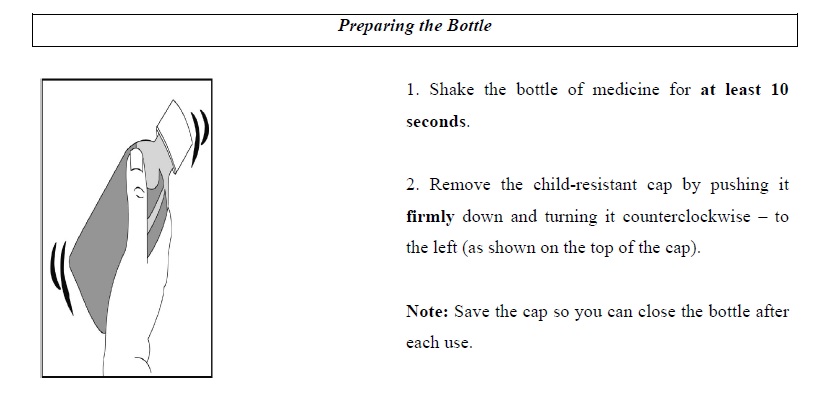
This text provides instructions on how to prepare a bottle of medicine for use. It includes steps such as shaking the bottle for at least 10 seconds and removing the child-resistant cap by pushing it down and turning it counterclockwise. It also highlights the importance of saving the cap for closing the bottle after each use.*
FDA Label Image

Oxcarbazepine-image4 (Oxcarbazepine Image4)

Oxcarbazepine-image4 (Oxcarbazepine Image4)
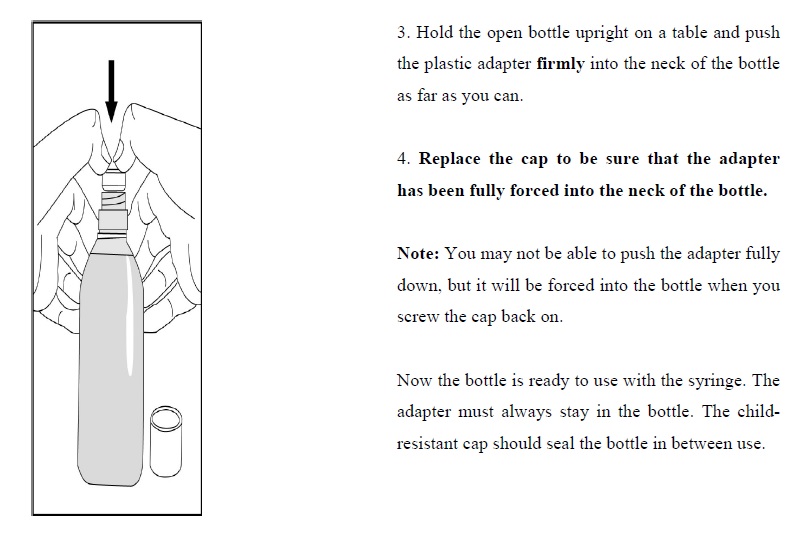
This text provides instructions for preparing a bottle with a plastic adapter for use with a syringe. The steps include pushing the adapter into the neck of the bottle, replacing the cap to ensure a secure fit, and keeping the adapter in place for use with the syringe. It emphasizes that the child-resistant cap should seal the bottle between uses.*
FDA Label Image

Image 5 (Oxcarbazepine Image5)

Image 5 (Oxcarbazepine Image5)
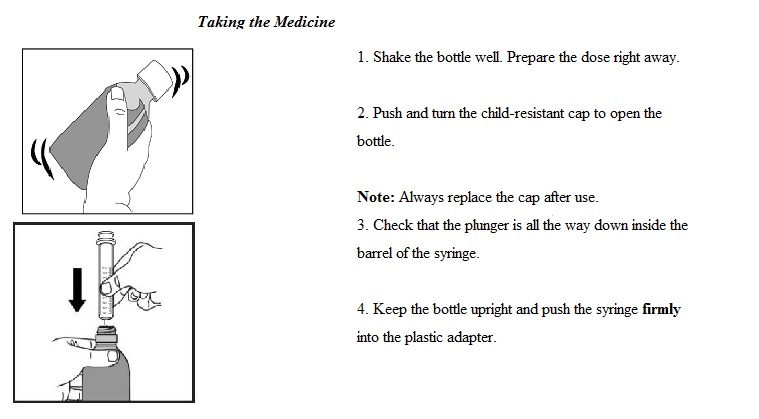
This text provides step-by-step instructions for administering medicine. It includes guidelines on shaking the bottle, preparing the dose, opening the child-resistant cap, checking the plunger in the syringe, and pushing the syringe into the plastic adapter. These instructions ensure proper administration of medicine.*
FDA Label Image

Image 6 (Oxcarbazepine Image6)

Image 6 (Oxcarbazepine Image6)
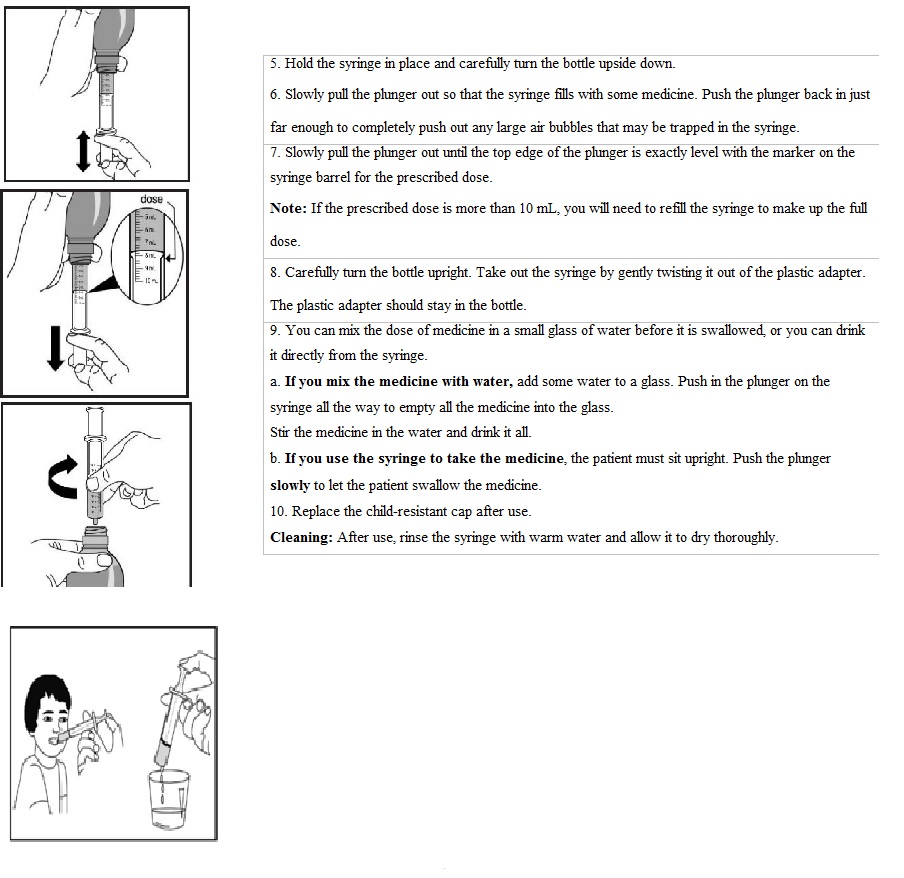
This is a step-by-step guide on how to use a syringe to administer medicine. It includes instructions on filling the syringe, ensuring the correct dosage, mixing the medicine with water if needed, and proper cleaning after use. Proper technique is emphasized, such as removing air bubbles before administration and positioning the plunger correctly. Following these instructions carefully will ensure safe and accurate administration of medication.*
FDA Label Image

Oxcarbazepine-str (Oxcarbazepine Str)

* These product label images have been analyzed using experimental machine learning. Please verify findings with the primary label text.