Other
Voriconazole is indicated for use in patients 12 years of age and older in the treatment of the following fungal infections:
Tablets
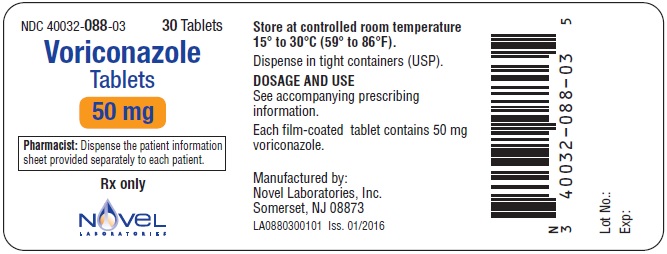
Voriconazole 50 mg tablets: White, film-coated, round shaped, debossed with "V above 5" on one side and Plain on the reverse.
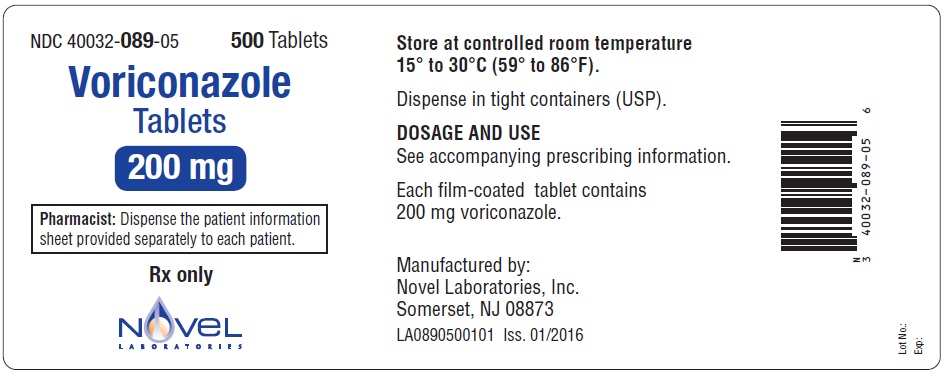
Voriconazole 200 mg tablets: White, film-coated, capsule shaped, debossed with "V2" on one side and plain on the reverse.
- Voriconazole is contraindicated in patients with known hypersensitivity to voriconazole or its excipients. There is no information regarding cross-sensitivity between voriconazole and other azole antifungal agents. Caution should be used when prescribing voriconazole to patients with hypersensitivity to other azoles.
- Coadministration of terfenadine, astemizole, cisapride, pimozide or quinidine with voriconazole is contraindicated because increased plasma concentrations of these drugs can lead to QT prolongation and rare occurrences of Torsade de pointes [see Drug Interactions (7) and Clinical Pharmacology (12.3)] .
- Coadministration of voriconazole with sirolimus is contraindicated because voriconazole significantly increases sirolimus concentrations [see Drug Interactions (7) andClinical Pharmacology (12.3)] .
- Coadministration of voriconazole with rifampin, carbamazepine and long-acting barbiturates is contraindicated because these drugs are likely to decrease plasma voriconazole concentrations significantly [see Drug Interactions (7) andClinical Pharmacology (12.3)] .
- Coadministration of standard doses of voriconazole with efavirenz doses of 400 mg q24h or higher is contraindicated, because efavirenz significantly decreases plasma voriconazole concentrations in healthy subjects at these doses. Voriconazole also significantly increases efavirenz plasma concentrations [see Drug Interactions (7) and Clinical Pharmacology (12.3)] .
- Coadministration of voriconazole with high dose ritonavir (400 mg q12h) is contraindicated because ritonavir (400 mg q12h) significantly decreases plasma voriconazole concentrations. Coadministration of voriconazole and low dose ritonavir (100 mg q12h) should be avoided, unless an assessment of the benefit/risk to the patient justifies the use of voriconazole [see Drug Interactions (7) and Clinical Pharmacology (12.3)] .
- Coadministration of voriconazole with rifabutin is contraindicated since voriconazole significantly increases rifabutin plasma concentrations and rifabutin also significantly decreases voriconazole plasma concentrations [see Drug Interactions (7) and Clinical Pharmacology (12.3)].
- Coadministration of voriconazole with ergot alkaloids (ergotamine and dihydroergotamine) is contraindicated because voriconazole may increase the plasma concentration of ergot alkaloids, which may lead to ergotism [see Drug Interactions (7) and Clinical Pharmacology (12.3)] .
- Coadministration of voriconazole with St. John's Wort is contraindicated because this herbal supplement may decrease voriconazole plasma concentration [see Drug Interactions (7) and Clinical Pharmacology (12.3)] .
- are allergic to voriconazole or any of the ingredients in voriconazole . See the end of this leaflet for a complete list of ingredients in voriconazole.
- are taking any of the following medicines:
- cisapride (Propulsid®)
- pimozide (Orap®)
- quinidine (like Quinaglute®)
- sirolimus (Rapamune®)
- rifampin (Rifadin®)
- carbamazepine (Tegretol®)
- long-acting barbiturates like phenobarbital (Luminal®)
- efavirenz (Sustiva®)
- ritonavir (Norvir®)
- rifabutin (Mycobutin®)
- ergotamine, dihydroergotamine (ergot alkaloids)
- St. John's Wort (herbal supplement)
- have or ever had heart disease or an abnormal heart rate or rhythm. Your healthcare provider may order a test to check your heart (EKG) before starting voriconazole.
- have liver or kidney problems. Your healthcare provider may do blood tests to make sure you can take voriconazole.
- have trouble digesting dairy products or regular table sugar. Voriconazole tablets contain lactose.
- are pregnant or plan to become pregnant. Voriconazole can harm your unborn baby. Talk to your healthcare provider if you are pregnant or plan to become pregnant. Women who can become pregnant should use effective birth control while taking voriconazole.
- are breast-feeding or plan to breast-feed. It is not known if voriconazole passes into breast milk. Talk to your healthcare provider about the best way to feed your baby if you take voriconazole.
- Voriconazole may be prescribed to you as :
- Voriconazole tablets
- Take voriconazole tablets exactly as your healthcare provider tells you to.
- Take voriconazole tablets at least one hour before or at least one hour after meals.
- If you take too much voriconazole, call your healthcare provider or go to the nearest hospital emergency room.
- You should not drive at night while taking voriconazole. Voriconazole can cause changes in your vision such as blurring or sensitivity to light.
- Do not drive or operate machinery, or do other dangerous activities until you know how voriconazole affects you.
- Avoid direct sunlight. Voriconazole can make your skin sensitive to the sun and the light from sunlamps and tanning beds. You could get a severe sunburn. Use sunscreen and wear a hat and clothes that cover your skin if you have to be in sunlight. Talk to your healthcare provider if you get sunburn.
- liver problems. Symptoms of liver problems may include:
- itchy skin
- yellowing of your eyes
- feeling very tired
- flu-like symptoms
- nausea or vomiting
- vision changes. Symptoms of vision changes may include:
- blurred vision
- changes in the way you see colors
- sensitivity to light (photophobia)
- serious heart problems. Voriconazole may cause changes in your heart rate or rhythm, including your heart stopping (cardiac arrest).
- allergic reactions. Symptoms of an allergic reaction may include:
- fever
- sweating
- feels like your heart is beating fast (tachycardia)
- chest tightness
- trouble breathing
- feel faint
- nausea
- itching
- skin rash
- kidney problems . Voriconazole may cause new or worse problems with kidney function, including kidney failure. Your healthcare provider should check your kidney function while you are taking voriconazole. Your healthcare provider will decide if you can keep taking voriconazole.
- serious skin reactions . Symptoms of serious skin reactions may include:
- rash or hives
- mouth sores
- blistering or peeling of your skin
- trouble swallowing or breathing
- vision changes
- rash
- vomiting
- nausea
- headache
- fast heart beat (tachycardia)
- hallucinations (seeing or hearing things that are not there)
- abnormal liver function tests
- Store voriconazole tablets at room temperature, 59o to 86o F (15 to 30C). Do not refrigerate or freeze.
- Keep voriconazole tablets in a tightly closed container.
- Safely throw away medicine that is out of date or no longer needed.
- Keep voriconazole, as well as all other medicines, out of the reach of children.
Because clinical trials are conducted under widely varying conditions, adverse reaction rates observed in clinical trials of a drug cannot be directly compared to rates in the clinical trials of another drug and may not reflect the rates observed in practice.
*Results based on in vivo clinical studies generally following repeat oral dosing with 200 mg q12h voriconazole to healthy subjects | ||
**Results based on in vivo clinical study following repeat oral dosing with 400 mg q12h for 1 day, then 200 mg q12h for at least 2 days voriconazole to healthy subjects | ||
*** Non-Nucleoside Reverse Transcriptase Inhibitors | ||
| Drug/Drug Class (Mechanism of Interaction by the Drug) | Voriconazole Plasma Exposure (Cmax and AUCTafter 200 mg q12h) | Recommendations for Voriconazole Dosage Adjustment/Comments |
| Rifampin* and Rifabutin* (CYP450 Induction) | Significantly Reduced | Contraindicated |
| Efavirenz (400 mg q24h)** (CYP450 Induction) Efavirenz (300 mg q24h)** (CYP450 Induction) | Significantly Reduced Slight Decrease in AUC | Contraindicated When voriconazole is coadministered with efavirenz, voriconazole oral maintenance dose should be increased to 400 mg q12h and efavirenz should be decreased to 300 mg q24h |
| High-dose Ritonavir (400 mg q12h)** (CYP450 Induction) Low-dose Ritonavir (100 mg q12h)** (CYP450 Induction) | Significantly Reduced Reduced | Contraindicated Coadministration of voriconazole and low-dose ritonavir (100 mg q12h) should be avoided, unless an assessment of the benefit/risk to the patient justifies the use of voriconazole |
| Carbamazepine (CYP450 Induction) | Not Studied In Vivo or In Vitro, but Likely to Result in Significant Reduction | Contraindicated |
| Long Acting Barbiturates (CYP450 Induction) | Not Studied In Vivo or In Vitro, but Likely to Result in Significant Reduction | Contraindicated |
| Phenytoin* (CYP450 Induction) | Significantly Reduced | Increase voriconazole maintenance dose from 4 mg/kg to 5 mg/kg IV q12h or from 200 mg to 400 mg orally q12h (100 mg to 200 mg orally q12h in patients weighing less than 40 kg) |
| St. John’s Wort (CYP450 inducer; P-gp inducer) | Significantly Reduced | Contraindicated |
| Oral Contraceptives** containing ethinyl estradiol and norethindrone (CYP2C19 Inhibition) | Increased | Monitoring for adverse events and toxicity related to voriconazole is recommended when coadministered with oral contraceptives |
| Fluconazole** (CYP2C9, CYP2C19 and CYP3A4 Inhibition) | Significantly Increased | Avoid concomitant administration of voriconazole and fluconazole. Monitoring for adverse events and toxicity related to voriconazole is started within 24 h after the last dose of fluconazole. |
| Other HIV Protease Inhibitors (CYP3A4 Inhibition) | In Vivo Studies Showed No Significant Effects of Indinavir on Voriconazole Exposure In Vitro Studies Demonstrated Potential for Inhibition of Voriconazole Metabolism (Increased Plasma Exposure) | No dosage adjustment in the voriconazole dosage needed when coadministered with indinavir Frequent monitoring for adverse events and toxicity related to voriconazole when coadministered with other HIV protease inhibitors |
| Other NNRTIs*** (CYP3A4 Inhibition or CYP450 Induction) | In Vitro Studies Demonstrated Potential for Inhibition of Voriconazole Metabolism by Delavirdine and Other NNRTIs (Increased Plasma Exposure) A Voriconazole-Efavirenz Drug Interaction Study Demonstrated the Potential for the Metabolism of Voriconazole to be Induced by Efavirenz and Other NNRTIs (Decreased Plasma Exposure) | Frequent monitoring for adverse events and toxicity related to voriconazole Careful assessment of voriconazole effectiveness |
* Results based on in vivo clinical studies generally following repeat oral dosing with 200 mg BID voriconazole to healthy subjects | ||
** Results based on in vivo clinical study following repeat oral dosing with 400 mg q12h for 1 day, then 200 mg q12h for at least 2 days voriconazole to healthy subjects | ||
*** Results based on in vivo clinical study following repeat oral dosing with 400 mg q12h for 1 day, then 200 mg q12h for 4 days voriconazole to subjects receiving a methadone maintenance dose (30-100 mg q24h) | ||
**** Non-Steroidal Anti-Inflammatory Drug | ||
***** Non-Nucleoside Reverse Transcriptase Inhibitors | ||
| Drug/Drug Class (Mechanism of Interaction by Voriconazole) | Drug Plasma Exposure (Cmax and AUCT) | Recommendations for Drug Dosage Adjustment/Comments |
| Sirolimus* (CYP3A4 Inhibition) | Significantly Increased | Contraindicated |
| Rifabutin* (CYP3A4 Inhibition) | Significantly Increased | Contraindicated |
| Efavirenz (400 mg q24h)** (CYP3A4 Inhibition) Efavirenz (300 mg q24h)** (CYP3A4 Inhibition) | Significantly Increased Slight Increase in AUCT | Contraindicated When voriconazole is coadministered with efavirenz, voriconazole oral maintenance dose should be increased to 400 mg q12h and efavirenz should be decreased to 300 mg q24h |
| High-dose Ritonavir (400 mg q12h)** (CYP3A4 Inhibition) Low-dose Ritonavir (100 mg q12h)** | No Significant Effect of Voriconazole on Ritonavir Cmax or AUCT Slight Decrease in Ritonavir Cmax and AUCT | Contraindicated because of significant reduction of voriconazole Cmax and AUCT Coadministration of voriconazole and low-dose ritonavir (100 mg q12h) should be avoided (due to the reduction in voriconazole Cmax and AUCT) unless an assessment of the benefit/risk to the patient justifies the use of voriconazole |
| Terfenadine, Astemizole, Cisapride, Pimozide, Quinidine (CYP3A4 Inhibition) | Not Studied In Vivo or In Vitro, but Drug Plasma Exposure Likely to be Increased | Contraindicated because of potential for QT prolongation and rare occurrence of torsade de pointes |
| Ergot Alkaloids (CYP450 Inhibition) | Not Studied In Vivo or In Vitro, but Drug Plasma Exposure Likely to be Increased | Contraindicated |
| Cyclosporine* (CYP3A4 Inhibition) | AUCTSignificantly Increased; No Significant Effect on Cmax | When initiating therapy with Voriconazole in patients already receiving cyclosporine, reduce the cyclosporine dose to one-half of the starting dose and follow with frequent monitoring of cyclosporine blood levels. Increased cyclosporine levels have been associated with nephrotoxicity. When Voriconazole is discontinued, cyclosporine concentrations must be frequently monitored and the dose increased as necessary. |
| Methadone*** (CYP3A4 Inhibition) | Increased | Increased plasma concentrations of methadone have been associated with toxicity including QT prolongation. Frequent monitoring for adverse events and toxicity related to methadone is recommended during coadministration. Dose reduction of methadone may be needed |
| Fentanyl (CYP3A4 Inhibition) | Increased | Reduction in the dose of fentanyl and other long-acting opiates metabolized by CYP3A4 should be considered when coadministered with Voriconazole. Extended and frequent monitoring for opiate-associated adverse events may be necessary [see Drug Interactions (7)] |
| Alfentanil (CYP3A4 Inhibition) | Significantly Increased | Reduction in the dose of alfentanil and other opiates metabolized by CYP3A4 (e.g., sufentanil) should be considered when coadministered with Voriconazole. A longer period for monitoring respiratory and other opiate-associated adverse events may be necessary [see Drug Interactions (7)]. |
| Oxycodone (CYP3A4 Inhibition) | Significantly Increased | Reduction in the dose of oxycodone and other long-acting opiates metabolized by CYP3A4 should be considered when coadministered with Voriconazole. Extended and frequent monitoring for opiate-associated adverse events may be necessary [see Drug Interactions (7)]. |
| NSAIDs**** including. ibuprofen and diclofenac (CYP2C9 Inhibition) | Increased | Frequent monitoring for adverse events and toxicity related to NSAIDs. Dose reduction of NSAIDs may be needed [see Drug Interactions (7)]. |
| Tacrolimus* (CYP3A4 Inhibition) | Significantly Increased | When initiating therapy with Voriconazole in patients already receiving tacrolimus, reduce the tacrolimus dose to one-third of the starting dose and follow with frequent monitoring of tacrolimus blood levels. Increased tacrolimus levels have been associated with nephrotoxicity. When Voriconazole is discontinued, tacrolimus concentrations must be frequently monitored and the dose increased as necessary. |
| Phenytoin* (CYP2C9 Inhibition) | Significantly Increased | Frequent monitoring of phenytoin plasma concentrations and frequent monitoring of adverse effects related to phenytoin. |
| Oral Contraceptives containing ethinyl estradiol and norethindrone (CYP3A4 Inhibition)** | Increased | Monitoring for adverse events related to oral contraceptives is recommended during coadministration. |
| Warfarin* (CYP2C9 Inhibition) | Prothrombin Time Significantly Increased | Monitor PT or other suitable anti- coagulation tests. Adjustment of warfarin dosage may be needed. |
| Omeprazole* (CYP2C19/3A4 Inhibition) | Significantly Increased | When initiating therapy with Voriconazole in patients already receiving omeprazole doses of 40 mg or greater, reduce the omeprazole dose by one-half. The metabolism of other proton pump inhibitors that are CYP2C19 substrates may also be inhibited by voriconazole and may result in increased plasma concentrations of other proton |
| Other HIV Protease Inhibitors (CYP3A4 Inhibition) | In Vivo Studies Showed No Significant Effects on Indinavir Exposure In Vitro Studies Demonstrated Potential for Voriconazole to Inhibit Metabolism (Increased Plasma Exposure) | No dosage adjustment for indinavir when coadministered with Voriconazole Frequent monitoring for adverse events and toxicity related to other HIV protease inhibitors |
| Other NNRTIs***** (CYP3A4 Inhibition) | A Voriconazole-Efavirenz Drug Interaction Study Demonstrated the Potential for Voriconazole to Inhibit Metabolism of Other NNRTIs (Increased Plasma Exposure) | Frequent monitoring for adverse events and toxicity related to NNRTI |
| Benzodiazepines (CYP3A4 Inhibition) | In Vitro Studies Demonstrated Potential for Voriconazole to Inhibit Metabolism (Increased Plasma Exposure) | Frequent monitoring for adverse events and toxicity (i.e., prolonged sedation) related to benzodiazepines metabolized by CYP3A4 (e.g., midazolam, triazolam, alprazolam). Adjustment of benzodiazepine dosage may be needed. |
| HMG-CoA Reductase Inhibitors (Statins) (CYP3A4 Inhibition) | In Vitro Studies Demonstrated Potential for Voriconazole to Inhibit Metabolism (Increased Plasma Exposure) | Frequent monitoring for adverse events and toxicity related to statins. Increased statin concentrations in plasma have been associated with rhabdomyolysis. Adjustment of the statin dosage may be needed. |
| Dihydropyridine Calcium Channel Blockers (CYP3A4 Inhibition) | In Vitro Studies Demonstrated Potential for Voriconazole to Inhibit Metabolism (Increased Plasma Exposure) | Frequent monitoring for adverse events and toxicity related to calcium channel blockers. Adjustment of calcium channel blocker dosage may be needed. |
| Sulfonylurea Oral Hypoglycemics (CYP2C9 Inhibition) | Not Studied In Vivo or In Vitro, but Drug Plasma Exposure Likely to be Increased | Frequent monitoring of blood glucose and for signs and symptoms of hypoglycemia. Adjustment of oral hypoglycemic drug dosage may be needed. |
| Vinca Alkaloids (CYP3A4 Inhibition) | Not Studied In Vivo or In Vitro, but Drug Plasma Exposure Likely to be Increased | Frequent monitoring for adverse events and toxicity (i.e., neurotoxicity) related to vinca alkaloids. Adjustment of vinca alkaloid dosage may be needed. |
| Everolimus (CYP3A4 Inhibition) | Not Studied In Vivo or In Vitro, but Drug Plasma Exposure Likely to be Increased | Concomitant administration of voriconazole and everolimus is not recommended. |
Clinical Efficacy and Safety- In ten clinical trials, the median values for the average and maximum voriconazole plasma concentrations in individual patients across these studies (n = 1,121) was 2.51 mcg/mL (inter-quartile range 1.21 to 4.44 mcg/mL) and 3.79 mcg/mL (inter-quartile range 2.06 to 6.31 mcg/mL), respectively. A pharmacokinetic-pharmacodynamic analysis of patient data from six of these ten clinical trials (n = 280) could not detect a positive association between mean, maximum or minimum plasma voriconazole concentration and efficacy. However, pharmacokinetic/pharmacodynamic analyses of the data from all ten clinical trials identified positive associations between plasma voriconazole concentrations and rate of both liver function test abnormalities and visual disturbances [see Adverse Reactions (6)].
Electrocardiogram- A placebo-controlled, randomized, crossover study to evaluate the effect on the QT interval of healthy male and female subjects was conducted with three single oral doses of voriconazole and ketoconazole.
Serial ECGs and plasma samples were obtained at specified intervals over a 24 hour post-dose observation period. The placebo-adjusted mean maximum increases in QTc from baseline after 800 mg, 1200 mg and 1600 mg of voriconazole and after ketoconazole 800 mg were all < 10 msec. Females exhibited a greater increase in QTc than males, although all mean changes were < 10 msec. Age was not found to affect the magnitude of increase in QTc. No subject in any group had an increase in QTc of ≥ 60 msec from baseline. No subject experienced an interval exceeding the potentially clinically relevant threshold of 500 msec. However, the QT effect of voriconazole combined with drugs known to prolong the QT interval is unknown [see Contraindications (4) and Drug Interactions (7)].
Gender- In a multiple oral dose study, the mean Cmax and AUCT for healthy young females were 83% and 113% higher, respectively, than in healthy young males (18 to 45 years), after tablet dosing. In the same study, no significant differences in the mean Cmax and AUCT were observed between healthy elderly males and healthy elderly females (> 65 years). In a similar study, after dosing with the oral suspension, the mean AUC for healthy young females was 45% higher than in healthy young males whereas the mean Cmax was comparable between genders. The steady-state trough voriconazole concentrations (Cmin) seen in females were 100% and 91% higher than in males receiving the tablet and the oral suspension, respectively.
In the clinical program, no dosage adjustment was made on the basis of gender. The safety profile and plasma concentrations observed in male and female subjects were similar. Therefore, no dosage adjustment based on gender is necessary.
Geriatric- In an oral multiple dose study the mean Cmax and AUCT in healthy elderly males (≥ 65 years) were 61% and 86% higher, respectively, than in young males (18 to 45 years). No significant differences in the mean Cmax and AUCT were observed between healthy elderly females (≥ 65 years) and healthy young females (18 to 45 years).
In the clinical program, no dosage adjustment was made on the basis of age. An analysis of pharmacokinetic data obtained from 552 patients from ten voriconazole clinical trials showed that the median voriconazole plasma concentrations in the elderly patients (> 65 years) were approximately 80% to 90% higher than those in the younger patients (≤ 65 years) after either IV or oral administration. However, the safety profile of voriconazole in young and elderly subjects was similar and, therefore, no dosage adjustment is necessary for the elderly [see Use in Specific Populations (8.5)].
Pediatric- A population pharmacokinetic analysis was conducted on pooled data from 35 immunocompromised pediatric patients aged 2 to < 12 years old who were included in two pharmacokinetic studies of intravenous voriconazole (single dose and multiple dose). Twenty-four of these patients received multiple intravenous maintenance doses of 3 mg/kg and 4 mg/kg. A comparison of the pediatric and adult population pharmacokinetic data revealed that the predicted average steady-state plasma concentrations were similar at the maintenance dose of 4 mg/kg every 12 hours in children and 3 mg/kg every 12 hours in adults (medians of 1.19 mcg/mL and 1.16 mcg/mL in children and adults, respectively) [see Use in Specific Populations (8.4)].
Hepatic Impairment- After a single oral dose (200 mg) of voriconazole in eight patients with mild (Child-Pugh Class A) and four patients with moderate (Child-Pugh Class B) hepatic insufficiency, the mean systemic exposure (AUC) was 3.2-fold higher than in age and weight matched controls with normal hepatic function. There was no difference in mean peak plasma concentrations (Cmax) between the groups. When only the patients with mild (Child-Pugh Class A) hepatic insufficiency were compared to controls, there was still a 2.3-fold increase in the mean AUC in the group with hepatic insufficiency compared to controls.
In an oral multiple dose study, AUCT was similar in six subjects with moderate hepatic impairment (Child-Pugh Class B) given a lower maintenance dose of 100 mg twice daily compared to six subjects with normal hepatic function given the standard 200 mg twice daily maintenance dose. The mean peak plasma concentrations (Cmax) were 20% lower in the hepatically impaired group.
It is recommended that the standard loading dose regimens be used but that the maintenance dose be halved in patients with mild to moderate hepatic cirrhosis (Child-Pugh Class A and B) receiving voriconazole. No pharmacokinetic data are available for patients with severe hepatic cirrhosis (Child-Pugh Class C) [see Dosage and Administration (2.7)].
Renal Impairment- In a single oral dose (200 mg) study in 24 subjects with normal renal function and mild to severe renal impairment, systemic exposure (AUC) and peak plasma concentration (Cmax) of voriconazole were not significantly affected by renal impairment. Therefore, no adjustment is necessary for oral dosing in patients with mild to severe renal impairment.
In a multiple dose study of IV voriconazole (6 mg/kg IV loading dose x 2, then 3 mg/kg IV x 5.5 days) in seven patients with moderate renal dysfunction (creatinine clearance 30 to 50 mL/min), the systemic exposure (AUC) and peak plasma concentrations (Cmax) were not significantly different from those in six subjects with normal renal function.
However, in patients with moderate renal dysfunction (creatinine clearance 30 to 50 mL/min), accumulation of the intravenous vehicle, SBECD, occurs. The mean systemic exposure (AUC) and peak plasma concentrations (Cmax) of SBECD were increased 4-fold and almost 50%, respectively, in the moderately impaired group compared to the normal control group.
Intravenous voriconazole should be avoided in patients with moderate or severe renal impairment (creatinine clearance < 50 mL/min), unless an assessment of the benefit/risk to the patient justifies the use of intravenous voriconazole [see Dosage and Administration (2.8)].
A pharmacokinetic study in subjects with renal failure undergoing hemodialysis showed that voriconazole is dialyzed with clearance of 121 mL/min. The intravenous vehicle, SBECD, is hemodialyzed with clearance of 55 mL/min. A 4-hour hemodialysis session does not remove a sufficient amount of voriconazole to warrant dose adjustment.
Effects of Other Drugs on Voriconazole
Voriconazole is metabolized by the human hepatic cytochrome P450 enzymes CYP2C19, CYP2C9 and CYP3A4. Results of in vitro metabolism studies indicate that the affinity of voriconazole is highest for CYP2C19, followed by CYP2C9, and is appreciably lower for CYP3A4. Inhibitors or inducers of these three enzymes may increase or decrease voriconazole systemic exposure (plasma concentrations), respectively.
The systemic exposure to voriconazole is significantly reduced or is expected to be reduced by the concomitant administration of the following agents and their use is contraindicated:
Rifampin (potent CYP450 inducer)–Rifampin (600 mg once daily) decreased the steady state Cmax and AUCT of voriconazole (200 mg q12h × 7 days) by an average of 93% and 96%, respectively, in healthy subjects. Doubling the dose of voriconazole to 400 mg q12h does not restore adequate exposure to voriconazole during coadministration with rifampin. Coadministration of voriconazole and rifampin is contraindicated [see Contraindications (4), and Warnings and Precautions (5.1)].
Ritonavir (potent CYP450 inducer; CYP3A4 inhibitor and substrate)–The effect of the coadministration of voriconazole and ritonavir (400 mg and 100 mg) was investigated in two separate studies. High-dose ritonavir (400 mg q12h for 9 days) decreased the steady state Cmax and AUCT of oral voriconazole (400 mg q12h for 1 day, then 200 mg q12h for 8 days) by an average of 66% and 82%, respectively, in healthy subjects. Low-dose ritonavir (100 mg q12h for 9 days) decreased the steady state Cmax and AUCT of oral voriconazole (400 mg q12h for 1 day, then 200 mg q12h for 8 days) by an average of 24% and 39%, respectively, in healthy subjects. Although repeat oral administration of voriconazole did not have a significant effect on steady state Cmax and AUCT of high-dose ritonavir in healthy subjects, steady state Cmax and AUCT of low-dose ritonavir decreased slightly by 24% and 14% respectively, when administered concomitantly with oral voriconazole in healthy subjects.
Coadministration of voriconazole and high-dose ritonavir (400 mg q12h) is contraindicated. Coadministration of voriconazole and low-dos e ritonavir (100 mg q12h) should be avoided, unless an assessment of the benefit/risk to the patient justifies the use of voriconazole [see Contraindications (4), and Warnings and Precautions (5.1)].
St. John's Wort (CYP450 inducer; P-gp inducer)–In an independent published study in healthy volunteers who were given multiple oral doses of St. John's Wort (300 mg LI 160 extract three times daily for 15 days) followed by a single 400 mg oral dose of voriconazole, a 59% decrease in mean voriconazole AUC0–∞ was observed. In contrast, coadministration of single oral doses of St. John's Wort and voriconazole had no appreciable effect on voriconazole AUC0–∞. Because long-term use of St. John's Wort could lead to reduced voriconazole exposure, concomitant use of voriconazole with St. John's Wort is contraindicated [see Contraindications (4)].
Carbamazepine and long-acting barbiturates (potent CYP450 inducers) Although not studied in vitro or in vivo, carbamazepine and long-acting barbiturates (e.g., phenobarbital, mephobarbital) are likely to significantly decrease plasma voriconazole concentrations. Coadministration of voriconazole with carbamazepine or long-acting barbiturates is contraindicated [see Contraindications (4), and Warnings and Precautions (5.1)].
Significant drug interactions that may require voriconazole dosage adjustment, or frequent monitoring of voriconazole-related adverse events/toxicity:
Fluconazole (CYP2C9, CYP2C19 and CYP3A4 inhibitor): Concurrent administration of oral voriconazole (400 mg q12h for 1 day, then 200 mg q12h for 2.5 days) and oral fluconazole (400 mg on day 1, then 200 mg Q24h for 4 days) to 6 healthy male subjects resulted in an increase in Cmax and AUCT of voriconazole by an average of 57% (90% CI: 20%, 107%) and 79% (90% CI: 40%, 128%), respectively. In a follow-on clinical study involving 8 healthy male subjects, reduced dosing and/or frequency of voriconazole and fluconazole did not eliminate or diminish this effect. Concomitant administration of voriconazole and fluconazole at any dose is not recommended. Close monitoring for adverse events related to voriconazole is recommended if voriconazole is used sequentially after fluconazole, especially within 24 hours of the last dose of fluconazole [see Warnings and Precautions (5.1)].
Minor or no significant pharmacokinetic interactions that do not require dosage adjustment:
Cimetidine (non-specific CYP450 inhibitor and increases gastric pH) Cimetidine (400 mg q12h × 8 days) increased voriconazole steady state Cmax and AUCT by an average of 18% (90% CI: 6%, 32%) and 23% (90% CI: 13%, 33%), respectively, following oral doses of 200 mg q12h × 7 days to healthy subjects.
Ranitidine (increases gastric pH)–Ranitidine (150 mg q12h) had no significant effect on Voriconazole Cmax and AUCT following oral doses of 200 mg q12h × 7 days to healthy subjects.
Macrolide antibiotics–Coadministration of erythromycin (CYP3A4 inhibitor; 1g q12h for 7 days) or azithromycin (500 mg qd for 3 days) with voriconazole 200 mg q12h for 14 days had no significant effect on voriconazole steady state Cmax and AUCT in healthy subjects. The effects of voriconazole on the pharmacokinetics of either erythromycin or azithromycin are not known.
Effects of Voriconazole on Other Drugs
In vitro studies with human hepatic microsomes show that voriconazole inhibits the metabolic activity of the cytochrome P450 enzymes CYP2C19, CYP2C9, and CYP3A4. In these studies, the inhibition potency of voriconazole for CYP3A4 metabolic activity was significantly less than that of two other azoles, ketoconazole and itraconazole. In vitro studies also show that the major metabolite of voriconazole, voriconazole N-oxide, inhibits the metabolic activity of CYP2C9 and CYP3A4 to a greater extent than that of CYP2C19. Therefore, there is potential for voriconazole and its major metabolite to increase the systemic exposure (plasma concentrations) of other drugs metabolized by these CYP450 enzymes.
The systemic exposure of the following drugs is significantly increased or is expected to be significantly increased by coadministration of voriconazole and their use is contraindicated:
Sirolimus (CYP3A4 substrate)–Repeat dose administration of oral voriconazole (400 mg q12h for 1 day, then 200 mg q12h for 8 days) increased the Cmax and AUCT of sirolimus (2 mg single dose) an average of 7-fold (90% CI: 5.7, 7.5) and 11-fold (90% CI: 9.9, 12.6), respectively, in healthy male subjects. Coadministration of voriconazole and sirolimus is contraindicated [see Contraindications (4), and Warnings and Precautions (5.1)].
Terfenadine, astemizole, cisapride, pimozide and quinidine (CYP3A4 substrates )–Although not studied in vitro or in vivo, concomitant administration of voriconazole with terfenadine, astemizole, cisapride, pimozide or quinidine may result in inhibition of the metabolism of these drugs. Increased plasma concentrations of these drugs can lead to QT prolongation and rare occurrences of torsade de pointes. Coadministration of voriconazole and terfenadine, as temizole, cis pride, pimozide and quinidine is contraindicated [see Contraindications (4), and Warnings and Precautions (5.1)].
Ergot alkaloids–Although not studied in vitro or in vivo, voriconazole may increase the plasma concentration of ergot alkaloids (ergotamine and dihydroergotamine) and lead to ergotism.
Coadministration of voriconazole with ergot alkaloids is contraindicated [see Contraindications (4), and Warnings and Precautions (5.1)].
Coadministration of voriconazole with the following agents results in increased exposure or is expected to result in increased exposure to these drugs. Therefore, careful monitoring and/or dosage adjustment of these drugs is needed:
Alfentanil (CYP3A4 substrate)–Coadministration of multiple doses of oral voriconazole (400 mg q12h on day 1, 200 mg q12h on day 2) with a single 20 mcg/kg intravenous dose of alfentanil with concomitant naloxone resulted in a 6-fold increase in mean alfentanil AUC0-∞ and a 4-fold prolongation of mean alfentanil elimination half-life, compared to when alfentanil was given alone. An increase in the incidence of delayed and persistent alfentanil-associated nausea and vomiting during co-administration of voriconazole and alfentanil was also observed. Reduction in the dose of alfentanil or other opiates that are also metabolized by CYP3A4 (e.g., sufentanil), and extended close monitoring of patients for respiratory and other opiate-associated adverse events, may be necessary when any of these opiates is coadministered with voriconazole [see Warnings and Precautions (5.1)].
Fentanyl (CYP3A4 substrate): In an independent published study, concomitant use of Voriconazole (400 mg q12h on Day 1, then 200 mg q12h on Day 2) with a single intravenous dose of fentanyl (5 μg/kg) resulted in an increase in the mean AUC0-∞ of fentanyl by 1.4-fold (range 0.81- to 2.04-fold).When voriconazole is co-administered with fentanyl IV, oral or transdermal dosage forms, extended and frequent monitoring of patients for respiratory depression and other fentanyl-associated adverse events is recommended, and fentanyl dosage should be reduced if warranted [see Warnings and Precautions (5.1)].
Oxycodone (CYP3A4 substrate): In an independent published study, coadministration of multiple doses of oral voriconazole (400 mg q12h, on Day 1 followed by five doses of 200 mg q12h on Days 2 to 4) with a single 10 mg oral dose of oxycodone on Day 3 resulted in an increase in the mean Cmax and AUC0–∞ of oxycodone by 1.7-fold (range 1.4- to 2.2-fold) and 3.6-fold (range 2.7- to 5.6-fold), respectively. The mean elimination half-life of oxycodone was also increased by 2.0-fold (range 1.4- to 2.5-fold). Voriconazole also increased the visual effects (heterophoria and miosis) of oxycodone. A reduction in oxycodone dosage may be needed during voriconazole treatment to avoid opioid related adverse effects. Extended and frequent monitoring for adverse effects associated with oxycodone and other long-acting opiates metabolized by CYP3A4 is recommended [see Warnings and Precautions (5.1)].
Cyclosporine (CYP3A4 substrate)–In stable renal transplant recipients receiving chronic cyclosporine therapy, concomitant administration of oral voriconazole (200 mg q12h for 8 days) increased cyclosporine Cmax and AUCT an average of 1.1 times (90% CI: 0.9, 1.41) and 1.7 times (90% CI: 1.5, 2.0), respectively, as compared to when cyclosporine was administered without voriconazole. When initiating therapy with voriconazole in patients already receiving cyclosporine, it is recommended that the cyclosporine dose be reduced to one-half of the original dose and followed with frequent monitoring of the cyclosporine blood levels. Increased cyclosporine levels have been associated with nephrotoxicity. When voriconazole is discontinued, cyclosporine levels should be frequently monitored and the dose increased as necessary [see Warnings and Precautions (5.1)].
Methadone (CYP3A4, CYP2C19, CYP2C9 substrate)–Repeat dose administration of oral Voriconazole (400 mg q12h for 1 day, then 200 mg q12h for 4 days) increased the Cmax and AUC0–∞ of pharmacologically active R methadone by 31% (90% CI: 22%, 40%) and 47% (90% CI: 38%, 57%), respectively, in subjects receiving a methadone maintenance dose (30–100 mg QD). The Cmax and AUC0–∞ of (S)-methadone increased by 65% (90% CI: 53%, 79%) and 103% (90% CI: 85%, 124%), respectively. Increased plasma concentrations of methadone have been associated with toxicity including QT prolongation. Frequent monitoring for adverse events and toxicity related to methadone is recommended during coadministration. Dose reduction of methadone may be needed [see Warnings and Precautions (5.1)].
Tacrolimus (CYP3A4 substrate)–Repeat oral dose administration of voriconazole (400 mg q12h × 1 day, then 200 mg q12h × 6 days) increased tacrolimus (0.1 mg/kg single dose) Cmax and AUCT in healthy subjects by an average of 2-fold (90% CI: 1.9, 2.5) and 3-fold (90% CI: 2.7, 3.8), respectively. When initiating therapy with voriconazole in patients already receiving tacrolimus, it is recommended that the tacrolimus dose be reduced to one-third of the original dose and followed with frequent monitoring of the tacrolimus blood levels. Increased tacrolimus levels have been associated with nephrotoxicity. When voriconazole is discontinued, tacrolimus levels should be carefully monitored and the dose increased as necessary [see Warnings and Precautions (5.1)].
Warfarin (CYP2C9 substrate)–Coadministration of voriconazole (300 mg q12h × 12 days) with warfarin (30 mg single dose) significantly increased maximum prothrombin time by approximately 2 times that of placebo in healthy subjects. Close monitoring of prothrombin time or other suitable anticoagulation tests is recommended if warfarin and voriconazole are coadministered and the warfarin dose adjusted accordingly [see Warnings and Precautions (5.1)].
Oral Coumarin Anticoagulants (CYP2C9, CYP3A4 substrates)–Although not studied in vitro or in vivo, voriconazole may increase the plasma concentrations of coumarin anticoagulants and therefore may cause an increase in prothrombin time. If patients receiving coumarin preparations are treated simultaneously with voriconazole, the prothrombin time or other suitable anti-coagulation tests should be monitored at close intervals and the dosage of anticoagulants adjusted accordingly [see Warnings and Precautions (5.1)].
Statins (CYP3A4 substrates)–Although not studied clinically, voriconazole has been shown to inhibit lovastatin metabolism in vitro (human liver microsomes). Therefore, voriconazole is likely to increase the plasma concentrations of statins that are metabolized by CYP3A4. It is recommended that dose adjustment of the statin be considered during coadministration. Increased statin concentrations in plasma have been associated with rhabdomyolysis [see Warnings and Precautions (5.1)].
Benzodiazepines (CYP3A4 substrates)–Although not studied clinically, voriconazole has been shown to inhibit midazolam metabolism in vitro (human liver microsomes). Therefore, voriconazole is likely to increase the plasma concentrations of benzodiazepines that are metabolized by CYP3A4 (e.g., midazolam, triazolam, and alprazolam) and lead to a prolonged sedative effect. It is recommended that dose adjustment of the benzodiazepine be considered during coadministration [see Warnings and Precautions (5.1)].
Calcium Channel Blockers (CYP3A4 substrates)–Although not studied clinically, voriconazole has been shown to inhibit felodipine metabolism in vitro (human liver microsomes). Therefore, voriconazole may increase the plasma concentrations of calcium channel blockers that are metabolized by CYP3A4. Frequent monitoring for adverse events and toxicity related to calcium channel blockers is recommended during coadministration. Dose adjustment of the calcium channel blocker may be needed [see Warnings and Precautions (5.1)].
Sulfonylureas (CYP2C9 substrates)–Although not studied in vitro or in vivo, voriconazole may increase plasma concentrations of sulfonylureas (e.g., tolbutamide, glipizide, and glyburide) and therefore cause hypoglycemia. Frequent monitoring of blood glucose and appropriate adjustment (i.e., reduction) of the sulfonylurea dosage is recommended during coadministration [see Warnings and Precautions (5.1)].
Vinca Alkaloids (CYP3A4 substrates) – Although not studied in vitro or in vivo, voriconazole may increase the plasma concentrations of the vinca alkaloids (e.g., vincristine and vinblastine) and lead to neurotoxicity. Therefore, it is recommended that dose adjustment of the vinca alkaloid be considered [see Warnings and Precautions (5.1)].
Non-Steroidal Anti-Inflammatory Drugs (NSAIDs; CYP2C9 substrates): In two independent published studies, single doses of ibuprofen (400 mg) and diclofenac (50 mg) were coadministered with the last dose of voriconazole (400 mg q12h on Day 1, followed by 200 mg q12h on Day 2). Voriconazole increased the mean Cmax and AUC of the pharmacologically active isomer, S (+)-ibuprofen by 20% and 100%, respectively. Voriconazole increased the mean Cmax and AUC of diclofenac by 114% and 78%, respectively.
A reduction in ibuprofen and diclofenac dosage may be needed during concomitant administration with voriconazole. Patients receiving voriconazole concomitantly with other NSAIDs (e.g., celecoxib, naproxen, lornoxicam, meloxicam) that are also metabolized by CYP2C9 should be carefully monitored for NSAID-related adverse events and toxicity, and dosage reduction should be made if warranted [see Warnings and Precautions (5.1)].
No significant pharmacokinetic interactions were observed when voriconazole was coadministered with the following agents. Therefore, no dosage adjustment for these agents is recommended:
Prednisolone (CYP3A4 substrate)–Voriconazole (200 mg q12h × 30 days) increased Cmax and AUC of prednisolone (60 mg single dose) by an average of 11% and 34%, respectively, in healthy subjects.
Digoxin (P-glycoprotein mediated transport)–Voriconazole (200 mg q12h × 12 days) had no significant effect on steady state Cmax and AUCT of digoxin (0.25 mg once daily for 10 days) in healthy subjects.
Mycophenolic acid (UDP-glucuronyl transferase substrate)–Voriconazole (200 mg q12h × 5 days) had no significant effect on the Cmax and AUCT of mycophenolic acid and its major metabolite, mycophenolic acid glucuronide after administration of a 1 g single oral dose of mycophenolate mofetil.
Two-Way Interactions
Concomitant use of the following agents with voriconazole is contraindicated:
Rifabutin (potent CYP450 inducer)–Rifabutin (300 mg once daily) decreased the Cmax and AUCT of voriconazole at 200 mg twice daily by an average of 67% (90% CI: 58%, 73%) and 79% (90% CI: 71%, 84%), respectively, in healthy subjects. During coadministration with rifabutin (300 mg once daily), the steady state Cmax and AUCT of voriconazole following an increased dose of 400 mg twice daily were on average approximately 2 times higher, compared with voriconazole alone at 200 mg twice daily. Coadministration of voriconazole at 400 mg twice daily with rifabutin 300 mg twice daily increased the Cmax and AUCT of rifabutin by an average of 3-times (90% CI: 2.2, 4.0) and 4 times (90% CI: 3.5, 5.4), respectively, compared to rifabutin given alone. Coadministration of voriconazole and rifabutin is contraindicated [see Contraindications (4)].
Significant drug interactions that may require dosage adjustment, frequent monitoring of drug levels and/or frequent monitoring of drug-related adverse events/toxicity:
Efavirenz, a non-nucleoside reverse transcriptase inhibitor (CYP450 inducer; CYP3A4 inhibitor and substrate)–Standard doses of voriconazole and standard doses of efavirenz must not be coadministered [see Drug Interactions (7)]. Steady state efavirenz (400 mg PO q24h) decreased the steady state Cmax and AUCT of voriconazole (400 mg PO q12h for 1 day, then 200 mg PO q12h for 8 days) by an average of 61% and 77%, respectively, in healthy male subjects. Voriconazole at steady state (400 mg PO q12h for 1 day, then 200 mg q12h for 8 days) increased the steady state Cmax and AUCT of efavirenz (400 mg PO q24h for 9 days) by an average of 38% and 44%, respectively, in healthy subjects.
The pharmacokinetics of adjusted doses of voriconazole and efavirenz were studied in healthy male subjects following administration of voriconazole (400 mg PO q12h on Days 2 to 7) with efavirenz (300 mg PO q24h on Days 1–7), relative to steady-state administration of voriconazole (400 mg for 1 day, then 200 mg PO q12h for 2 days) or efavirenz (600 mg q24h for 9 days). Coadministration of voriconazole 400 mg q12h with efavirenz 300 mg q24h, decreased voriconazole AUCT by 7% (90% CI: -23%, 13%) and increased Cmax by 23% (90% CI: -1%, 53%); efavirenz AUCT was increased by 17% (90% CI: 6%, 29%) and C was equivalent.
Voriconazole may be coadministered with efavirenz if the voriconazole maintenance dose is increased to 400 mg q12h and the efavirenz dose is decreased to 300 mg q24h. When treatment with Voriconazole is stopped, the initial dosage of efavirenz should be restored [see Dosage and Administration (2.4), and Drug Interactions (7)].
Phenytoin (CYP2C9 substrate and potent CYP450 inducer)–Repeat dose administration of phenytoin (300 mg once daily) decreased the steady state Cmax and AUCT of orally administered voriconazole (200 mg q12h × 14 days) by an average of 50% and 70%, respectively, in healthy subjects. Administration of a higher voriconazole dose (400 mg q12h × 7 days) with phenytoin (300 mg once daily) resulted in comparable steady state voriconazole Cmax and AUCT estimates as compared to when voriconazole was given at 200 mg q12h without phenytoin.
Phenytoin may be coadministered with voriconazole if the maintenance dose of voriconazole is increased from 4 mg/kg to 5 mg/kg intravenously every 12 hours or from 200 mg to 400 mg orally, every 12 hours (100 mg to 200 mg orally, every 12 hours in patients less than 40 kg) [see Dosage and Administration (2.4), and Drug Interactions (7)].
Repeat dose administration of voriconazole (400 mg q12h × 10 days) increased the steady state Cmax and AUCT of phenytoin (300 mg once daily) by an average of 70% and 80%, respectively, in healthy subjects. The increase in phenytoin Cmax and AUC when coadministered with voriconazole may be expected to be as high as 2 times the Cmax and AUC estimates when phenytoin is given without voriconazole. Therefore, frequent monitoring of plasma phenytoin concentrations and phenytoin-related adverse effects is recommended when phenytoin is coadministered with voriconazole [see Warnings and Precautions (5.1)].
Omeprazole (CYP2C19 inhibitor; CYP2C19 and CYP3A4 substrate)-Coadministration of omeprazole (40 mg once daily × 10 days) with oral voriconazole (400 mg q12h × 1 day, then 200 mg q12h × 9 days) increased the steady state Cmax and AUCT of voriconazole by an average of 15% (90% CI: 5%, 25%) and 40% (90% CI: 29%, 55%), respectively, in healthy subjects. No dosage adjustment of voriconazole is recommended.
Coadministration of voriconazole (400 mg q12h × 1 day, then 200 mg × 6 days) with omeprazole (40 mg once daily × 7 days) to healthy subjects significantly increased the steady state Cmax and AUCT of omeprazole an average of 2 times (90% CI: 1.8, 2.6) and 4 times (90% CI: 3.3, 4.4), respectively, as compared to when omeprazole is given without voriconazole. When initiating voriconazole in patients already receiving omeprazole doses of 40 mg or greater, it is recommended that the omeprazole dose be reduced by one-half [see Warnings and Precautions (5.1)].
The metabolism of other proton pump inhibitors that are CYP2C19 substrates may also be inhibited by voriconazole and may result in increased plasma concentrations of these drugs.
Oral Contraceptives (CYP3A4 substrate; CYP2C19 inhibitor)–Coadministration of oral Voriconazole (400 mg q12h for 1 day, then 200 mg q12h for 3 days) and oral contraceptive (Ortho-Novum1/35® consisting of 35 mcg ethinyl estradiol and 1 mg norethindrone, Q24h) to healthy female subjects at steady state increased the Cmax and AUCT of ethinyl estradiol by an average of 36% (90% CI: 28%, 45%) and 61% (90% CI: 50%, 72%), respectively, and that of norethindrone by 15% (90% CI: 3%, 28%) and 53% (90% CI: 44%, 63%), respectively in healthy subjects. Voriconazole Cmax and AUCT increased by an average of 14% (90% CI: 3%, 27%) and 46% (90% CI: 32%, 61%), respectively. Monitoring for adverse events related to oral contraceptives, in addition to those for voriconazole, is recommended during coadministration [see Warnings and Precautions (5.1)].
No significant pharmacokinetic interaction was seen and no dosage adjustment of these drugs is recommended:
Indinavir (CYP3A4 inhibitor and substrate)–Repeat dose administration of indinavir (800 mg TID for 10 days) had no significant effect on voriconazole Cmax and AUC following repeat dose administration (200 mg q12h for 17 days) in healthy subjects.
Repeat dose administration of voriconazole (200 mg q12h for 7 days) did not have a significant effect on steady state Cmax and AUCT of indinavir following repeat dose administration (800 mg TID for 7 days) in healthy subjects.
Other Two-Way Interactions Expected to be Significant Based on In Vitro and In Vivo Findings:
Other HIV Protease Inhibitors (CYP3A4 substrates and inhibitors)–In vitro studies (human liver microsomes) suggest that voriconazole may inhibit the metabolism of HIV protease inhibitors (e.g., saquinavir, amprenavir and nelfinavir). In vitro studies (human liver microsomes) also show that the metabolism of voriconazole may be inhibited by HIV protease inhibitors (e.g., saquinavir and amprenavir). Patients should be frequently monitored for drug toxicity during the coadministration of voriconazole and HIV protease inhibitors [see Warnings and Precautions (5.1)].
Other Non-Nucleoside Reverse Transcriptase Inhibitors (NNRTIs) (CYP3A4 substrates, inhibitors or CYP450 inducers)–In vitro studies (human liver microsomes) show that the metabolism of voriconazole may be inhibited by a NNRTI (e.g., delavirdine). The findings of a clinical Voriconazole-efavirenz drug interaction study in healthy male subjects suggest that the metabolism of Voriconazole may be induced by a NNRTI. This in vivo study also showed that voriconazole may inhibit the metabolism of a NNRTI [see Drug Interactions (7), and Warnings and Precautions (5.9)]. Patients should be frequently monitored for drug toxicity during the coadministration of voriconazole and other NNRTIs (e.g., nevirapine and delavirdine) [see Warnings and Precautions (5.1)]. Dose adjustments are required when voriconazole is co-administered with efavirenz [see Drug Interactions (7), and Warnings and Precautions (5.1)].
Read the Patient Information that comes with voriconazole before you start taking it and each time you get a refill. There may be new information. This information does not take the place of talking with your healthcare provider about your condition or treatment.
What is voriconazole?
Voriconazole is a prescription medicine used to treat certain serious fungal infections in your blood and body. These infections are called "aspergillosis," "esophageal candidiasis," "Scedosporium," "Fusarium" and "candidemia".
It is not known if voriconazole is safe and effective in children younger than 12 years old.
Who should not take voriconazole?
Do not take voriconazole if you:
Ask your healthcare provider or pharmacist if you are not sure if you are taking any of the medicines listed above.
Do not start taking a new medicine without talking to your healthcare provider or pharmacist.
What should I tell my healthcare provider before taking voriconazole?
Before you take voriconazole, tell your healthcare provider if you:
Tell your healthcare provider about all the medicines you take, including prescription and non-prescription medicines, vitamins and herbal supplements.
Voriconazole may affect the way other medicines work, and other medicines may affect how voriconazole works.
Know what medicines you take. Keep a list of them to show your healthcare provider or pharmacist when you get a new medicine.
How should I take voriconazole?
What should I avoid while taking voriconazole?
What are possible side effects of voriconazole?
Voriconazole may cause serious side effects including:
Call your healthcare provider or go to the nearest hospital emergency room right away if you have any of the symptoms listed above.
The most common side effects of voriconazole include:
Tell your healthcare provider if you have any side effect that bothers you or that does not go away.
These are not all the possible side effects of voriconazole. For more information, ask your healthcare provider or pharmacist.
Call your doctor for medical advice about side effects. You may report side effects to FDA at 1-800-FDA-1088.
How should I store voriconazole?
General information about the safe and effective use of voriconazole
Medicines are sometimes prescribed for purposes other than those listed in a Patient Information leaflet. Do not use voriconazole for a condition for which it was not prescribed. Do not give voriconazole to other people, even if they have the same symptoms that you have. It may harm them.
This Patient Information leaflet summarizes the most important information about voriconazole. If you would like more information, talk to your healthcare provider. You can ask your healthcare provider or pharmacist for information about voriconazole that is written for health professionals.
For more information, call Novel Laboratories, Inc. at 866-403-7592.
What are the ingredients of voriconazole?
Active ingredient: voriconazole
Inactive ingredients:
lactose monohydrate, pregelatinized starch (maize starch), croscarmellose sodium, povidone, magnesium stearate, and a coating containing hypromellose (HPMC 2910), titanium dioxide, lactose monohydrate, and triacetin.
This Patient Information has been approved by the U.S. Food and Drug Administration.
The brands listed are trademarks of their respective owners.
Manufactured by:
Novel Laboratories, Inc.
Somerset, NJ 08873
PI0890000101
Iss. 01/2016