Nicotine Lozenge
Product Images NDC 41250-344

View Photos of Packaging, Regulatory Labels, and Product Appearance

Product Visual Gallery

This gallery contains 7 technical images submitted to the FDA as part of the official labeling for Nicotine (NDC 41250-344). Unlike standard consumer photos, these assets often include clinical data figures, molecular chemical structures, and official manufacturer packaging layouts.

As provided by Meijer Distribution Inc, these visuals offer a comprehensive scientific overview of the product's physical and chemical identity, aiding pharmacists and researchers in product verification and study.

FDA Label Image

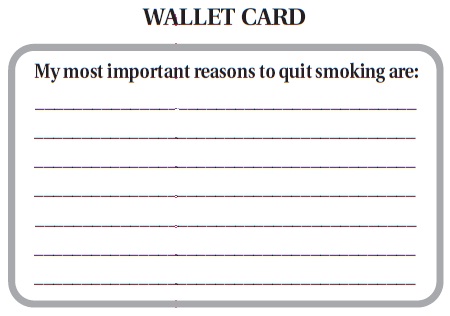
Wallet_card (Image 01)
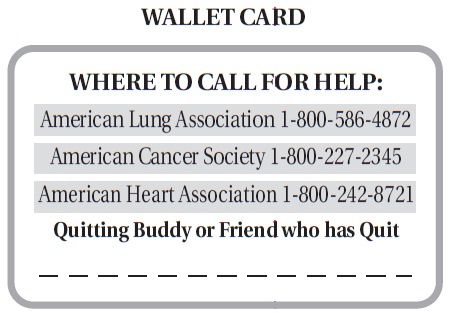
Wallet_card (Image 01)
The text describes a wallet card with phone numbers to call for help from organizations such as the American Lung Association, American Cancer Society, and American Heart Association. There is also a suggestion to contact a "Quitting Buddy" or a friend who has successfully quit a habit.*
FDA Label Image

Wallet‑_card (Image 02)

FDA Label Image

Smoke_free_logo (Image 03)

FDA Label Image

Upc_example (Image 04)

Upc_example (Image 04)
The text is not available as it only contains a random number, a word, and a UPC (barcode) code.*
FDA Label Image

Stickers (Image 05)

Stickers (Image 05)
The text is a set of reminders to be placed on a calendar for a quit smoking program, indicating the number of lozenges to be taken every 1 to 2 hours, 2 to 4 hours, or 4 to 8 hours depending on the week of the program. It also mentions a reminder for a 12-week follow-up after the quit date.*
FDA Label Image

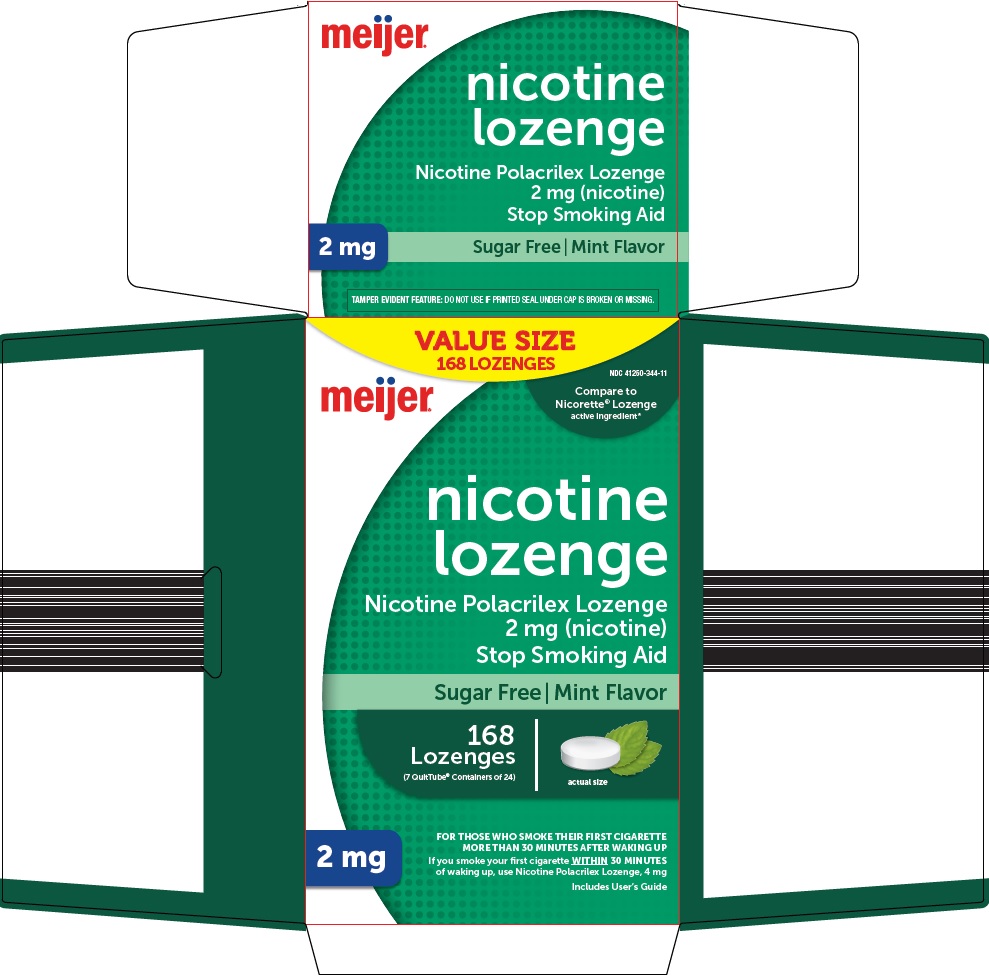
Image 06

Image 06
This is a description of a stop smoking aid product. The product is a Nicotine Polacrilex Lozenge in mint flavor and sugar-free formulations, with a strength of 2mg per lozenge. It comes in 168 lozenges packaging, intended for people who smoke their first cigarette after waking up. The text includes some errors making some characters illegible.*
FDA Label Image

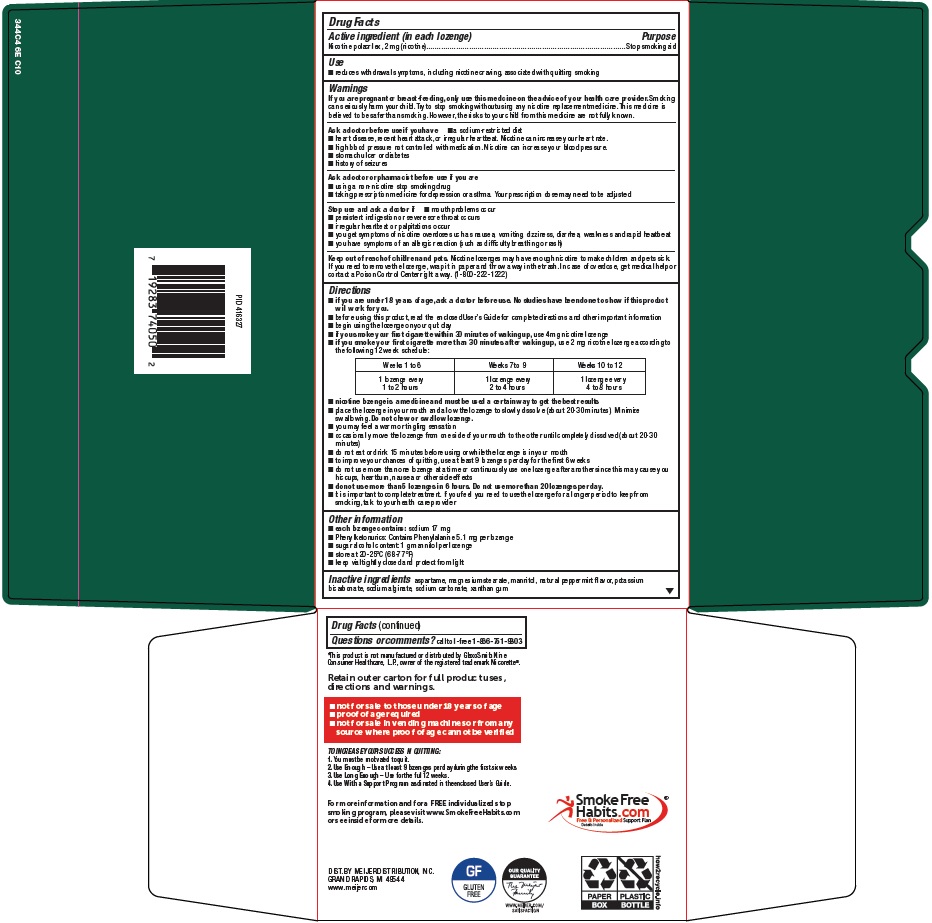
Image 07

* These product label images have been analyzed using experimental machine learning. Please verify findings with the primary label text.