Risk Summary
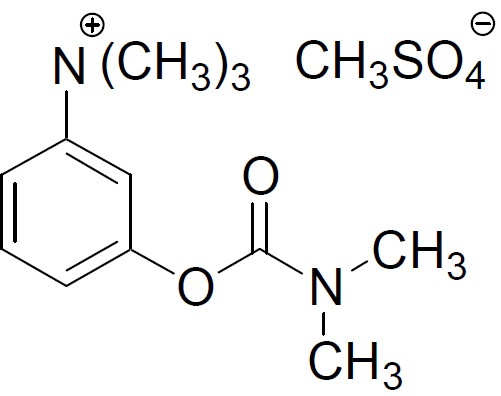
Neostigmine Methylsulfate
There are no adequate or well-controlled studies of neostigmine in pregnant women. It is not known whether neostigmine can cause fetal harm when administered to a pregnant woman or can affect reproductive capacity. The incidence of malformations in human pregnancies has not been established for neostigmine as the data are limited. All pregnancies, regardless of drug exposure, have a background risk of 2 to 4% for major birth defects, and 15 to 20% for pregnancy loss.
No adverse effects were noted in rats or rabbits treated with human equivalent doses of neostigmine methylsulfate doses up to 8.1 and 13 mcg/kg/day, respectively, during organogenesis (0.1 to 0.2-times the maximum recommended human dose of 5 mg/60 kg person/day based on body surface area comparisons).
Anticholinesterase drugs, including neostigmine may cause uterine irritability and induce premature labor when administered to pregnant women near term.
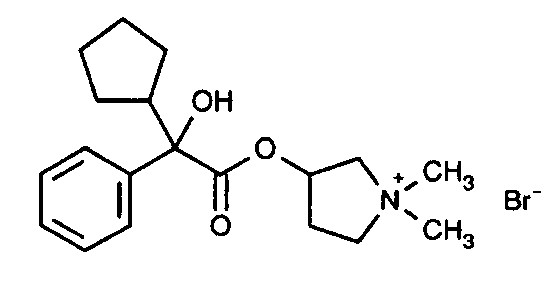
Glycopyrrolate
Limited data available with glycopyrrolate use during pregnancy have not identified a drug-associated risk of birth defects and miscarriage, however, most of the reported exposures occurred after the first trimester. Most of the available data are based on studies with exposures that occurred at the time of Cesarean-section delivery, and these studies have not identified an adverse effect on maternal outcomes or infant Apgar scores (see Data).
In animal reproduction studies in pregnant rats and rabbits administered glycopyrrolate orally (rats) and intramuscularly (rabbits) during the period of organogenesis, no teratogenic effects were seen at 640-times and 10-times the maximum recommended human dose (MRHD) of 1 mg (on a mg/m2 basis), respectively (see Data).
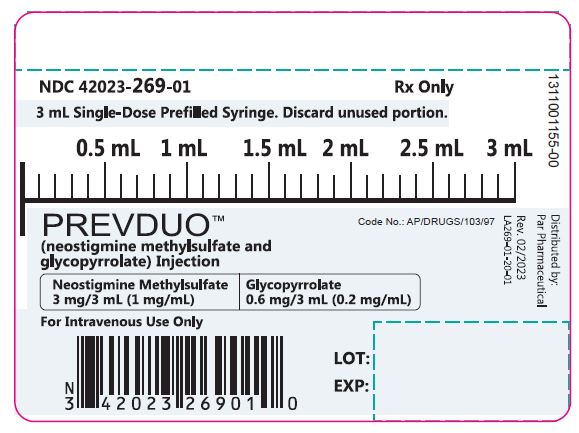
The estimated background risk for major birth defects and miscarriage for the indicated population is unknown. All pregnancies have a background risk of birth defect, loss, or other adverse outcomes. In the U.S. general population, the estimated background risk of major birth defects and miscarriage in the clinically recognized pregnancies is 2-4% and 15-20%, respectively. PREVDUOTM should be only given to a pregnant woman if the benefit outweighs the risk.
Data
Human Data
Neostigmine Methylsulfate:
There are no adequate or well-controlled studies of neostigmine methylsulfate in pregnant women.
Glycopyrrolate:
Published, randomized, controlled trials over several decades, which compared the use of glycopyrrolate to another antimuscarinic agent in pregnant women during Cesarean section, have not identified adverse maternal or infant outcomes. In normal doses (0.004 mg/kg), glycopyrrolate does not appear to affect fetal heart rate or fetal heart rate variability to a significant degree. Concentrations of glycopyrrolate in umbilical venous and arterial blood and in the amniotic fluid are low after intramuscular administration to parturients. Therefore, glycopyrrolate does not appear to penetrate through the placental barrier in significant amounts.
There are no studies on the safety of glycopyrrolate exposure during the period of organogenesis, and therefore, it is not possible to draw any conclusions on the risk of birth defects following exposure to glycopyrrolate during pregnancy. In addition, there are no data on the risk of miscarriage following fetal exposure to glycopyrrolate.
Animal Data
Neostigmine Methylsulfate:
In embryofetal development studies, rats and rabbits were administered neostigmine methylsulfate at human equivalent doses (HED, on a mg/m2 basis) of 1.6, 4 and 8.1 mcg/kg/day 3.2, 8.1, and 13 mcg/kg/day, respectively, during the period of organogenesis (Gestation Days 6 through 17 for rats and Gestation Days 6 through 18 for rabbits). There was no evidence for a teratogenic effect in rats and rabbits up to HED 8.1 and 13 mcg/kg/day, which are approximately 0.097-times and 0.16-times the MRHD of 5 mg/60 kg, respectively in the presence of minimal maternal toxicity (tremors, ataxia, and prostration). The studies resulted in exposures in the animals well below predicted exposures in humans.
In a pre- and postnatal development study in rats, neostigmine methylsulfate was administered to pregnant female rats at HED of 1.6, 4 and 8.1 mcg/kg/day from Day 6 of gestation through Day 20 of lactation, with weaning on Day 21. There were no adverse effects on physical development, behavior, learning ability, or fertility in the offspring occurred at HED doses up 8.1 mcg/kg/day which is 0.097-times the maximum recommended daily human dose (MRHD) of 5 mL/60 kg on a mg/m2 basis in the presence of minimal maternal toxicity (tremors, ataxia, and prostration). The studies resulted in exposures in the animals well below predicted exposures in humans.
Glycopyrrolate:
Reproduction studies with glycopyrrolate were performed in rats at a dietary dose of approximately 65 mg/kg/day (exposure was approximately 640 times the MRHD of 1 mg on a mg/m2 basis) and rabbits at intramuscular doses of up to 0.5 mg/kg/day (exposure was approximately 10 times the maximum recommended daily human dose on a mg/m2 basis). These studies produced no teratogenic effects to the fetus.
A preclinical study on reproductive performance of rats given glycopyrrolate resulted in a decreased rate of conception and survival at weaning.