Other
FOR ORAL INHALATION ONLY
Prescribing Information
Preclinical Intravenous studies in rats with albuterol sulfate have demonstrated that albuterol crosses the blood-brain barrier and reaches brain concentrations amounting to approximately 5% of the plasma concentrations. In structures outside the blood-brain barrier (pineal and pituitary glands), albuterol concentrations were found to be 100 times those in the whole brain.
Studies in laboratory animals (minipigs, rodents, and dogs) have demonstrated the occurrence of cardiac arrhythmias and sudden death (with histologic evidence of myocardial necrosis) when beta2-agonist and methylxanthines were administered concurrently. The clinical significance of these findings is unknown.
Propellant HFA-134a is devoid of pharmacological activity except at very high doses in animals (380-1300 times the maximum human exposure based on comparisons of AUC values), primarily producing ataxia, tremors, dyspnea, or salivation. These are similar to effects produced by the structurally related chlorofluorocarbons (CFCs), which have been used extensively in metered dose inhalers.
In animals and humans, propellant HFA-134a was found to be rapidly absorbed and rapidly eliminated, with an elimination half-life of 3 to 27 minutes in animals and 5 to 7 minutes in humans. Time to maximum plasma concentration (Tmax) and mean residence time are both extremely short, leading to a transient appearance of HFA-134a in the blood with no evidence of accumulation.
Clinical Trials In a 12-week, randomized, double-blind, double-dummy, active- and placebo-controlled trial, 565 patients with asthma were evaluated for the bronchodilator efficacy of PROVENTIL HFA Inhalation Aerosol (193 patients) in comparison to a CFC 11/12 propelled albuterol inhaler (186 patients) and an HFA-134a placebo inhaler (186 patients).
Serial FEV1 measurements (shown below as percent change from test-day baseline) demonstrated that two inhalations of PROVENTIL HFA Inhalation Aerosol produced significantly greater improvement in pulmonary function than placebo and produced outcomes which were clinically comparable to a CFC 11/12 propelled albuterol inhaler.
The mean time to onset of a 15% increase in FEV1 was 6 minutes and the mean time to peak effect was 50 to 55 minutes. The mean duration of effect as measured by a 15% increase in FEV1 was 3 hours. In some patients, duration of effect was as long as 6 hours.
In another clinical study in adults, two inhalations of PROVENTIL HFA Inhalation Aerosol taken 30 minutes before exercise prevented exercise-induced bronchospasm as demonstrated by the maintenance of FEV1 within 80% of baseline values in the majority of patients.
In a 4-week, randomized, open-label trial, 63 children, 4 to 11 years of age, with asthma were evaluated for the bronchodilator efficacy of PROVENTIL HFA Inhalation Aerosol (33 pediatric patients) in comparison to a CFC 11/12 propelled albuterol inhaler (30 pediatric patients).
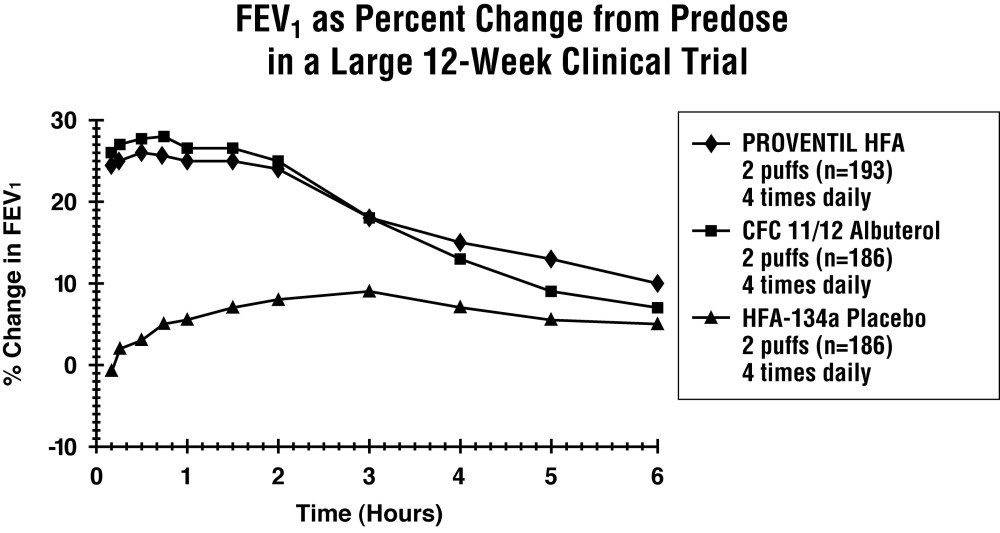
Figure (12d06309 0483 48c6 A9f2 B25dcc31db72 02)
Serial FEV1 measurements as percent change from test-day baseline demonstrated that two inhalations of PROVENTIL HFA Inhalation Aerosol produced outcomes which were clinically comparable to a CFC 11/12 propelled albuterol inhaler.
The mean time to onset of a 12% increase in FEV1 for PROVENTIL HFA Inhalation Aerosol was 7 minutes and the mean time to peak effect was approximately 50 minutes. The mean duration of effect as measured by a 12% increase in FEV1 was 2.3 hours. In some pediatric patients, duration of effect was as long as 6 hours.
In another clinical study in pediatric patients, two inhalations of PROVENTIL HFA Inhalation Aerosol taken 30 minutes before exercise provided comparable protection against exercise-induced bronchospasm as a CFC 11/12 propelled albuterol inhaler.
Tocolysis: Albuterol has not been approved for the management of preterm labor. The benefit:risk ratio when albuterol is administered for tocolysis has not been established. Serious adverse reactions, including pulmonary edema, have been reported during the following treatment of premature labor with beta2-agonists, including albuterol.
Exercise Induced Bronchospasm Prevention: The usual dosage for adults and children 4 years of age and older is two inhalations 15 to 30 minutes before exercise.
To maintain proper use of this product, it is important that the mouthpiece be washed and dried thoroughly at least once a week. The inhaler may cease to deliver medication if not properly cleaned and dried thoroughly (see PRECAUTIONS, Information for Patients section). Keeping the plastic mouthpiece clean is very important to prevent medication build-up and blockage. The inhaler may cease to deliver medication if not properly cleaned and air dried thoroughly. If the mouthpiece becomes blocked, washing the mouthpiece will remove the blockage.
If a previously effective dose regimen fails to provide the usual response, this may be a marker of destabilization of asthma and requires reevaluation of the patient and the treatment regimen, giving special consideration to the possible need for anti-inflammatory treatment, eg, corticosteroids.
Attention Health Care Professional
Detach Patient's Instructions for Use from package insert and dispense with the product.
PROVENTIL® HFA
(albuterol sulfate)
Inhalation Aerosol
FOR ORAL INHALATION ONLY
Patient's Instructions for Use
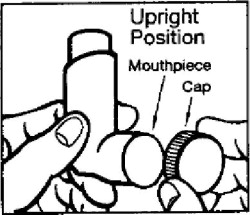
Figure 1 (12d06309 0483 48c6 A9f2 B25dcc31db72 03)
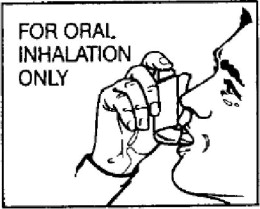
Figure 2 (12d06309 0483 48c6 A9f2 B25dcc31db72 04)
Before using your PROVENTIL® HFA (albuterol Sulfate) Inhalation Aerosol, read complete instructions carefully. Children should use PROVENTIL HFA Inhalation Aerosol under adult supervision, as instructed by the patient's doctor
Please note that

Image (12d06309 0483 48c6 A9f2 B25dcc31db72 05)
- SHAKE THE INHALER WELL immediately before each use. Then remove the cap from the mouthpiece (see Figure 1). Check mouthpiece for foreign objects prior to use. Make sure the canister is fully inserted into the actuator.
- As with all aerosol medications, it is recommended to prime the inhaler before using for the first time and in cases where the inhaler has not been used for more than 2 weeks. Prime by releasing four “test sprays” into the air, away from your face.
- BREATH OUT FULLY THROUGH THE MOUTH, expelling as much air from your lungs as possible. Place the mouthpiece fully into the mouth holding the inhaler in its upright position (see Figure 2) and closing the lips around it.
- WHILE BREATHING IN DEEPLY AND SLOWLY THROUGH THE MOUTH, FULLY DEPRESS THE TOP OF THE METAL CANISTER with your index finger (see Figure 2).
- HOLD YOUR BREATH AS LONG AS POSSIBLE, up to 10 seconds. Before breathing out, remove the inhaler from your mouth and release your finger from the canister.
- If your physician has prescribed additional puffs, wait 1 minute, shake the inhaler again, and repeat steps 3 through 5. Replace the cap after use.
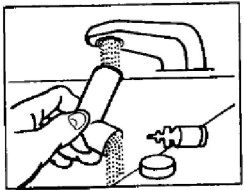
- KEEPING THE PLACTIC MOUTHPIECE CLEAN IS EXTREMELY IMPORTANT TO PREVENT MEDICATION BUILD-UP AND BLOCKAGE. THE MOUTHPIECE SHOULD BE WASHED, SHAKEN TO REMOVE EXCESS WATER, AND AIR DRIED THOROUGHLY AT LEAST ONCE A WEEK. INHALER MAY STOP SPRAYING IF NOT PROPERLY CLEANED.
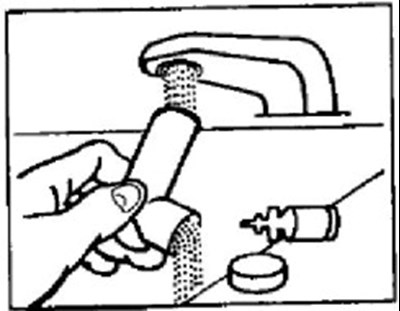
Figure A (12d06309 0483 48c6 A9f2 B25dcc31db72 06)
Figure A
- The correct amount of medication in each inhalation cannot be assured after 200 actuations, even though the canister is not completely empty. The canister should be discarded when the labeled number of actuations have been used. Before you reach the specific number of actuations, you should consult your physician to determine whether a refill is needed. Just as you should not take extra doses without consulting your physician, you also should not stop using PROVENTIL HFA Inhalation Aerosol without consulting your physician.
You may notice a slightly different taste or spray force than you are used to with PROVENTIL HFA Inhalation Aerosol, compared to other albuterol inhalation aerosol products.
DOSAGE:
Use only as directed by your physician.
WARNINGS:
The action of PROVENTIL® HFA Inhalation Aerosol should last up to 4 to 6 hours. PROVENTIL HFA Inhalation Aerosol should not be used more frequently than recommended. Do not increase the number of puffs or frequency of doses of PROVENTIL HFA Inhalation Aerosol without consulting your physician. If you find that treatment with PROVENTIL HFA Inhalation Aerosol becomes less effective for symptomatic relief, your symptoms become worse, and/or you need to use the product more frequently than usual, medical attention should be sought immediately. While you are taking PROVENTIL HFA Inhalation Aerosol, other inhaled drugs should be taken only as directed by your physician. If you are pregnant or nursing, contact your physician about the use of PROVENTIL HFA Inhalation Aerosol.
Common adverse effects of treatment with PROVENTIL HFA Inhalation Aerosol include palpitations, chest pain, rapid heart rate, tremor, or nervousness. Effective and safe use of PROVENTIL HFA Inhalation Aerosol includes an understanding of the way that it should be administered. Use PROVENTIL HFA Inhalation Aerosol only with the yellow actuator supplied with the product. The PROVENTIL HFA Inhalation Aerosol actuator should not be used with other aerosol medications.
For best results, use at room temperature. Avoid exposing product to extreme heat and cold.
Shake well before use.
Contents Under Pressure.
Do not puncture. Do not store near hear or open flame. Exposure to temperatures above 120°F may cause bursting. Never throw container into fire or incinerator. Store between 15° - 25°C (59° - 77°F). Avoid spraying in eyes. Keep out of reach of children.
Further Information: Your PROVENTIL® HFA (albuterol sulfate) Inhalation Aerosol does not contain chlorofluorocarbons (CFCs) as the propellant. Instead, the inhaler contains a hydrofluoroalkane (HFA-134a) as the propellant.
Developed and Manufactured by
3M Health Care Limited
Loughborough UK
or
3M Drug Delivery Systems
Northridge, CA 91324
For Schering Corporation
a subsidiary of
Schering-Plough Corporation,
Kenilworth, NJ 07033 USA
Schering-Plough
Rev. 02/09
673800
© 1996, 1999, Schering Corporation
All rights reserved.
U.S. Patent No. 5,225,183; 5,439,670; 5,605,674; 5,695,743; 5,766,573; and 6,352,684.
Relabeled by:
Rebel Distributors Corp
Thousand Oaks, CA 91320