Abiraterone Acetate Tablet
Product Images NDC 42291-024

View Photos of Packaging, Regulatory Labels, and Product Appearance

Product Visual Gallery

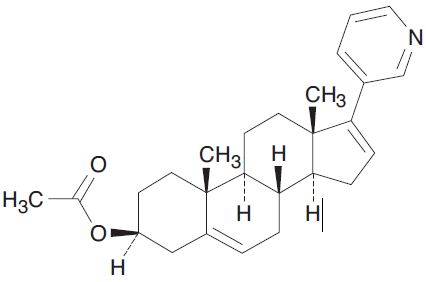
This gallery contains 5 technical images submitted to the FDA as part of the official labeling for Abiraterone Acetate (NDC 42291-024). Unlike standard consumer photos, these assets often include clinical data figures, molecular chemical structures, and official manufacturer packaging layouts.

As provided by Avkare, these visuals offer a comprehensive scientific overview of the product's physical and chemical identity, aiding pharmacists and researchers in product verification and study.

FDA Label Image

024 12 250mg

024 12 250mg
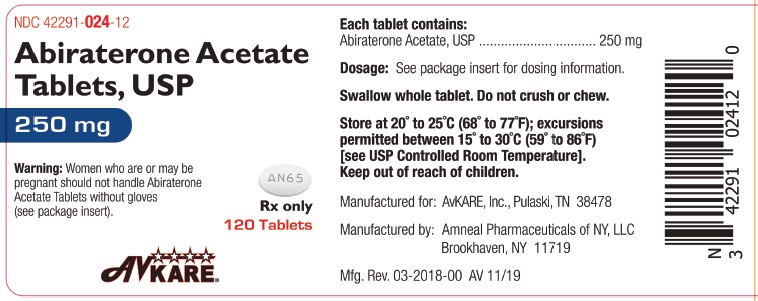
Abiraterone Acetate is a prescription medicine available as tablets for oral administration. The tablets are white colored, capsule-shaped, biconvex, and debossed with "KARE" on one side and "143" on the other side. The medicine is used in the treatment of prostate cancer. It should not be taken by women who are or may be pregnant as it can harm the unborn baby. The dosage of the medicine should be taken only as prescribed by the doctor mentioned on the package insert. It should be taken with food or on an empty stomach. It should be stored in a cool and dry place, away from the reach of children. If the medicine causes any allergic reactions or symptoms, the doctor should be informed immediately.*
FDA Label Image

1 (Abiraterone Acetate Tablets 1)

FDA Label Image

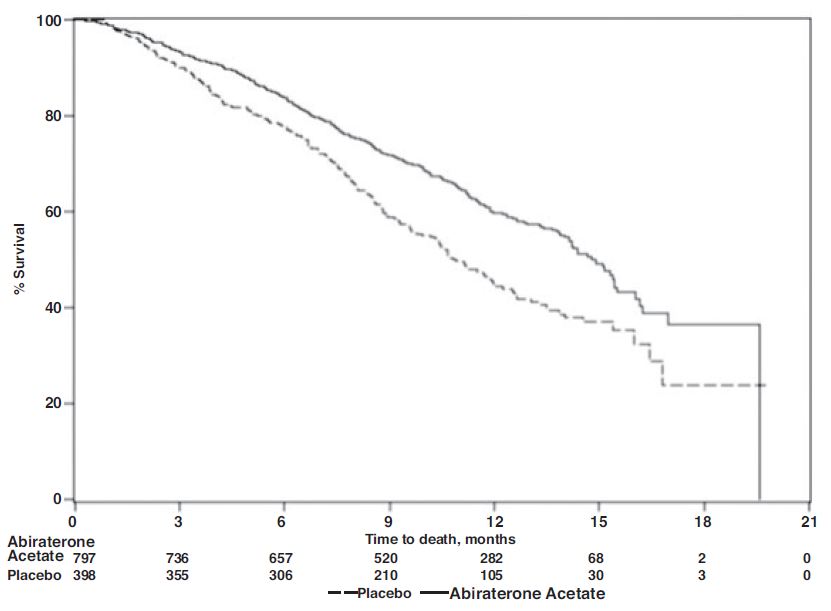
Figure 1 (Abiraterone Acetate Tablets 2)

Figure 1 (Abiraterone Acetate Tablets 2)
This is a survival curve for patients on Abiraterone Acetate compared to placebo. The x-axis represents time in months and the y-axis represents the percentage of patients who survived. The blue line represents patients on Abiraterone Acetate and the red line represents patients on a placebo. At the start of the study, both groups had 100% survival (represented by a horizontal line at the top of the graph). Over time, more patients in the placebo group died, while patients on Abiraterone Acetate survived longer.*
FDA Label Image

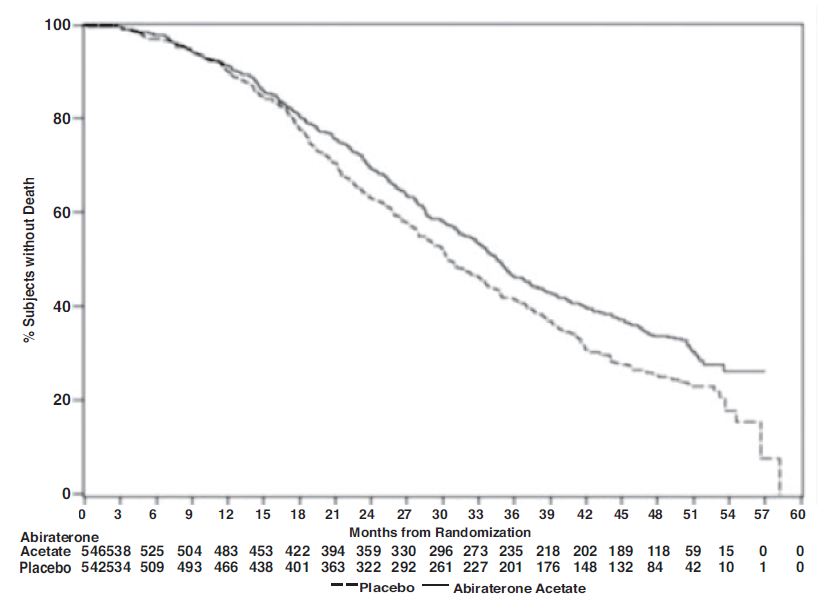
Figure 2 (Abiraterone Acetate Tablets 3)

Figure 2 (Abiraterone Acetate Tablets 3)
This appears to be a graph showing the survival rates of subjects without death over time in a clinical trial comparing the effects of a drug called "Abiraterone Acetate" with a placebo. The x-axis shows the months from randomization, and the y-axis shows the percentage of subjects who survived without death. The drug seems to perform better than the placebo in terms of survival rates.*
FDA Label Image

Figure 3 (Abiraterone Acetate Tablets 4)

Figure 3 (Abiraterone Acetate Tablets 4)
The text describes a chart showing the percentage of subjects without radiographic progression or death over a period of 18 months, with the use of Abiraterone Acetate versus Placebo. The percentage of subjects is shown for different time points, including at 0, 6, 9, 12, 15, and 18 months from randomization. The chart indicates that subjects treated with Abiraterone Acetate had a higher percentage of no radiographic progression or death compared to those who received placebo.*

* These product label images have been analyzed using experimental machine learning. Please verify findings with the primary label text.