Extrashade Daily Defense Hydrating Sunscreen Spf 30 Lotion
Product Images NDC 42338-001

View Photos of Packaging, Regulatory Labels, and Product Appearance

Product Visual Gallery

This gallery contains 2 technical images submitted to the FDA as part of the official labeling for Extrashade Daily Defense Hydrating Sunscreen Spf 30 (NDC 42338-001). Unlike standard consumer photos, these assets often include clinical data figures, molecular chemical structures, and official manufacturer packaging layouts.

As provided by Extra Shade, Llc, these visuals offer a comprehensive scientific overview of the product's physical and chemical identity, aiding pharmacists and researchers in product verification and study.

FDA Label Image

Extra Shade 1 (Extrashade1)
Extra Shade 1 (Extrashade1)
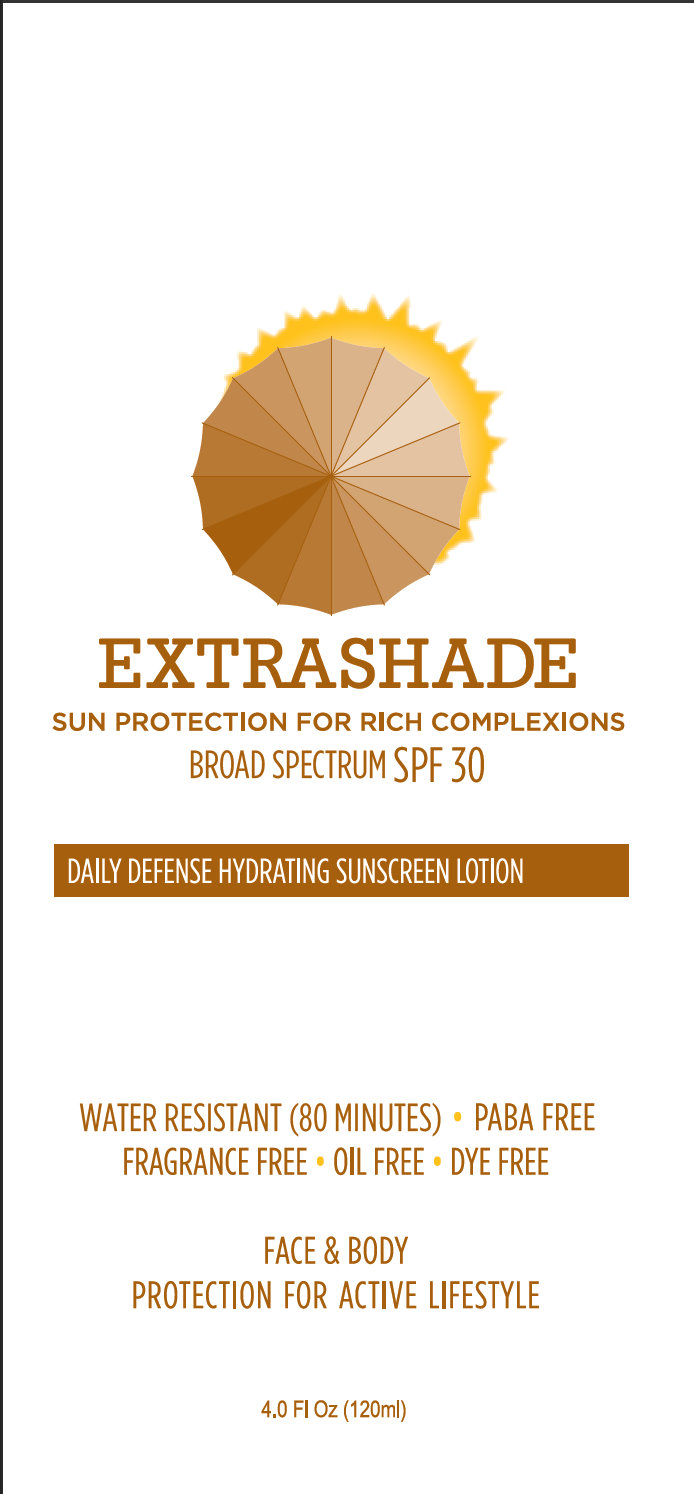
Extrashade is a hydrating sunscreen lotion that provides broad-spectrum SPF 30 protection to individuals with rich complexions. It is water-resistant for up to 80 minutes, fragrance-free, oil-free, dye-free, and PABA-free, making it suitable for active individuals. The product comes in a 120ml bottle suitable for use on both the face and the body.*
FDA Label Image

Extra Shade 2 (Extrashade2)

Extra Shade 2 (Extrashade2)
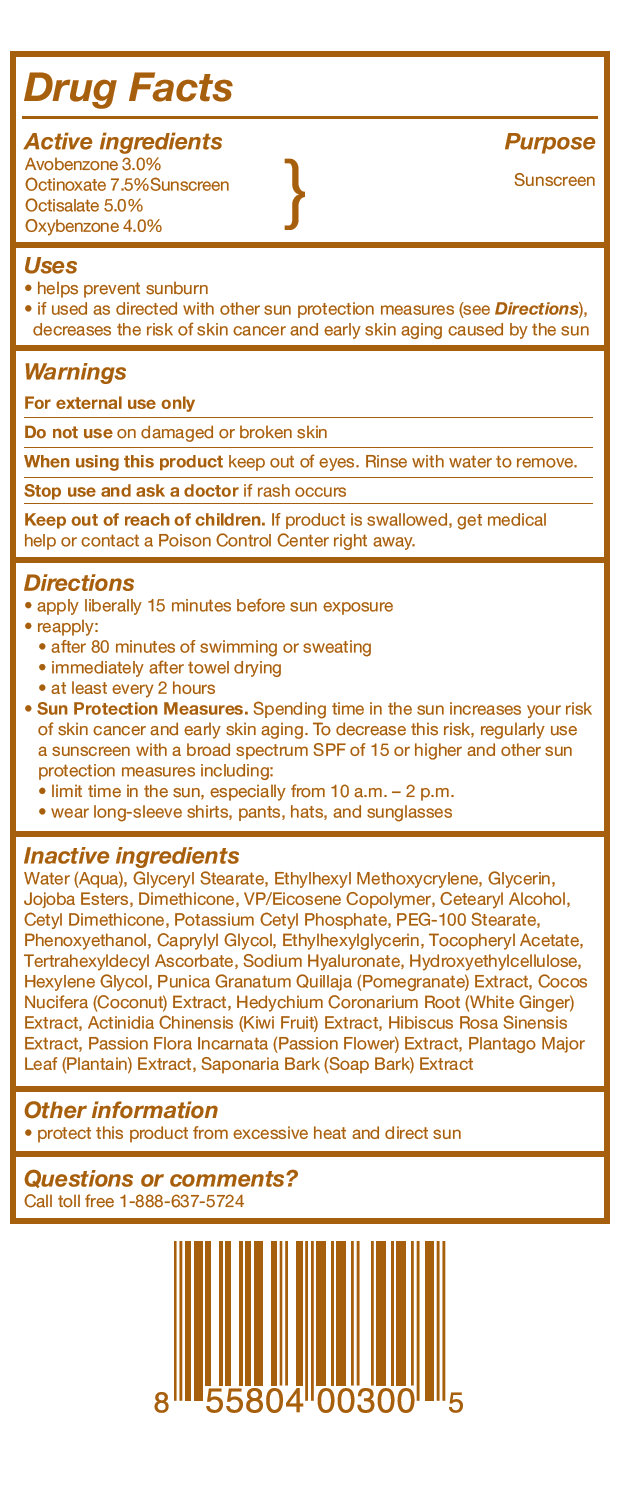
This is a Drug Facts label for a sunscreen product with the active ingredients avobenzone, octinoxate, octisalate, and oxybenzone. The sunscreen protects against sunburn and reduces the risk of skin cancer and early skin aging. The product is for external use only and should not be used on damaged or broken skin. The directions advise applying the sunscreen liberally at least 15 minutes before sun exposure and reapplying every 2 hours or more frequently when swimming, sweating, or towel drying. The sunscreen is formulated with inactive ingredients such as water, glyceryl stearate, and jojoba esters. If a rash occurs or the product is swallowed, the user should stop use and contact a doctor or Poison Control Center immediately. The package should be protected from excessive heat and direct sun.*

* These product label images have been analyzed using experimental machine learning. Please verify findings with the primary label text.