Rilpivirine Tablet, Film Coated
FDA Label NDC 42385-999

Full FDA labeling including Indications, Dosage, Usage, and Precautions

Structured Product Label

The following Structured Product Label (SPL) was submitted to the FDA by Laurus Labs Limited for the product Rilpivirine (NDC 42385-999). This document serves as the official prescribing information, containing essential scientific data and clinical materials required for healthcare providers and patients.

This specific version of the label includes detailed information regarding 1.1 treatment of hiv-1 in treatment-naïve patients, 1.2 treatment of hiv-1 in combination with cabotegravir, 2.1 overview of dosage form, 2.2 recommended dosage in treatment-naïve adult patients, 2.3 recommended dosage in treatment-naïve pediatric patients 12 years of age and older and weighing at least 35 kg, 2.5 recommended dosage during pregnancy, 2.6 recommended dosage in combination with cabotegravir in adults and adolescents 12 years of age and older and weighing at least 35 kg, 2.7 recommended dosage with rifabutin coadministration, and other regulatory disclosures. Use the navigation below to review specific sections of the FDA submission.

Label Section Quick Index

1.1 Treatment Of Hiv-1 In Treatment-Naïve Patients

Rilpivirine tablets, in combination with other antiretroviral agents, are indicated for the treatment of human immunodeficiency virus type 1 (HIV-1) infection in antiretroviral treatment-naïve patients 12 years of age and older and weighing at least 35 kg with plasma HIV-1 RNA less than or equal to 100,000 copies/mL at the start of therapy.

Limitations of Use

•   More rilpivirine treated subjects with HIV-1 RNA greater than 100,000 copies/mL at the start of therapy experienced virologic failure (HIV-1 RNA ≥50 copies/mL) compared to rilpivirine treated subjects with HIV-1 RNA less than or equal to 100,000 copies/mL [see Clinical Studies (14.1)].

    Additional pediatric use information is approved for Janssen Products LP's Edurant (Rilpivirine) tablets. However, due to Janssen Products LP's marketing exclusivity rights, this drug product is not labeled with that information.
1.2 Treatment Of Hiv-1 In Combination With Cabotegravir

Rilpivirine tablets are indicated in combination with VOCABRIA (cabotegravir) for short-term treatment of HIV-1 infection in adults and adolescents 12 years and older and weighing at least 35 kg who are virologically suppressed (HIV-1 RNA less than 50 copies/mL) on a stable antiretroviral regimen with no history of treatment failure and with no known or suspected resistance to either cabotegravir or rilpivirine, for use as [see Dosage and Administration (2.6)]:

•   oral lead-in to assess the tolerability of rilpivirine prior to administration of rilpivirine extended-release injectable suspension, a component of CABENUVA (cabotegravir extended- release injectable suspension; rilpivirine extended-release injectable suspension).

•   oral therapy for patients who will miss planned injection dosing with CABENUVA (cabotegravir extended-release injectable suspension; rilpivirine extended-release injectable suspension).

2.1 Overview Of Dosage Form

Rilpivirine tablets are available in:
•   Rilpivirine 25 mg film-coated tablets for adults and pediatric patients weighing at least 35 kg.

Do not substitute rilpivirine tablets and EDURANT PED tablets for oral suspension on a milligram-per-milligram basis due to differing pharmacokinetic profiles. [see Warnings and Precautions (5.6)]. Take rilpivirine tablets once daily with a meal in combination with other antiretrovirals [see Clinical Pharmacology (12.3)].

Additional pediatric use information is approved for Janssen Products LP's Edurant (Rilpivirine) tablets. However, due to Janssen Products LP's marketing exclusivity rights, this drug product is not labeled with that information.

The recommended dosage of rilpivirine tablets in pediatric patients 12 years of age and older and weighing at least 35 kg is based on body weight (see Table 1). Rilpivirine tablets should be taken orally once daily with a meal [see Use in Specific Populations (8.4) and Clinical Pharmacology (12.3)].

Table 1:  Recommended Dosage of Rilpivirine Tablets for Pediatric Patients
 
 Body Weight (kg)
  
 
 Rilpivirine 25 mg Tablets
  
 
 Total Daily Dose
  
 
 Greater than or equal to 35 kg
  
 
 1 tablet once daily
  
 
 25 mg rilpivirine tablets once daily
  

Additional pediatric use information is approved for Janssen Products LP's Edurant (Rilpivirine) tablets. However, due to Janssen Products LP's marketing exclusivity rights, this drug product is not labeled with that information.

2.5 Recommended Dosage During Pregnancy

For pregnant patients who are already on a stable rilpivirine regimen prior to pregnancy and who are virologically suppressed (HIV-1 RNA less than 50 copies per mL) the recommended dosage in adults and pediatric patients weighing at least 35 kg is one 25 mg tablet once daily taken orally with a meal. Refer to Table 1 for dosing recommendations for pediatric patients [see Dosage and Administration (2.2, 2.3)]. Lower exposures of rilpivirine were observed during pregnancy, therefore viral load should be monitored closely [see Use in Specific Populations (8.1) and Clinical Pharmacology (12.3)].

Additional pediatric use information is approved for Janssen Products LP's Edurant (Rilpivirine) tablets. However, due to Janssen Products LP's marketing exclusivity rights, this drug product is not labeled with that information.

2.6 Recommended Dosage In Combination With Cabotegravir In Adults And Adolescents 12 Years Of Age And Older And Weighing At Least 35 Kg

Consult the prescribing information for CABENUVA (cabotegravir extended-release injectable suspension; rilpivirine extended-release injectable suspension) before initiating rilpivirine to ensure therapy with CABENUVA is appropriate.

Oral Lead-In Dosing to Assess Tolerability of Rilpivirine

Oral lead-in should be used for approximately 1 month (at least 28 days) to assess the tolerability of rilpivirine prior to the initiation of CABENUVA. The recommended oral daily dose is one 25 mg tablet of rilpivirine in combination with one 30 mg tablet of VOCABRIA (cabotegravir). Take rilpivirine with VOCABRIA (cabotegravir) orally once daily at approximately the same time each day with a meal [see Clinical Pharmacology (12.3)].

Because rilpivirine is indicated in combination with VOCABRIA (cabotegravir), the prescribing information for VOCABRIA (cabotegravir) tablets should also be consulted.

The last oral dose should be taken on the same day injections with CABENUVA are started.

Oral Dosing to Replace Planned Missed Injections of CABENUVA

Planned Missed Injections for Patients on Monthly Dosing Schedule

If a patient plans to miss a scheduled monthly injection of CABENUVA by more than 7 days, take daily oral therapy for up to 2 months to replace missed injection visits. The recommended oral daily dose is one 25 mg tablet of rilpivirine and one 30 mg tablet of VOCABRIA (cabotegravir). Take rilpivirine with VOCABRIA (cabotegravir) at approximately the same time each day with a meal. The first dose of oral therapy should be initiated at approximately the same time as the planned missed injection and continued until the day injection dosing is restarted. For oral therapy with rilpivirine and VOCABRIA of durations greater than 2 months, an alternative oral regimen is recommended, which may include rilpivirine. See full prescribing information for CABENUVA to resume monthly injection dosing.

Planned Missed Injections for Patients on Every-2-Month Dosing Schedule

If a patient plans to miss a scheduled every-2-month injection of CABENUVA by more than 7 days, take daily oral therapy for a duration of up to 2 months to replace 1 missed scheduled every-2-month injection. The recommended oral daily dose is one 25 mg tablet of rilpivirine and one 30 mg tablet of VOCABRIA (cabotegravir). Take rilpivirine with VOCABRIA (cabotegravir) at approximately the same time each day with a meal. The first dose of oral therapy should be initiated at approximately the same time as the planned missed injection and continued until the day injection dosing is restarted. For oral therapy with rilpivirine and VOCABRIA of durations greater than 2 months, an alternative oral regimen is recommended, which may include rilpivirine. See full prescribing information for CABENUVA to resume every-2-month injection dosing.

2.7 Recommended Dosage With Rifabutin Coadministration

If rilpivirine is coadministered with rifabutin, the rilpivirine dose should be increased to 50 mg (two 25 mg tablets) once daily, taken with a meal. When rifabutin coadministration is stopped, the rilpivirine dose should be decreased to 25 mg once daily, taken with a meal [see Drug Interactions (7) and Clinical Pharmacology (12.3)].

Note that use of CABENUVA (cabotegravir extended-release injectable suspension; rilpivirine extended-release injectable suspension) with rifabutin is contraindicated. Refer to CABENUVA labeling for additional detail.

3 Dosage Forms And Strengths

Rilpivirine 25 mg Film-Coated Tablets

25 mg white to off-white, round, biconvex film coated tablets debossed with ‘5L’ on one side and plain on other side. Each tablet contains 27.5 mg of rilpivirine hydrochloride, which is equivalent to 25 mg of rilpivirine.


4 Contraindications

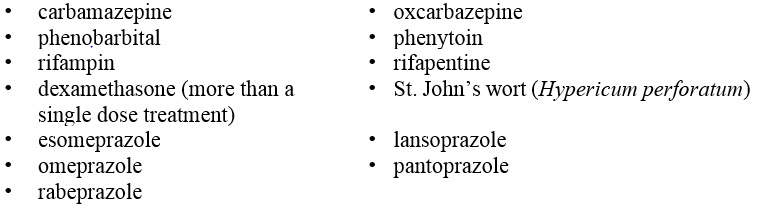
Rilpivirine is contraindicated for coadministration with the drugs in Table 2 for which significant decreases in rilpivirine plasma concentrations may occur due to CYP3A enzyme induction or gastric pH increase, which may result in loss of virologic response and possible resistance to rilpivirine or to the class of NNRTIs [see Drug Interactions (7) and Clinical Pharmacology (12.3)].


 Table 2: Drugs That are Contraindicated with Rilpivirine 
 Drug Class
 
 Contraindicated
 Drugs in Class
 
 Clinical Comment
 
 Anticonvulsants
 
 Carbamazepine
 Oxcarbazepine
 Phenobarbital
 Phenytoin
 
 Potential for significant decreases in rilpivirine plasma concentrations due to CYP3A enzyme induction, which may result in loss of virologic response.
 
 Antimycobacterials
 
 Rifampin
 Rifapentine
 
 Glucocorticoid
 (systemic)
 
 Dexamethasone
 (more than a single-
 dose treatment)
 
 Herbal Products
 
 St. John’s wort
 (Hypericum perforatum)
 
 Proton Pump
 Inhibitors
 
 e.g., Esomeprazole
 Lansoprazole
 Omeprazole
 Pantoprazole
 Rabeprazole
 
 Potential for significant decreases in rilpivirine plasma concentrations due to gastric pH increase, which may result in loss of virologic response.


5.1 Skin And Hypersensitivity Reactions


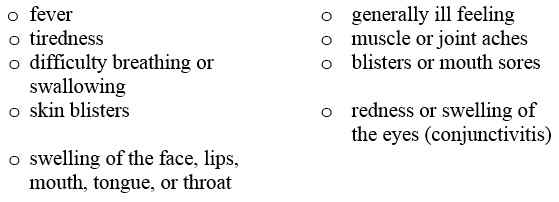
Severe skin and hypersensitivity reactions have been reported during the postmarketing experience, including cases of Drug Reaction with Eosinophilia and Systemic Symptoms (DRESS), with rilpivirine-containing regimens. While some skin reactions were accompanied by constitutional symptoms such as fever, other skin reactions were associated with organ dysfunctions, including elevations in hepatic serum biochemistries. During the Phase 3 clinical trials, treatment-related rashes with at least Grade 2 severity were reported in 3% of subjects receiving rilpivirine. No Grade 4 rash was reported. Overall, most rashes were Grade 1 or 2 and occurred in the first four to six weeks of therapy [see Adverse Reactions (6.1 and 6.2)]. Discontinue rilpivirine immediately if signs or symptoms of severe skin or hypersensitivity reactions develop, including but not limited to, severe rash or rash accompanied by fever, blisters, mucosal involvement, conjunctivitis, facial edema, angioedema, hepatitis or eosinophilia. Clinical status including laboratory parameters should be monitored and appropriate therapy should be initiated.

5.2 Hepatotoxicity


Hepatic adverse events have been reported in patients receiving a rilpivirine-containing regimen. Patients with underlying hepatitis B or C virus infection, or marked elevations in transaminases prior to treatment may be at increased risk for worsening or development of transaminase elevations with use of rilpivirine. A few cases of hepatic toxicity have been reported in adult patients receiving a rilpivirine-containing regimen who had no pre-existing hepatic disease or other identifiable risk factors. Appropriate laboratory testing prior to initiating therapy and monitoring for hepatotoxicity during therapy with rilpivirine is recommended in patients with underlying hepatic disease such as hepatitis B or C virus infection, or in patients with marked elevations in transaminases prior to treatment initiation. Liver enzyme monitoring should also be considered for patients without pre-existing hepatic dysfunction or other risk factors.

5.3 Depressive Disorders


The adverse reaction depressive disorders (depressed mood, depression, dysphoria, major depression, mood altered, negative thoughts, suicide attempt, suicidal ideation) has been reported with rilpivirine. Patients with severe depressive symptoms should seek immediate medical evaluation to assess the possibility that the symptoms are related to rilpivirine, and if so, to determine whether the risks of continued therapy outweigh the benefits.

During the Phase 3 trials in adults (N=1,368) through 96 weeks, the incidence of depressive disorders (regardless of causality, severity) reported among rilpivirine (n=686) or efavirenz (n=682) was 9% and 8%, respectively. Most events were mild or moderate in severity. The incidence of Grade 3 and 4 depressive disorders (regardless of causality) was 1% for both rilpivirine and efavirenz. The incidence of discontinuation due to depressive disorders among rilpivirine or efavirenz was 1% in each arm. Suicidal ideation was reported in 4 subjects in each arm while suicide attempt was reported in 2 subjects in the rilpivirine arm.

During the Phase 2 trial in pediatric subjects 12 to less than 18 years of age (N=36) receiving rilpivirine through 48 weeks, the incidence of depressive disorders (regardless of causality, severity) was 19.4% (7/36). Most events were mild or moderate in severity. The incidence of Grade 3 and 4 depressive disorders (regardless of causality) was 5.6% (2/36). None of the subjects discontinued due to depressive disorders. Suicidal ideation and suicide attempt were reported in 1 subject.

5.4 Risk Of Adverse Reactions Or Loss Of Virologic Response Due To Drug Interactions

The concomitant use of rilpivirine and other drugs may result in potentially significant drug interactions, some of which may lead to [see Dosage and Administration (2.7), Contraindications (4), and Drug Interactions (7)]:

•   Loss of therapeutic effect of rilpivirine and possible development of resistance.

In healthy subjects, 75 mg once daily and 300 mg once daily (3 times and 12 times the dose in rilpivirine) have been shown to prolong the QTc interval of the electrocardiogram. Consider alternatives to rilpivirine when coadministered with a drug that is known to have a risk of torsade de pointes [see Drug Interactions (7) and Clinical Pharmacology (12.2)].

See Table 6 for steps to prevent or manage these possible and known significant drug interactions, including dosing recommendations. Consider the potential for drug interactions prior to and during rilpivirine therapy and review concomitant medications during therapy.

5.5 Immune Reconstitution Syndrome

Immune reconstitution syndrome has been reported in patients treated with combination antiretroviral therapy, including rilpivirine. During the initial phase of combination antiretroviral treatment, patients whose immune system responds may develop an inflammatory response to indolent or residual opportunistic infections (such as Mycobacterium avium infection, cytomegalovirus, Pneumocystis jirovecii pneumonia or tuberculosis), which may necessitate further evaluation and treatment.

Autoimmune disorders (such as Graves’ disease, polymyositis, Guillain-Barré syndrome, and autoimmune hepatitis) have also been reported to occur in the setting of immune reconstitution; however, the time to onset is more variable, and can occur many months after initiation of treatment.

5.6 Different Formulations Are Not Substitutable

Rilpivirine and EDURANT PED have differing pharmacokinetic profiles and are not substitutable on a milligram-per-milligram basis. Incorrect dosing of a given formulation may result in underdosing and loss of therapeutic effect and possible development of resistance or possible clinically significant adverse reactions from greater exposure to rilpivirine.

Additional pediatric use information is approved for Janssen Products LP's Edurant (Rilpivirine) tablets. However, due to Janssen Products LP's marketing exclusivity rights, this drug product is not labeled with that information.

6.1 Clinical Trials Experience


Because clinical trials are conducted under widely varying conditions, adverse reaction rates observed in the clinical trials of a drug cannot be directly compared to rates in the clinical trials of another drug and may not reflect the rates observed in clinical practice.

Clinical Trials Experience in Adults

The safety assessment is based on the Week 96 pooled data from 1,368 patients in the Phase 3 controlled trials TMC278-C209 (ECHO) and TMC278-C215 (THRIVE) in antiretroviral treatment-naïve HIV-1 infected adult patients, 686 of whom received rilpivirine (25 mg once daily) [see Clinical Studies (14.1)]. The median duration of exposure for patients in the rilpivirine arm and efavirenz arm was 104.3 and 104.1 weeks, respectively. Most adverse reactions occurred in the first 48 weeks of treatment. The proportion of subjects who discontinued treatment with rilpivirine or efavirenz due to adverse reaction, regardless of severity, was 2% and 4%, respectively. The most common adverse reactions leading to discontinuation were psychiatric disorders: 10 (1%) subjects in the rilpivirine arm and 11 (2%) subjects in the efavirenz arm. Rash led to discontinuation in 1 (<1%) subject in the rilpivirine arm and 10 (2%) subjects in the efavirenz arm.

Common Adverse Reactions

Adverse reactions of at least moderate intensity (≥Grade 2) reported in at least 2% of adult subjects are presented in Table 3. Selected laboratory abnormalities are included in Table 4.


 Table 3:      Selected Adverse Reactions of at Least Moderate Intensity* (Grades 2 to 4) Occurring in at Least 2% of Antiretroviral Treatment-Naïve HIV-1 Infected Adult Subjects (Week 96 Analysis) 
 N=total number of subjects per treatment group; BR=background regimen
 *    Intensities are defined as follows: Moderate (discomfort enough to cause interference with usual activity); Severe (incapacitating with inability to work or do usual activity).
     Includes adverse reactions reported as depressed mood, depression, dysphoria, major depression, mood altered, negative thoughts, suicide attempt, suicide ideation.
 
 System Organ Class,
 Preferred Term,
 %
 
 Pooled Data from the Phase 3 TMC278-C209 and TMC278-C215 Trials
 
 Rilpivirine + BR
 N=686
 
 Efavirenz + BR
 N=682
 
 Gastrointestinal Disorders
 
    Abdominal pain
 
 2%
 
 2%
 
    Nausea
 
 1%
 
 3%
 
    Vomiting
 
 1%
 
 2%
 
 General Disorders and Administration Site Conditions
 
    Fatigue
 
 2%
 
 2%
 
 Nervous System Disorders
 
    Headache
 
 3%
 
 4%
 
    Dizziness
 
 1%
 
 7%
 
 Psychiatric Disorders
 
    Depressive disorders
 
 5%
 
 4%
 
    Insomnia
 
 3%
 
 4%
 
    Abnormal dreams
 
 2%
 
 4%
 
 Skin and Subcutaneous Tissue Disorders
 
    Rash
 
 3%
 
 11%
 

No new adverse reaction terms were identified in adult subjects in the Phase 3 TMC278-C209 and TMC278-C215 trials between 48 weeks and 96 weeks nor in the Phase 2b TMC278-C204 trial through 240 weeks. The incidence of adverse events in the Phase 2b TMC278-C204 trial was similar to the Phase 3 trials through 96 weeks.

Less Common Adverse Reactions
Adverse reactions of at least moderate intensity (≥Grade 2) occurring in less than 2% of antiretroviral treatment-naïve subjects receiving rilpivirine are listed below by System Organ Class. Some adverse events have been included because of investigator’s assessment of potential causal relationship and were considered serious or have been reported in more than 1 subject treated with rilpivirine.

Gastrointestinal Disordersdiarrhea, abdominal discomfort

Hepatobiliary Disorders: cholecystitis, cholelithiasis

Metabolism and Nutrition Disorders: decreased appetite

Nervous System Disorders: somnolence

Psychiatric Disorders: sleep disorders, anxiety

Renal and Urinary Disorders: glomerulonephritis membranous, glomerulonephritis mesangioproliferative, nephrolithiasis

Laboratory Abnormalities in Treatment-Naïve Subjects

The percentage of subjects treated with rilpivirine or efavirenz in the Phase 3 trials with selected laboratory abnormalities (Grades 1 to 4), representing worst Grade toxicity are shown in Table 4.

Other


 Table 4:       Selected Changes in Laboratory Parameters (Grades 1 to 4) Observed in Antiretroviral Treatment-Naïve HIV-1-Infected Adult Subjects (Week 96 Analysis)
 BR=background regimen; ULN=upper limit of normal
 N=number of subjects per treatment group
 Note: Percentages were calculated versus the number of subjects in ITT.
 
 Laboratory Parameter
 Abnormality, (%)
 
 DAIDS Toxicity
 Range
 
 Pooled Data from the Phase 3 TMC278-C209 and TMC278-C215 Trials
 
 Rilpivirine + BR
 N=686
 
 Efavirenz + BR
 N=682
 
 BIOCHEMISTRY
 
 Increased Creatinine


    Grade 1
 
 ≥1.1 to ≤1.3 x ULN
 
 6%
 
 1%
 
    Grade 2
 
 >1.3 to ≤1.8 x ULN
 
 1%
 
 1%
 
    Grade 3
 
 >1.8 to ≤3.4 x ULN
 
 <1%
 
 0
 
    Grade 4
 
 >3.4 x ULN
 
 0
 
 <1%
 
 Increased AST


    Grade 1
 
 ≥1.25 to ≤2.5 x ULN
 
 16%
 
 19%
 
    Grade 2
 
 >2.5 to ≤5.0 x ULN
 
 4%
 
 7%
 
    Grade 3
 
 >5.0 to ≤10.0 x ULN
 
 2%
 
 2%
 
    Grade 4
 
 >10.0 x ULN
 
 1%
 
 1%
 
 Increased ALT


    Grade 1
 
 ≥1.25 to ≤2.5 x ULN
 
 18%
 
 20%
 
    Grade 2
 
 >2.5 to ≤5.0 x ULN
 
 5%
 
 7%
 
    Grade 3
 
 >5.0 to ≤10.0 x ULN
 
 1%
 
 2%
 
    Grade 4
 
 >10.0 x ULN
 
 1%
 
 1%
 
 Increased Total Bilirubin


    Grade 1
 
 ≥1.1 to ≤1.5 x ULN
 
 5%
 
 <1%
 
    Grade 2
 
 >1.5 to ≤2.5 x ULN
 
 3%
 
 1
 
    Grade 3
 
 >2.5 to ≤5.0 x ULN
 
 1%
 
 <1%
 
    Grade 4
 
 >5.0 x ULN
 
 0
 
 0
 
 Increased Total Cholesterol (fasted)


    Grade 1
 
 5.18 to 6.19 mmol/L
 200 to 239 mg/dL
 
 17%
 
 31%
 
    Grade 2
 
 6.20 to 7.77 mmol/L
 240 to 300 mg/dL
 
 7%
 
 19%
 
    Grade 3
 
 >7.77 mmol/L
 >300 mg/dL
 
 <1%
 
 3%
 
 Increased LDL Cholesterol (fasted)


    Grade 1
 
 3.37 to 4.12 mmol/L
 130 to 159 mg/dL
 
 14%
 
 26%
 
    Grade 2
 
 4.13 to 4.90 mmol/L
 160 to 190 mg/dL
 
 5%
 
 13%
 
    Grade 3
 
 ≥4.91 mmol/L
 ≥191 mg/dL
 
 1%
 
 5%
 
 Increased Triglycerides (fasted)


    Grade 2
 
 5.65 to 8.48 mmol/L
 500 to 750 mg/dL
 
 2%
 
 2%
 
    Grade 3
 
 8.49 to 13.56 mmol/L
 751 to 1,200 mg/dL
 
 1%
 
 3%
 
    Grade 4
 
 >13.56 mmol/L
 >1,200 mg/dL
 
 0
 
 1%


Adrenal Function
In the pooled Phase 3 trials, at Week 96, there was an overall mean change from baseline in basal cortisol of -0.69 (-1.12, 0.27) micrograms/dL in the rilpivirine group and of -0.02 (-0.48, 0.44) micrograms/dL in the efavirenz group.

In the rilpivirine group, 43/588 (7%) of subjects with a normal 250 micrograms ACTH stimulation test at baseline developed an abnormal 250 micrograms ACTH stimulation test (peak cortisol level <18.1 micrograms/dL) during the trial compared to 18/561 (3%) in the efavirenz group. Of the subjects who developed an abnormal 250 micrograms ACTH stimulation test during the trial, fourteen subjects in the rilpivirine group and nine subjects in the efavirenz group had an abnormal 250 micrograms ACTH stimulation test at Week 96. Overall, there were no serious adverse events, deaths, or treatment discontinuations that could clearly be attributed to adrenal insufficiency. The clinical significance of the higher abnormal rate of 250 micrograms ACTH stimulation tests in the rilpivirine group is not known.

Serum Creatinine

In the pooled Phase 3 trials, an increase in serum creatinine was observed over the 96 weeks of treatment with rilpivirine. Most of this increase occurred within the first four weeks of treatment, with a mean change of 0.1 mg/dL (range: -0.3 mg/dL to 0.6 mg/dL) observed after 96 weeks of treatment. In subjects who entered the trial with mild or moderate renal impairment, the serum creatinine increase observed was similar to that seen in subjects with normal renal function. These changes are not considered to be clinically relevant and no subject discontinued treatment due to increases in serum creatinine. Serum creatinine increases occurred regardless of the background N(t)RTI regimen.

Serum Lipids

Changes from baseline in total cholesterol, LDL-cholesterol, HDL-cholesterol and triglycerides are presented in Table 5. The clinical benefit of these findings has not been demonstrated.


 Table 5: Lipid Values, Mean Change from Baseline* 
 N=number of subjects per treatment group; BR=background regimen
* Excludes subjects who received lipid lowering agents during the treatment period 
 The change from baseline is the mean of within-patient changes from baseline for patients with both baseline and Week 96 values


 Pooled Data from the Week 96 Analysis
 of the Phase 3 TMC278-C209 and TMC278-C215 Trials
 
 Rilpivirine + BR
 
 Efavirenz + BR
 
 N
 
 Baseline
 
 Week 96
 
 N
 
 Baseline
 
 Week 96
 
 Mean
 (95% CI)


 Mean
 (mg/dL)
 
 Mean
 (mg/dL)
 
 Mean
 Change
 (mg/dL)


 Mean
 (mg/dL)
 
 Mean
 (mg/dL)
 
 Mean
 Change
 (mg/dL)
 
 Total Cholesterol
 (fasted)
 
 546
 
 161
 
 166
 
 5
 
 507
 
 160
 
 187
 
 28
 
 HDL-cholesterol
 (fasted)
 
 545
 
 41
 
 46
 
 4
 
 505
 
 40
 
 51
 
 11
 
 LDL-cholesterol
 (fasted)
 
 543
 
 96
 
 98
 
 1
 
 503
 
 95
 
 109
 
 14
 
 Triglycerides
 (fasted)
 
 546
 
 122
 
 116
 
 -6
 
 507
 
 130
 
 141
 
 11
 

Subjects Co-infected with Hepatitis B and/or Hepatitis C Virus

In subjects co-infected with hepatitis B or C virus receiving rilpivirine, the incidence of hepatic enzyme elevation was higher than in subjects receiving rilpivirine who were not co-infected. This observation was the same in the efavirenz arm. The pharmacokinetic exposure of rilpivirine in co-infected subjects was comparable to that in subjects without co-infection.

Use in Combination with Cabotegravir

Safety findings from Phase 3/3b trials in adults were similar when rilpivirine was administered in combination with VOCABRIA (cabotegravir) or other antiretrovirals. See full prescribing information for VOCABRIA and CABENUVA (cabotegravir extended-release injectable suspension; rilpivirine extended-release injectable suspension) for additional information.

Clinical Trials Experience in Pediatric Patients

Pediatric Population (≥12 to less than 18 years of age)

Trial TMC278-C213 Cohort 1

The safety assessment is based on the Week 48 analysis of the single-arm, open-label, Phase 2 trial, TMC278-C213 Cohort 1, in which 36 antiretroviral treatment-naïve HIV-1 infected patients 12 to less than 18 years of age and weighing at least 32 kg received rilpivirine (25 mg once daily) in combination with other antiretroviral agents [see Clinical Studies (14.3)]. The median duration of exposure was 63.5 weeks. There were no patients who discontinued treatment due to adverse reactions. No new adverse reactions were identified compared to those seen in adults.

Adverse reactions were reported in nineteen pediatric subjects (53%). Most adverse reactions were Grade 1 or 2. The most common adverse reactions reported in at least 2 subjects (regardless of severity) include headache (19%), depression (19%), somnolence (14%), nausea (11%), dizziness (8%), abdominal pain (8%), vomiting (6%) and rash (6%).

Observed laboratory abnormalities were comparable to those in adults.

Adrenal Function

In trial TMC278-C213 Cohort 1, at Week 48, the overall mean change from baseline in basal cortisol showed an increase of 1.59 (0.24, 2.93) micrograms/dL.

Six of 30 (20%) subjects with a normal 250 micrograms ACTH stimulation test at baseline developed an abnormal 250 micrograms ACTH stimulation test (peak cortisol level <18.1 micrograms/dL) during the trial. Three of these subjects had an abnormal 250 micrograms ACTH stimulation test at Week 48. Overall, there were no serious adverse events, deaths, or treatment discontinuations that could clearly be attributed to adrenal insufficiency. The clinical significance of the abnormal 250 micrograms ACTH stimulation tests is not known.

Trial 208580 [MOCHA]

Based on data from the Week 16 analysis of the MOCHA trial in 15 adolescents (12 to less than 18 years of age and weighing ≥35 kg) receiving rilpivirine (25 mg once daily) in addition to continuing background antiretroviral therapy, the safety profile during the oral lead-in period in adolescents was consistent with the safety profile established with rilpivirine in adults.

Additional pediatric use information is approved for Janssen Products LP's Edurant (Rilpivirine) tablets. However, due to Janssen Products LP's marketing exclusivity rights, this drug product is not labeled with that information.


 Table 11:        Drug Interactions: Pharmacokinetic Parameters for Rilpivirine in the Presence of Coadministered Drugs 
 CI=Confidence Interval; N=maximum number of subjects with data; N.A.=not available; ↑=increase; ↓=decrease; ↔=no change; q.d.=once daily; b.i.d.=twice daily
 *      Comparison based on historic controls
       This interaction study has been performed with a dose higher than the recommended dose for rilpivirine assessing the maximal effect on the coadministered drug.
 
 Coadministered Drug
 
 Dose/Schedule
 
 N
 
 Mean Ratio of Rilpivirine
 Pharmacokinetic Parameters
 With/Without Coadministered Drug
 (90% CI); No Effect=1.00
 
 Coadministered
 Drug
 
 Rilpivirine
 
 Cmax
 
 AUC
 
 Cmin
 
 Coadministration With HIV Protease Inhibitors (PIs)
 
 Darunavir/
 ritonavir
 
 800/100 mg q.d.
 
 150 mg q.d.
 
 14
 
 1.79
 (1.56 to 2.06)
 
 2.30
 (1.98 to 2.67)
 
 2.78
 (2.39 to 3.24)
 
 Lopinavir/
 ritonavir
 (soft gel capsule)
 
 400/100 mg b.i.d.
 
 150 mg q.d.
 
 15
 
 1.29
 (1.18 to 1.40)
 
 1.52
 (1.36 to 1.70)
 
 1.74
 (1.46 to 2.08)
 
 Coadministration With HIV Nucleoside or Nucleotide Reverse Transcriptase Inhibitors (NRTIs/N[t]RTIs)
 
 Didanosine
 
 400 mg q.d. delayed release capsules taken
 2 hours before rilpivirine
 
 150 mg q.d.
 
 21
 
 1.00
 (0.90 to 1.10)
 
 1.00
 (0.95 to 1.06)
 
 1.00
 (0.92 to 1.09)
 
 Tenofovir disoproxil fumarate
 
 300 mg q.d.
 
 150 mg q.d.
 
 16
 
 0.96
 (0.81 to 1.13)
 
 1.01
 (0.87 to 1.18)
 
 0.99
 (0.83 to 1.16)
 
 Coadministration With HIV Integrase Strand Transfer Inhibitors
 
 Cabotegravir
 
 30 mg q.d.
 
 25 mg q.d.
 
 11
 
 0.96
 (0.85 to 1.09)
 
 0.99
 (0.89 to 1.09)
 
 0.92
 (0.79 to 1.07)
 
 Raltegravir
 
 400 mg b.i.d.
 
 25 mg q.d.
 
 23
 
 1.12
 (1.04 to 1.20)
 
 1.12
 (1.05 to 1.19)
 
 1.03
 (0.96 to 1.12)
 
 Coadministration With other Antivirals
 
 Simeprevir
 
 150 mg q.d.
 
 25 mg q.d.
 
 23
 
 1.04
 (0.95 to 1.13)
 
 1.12
 (1.05 to 1.19)
 
 1.25
 (1.16 to 1.35)
 
 Coadministration With Drugs other than Antiretrovirals
 
 Acetaminophen
 
 500 mg single dose
 
 150 mg q.d.
 
 16
 
 1.09
 (1.01 to 1.18)
 
 1.16
 (1.10 to 1.22)
 
 1.26
 (1.16 to 1.38)
 
 Atorvastatin
 
 40 mg q.d.
 
 150 mg q.d.
 
 16
 
 0.91
 (0.79 to 1.06)
 
 0.90
 (0.81 to 0.99)
 
 0.90
 (0.84 to 0.96)
 
 Chlorzoxazone
 
 500 mg single dose taken
 2 hours after rilpivirine
 
 150 mg q.d.
 
 16
 
 1.17
 (1.08 to 1.27)
 
 1.25
 (1.16 to 1.35)
 
 1.18
 (1.09 to 1.28)
 
 Ethinylestradiol/
 Norethindrone
 
 0.035 mg q.d./
 1 mg q.d.
 
 25 mg q.d.
 
 15
 
 ↔*
 
 ↔*
 
 ↔*
 
 Famotidine
 
 40 mg single dose taken 12 hours before rilpivirine
 
 150 mg single dose
 
 24
 
 0.99
 (0.84 to 1.16)
 
 0.91
 (0.78 to 1.07)
 
 N.A.
 
 Famotidine
 
 40 mg single dose taken 2 hours before rilpivirine
 
 150 mg single dose
 
 23
 
 0.15
 (0.12 to 0.19)
 
 0.24
 (0.20 to 0.28)
 
 N.A.
 
 Famotidine
 
 40 mg single dose taken 4 hours after rilpivirine
 
 150 mg single dose
 
 24
 
 1.21
 (1.06 to 1.39)
 
 1.13
 (1.01 to 1.27)
 
 N.A.
 
 Ketoconazole
 
 400 mg q.d.
 
 150 mg q.d.
 
 15
 
 1.30
 (1.13 to 1.48)
 
 1.49
 (1.31 to 1.70)
 
 1.76
 (1.57 to 1.97)
 
 Methadone
 
 60 to 100 mg q.d., individualized
 dose
 
 25 mg q.d.
 
 12
 
 ↔*
 
 ↔*
 
 ↔*
 
 Omeprazole
 
 20 mg q.d.
 
 150 mg q.d.
 
 16
 
 0.60
 (0.48 to 0.73)
 
 0.60
 (0.51 to 0.71)
 
 0.67
 (0.58 to 0.78)
 
 Rifabutin
 
 300 mg q.d.
 
 25 mg q.d.
 
 18
 
 0.69
 (0.62 to 0.76)
 
 0.58
 (0.52 to 0.65)
 
 0.52
 (0.46 to 0.59)
 
 Rifabutin
 
 300 mg q.d.
 
 50 mg q.d.
 
 18
 
 1.43
 (1.30 to 1.56)
 
 1.16
 (1.06 to 1.26)
 
 0.93
 (0.85 to 1.01)
 
 (reference arm for comparison was 25 mg
 q.d. rilpivirine administered alone)
 
 Rifampin
 
 600 mg q.d.
 
 150 mg q.d.
 
 16
 
 0.31
 (0.27 to 0.36)
 
 0.20
 (0.18 to 0.23)
 
 0.11
 (0.10 to 0.13)
 
 Sildenafil
 
 50 mg single dose
 
 75 mg q.d.
 
 16
 
 0.92
 (0.85 to 0.99)
 
 0.98
 (0.92 to 1.05)
 
 1.04
 (0.98 to 1.09)


 Table 12:        Drug Interactions: Pharmacokinetic Parameters for Coadministered Drugs in the Presence of Rilpivirine 
 CI=Confidence Interval; N=maximum number of subjects with data; N.A.=not available; ↑=increase; ↓=decrease; ↔=no change; q.d.=once daily; b.i.d.=twice daily
      This interaction study has been performed with a dose higher than the recommended dose for rilpivirine (25 mg once daily) assessing the maximal effect on the coadministered drug.
 #     AUC(0 to last)
 ^     N (maximum number of subjects with data) for AUC(0 to ∞)=15
 
 Coadministered
 Drug
 
 Dose/Schedule
 
 N
 
 Mean Ratio of Coadministered Drug
 Pharmacokinetic Parameters
 With/Without Rilpivirine
 (90% CI); No Effect=1.00
 
 Coadministered Drug
 
 Rilpivirine
 
 Cmax
 
 AUC
 
 Cmin
 
 Coadministration With HIV Protease Inhibitors (PIs)
 
 Darunavir/
 ritonavir
 
 800/100 mg q.d.
 
 150 mg q.d.
 
 15
 
 0.90
 (0.81 to 1.00)
 
 0.89
 (0.81 to 0.99)
 
 0.89
 (0.68 to 1.16)
 
 Lopinavir/
 ritonavir
 (soft gel capsule)
 
 400/100 mg b.i.d.
 
 150 mg q.d.
 
 15
 
 0.96
 (0.88 to 1.05)
 
 0.99
 (0.89 to 1.10)
 
 0.89
 (0.73 to 1.08)
 
 Coadministration With HIV Nucleoside or Nucleotide Reverse Transcriptase Inhibitors (NRTIs/N[t]RTIs)
 
 Didanosine
 
 400 mg q.d. delayed release capsules taken
 2 hours before rilpivirine
 
 150 mg q.d.
 
 13
 
 0.96
 (0.80 to 1.14)
 
 1.12
 (0.99 to 1.27)
 
 N.A.
 
 Tenofovir disoproxil fumarate
 
 300 mg q.d.
 
 150 mg q.d.
 
 16
 
 1.19
 (1.06 to 1.34)
 
 1.23
 (1.16 to 1.31)
 
 1.24
 (1.10 to 1.38)
 
 Coadministration With HIV Integrase Strand Transfer Inhibitors
 
 Cabotegravir
  
 
 30 mg q.d.
 
 25 mg q.d.
 
 11
 
 1.05
 (0.96 to 1.15)
 
 1.12
 (1.05 to 1.19)
 
 1.14
 (1.04 to 1.24)
 
 Raltegravir
  
 
 400 mg b.i.d.
 
 25 mg q.d.
 
 23
 
 1.10
 (0.77 to 1.58)
 
 1.09
 (0.81 to 1.47)
 
 1.27
 (1.01 to 1.60)
 
 Coadministration With other Antivirals
 
 Simeprevir
 
 150 mg q.d.
 
 25 mg q.d.
 
 21
 
 1.10
 (0.97 to 1.26)
 
 1.06
 (0.94 to 1.19)
 
 0.96
 (0.83 to 1.11)
 
 Coadministration With Drugs other than Antiretrovirals
 
 Acetaminophen
 
 500 mg single
 dose
 
 150 mg q.d.
 
 16
 
 0.97
 (0.86 to 1.10)
 
 0.91
 (0.86 to 0.97)
 
 N.A.
 
 Atorvastatin
  
  
 2-hydroxy-atorvastatin
  
 4-hydroxy-atorvastatin
 
 40 mg q.d.
 
 150 mg q.d.
 
 16
  
  
 16
  
  
 16
 
 1.35
 (1.08 to 1.68)
  
 1.58
 (1.33 to 1.87)
  
 1.28
 (1.15 to 1.43)
 
 1.04
 (0.97 to 1.12)
  
 1.39
 (1.29 to 1.50)
  
 1.23
 (1.13 to 1.33)
 
 0.85
 (0.69 to 1.03)
  
 1.32
 (1.10 to 1.58)
  
 N.A.
 
 Chlorzoxazone
 
 500 mg single dose taken
 2 hours after rilpivirine
 
 150 mg q.d.
 
 16
 
 0.98
 (0.85 to 1.13)
 
 1.03
 (0.95 to 1.13)
 
 N.A.
 
 Digoxin
 
 0.5 mg single
 dose
 
 25 mg q.d.
 
 22
 
 1.06
 (0.97 to 1.17)
 
 0.98
 (0.93 to 1.04)#
 
 N.A.
 
 Ethinylestradiol
  
  
 Norethindrone
 
 0.035 mg q.d.
  
  
 1 mg q.d.
 
 25 mg q.d.
 
 17
  
  
 17
 
 1.17
 (1.06 to 1.30)
  
 0.94
 (0.83 to 1.06)
 
 1.14
 (1.10 to 1.19)
  
 0.89
 (0.84 to 0.94)
 
 1.09
 (1.03 to 1.16)
  
 0.99
 (0.90 to 1.08)
 
 Ketoconazole
 
 400 mg q.d.
 
 150 mg q.d.
 
 14
 
 0.85
 (0.80 to 0.90)
 
 0.76
 (0.70 to 0.82
 
 0.34
 (0.25 to 0.46)
 
 R(-) methadone
  
                         
S(+) methadone 
 60 to 100 mg q.d.,
 individualized
 dose
 
 25 mg q.d.
 
 13
  
  
 13
 
 0.86
 (0.78 to 0.95)
  
 0.87
 (0.78 to 0.97)
 
 0.84
 (0.74 to 0.95)
  
 0.84
 (0.74 to 0.96)
 
 0.78
 (0.67 to 0.91)
  
 0.79
 (0.67 to 0.92)
 
 Metformin
 
 850 mg single
 dose
 
 25 mg q.d.
 
 20
 
 1.02
 (0.95 to 1.10)
 
 0.97
 (0.90 to 1.06)^
 
 N.A.
 
 Omeprazole
 
 20 mg q.d.
 
 150 mg q.d.
 
 15
 
 0.86
 (0.68 to 1.09)
 
 0.86
 (0.76 to 0.97)
 
 N.A.
 
 Rifampin
  
  
 25-desacetylrifampin
 
 600 mg q.d.
 
 150 mg q.d.
 
 16
  
  
 16
 
 1.02
 (0.93 to 1.12)
  
 1.00
 (0.87 to 1.15)
 
 0.99
 (0.92 to 1.07)
  
 0.91
 (0.77 to 1.07)
 
 N.A.
  
  
 N.A.
 
 Sildenafil
  
  
 N-desmethyl-sildenafil
 
 50 mg single dose
 
 75 mg q.d.
 
 16
  
  
 16
 
 0.93
 (0.80 to 1.08)
  
 0.90
 (0.80 to 1.02)
 
 0.97
 (0.87 to 1.08)
  
 0.92
 (0.85 to 0.99)#
 
 N.A.
  
  
 N.A.


6.2 Postmarketing Experience

Adverse reactions have been identified during postmarketing experience in patients receiving a rilpivirine containing regimen. Because these reactions are reported voluntarily from a population of unknown size, it is not always possible to reliably estimate their frequency or establish a causal relationship to drug exposure.

Renal and Genitourinary Disorders: nephrotic syndrome

Skin and Subcutaneous Tissue Disorders: Severe skin and hypersensitivity reactions including DRESS (Drug Reaction with Eosinophilia and Systemic Symptoms)

7 Drug Interactions

Rilpivirine is primarily metabolized by cytochrome P450 (CYP)3A, and drugs that induce or inhibit CYP3A may thus affect the clearance of rilpivirine. Coadministration of rilpivirine and drugs that induce CYP3A may result in decreased plasma concentrations of rilpivirine and loss of virologic response and possible resistance to rilpivirine or to the class of NNRTIs. Coadministration of rilpivirine and drugs that inhibit CYP3A may result in increased plasma concentrations of rilpivirine. Coadministration of rilpivirine with drugs that increase gastric pH may result in decreased plasma concentrations of rilpivirine and loss of virologic response and possible resistance to rilpivirine or to the class of NNRTIs.

Rilpivirine at the recommended doses are not likely to have a clinically relevant effect on the exposure of drugs metabolized by CYP enzymes.

Table 6 shows the established and other potentially significant drug interactions based on which alterations in dose or regimen of rilpivirine and/or coadministered drug may be recommended. Drugs that are not recommended for coadministration with rilpivirine are also included in Table 6 [see Dosage and Administration (2), Contraindications (4), and Clinical Pharmacology (12.3)].


 Table 6:   Established and Other Potentially Significant Drug Interactions: Alterations in Dose or Regimen May Be Recommended Based on Drug Interaction Studies or Predicted Interaction [see Clinical Pharmacology (12.3)]
 
↑=increase, ↓=decrease, ↔=no change 
 * The interaction between rilpivirine and the drug was evaluated in a clinical study. All other drug-drug interactions shown are predicted.
  This interaction study has been performed with a dose higher than the recommended dose for rilpivirine assessing the maximal effect on the coadministered drug. The dosing recommendation is applicable to the recommended doses of rilpivirine once daily.
 
 Concomitant Drug Class:
 Drug Name
 
 Effect on
 Concentration of
 Rilpivirine or
 Concomitant Drug
 
 Clinical Comment
 
 Antacids:
 antacids (e.g., aluminum or magnesium hydroxide,
 calcium carbonate)
 
 ↔ rilpivirine
 (antacids taken at
 least 2 hours before
 or at least 4 hours after rilpivirine)
  
 ↓ rilpivirine (concomitant intake)
 
 The combination of rilpivirine and antacids should be used with caution as coadministration may cause significant decreases in rilpivirine plasma concentrations (increase in gastric pH). Antacids should only be administered either at least 2 hours before or at least 4 hours after rilpivirine.
 
 Anticonvulsants:
 carbamazepine
 oxcarbazepine
 phenobarbital
 phenytoin
 
 ↓ rilpivirine
 
 Coadministration is contraindicated with rilpivirine [see Contraindications (4)].
 
 Antimycobacterials:
 rifampin
 rifapentine
 
 ↓ rilpivirine
 
 Coadministration is contraindicated with rilpivirine [see Contraindications (4)].
 
 Antimycobacterials:
 rifabutin*
 
 ↓ rilpivirine
 
 Concomitant use of rilpivirine with rifabutin may cause a decrease in the plasma concentrations of rilpivirine (induction of CYP3A enzymes). Throughout coadministration of rilpivirine with rifabutin, the rilpivirine dose should be increased from 25 mg once daily to 50 mg once daily. When rifabutin coadministration is stopped, the rilpivirine dose should be decreased to 25 mg once daily.
 
 Azole Antifungal Agents:
 fluconazole
 itraconazole
 ketoconazole*†
 posaconazole
 voriconazole
 
 ↑ rilpivirine
 ↓ ketoconazole
 
 Concomitant use of rilpivirine with azole antifungal agents may cause an increase in the plasma concentrations of rilpivirine (inhibition of CYP3A enzymes). No rilpivirine dose adjustment is required when rilpivirine is coadministered with azole antifungal agents. Clinically monitor for breakthrough fungal infections when azole antifungals are coadministered with rilpivirine.
 
 Glucocorticoid (systemic):
 dexamethasone
 (more than a single-dose treatment)
 
 ↓ rilpivirine
 
 Coadministration is contraindicated with rilpivirine [see Contraindications (4)].
 
 H2-Receptor Antagonists:
 cimetidine
 famotidine*†
 nizatidine
 ranitidine
 
 ↔ rilpivirine
 (famotidine taken
 12 hours before
 rilpivirine or 4 hours
 after rilpivirine)
  
  
 ↓ rilpivirine
 (famotidine taken
 2 hours before rilpivirine)
 
 The combination of rilpivirine and H2-receptor antagonists should be used with caution as coadministration may cause significant decreases in rilpivirine plasma concentrations (increase in gastric pH). H2-receptor antagonists should only be administered at least 12 hours before or at least 4 hours after rilpivirine.
 
 Herbal Products:
 St. John’s wort (Hypericum perforatum)
 
 ↓ rilpivirine
 
 Coadministration is contraindicated with rilpivirine [see Contraindications (4)].
 
 HIV-Antiviral Agents: Non-nucleoside Reverse Transcriptase Inhibitors (NNRTIs)
 
 NNRTI
 (delavirdine)
  
 Other NNRTIs
 (efavirenz, etravirine, nevirapine)
 
 ↑ rilpivirine
 ↔ delavirdine
  
 ↓ rilpivirine
 ↔ other NNRTIs
 
 It is not recommended to coadminister rilpivirine with delavirdine and other NNRTIs.
 
 HIV-Antiviral Agents: Nucleoside Reverse Transcriptase Inhibitors (NRTIs)
 
 didanosine*†
 
 ↔ rilpivirine
 ↔ didanosine
 
 No dose adjustment is required when rilpivirine is coadministered with didanosine. Didanosine is to be administered on an empty stomach and at least two hours before or at least four hours after rilpivirine (which should be administered with a meal).
 
 HIV-Antiviral Agents: Protease Inhibitors (PIs)-Boosted (i.e., with coadministration of low-dose ritonavir) or Unboosted (i.e., without coadministration of low-dose ritonavir)
 
 darunavir/ritonavir*†
 
 ↑ rilpivirine
 ↔ boosted
 darunavir
 
 Concomitant use of rilpivirine with darunavir/ritonavir may cause an increase in the plasma concentrations of rilpivirine (inhibition of CYP3A enzymes). No dose adjustment is required when rilpivirine is coadministered with darunavir/ritonavir.
 
 Lopinavir/ritonavir*†
 
 ↑ rilpivirine
 ↔ boosted lopinavir
 
 Concomitant use of rilpivirine with lopinavir/ritonavir may cause an increase in the plasma concentrations of rilpivirine (inhibition of CYP3A enzymes). No dose adjustment is required when rilpivirine is coadministered with lopinavir/ritonavir.
 
 Other boosted PIs
 (atazanavir/ritonavir,
 fosamprenavir/ritonavir,
 saquinavir/ritonavir,
 tipranavir/ritonavir)
 
 ↑ rilpivirine
 ↔ boosted PI
 
 Concomitant use of rilpivirine with boosted PIs may cause an increase in the plasma concentrations of rilpivirine (inhibition of CYP3A enzymes). Rilpivirine is not expected to affect the plasma concentrations of coadministered PIs.
 
 Unboosted PIs (atazanavir,
 fosamprenavir, indinavir,
 nelfinavir)
 
 ↑ rilpivirine
 ↔ unboosted PI
 
 Concomitant use of rilpivirine with unboosted PIs may cause an increase in the plasma concentrations of rilpivirine (inhibition of CYP3A enzymes). Rilpivirine is not expected to affect the plasma concentrations of coadministered PIs.
 
 Macrolide or ketolide
 antibiotics:
 azithromycin
 clarithromycin
 erythromycin
 
 ↑ rilpivirine
 ↔ azithromycin
 ↔ clarithromycin
 ↔ erythromycin
 
 Macrolides are expected to increase concentrations of rilpivirine and are associated with a risk of Torsade de Pointes [Warnings and Precautions (5.4)]. Where possible, consider alternatives, such as azithromycin, which increases rilpivirine concentrations less than other macrolides.
 
 Narcotic Analgesics:
 methadone*
 
 ↓ R(-) methadone
 ↓ S(+) methadone
 
 No dose adjustments are required when initiating coadministration of methadone with rilpivirine. However, clinical monitoring is recommended as methadone maintenance therapy may need to be adjusted in some patients.
 
 Proton Pump Inhibitors:
 e.g., esomeprazole
 lansoprazole
 omeprazole
 pantoprazole
 rabeprazole
 
 ↓ rilpivirine
 
  
 Coadministration is contraindicated with rilpivirine [see Contraindications (4)].
 

In addition to the drugs included in Table 6, the interaction between rilpivirine and the following drugs was evaluated in clinical studies and no dose adjustment is needed for either drug [see Clinical Pharmacology (12.3)]: acetaminophen, atorvastatin, chlorzoxazone, cabotegravir, ethinylestradiol, norethindrone, raltegravir, sildenafil, simeprevir and tenofovir disoproxil fumarate. Rilpivirine did not have a clinically significant effect on the pharmacokinetics of digoxin or metformin. No clinically relevant drug-drug interaction is expected when rilpivirine is coadministered with maraviroc, ribavirin or the NRTIs abacavir, emtricitabine, lamivudine, stavudine and zidovudine.

QT Prolonging Drugs


There is limited information available on the potential for a pharmacodynamic interaction between rilpivirine and drugs that prolong the QTc interval of the electrocardiogram. In a study of healthy subjects, 75 mg once daily and 300 mg once daily (3 times and 12 times the dose in rilpivirine) have been shown to prolong the QTc interval of the electrocardiogram [see Clinical Pharmacology (12.2)]. Consider alternatives to rilpivirine when coadministered with a drug with a known risk of torsade de pointes. 

8.1 Pregnancy

Pregnancy Exposure Registry

There is a pregnancy exposure registry that monitors pregnancy outcomes in women exposed to rilpivirine during pregnancy. Healthcare providers are encouraged to register patients by calling the Antiretroviral Pregnancy Registry (APR) 1-800-258-4263.

Risk Summary

Available data from the APR show no difference in the overall risk of birth defects for rilpivirine compared with the background rate for major birth defects of 2.7% in the Metropolitan Atlanta Congenital Defects Program (MACDP) reference population (see Data). The rate of miscarriage is not reported in the APR. The estimated background rate of miscarriage in clinically recognized pregnancies in the U.S. general population is 15% to 20%. The background risk for major birth defects and miscarriage for the indicated population is unknown. Methodologic limitations of the APR include the use of MACDP as the external comparator group. The MACDP population is not disease-specific, evaluates women and infants from a limited geographic area, and does not include outcomes for births that occurred at <20 weeks gestation. In a clinical trial, total rilpivirine exposures were generally lower during pregnancy compared to the postpartum period (see Data).

In animal reproduction studies, no adverse developmental outcomes were observed when rilpivirine was administered orally at exposures up to 15 (rats) and 70 (rabbits) times the exposure in humans (≥12 years of age and weighing at least 32 kg) at the recommended dose of 25 mg once daily (see Data).

Clinical Considerations

Dosing During Pregnancy and the Postpartum Period

Based on the experience of HIV-1-infected pregnant women who completed a clinical trial through the postpartum period with a rilpivirine-based regimen, no dose adjustments are required for pregnant patients who are already on a stable rilpivirine regimen prior to pregnancy and who are virologically suppressed (HIV-1 RNA less than 50 copies per mL) [see Dosage and Administration (2.5)]. Lower exposures of rilpivirine were observed during pregnancy, therefore viral load should be monitored closely [see Clinical Pharmacology (12.3)].

Data

Human Data

Based on prospective reports to the APR of over 550 exposures to rilpivirine during the first trimester of pregnancy resulting in live births, there was no significant difference between the overall risk of birth defects with rilpivirine compared to the background birth defect rate of 2.7% in the U.S. reference population of the MACDP. The prevalence of birth defects in live births was 1.4% (95% CI: 0.6% to 2.8%) and 1.5% (95% CI: 0.3% to 4.3%) following first and second/third trimester exposure, respectively, to rilpivirine-containing regimens.

Rilpivirine in combination with a background regimen was evaluated in a clinical trial of 19 HIV-1 infected pregnant women during the second and third trimesters and postpartum. Each of the women were on a rilpivirine-based regimen at the time of enrollment. Twelve subjects completed the trial through the postpartum period (6 to 12 weeks after delivery) and pregnancy outcomes are missing for six subjects. The exposure (C0h and AUC) of total rilpivirine was approximately 30 to 40% lower during pregnancy compared with postpartum (6 to 12 weeks). The protein binding of rilpivirine was similar (>99%) during second trimester, third trimester, and postpartum period. One subject discontinued the trial following spontaneous termination of the pregnancy at 25 weeks gestation due to suspected premature rupture of membranes. Among the 12 subjects who were virologically suppressed at baseline (less than 50 copies/mL), virologic response was preserved in 10 subjects (83.3%) through the third trimester visit and in 9 subjects (75%) through the 6 to 12 week postpartum visit. Virologic outcomes during the third trimester visit were missing for two subjects who were withdrawn (one subject was nonadherent to the study drug and one subject withdrew consent). Among the 10 infants with HIV test results available, born to 10 HIV-infected pregnant women, all had test results that were negative for HIV-1 at the time of delivery and up to 16 weeks postpartum. All 10 infants received antiretroviral prophylactic treatment with zidovudine. Rilpivirine was well tolerated during pregnancy and postpartum. There were no new safety findings compared with the known safety profile of rilpivirine in HIV–1-infected adults.

Animal Data

Rilpivirine was administered orally to pregnant rats (40, 120, or 400 mg per kg per day) and rabbits (5, 10, or 20 mg per kg per day) through organogenesis (on gestation Days 6 through 17, and 6 through 19, respectively). No significant toxicological effects were observed in embryo-fetal toxicity studies performed with rilpivirine in rats and rabbits at exposures 15 (rats) and 70 (rabbits) times higher than the exposure in humans (≥12 years of age and weighing >32 kg) at the recommended dose of 25 mg once daily. In a pre- and postnatal development study, rilpivirine was administered orally up to 400 mg/kg/day through lactation. No adverse effects were noted in the offspring at maternal exposures up to 63 times the exposure in humans (≥12 years of age and weighing >32 kg) at the recommended dose of 25 mg daily.

8.2 Lactation

Risk Summary

Based on limited data after oral administration, rilpivirine is present in human breast milk. The data do not allow determination of the amount of rilpivirine that is transferred to milk. There are no data on the effects on a breastfed infant, or the effects on milk production. Rilpivirine is present in rat milk (see Data). Potential risks of breastfeeding include: (1) HIV transmission (in HIV-negative infants), (2) developing viral resistance (in HIV-positive infants), and (3) adverse reactions in a breastfed infant similar to those seen in adults.

Data

Animal Data

Animal lactation studies with rilpivirine have not been conducted. However, rilpivirine was detected in the plasma of nursing pups on lactation day 7 in the rat pre- and postnatal development study.


8.4 Pediatric Use

The safety and effectiveness of rilpivirine has been established for the treatment of HIV-1 infection in treatment-naïve pediatric patients 12 years of age and older and weighing at least 35 kg. Use of rilpivirine in this population is supported by two trials: TMC278-C213 and MOCHA.

Trial TMC278-C213

TMC278-C213 was a single arm, open-label, Phase 2 trial in antiretroviral treatment-naïve HIV-1 infected pediatric subjects, and was divided into two Cohorts.

-   Cohort 1 evaluated the safety, efficacy and pharmacokinetics of rilpivirine and enrolled 36 children aged 12 to less than 18 years of age and weighing at least 32 kg [see Adverse Reactions (6.1)Clinical Pharmacology (12.3), and Clinical Studies (14.3)].

MOCHA Trial (NCT03497676)

The safety, tolerability, and pharmacokinetics of oral and injectable cabotegravir and oral and injectable rilpivirine are being assessed in an ongoing Phase 1/2 multicenter, open-label, non-comparative study, MOCHA (IMPAACT 2017) [see Adverse Reactions (6.1)]. Refer to the VOCABRIA and CABENUVA prescribing information for additional information when rilpivirine is used in combination with cabotegravir.

The safety and effectivness of rilpivirine in these pediatric subjects were similar to that seen in adults, and there were no significant changes on rilpivirine exposures [see Adverse Reactions (6.1), Clinical Pharmacology (12.3), and Clinical Studies (14)].

Safety and effectiveness in pediatric patients less than 2 years of age or weighing less than 14 kg have not been established.

Additional pediatric use information is approved for Janssen Products LP's Edurant (Rilpivirine) tablets. However, due to Janssen Products LP's marketing exclusivity rights, this drug product is not labeled with that information.


8.5 Geriatric Use

Clinical studies of rilpivirine did not include sufficient numbers of subjects aged 65 and over to determine whether they respond differently from younger subjects. In general, caution should be exercised in the administration and monitoring of rilpivirine in elderly patients reflecting the greater frequency of decreased renal and hepatic function, and of concomitant disease or other drug therapy.


8.6 Renal Impairment

No dose adjustment of rilpivirine is required in patients with mild or moderate renal impairment. However, in patients with severe renal impairment or end-stage renal disease, rilpivirine should be used with caution and with increased monitoring for adverse effects, as rilpivirine concentrations may be increased due to alteration of drug absorption, distribution, and metabolism secondary to renal dysfunction. As rilpivirine is highly bound to plasma proteins, it is unlikely that it will be significantly removed by hemodialysis or peritoneal dialysis [see Clinical Pharmacology (12.3)].

8.7 Hepatic Impairment

No dosage adjustment of rilpivirine is required in patients with mild (Child-Pugh Class A) or moderate (Child-Pugh Class B) hepatic impairment. Rilpivirine has not been studied in patients with severe hepatic impairment (Child-Pugh Class C) [see Clinical Pharmacology (12.3)].

10 Overdosage

There is no specific antidote for overdose with rilpivirine. Human experience of overdose with rilpivirine is limited. Treatment of overdose with rilpivirine consists of general supportive measures including monitoring of vital signs and ECG (QT interval) as well as observation of the clinical status of the patient. It is advisable to contact a poison control center to obtain the latest recommendations for the management of an overdose. Since rilpivirine is highly bound to plasma protein, dialysis is unlikely to result in significant removal of the active substance. 


11 Description

Rilpivirine tablets are a non-nucleoside reverse transcriptase inhibitor (NNRTI) of human immunodeficiency virus type 1 (HIV-1).

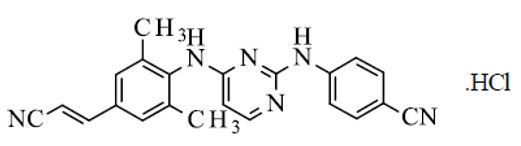
The chemical name for rilpivirine hydrochloride is 4-[[4-[[4-[(E)-2-cyanoethenyl]-2,6-dimethylphenyl]amino]-2-pyrimidinyl]amino]benzonitrile monohydrochloride. Its molecular formula is C22H18N6 • HCl and its molecular weight is 402.88. Rilpivirine hydrochloride has the following structural formula:


Rilpivirine-structure (Rilpivirine Structure)

Rilpivirine-structure (Rilpivirine Structure)


Rilpivirine hydrochloride is a white to off white solid. It is sparingly soluble in dimethylformamide and practically insoluble in water.

Rilpivirine 25 mg tablets are available as a white to off-white, round, biconvex film coated tablets debossed with ‘5L’ on one side and plain on other side. Each tablet contains 27.5 mg of rilpivirine hydrochloride, which is equivalent to 25 mg of rilpivirine. Each rilpivirine 25 mg tablet also contains the inactive ingredients croscarmellose sodium, lactose monohydrate, magnesium stearate, polysorbate 20, povidone K30 and silicified microcrystalline cellulose. The tablet coating contains hypromellose 2910, polyethylene glycol 8000 and titanium dioxide.

12.2 Pharmacodynamics

Effects on Electrocardiogram


The effect of rilpivirine at the recommended dose of 25 mg once daily on the QTcF interval was evaluated in a randomized, placebo and active (moxifloxacin 400 mg once daily) controlled crossover study in 60 healthy adults, with 13 measurements over 24 hours at steady state. The maximum mean time-matched (95% upper confidence bound) differences in QTcF interval from placebo after baseline-correction was 2.0 (5.0) milliseconds (i.e., below the threshold of clinical concern).

When doses of 75 mg once daily and 300 mg once daily of rilpivirine (3 times and 12 times the dose in rilpivirine) were studied in healthy adults, the maximum mean time-matched (95% upper confidence bound) differences in QTcF interval from placebo after baseline-correction were 10.7 (15.3) and 23.3 (28.4) milliseconds, respectively. Steady-state administration of rilpivirine 75 mg once daily and 300 mg once daily resulted in a mean steady-state Cmax approximately 2.6-fold and 6.7-fold, respectively, higher than the mean Cmax observed with the recommended 25 mg once daily dose of rilpivirine [see Warnings and Precautions (5.4)].

12.3 Pharmacokinetics

Pharmacokinetics in Adults

The pharmacokinetic properties of rilpivirine have been evaluated in adult healthy subjects and in adult antiretroviral treatment-naïve HIV-1-infected subjects. Exposure to rilpivirine was generally lower in HIV-1 infected subjects than in healthy subjects.


 Table 7:      Pharmacokinetic Estimates of Rilpivirine 25 mg Once Daily in Antiretroviral Treatment-Naïve HIV-1-Infected Adult Subjects (Pooled Data from Phase 3 Trials through Week 96) 
 Parameter
 
 Rilpivirine 25 mg once daily
 N=679
 
 AUC24h (ng.h/mL)


     Mean±Standard Deviation
 
 2,235±851
 
     Median (Range)
 
 2,096 (198 to 7,307)
 
 C0h (ng/mL)


     Mean±Standard Deviation
 
 79±35
 
     Median (Range)
 
 73 (2 to 288)


Absorption and Bioavailability

After oral administration, the maximum plasma concentration of rilpivirine is generally achieved within 4 to 5 hours. The absolute bioavailability of rilpivirine is unknown.

Effects of Food on Oral Absorption

The exposure to rilpivirine was approximately 40% lower when rilpivirine was taken in a fasted condition as compared to a normal caloric meal (533 kcal) or high-fat high-caloric meal (928 kcal). When rilpivirine was taken with only a protein-rich nutritional drink, exposures were 50% lower than when taken with a meal.

Distribution

Rilpivirine is approximately 99.7% bound to plasma proteins in vitro, primarily to albumin. The distribution of rilpivirine into compartments other than plasma (e.g., cerebrospinal fluid, genital tract secretions) has not been evaluated in humans.

Metabolism

In vitro experiments indicate that rilpivirine primarily undergoes oxidative metabolism mediated by the cytochrome P450 (CYP) 3A system.

Elimination

The terminal elimination half-life of rilpivirine is approximately 50 hours. After single dose oral administration of 14C-rilpivirine, on average 85% and 6.1% of the radioactivity could be retrieved in feces and urine, respectively. In feces, unchanged rilpivirine accounted for on average 25% of the administered dose. Only trace amounts of unchanged rilpivirine (<1% of dose) were detected in urine.

Specific Populations

Pregnancy and Postpartum

The exposure (C0h and AUC24h) to total rilpivirine after intake of rilpivirine 25 mg once daily as part of an antiretroviral regimen was 30 to 40% lower during pregnancy (similar for the second and third trimester), compared with postpartum (see Table 8). However, the exposure during pregnancy was not significantly different from exposures obtained in Phase 3 trials. Based on the exposure-response relationship for rilpivirine, this decrease is not considered clinically relevant in patients who are virollogically suppressed. The protein binding of rilpivirine was similar (>99%) during the second trimester, third trimester, and postpartum.


Table 8:    Pharmacokinetic Results of Total Rilpivirine After Administration of Rilpivirine 25 mg Once Daily as Part of an Antiretroviral Regimen, During the 2nd Trimester of Pregnancy, the 3rd Trimester of Pregnancy and Postpartum
Pharmacokinetics of total rilpivirine
(mean ± SD, tmax: median [range])
Postpartum
(6 to 12 Weeks)
(n=11)
2nd Trimester
of pregnancy
(n=15)
3rd Trimester
of pregnancy
(n=13)
C0h, ng/mL
111±69.2
65.0±23.9
63.5±26.2
Cmin, ng/mL
84.0±58.8
54.3±25.8
52.9±24.4
Cmax, ng/mL
167±101
121±45.9
123±47.5
tmax, h
4.00 (2.03 to 25.08)
4.00 (1.00 to 9.00)
4.00 (2.00 to 24.93)
AUC24h, ng.h/mL
2,714±1,535
1,792±711
1,762±662

Pediatric Patients
The pharmacokinetics of rilpivirine in HIV-1 infected pediatric patients 12 to less than 18 years of age receiving the recommended dosing regimen of rilpivirine were comparable than those obtained in treatment-naïve HIV-1 infected adult patients (see Table 9).


Table 9: Pharmacokinetic Estimates of Rilpivirine After Administration of the Recommended Daily Oral Dosing Regimen in Pediatric Patients ≥12  to <18 Years (Trial TMC278-C213)a

a   The 25 mg dose was administered as one 25 mg tablet.
 Pharmacokinetics of rilpivirine Mean±SD
 Median (range)
 
 25 mg once daily
 
 N
 
 34
 
 AUC24h (ng.h/mL)
 
 2,424±1,024
 2,269 (417 to 5,166)
 
 C0h (ng/mL)
 
 85±40
 79 (7 to 202)
 

Additional pediatric use information is approved for Janssen Products LP's Edurant (Rilpivirine) tablets. However, due to Janssen Products LP's marketing exclusivity rights, this drug product is not labeled with that information.

Renal Impairment

Pharmacokinetic analysis indicated that rilpivirine exposure was similar in HIV-1 infected subjects with mild renal impairment relative to HIV-1 infected subjects with normal renal function. No dose adjustment is required in patients with mild renal impairment. There is limited or no information regarding the pharmacokinetics of rilpivirine in patients with moderate or severe renal impairment or in patients with end-stage renal disease, and rilpivirine concentrations may be increased due to alteration of drug absorption, distribution, and metabolism secondary to renal dysfunction. The potential impact is not expected to be of clinical relevance for HIV-1-infected subjects with moderate renal impairment, and no dose adjustment is required in these patients. Rilpivirine should be used with caution and with increased monitoring for adverse effects in patients with severe renal impairment or end-stage renal disease. As rilpivirine is highly bound to plasma proteins, it is unlikely that it will be significantly removed by hemodialysis or peritoneal dialysis [see Use in Specific Populations (8.6)].

Hepatic Impairment

Rilpivirine is primarily metabolized and eliminated by the liver. In a study comparing 8 subjects with mild hepatic impairment (Child-Pugh score A) to 8 matched controls, and 8 subjects with moderate hepatic impairment (Child-Pugh score B) to 8 matched controls, the multiple dose exposure of rilpivirine was 47% higher in subjects with mild hepatic impairment and 5% higher in subjects with moderate hepatic impairment. Rilpivirine has not been studied in subjects with severe hepatic impairment (Child-Pugh score C) [see Use in Specific Populations (8.7)].

Sex, Race, Hepatitis B and/or Hepatitis C Virus Co-infection

No clinically relevant differences in the pharmacokinetics of rilpivirine have been observed between sex, race and patients with hepatitis B and/or C-virus co-infection.

Drug Interactions

[see Contraindications (4) and Drug Interactions (7)].

Rilpivirine is primarily metabolized by cytochrome P450 (CYP)3A, and drugs that induce or inhibit CYP3A may thus affect the clearance of rilpivirine. Coadministration of rilpivirine and drugs that induce CYP3A may result in decreased plasma concentrations of rilpivirine and loss of virologic response and possible resistance. Coadministration of rilpivirine and drugs that inhibit CYP3A may result in increased plasma concentrations of rilpivirine. Coadministration of rilpivirine with drugs that increase gastric pH may result in decreased plasma concentrations of rilpivirine and loss of virologic response and possible resistance to rilpivirine and to the class of NNRTIs.

Rilpivirine at the recommended doses are not likely to have a clinically relevant effect on the exposure of medicinal products metabolized by CYP enzymes.

Drug interaction studies were performed with rilpivirine and other drugs likely to be coadministered or commonly used as probes for pharmacokinetic interactions. The effects of coadministration of other drugs on the Cmax, AUC, and Cmin values of rilpivirine are summarized in Table 11 (effect of other drugs on rilpivirine). The effect of coadministration of rilpivirine on the Cmax, AUC, and Cmin values of other drugs are summarized in Table 12 (effect of rilpivirine on other drugs). [For information regarding clinical recommendations, see Drug Interactions (7)].

12.4 Microbiology

Mechanism of Action

Rilpivirine is a diarylpyrimidine non-nucleoside reverse transcriptase inhibitor (NNRTI) of human immunodeficiency virus type 1 (HIV-1) and inhibits HIV-1 replication by non-competitive inhibition of HIV-1 reverse transcriptase (RT). Rilpivirine does not inhibit the human cellular DNA polymerases α, β and γ.

Antiviral Activity in Cell Culture

Rilpivirine exhibited activity against laboratory strains of wild-type HIV-1 in an acutely infected T-cell line with a median EC50 value for HIV-1IIIB of 0.73 nM (0.27 ng/mL). Rilpivirine demonstrated limited activity in cell culture against HIV-2 with a median EC50 value of 5,220 nM (range 2,510 to 10,830 nM) (920 to 3,970 ng/mL).

Rilpivirine demonstrated antiviral activity against a broad panel of HIV-1 group M (subtype A, B, C, D, F, G, H) primary isolates with EC50 values ranging from 0.07 to 1.01 nM (0.03 to 0.37 ng/mL) and was less active against group O primary isolates with EC50 values ranging from 2.88 to 8.45 nM (1.06 to 3.10 ng/mL).

The antiviral activity of rilpivirine was not antagonistic when combined with the NNRTIs efavirenz, etravirine or nevirapine; the N(t)RTIs abacavir, didanosine, emtricitabine, lamivudine, stavudine, tenofovir or zidovudine; the PIs amprenavir, atazanavir, darunavir, indinavir, lopinavir, nelfinavir, ritonavir, saquinavir or tipranavir; the fusion inhibitor enfuvirtide; the CCR5 co-receptor antagonist maraviroc, or the integrase strand transfer inhibitor raltegravir.

Resistance

In Cell Culture

Rilpivirine-resistant strains were selected in cell culture starting from wild-type HIV-1 of different origins and subtypes as well as NNRTI resistant HIV-1. The frequently observed amino acid substitutions that emerged and conferred decreased phenotypic susceptibility to rilpivirine included: L100I, K101E, V106I and A, V108I, E138K and G, Q, R, V179F and I, Y181C and I, V189I, G190E, H221Y, F227C and M230I and L.

In Treatment-Naïve Adult Subjects

In the Week 96 pooled resistance analysis of the Phase 3 trials TMC278-C209 and TMC278-C215, the emergence of resistance was greater among subjects’ viruses in the rilpivirine arm compared to the efavirenz arm, and was dependent on baseline viral load. In the pooled resistance analysis, 58% (57/98) of the subjects who qualified for resistance analysis (resistance analysis subjects) in the rilpivirine arm had virus with genotypic and/or phenotypic resistance to rilpivirine compared to 45% (25/56) of the resistance analysis subjects in the efavirenz arm who had genotypic and/or phenotypic resistance to efavirenz. Moreover, genotypic and/or phenotypic resistance to a background drug (emtricitabine, lamivudine, tenofovir, abacavir or zidovudine) emerged in viruses from 52% (51/98) of the resistance analysis subjects in the rilpivirine arm compared to 23% (13/56) in the efavirenz arm.

Emerging NNRTI substitutions in the rilpivirine resistance analysis of subjects’ viruses included V90I, K101E/P/T, E138K/A/Q/G, V179I/L, Y181C/I, V189I, H221Y, F227C/L and M230L, which were associated with a rilpivirine phenotypic fold change range of 2.6 to 621. The E138K substitution emerged most frequently during rilpivirine treatment commonly in combination with the M184I substitution. The emtricitabine and lamivudine resistance-associated substitutions M184I or V and NRTI resistance-associated substitutions (K65R/N, A62V, D67N/G, K70E, Y115F, T215S/T, or K219E/R) emerged more frequently in rilpivirine resistance analysis subjects compared to efavirenz resistance analysis subjects (see Table 13).

NNRTI- and NRTI-resistance substitutions emerged less frequently in resistance analysis of viruses from subjects with baseline viral load of ≤100,000 copies/mL compared to viruses from subjects with baseline viral load of >100,000 copies/mL: 26% (14/54) compared to 74% (40/54) of NNRTI-resistance substitutions and 22% (11/50) compared to 78% (39/50) of NRTI-resistance substitutions. This difference was also observed for the individual emtricitabine/lamivudine and tenofovir resistance substitutions: 23% (11/47) compared to 77% (36/47) for M184I/V and 0% (0/8) compared to 100% (8/8) for K65R/N. Additionally, NNRTI- and NRTI-resistance substitutions emerged less frequently in the resistance analysis of viruses from subjects with baseline CD4+ cell counts ≥200 cells/mm3 compared to viruses from subjects with baseline CD4+ cell counts <200 cells/mm3: 37% (20/54) compared to 63% (34/54) of NNRTI-resistance substitutions and 28% (14/50) compared to 72% (36/50) of NRTI-resistance substitutions.


 Table 13: Proportion of Resistance Analysis Subjects* with Frequently Emerging Reverse Transcriptase Substitutions from the Pooled Phase 3 TMC278-C209 and TMC278-C215 Trials in the Week 96 Analysis 
 BR=background regimen
 *     Subjects who qualified for resistance analysis.
     V90, L100, K101, K103, V106, V108, E138, V179, Y181, Y188, V189, G190, H221, P225, F227 or M230
      This combination of NNRTI and NRTI substitutions is a subset of those with the E138K.
 §     A62V, K65R/N, D67N/G, K70E, L74I, V75I, Y115F, M184I/V, L210F, T215S/T, K219E/R
      These substitutions emerged in addition to the primary substitutions M184V/I or K65R/N; A62V (n=3), D67N/G (n=3), K70E (n=4), Y115F (n=2), T215S/T (n=1), K219E/R (n=8) in rilpivirine resistance analysis subjects.


 TMC278-C209 and TMC278-C215
 N=1,368
 
 Rilpivirine + BR
 N=686
 
 Efavirenz + BR
 N=682
 
 Subjects who Qualified for Resistance Analysis
 
 15% (98/652)
 
 9% (56/604)
 
 Subjects with Evaluable Post-Baseline Resistance Data
 
 87
 
 43
 
 Emerging NNRTI Substitutions


 Any
 
 62% (54/87)
 
 53% (23/43)
 
 V90I
 
 13% (11/87)
 
 2% (1/43)
 
 K101E/P/T/Q
 
 20% (17/87)
 
 9% (4/43)
 
 K103N
 
 1% (1/87)
 
 40% (17/43)
 
 E138K/A/Q/G
 
 40% (35/87)
 
 2% (1/43)
 
    E138K+ M184I
 
 25% (22/87)
 
 0
 
 V179I/L/D
 
 6% (5/87)
 
 7% (3/43)
 
 Y181C/I/S
 
 10% (9/87)
 
 2% (1/43)
 
 V189I
 
 8% (7/87)
 
 2% (1/43)
 
 H221Y
 
 9% (8/87)
 
 0
 
 Emerging NRTI Substitutions§
 
 Any
 
 57% (50/87)
 
 30% (13/43)
 
 M184I/V
 
 54% (47/87)
 
 26% (11/43)
 
 K65R/N
 
 9% (8/87)
 
 5% (2/43)
 
 A62V, D67N/G, K70E, Y115F, T215S/T or K219E/R
 
 21% (18/87)
 
 2% (1/43)
 

Treatment--Naïve HIV-1-Infected Pediatric Subjects

In trial TMC278-C213 Cohort 1, a single-arm, open-label Phase 2 trial in antiretroviral treatment-naïve HIV-1-infected pediatric subjects ≥12 to less than 18 years [see Clinical Studies (14.3)], rilpivirine resistance-associated substitutions were observed in 62.5% (5/8) of subjects with virologic failure and post-baseline genotypic data at 48 weeks with 4 of 5 having ≥2.5-fold decrease in susceptibility to rilpivirine. In addition, 4 of the 5 subjects with rilpivirine resistance substitutions also had at least 1 treatment-emergent resistance substitution to nucleos(t)ide reverse transcriptase inhibitors.

The emergent rilpivirine resistance-associated substitutions in pediatric patients are consistent with those seen in adults failing on a rilpivirine-containing regimen (see Table 13).

Cross-Resistance

Site-Directed NNRTI Mutant Virus

Cross-resistance has been observed among NNRTIs. The single NNRTI substitutions K101P, Y181I and Y181V conferred 52-fold, 15-fold and 12-fold decreased susceptibility to rilpivirine, respectively. The combination of E138K and M184I showed 6.7-fold reduced susceptibility to rilpivirine compared to 2.8-fold for E138K alone. The K103N substitution did not result in reduced susceptibility to rilpivirine by itself. However, the combination of K103N and L100I resulted in a 7-fold reduced susceptibility to rilpivirine. Combinations of 2 or 3 NNRTI resistance-associated substitutions had decreased susceptibility to rilpivirine (fold change range of 3.7 to 554) in 38% and 66% of mutants analyzed, respectively.

Treatment--Naïve HIV-1-Infected Adult Subjects

Considering all available cell culture and clinical data, any of the following amino acid substitutions, when present at baseline, are likely to decrease the antiviral activity of rilpivirine: K101E, K101P, E138A, E138G, E138K, E138R, E138Q, V179L, Y181C, Y181I, Y181V, Y188L, H221Y, F227C, M230I or M230L.

Cross-resistance to efavirenz, etravirine and/or nevirapine is likely after virologic failure and development of rilpivirine resistance. In the Week 96 pooled analyses of the Phase 3 TMC278-C209 and TMC278-C215 clinical trials, 50 of the 87 (57%) rilpivirine resistance analysis subjects with post-baseline resistance data had virus with decreased susceptibility to rilpivirine (≥2.5-fold change). Of these, 86% (n=43/50) were resistant to efavirenz (≥3.3-fold change), 90% (n=45/50) were resistant to etravirine (≥3.2-fold change) and 62% (n=31/50) were resistant to nevirapine (≥6-fold change). In the efavirenz arm, 3 of the 21 (14%) efavirenz resistance analysis subjects’ viruses were resistant to etravirine and rilpivirine, and 95% (n=20/21) were resistant to nevirapine. Virus from subjects experiencing virologic failure on rilpivirine developed more NNRTI resistance-associated substitutions conferring more cross-resistance to the NNRTI class and had a higher likelihood of cross-resistance to all NNRTIs in the class compared to virus from subjects who failed on efavirenz.

Additional pediatric use information is approved for Janssen Products LP's Edurant (Rilpivirine) tablets. However, due to Janssen Products LP's marketing exclusivity rights, this drug product is not labeled with that information. 
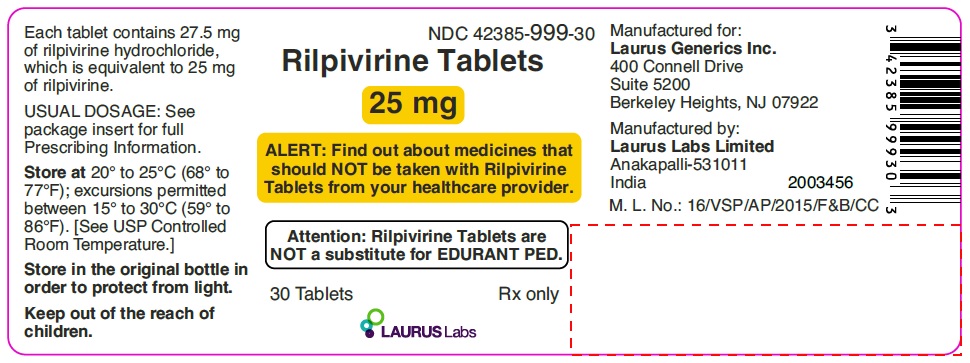
13.1 Carcinogenesis, Mutagenesis, Impairment Of Fertility

Carcinogenesis and Mutagenesis


Two-year carcinogenicity studies in mice and rats were conducted with rilpivirine. In rats, there were no drug related neoplasms at exposures 3 times those observed in humans (12 years of age and older and weighing greater than 32 kg) and ≥1.4 times relative to the predicted exposures in children (2 to less than 12 years of age, weighing at least 14 kg) at the recommended daily dose. In mice, rilpivirine was positive for hepatocellular neoplasms in both males and females. The observed hepatocellular findings in mice may be rodent-specific. At the lowest tested dose in the mouse carcinogenicity study, the systemic exposure to rilpivirine was 21 times that observed in humans (12 years of age and older and weighing greater than 32 kg) and ≥12 times relative to the predicted exposures in children (2 to less than 12 years of age, weighing at least 14 kg) at the recommended daily dose. 

Rilpivirine was not genotoxic in the bacterial reverse mutation assay, mouse lymphoma assay, or in the in vivo rodent micronucleus assay.

Impairment of Fertility

In rat fertility and early embryonic development studies with rilpivirine, no effects on fertility were observed at rilpivirine exposures (AUC) greater than 36 times (male) and 40 times (female) the exposure in humans (12 years of age and older and weighing at least 32 kg) at the recommended daily dose of 25 mg.

14.1 Treatment-Naïve Adult Subjects

The evidence of efficacy of rilpivirine is based on the analyses of 48- and 96-week data from 2 randomized, double-blinded, active controlled, Phase 3 trials TMC278-C209 (ECHO) and TMC278-C215 (THRIVE) in antiretroviral treatment-naïve adults. Antiretroviral treatment-naïve HIV-1 infected subjects enrolled in the Phase 3 trials had a plasma HIV-1 RNA ≥5,000 copies/mL and were screened for susceptibility to N(t)RTIs and for absence of specific NNRTI resistance- associated substitutions (RASs). The Phase 3 trials were identical in design, apart from the background regimen (BR). In TMC278-C209, the BR was fixed to the N(t)RTIs, tenofovir disoproxil fumarate plus emtricitabine. In TMC278-C215, the BR consisted of 2 investigator- selected N(t)RTIs: tenofovir disoproxil fumarate plus emtricitabine or zidovudine plus lamivudine or abacavir plus lamivudine. In both trials, randomization was stratified by screening viral load. In TMC278-C215, randomization was also stratified by N(t)RTI BR.

In the pooled analysis for TMC278-C209 and TMC278-C215, demographics and baseline characteristics were balanced between the rilpivirine arm and the efavirenz arm. Table 14 displays selected demographic and baseline disease characteristics of the subjects in the rilpivirine and efavirenz arms.


 Table 14:     Demographic and Baseline Disease Characteristics of Antiretroviral Treatment-Naïve HIV-1-Infected Adult Subjects in the TMC278-C209 and TMC278-C215 Trials (Pooled Analysis) 

BR=background regimen
  
 
 Pooled Data from the Phase 3 TMC278-C209 and TMC278-C215 Trials
 
 Rilpivirine + BR
 N=686
 
 Efavirenz + BR
 N=682
 
 Demographic Characteristics


 Median Age, years (range)
 
 36 (18 to 78)
 
 36 (19 to 69)
 
 Sex


     Male
 
 76%
 
 76%
 
     Female
 
 24%
 
 24%
 
 Race


     White
 
 61%
 
 60%
 
     Black/African American
 
 24%
 
 23%
 
     Asian
 
 11%
 
 14%
 
     Other
 
 2%
 
 2%
 
     Not allowed to ask per local regulations
 
 1%
 
 1%
 
 Baseline Disease Characteristics
 
 Median Baseline Plasma HIV-1 RNA (range), log10 copies/mL
 
 5.0 (2 to 7)
 
 5.0 (3 to 7)
 
 Percentage of Patients with Baseline Plasma Viral Load:
     ≤100,000
     >100,000 to ≤500,000
     >500,000
 
  
 54%
 36%
 10%
 
  
 48%
 40%
 12%
 
 Median Baseline CD4+ Cell Count (range), cells/mm3
 
 249 (1 to 888)
 
 260 (1 to 1,137)
 
 Percentage of Subjects with:
     Hepatitis B/C Virus Co-infection
 
 7%
 
 10%
 
 Percentage of Patients with the Following Background Regimens:
     tenofovir disoproxil fumarate plus emtricitabine
     zidovudine plus lamivudine
     abacavir plus lamivudine
 
  
 80%
 15%
 5%
 
  
 80%
 15%
 5%
 

Week 96 efficacy outcomes for subjects treated with rilpivirine 25 mg once daily from the pooled analysis are shown in Table 15. The incidence of virologic failure was higher in the rilpivirine arm than the efavirenz arm at Week 96. Virologic failures and discontinuations due to adverse events mostly occurred in the first 48 weeks of treatment. Regardless of HIV-1 RNA at the start of therapy, more rilpivirine treated subjects with CD4+ cell count less than 200 cells/mm3 experienced virologic failure compared to rilpivirine treated subjects with CD4+ cell count greater than or equal to 200 cells/mm3.
                                                                                                 

 Table 15:        Virologic Outcome of Randomized Treatment of Studies TMC278-C209 and TMC278-C215 (Pooled Data) at Week 96 
 N=total number of subjects per treatment group; BR=background regimen.
*   CI=Predicted difference (95% CI) of response rate is -0.2 (-4.7; 4.3) at Week 96.
†   Includes subjects who had ≥50 copies/mL in the Week 96 window, subjects who discontinued early due to lack or loss of efficacy, subjects who discontinued for reasons other than an adverse event, death or lack or loss of efficacy and at the time of discontinuation had a viral value of ≥50 copies/mL, and subjects who had a switch in background regimen that was not permitted by the protocol.
   Includes subjects who discontinued due to an adverse event or death if this resulted in no on-treatment virologic data in the Week 96 window.
§   Includes subjects who discontinued for reasons other than an adverse event, death or lack or loss of efficacy, e.g., withdrew consent, loss to follow-up, etc.
Note: Analysis was based on the last observed viral load data within the Week 96 window (Week 90 to 103), respectively.


 Rilpivirine + BR
N=686
 
 Efavirenz + BR
 N=682
 
 HIV-1 RNA <50 copies/mL*
 
 76%
 
 77%
 
 HIV-1 RNA ≥50 copies/mL
 
 16%
 
 10%
 
 No virologic data at Week 96 window
      Reasons              


     Discontinued study due to adverse event or death
 
 4%
 
 8%
 
     Discontinued study for other reasons and last available HIV-1 RNA <50 copies/mL (or missing)§
 
 4%
 
 5%
 
     Missing data during window but on study
 
 <1%
 
 <1%
 
 HIV-1 RNA <50 copies/mL by Baseline HIV-1 RNA (copies/mL)


     ≤100,000
 
 82%
 
 78%
 
     >100,000
 
 70%
 
 75%
 
 HIV-1 RNA ≥50 copies/mL by Baseline HIV-1 RNA (copies/mL)


     ≤100,000
 
 9%
 
 8%
 
     >100,000
 
 24%
 
 11%
 
 HIV-1 RNA <50 copies/mL by CD4+ cell count (cells/mm3)


     <200
 
 68%
 
 74%
 
     ≥200
 
 81%
 
 77%
 
 HIV-1 RNA ≥50 copies/mL by CD4+ cell count (cells/mm3)


     <200
 
 27%
 
 10%
 
     ≥200
 
 10%
 
 9%
 

At Week 96, the mean CD4+ cell count increase from baseline was 228 cells/mm3 for rilpivirine-treated subjects and 219 cells/mm3 for efavirenz-treated subjects in the pooled analysis of the TMC278-C209 and TMC278-C215 trials.

Study TMC278-C204 was a randomized, active-controlled, Phase 2b trial in antiretroviral treatment-naïve HIV-1-infected adult subjects consisting of 2 parts: an initial 96 weeks, partially-blinded dose-finding part [rilpivirine doses blinded] followed by a long-term, open-label part. After Week 96, subjects randomized to one of the 3 doses of rilpivirine were switched to rilpivirine 25 mg once daily. Subjects in the control arm received efavirenz 600 mg once daily in addition to a BR in both parts of the study. The BR consisted of 2 investigator-selected N(t)RTIs: zidovudine plus lamivudine or tenofovir disoproxil fumarate plus emtricitabine.

Study TMC278-C204 enrolled 368 HIV-1-infected treatment-naïve adult subjects who had a plasma HIV-1 RNA ≥5,000 copies/mL, previously received ≤2 weeks of treatment with an N(t)RTI or protease inhibitor, had no prior use of NNRTIs, and were screened for susceptibility to N(t)RTI and for absence of specific NNRTI RASs.

At 96 weeks, the proportion of subjects with <50 HIV-1 RNA copies/mL receiving rilpivirine 25 mg (N=93) compared to subjects receiving efavirenz (N=89) was 76% and 71%, respectively. The mean increase from baseline in CD4+ counts was 146 cells/mm3 in subjects receiving rilpivirine 25 mg and 160 cells/mm3 in subjects receiving efavirenz.

At 240 weeks, 60% (56/93) of subjects who originally received 25 mg once daily achieved HIV RNA <50 copies/mL compared to 57% (51/89) of subjects in the control group.

14.2 Virologically-Suppressed Adults Treated In Combination With Cabotegravir

The use of rilpivirine in combination with VOCABRIA (cabotegravir) as an oral lead-in and in patients who miss planned injections with CABENUVA (cabotegravir extended-release injectable suspension; rilpivirine extended-release injectable suspension) was evaluated in two Phase 3 randomized, multicenter, active-controlled, parallel-arm, open-label, non-inferiority trials (Trial 201584: FLAIR [NCT02938520], Trial 201585: ATLAS [NCT2951052]), and one Phase 3b randomized, multicenter, parallel-group, open-label, non-inferiority trial (Trial 207966: ATLAS-2M [NCT03299049]) in subjects who were virologically suppressed (HIV-1 RNA <50 copies/mL). See full prescribing information for VOCABRIA and CABENUVA for additional information.

14.3 Treatment-Naïve Pediatric Subjects (≥12 To Less Than 18 Years Of Age)

The pharmacokinetics, safety, tolerability and efficacy of rilpivirine 25 mg once daily, in combination with an investigator-selected background regimen (BR) containing two NRTIs, was evaluated in trial TMC278-C213 Cohort 1, a single-arm, open-label Phase 2 trial in antiretroviral treatment-naïve HIV-1 infected pediatric subjects 12 to less than 18 years of age and weighing at least 32 kg. Thirty six (36) subjects were enrolled in the trial to complete at least 48 weeks of treatment. The 36 subjects had a median age of 14.5 years (range: 12 to 17 years), and were 56% female, 89% Black and 11% Asian.

In the efficacy analysis, most subjects (75%; 28/36) had baseline HIV RNA <100,000 copies/mL. For these 28 subjects the median baseline plasma HIV-1 RNA was 44,250 (range: 2,060 to 92,600 copies/mL) and the median baseline CD4+ cell count was 445.5 cells/mm3 (range: 123 to 983 cells/mm3).

Among the subjects who had baseline HIV RNA ≤100,000, the proportion with HIV-1 RNA <50 copies/mL at Week 48 was 79% (22/28), versus 50% (4/8) in those with >100,000 copies/mL. The proportion of virologic failures among subjects with a baseline viral load ≤100,000 copies/mL was 21% (6/28), versus 38% (3/8) in those with >100,000 copies/mL. At Week 48, the mean increase in CD4+ cell count from baseline was 201.2 cells/mm3.

14.4 Additional pediatric use information is approved for Janssen Products LP's Edurant (Rilpivirine) tablets. However, due to Janssen Products LP's marketing exclusivity rights, this drug product is not labeled with that information.

16 How Supplied/Storage And Handling

Rilpivirine Tablets

Rilpivirine 25 mg tablets are supplied as white to off-white, round, biconvex film coated tablets debossed with ‘5L’ on one side and plain on the other side. Each tablet contains 27.5 mg of rilpivirine hydrochloride, which is equivalent to 25 mg of rilpivirine.

HDPE bottles without Silica gel canister desiccant 

Bottles of 30                                                                    NDC 42385-999-30

HDPE bottles with Silica gel canister desiccant

Bottles of 30                                                                    NDC 42385-999-31

Store at 20° to 25°C (68° to 77°F); excursions permitted between 15° to 30°C (59° to 86°F). [See USP Controlled Room Temperature.]

17 Patient Counseling Information

Advise the patient to read the FDA-approved patient labeling (Patient Information).

Severe Skin and Hypersensitivity Reactions

Advise patients to immediately contact their healthcare provider if they develop a rash. Instruct patients to immediately stop taking rilpivirine and seek medical attention if they develop a rash associated with any of the following symptoms as it may be a sign of more serious reactions such as DRESS severe hypersensitivity: fever, blisters, mucosal involvement, eye inflammation (conjunctivitis), severe allergic reaction causing a swelling of the face, eyes, lips, mouth, tongue or throat, which may lead to difficulty swallowing or breathing, and any signs and symptoms of liver problems as it may be a sign of a more serious reaction. Advise patients that if severe rash occurs, they will be closely monitored, laboratory tests will be performed and appropriate therapy will be initiated [see Warnings and Precautions (5.1)].

Hepatotoxicity

Inform patients that hepatotoxicity has been reported with rilpivirine. Inform patients that laboratory monitoring for hepatotoxicity during therapy with rilpivirine is recommended, especially for patients with underlying liver disease such as hepatitis B or C virus infection [see Warnings and Precautions (5.2)].

Depressive Disorders

Inform patients that depressive disorders (depressed mood, depression, dysphoria, major depression, mood altered, negative thoughts, suicide attempt, suicidal ideation) have been reported with rilpivirine. Advise patients to seek immediate medical evaluation if they experience depressive symptoms [see Warnings and Precautions (5.3)].

Drug Interactions

Rilpivirine may interact with many drugs; therefore, advise patients to report to their healthcare provider the use of any other prescription or nonprescription medication or herbal products, including St. John’s wort [see Contraindications (4), Warnings and Precautions (5.4), and Drug Interactions (7)].

For patients concomitantly receiving rifabutin, the rilpivirine dose should be increased to 50 mg once daily, taken with a meal. When rifabutin coadministration is stopped, the rilpivirine dose should be decreased to 25 mg once daily, taken with a meal [see Dosage and Administration (2.7)].

Immune Reconstitution Syndrome

Advise patients to inform their healthcare provider immediately of any signs or symptoms of infection as inflammation from previous infection may occur soon after combination antiretroviral therapy, including when rilpivirine is started [see Warnings and Precautions (5.5)].

Rilpivirine Tablets and EDURANT PED Tablets for Oral Suspension Are Not Substitutable

Advise patients that rilpivirine tablets and EDURANT PED have differing pharmacokinetic profiles and are not substitutable on a milligram-per-milligram basis. Advise patients or their care providers that patients switching from EDURANT PED tablets for oral suspension to rilpivirine tablets must adjust the dose [see Dosage and Administration (2.1) and Warnings and Precautions (5.6)].

To avoid a dosing error from using the wrong formulation of rilpivirine, strongly advise patients and caregivers to visually inspect the tablets to verify the correct formulation each time the prescription is filled [see Dosage and Administration (2), Warnings and Precautions (5.6), and How Supplied/Storage and Handling (16)].

Administration Instructions

Advise patients to take rilpivirine with a meal once a day as prescribed. A protein drink or yogurt alone does not replace a meal [see Clinical Pharmacology (12.3)]. Rilpivirine must always be used in combination with other antiretroviral drugs. Advise patients not to alter the dose of rilpivirine or discontinue therapy without consulting their physician.

If the patient misses a dose of rilpivirine within 12 hours of the time it is usually taken, advise the patient to take rilpivirine with a meal as soon as possible and then take the next dose of rilpivirine at the regularly scheduled time. If a patient misses a dose of rilpivirine by more than 12 hours, advise the patient to not take the missed dose, but resume the usual dosing schedule. Inform the patient that he or she should not take more or less than the prescribed dose of rilpivirine at any one time.

Pregnancy Registry

Advise patients that there is a pregnancy exposure registry that monitors pregnancy outcomes in women exposed to rilpivirine during pregnancy [see Use in Specific Populations (8.1)].

Lactation

Inform individuals with HIV-1 infection that the potential risks of breastfeeding include: (1) HIV-1 transmission (in HIV-1-negative infants), (2) developing viral resistance (in HIV-1-positive infants), and (3) adverse reactions in a breastfed infant similar to those seen in adults [see Use in Specific Populations (8.2)].

The brands listed are trademarks of their respective owners and are not trademarks of Laurus Labs Limited.


Manufactured for:
Laurus Generics Inc.
400 Connell Drive
Suite 5200
Berkeley Heights, NJ 07922


Manufactured by:
Laurus Labs Limited
Anakapalli-531011
India

Spl Patient Package Insert


PATIENT INFORMATION
Rilpivirine (RIL-pi-VIR-een)
tablets, for oral use
What are rilpivirine tablets?
• Rilpivirine tablets are prescription medicines that are used with other human immunodeficiency virus-1 (HIV-1) medicines to treat HIV-1 infection in people12 years of age and older and who weigh at least 77 pounds (lbs) or 35 kilograms (kg) who:
o have never taken HIV-1 medicines before, and
o have an amount of HIV-1 in their blood (this is called ‘viral load’) that is no more than 100,000 copies/mL.
• Rilpivirine tablets are also used with oral VOCABRIA (cabotegravir) for short term treatment of HIV-1 infection in people 12 years of age and older and who weigh at least 77 lbs (35 kg) when their healthcare provider determines that they meet certain requirements. 
HIV-1 is the virus that causes AIDS (Acquired Immune Deficiency Syndrome).
If you take rilpivirine tablets in combination with oral VOCABRIA (cabotegravir), you should also read the Patient Information that comes with oral VOCABRIA (cabotegravir).
It is not known if rilpivirine tablets are safe and effective in children less than 2 years of age or who weigh less than 31 lbs (14 kg).
Do not take rilpivirine tablets if you are taking any of the following medicines:
Rilpivirine-figure1 (Rilpivirine Figure1)

Rilpivirine-figure1 (Rilpivirine Figure1)


Before taking rilpivirine tablets, tell your healthcare provider about all your medical conditions, including if you: 
• have ever had a severe skin rash or an allergic reaction to medicines that contain rilpivirine
• have or had liver problems, including hepatitis B or C virus infection
• have kidney problems
• have ever had a mental health problem
• are pregnant or plan to become pregnant. It is not known if rilpivirine tablets will harm your unborn baby. Tell your healthcare provider if you become pregnant during treatment with rilpivirine tablets.
o Pregnancy Registry: There is a pregnancy registry for women who take rilpivirine tablets during pregnancy. The purpose of this registry is to collect information about the health of you and your baby. Talk with your healthcare provider about how you can take part in this registry.
• are breastfeeding or plan to breastfeed. Rilpivirine can pass into your breast milk. Talk with your healthcare provider about the following risks of breastfeeding during treatment with rilpivirine tablets:
o The HIV-1 virus may pass to your baby if your baby does not have the HIV-1 infection.
o The HIV-1 virus may become harder to treat if your baby has HIV-1 infection.
o Your baby may get side effects from rilpivirine tablets.
Tell your healthcare provider about all the medicines you take, including prescription and over-the-counter medicines, vitamins, and herbal supplements. Some medicines interact with rilpivirine tablets. Keep a list of your medicines to show your healthcare provider and pharmacist when you get a new medicine.
• You can ask your healthcare provider or pharmacist for a list of medicines that interact with rilpivirine tablets.
Do not start taking a new medicine without telling your healthcare provider. Your healthcare provider can tell you if it is safe to take rilpivirine tablets with other medicines.
How should I take rilpivirine tablets?
• Take rilpivirine tablets exactly as your healthcare provider tells you to.
Take rilpivirine tablets 1 time each day with a meal. A protein drink or yogurt alone does not replace a meal.
• Rilpivirine tablets must be used with other HIV-1 medicines.
• Do not change your dose or stop taking rilpivirine tablets without first talking with your healthcare provider.
• Stay under the care of your healthcare provider during treatment with rilpivirine tablets.
• EDURANT PED tablets for oral suspensionprovided in a blister package are not the same as rilpivirine tablets provided in a bottle and cannot be substituted for each other. Contact your pharmacist or healthcare provider if you did not receive the correct dosage form.
• If you take an H2-receptor antagonist (such as famotidine, cimetidine, nizatidine, or ranitidine), you should take these medicines at least 12 hours before or at least 4 hours after you take rilpivirine tablets.
• If you take antacids, or other products that contain aluminum, calcium carbonate, or magnesium hydroxide, you should take these medicines at least 2 hours before or at least 4 hours after you take rilpivirine tablets.
• Do not miss a dose of rilpivirine tablets.
• If you miss a dose of rilpivirine tablets within 12 hours of the time you usually take it, take your dose of rilpivirine tablets with a meal as soon as possible. Then, take your next dose of rilpivirine tablets at the regularly scheduled time. If you miss a dose of rilpivirine tablets by more than 12 hours of the time you usually take it, wait and then take the next dose of rilpivirine tablets at the regularly scheduled time.
• Do not take more than your prescribed dose to make up for a missed dose or take less than your prescribed dose.
• If you take too many rilpivirine tablets, call your healthcare provider or go to the nearest hospital emergency room right away.
• When your supply of rilpivirine tablets starts to run low, get more from your healthcare provider or pharmacy. It is important not to run out of rilpivirine tablets. The amount of HIV in your blood may increase if the medicine is stopped even for a short time.
• When your healthcare provider prescribes use of rilpivirine tablets with oral VOCABRIA (cabotegravir):
o Take rilpivirine tablets and oral VOCABRIA (cabotegravir) 1 time a day at about the same time each day with a meal.
o You will receive treatment with rilpivirine tablets in combination with VOCABRIA tablets for one month (at least 28 days) before you receive the long-acting medicine called CABENUVA (cabotegravir; rilpivirine extended-release injectable suspensions) for the first time. This will allow your healthcare provider to assess how well you tolerate these medicines.
o Your final dose of rilpivirine tablets and VOCABRIA tablets should be taken on the same day you receive your first CABENUVA injections.
o If you miss or plan to miss a scheduled monthly or every 2 months injection of CABENUVA by more than 7 days, call your healthcare provider right away to discuss your treatment options.

What are the possible side effects of rilpivirine tablets?
 Rilpivirine tablets can cause serious side effects including:
• Severe skin rash and allergic reactions. Call your healthcare provider right away if you develop a rash with rilpivirine tablets. In some cases, rash and allergic reaction may need to be treated in a hospital.
Stop taking rilpivirine tablets and get medical help right away if you develop a rash with any of the following signs or symptoms:

Rilpivirine-figure2 (Rilpivirine Figure2)

Rilpivirine-figure2 (Rilpivirine Figure2)


Liver problems. People with a history of hepatitis B or C virus infection or who have certain liver function test changes may have an increased risk of developing new or worsening changes in certain liver tests during treatment with rilpivirine tablets. Liver problems have also happened in people without a history of problems or other risk factors. Your healthcare provider may need to do tests to check your liver function before and during treatment with rilpivirine tablets. Call your healthcare provider right away if you develop any of the following signs or symptoms of liver problems:
Rilpivirine-figure3 (Rilpivirine Figure3)

Rilpivirine-figure3 (Rilpivirine Figure3)


• Depression or mood changes. Call your healthcare provider right away if you have any of the following symptoms:
o feeling sad or hopeless
o feeling anxious or restless
o have thoughts of hurting yourself (suicide) or have tried to hurt yourself
• Changes in your immune system (Immune Reconstitution Syndrome) can happen when you start taking HIV medicines. Your immune system may get stronger and begin to fight infections that have been hidden in your body for a long time. Tell your healthcare provider right away if you start having any new symptoms after starting your HIV-1 medicine.
The most common side effects of rilpivirine tablets include depression, headache, trouble sleeping (insomnia) and rash.
These are not all the possible side effects of rilpivirine tablets.
Call your doctor for medical advice about side effects. You may report side effects to FDA at 1-800-FDA-1088.
How should I store rilpivirine tablets?
• Store rilpivirine tablets at room temperature between 68°F to 77°F (20°C to 25°C).
• Keep rilpivirine tablets in the original bottle to protect from light.
Keep rilpivirine tablets and all medicines out of the reach of children.  
General information about the safe and effective use of rilpivirine tablets.
Medicines are sometimes prescribed for purposes other than those listed in a Patient Information leaflet. Do not use rilpivirine tablets for a condition for which it was not prescribed. Do not give rilpivirine tablets to other people even if they have the same condition you have. It may harm them.
You can ask your healthcare provider or pharmacist for information about rilpivirine tablets that is written for health professionals.
What are the ingredients in rilpivirine tablets?  
Active ingredient:  rilpivirine hydrochloride.
Inactive ingredients: croscarmellose sodium, lactose monohydrate, magnesium stearate, polysorbate 20, povidone K30 and silicified microcrystalline cellulose. The tablet coating contains hypromellose 2910, polyethylene glycol 8000 and titanium dioxide.
 
Additional pediatric use information is approved for Janssen Products LP's Edurant (Rilpivirine) tablets. However, due to Janssen Products LP's marketing exclusivity rights, this drug product is not labeled with that information.
 
For more information, call Laurus Generics Inc. at 1-833-3-LAURUS (1-833-352-8787).
 
This Patient Information has been approved by the U.S. Food and Drug Administration.
 
The brands listed are trademarks of their respective owners and are not trademarks of Laurus Labs Limited.
 
Manufactured for:
Laurus Generics Inc.
400 Connell Drive
Suite 5200
Berkeley Heights, NJ 07922
 
Manufactured by:
Laurus Labs Limited
Anakapalli-531011
India
 
 Revised: 5/2026
 

Package Label.Principal Display Panel-25 Mg-Container Label (30'S Count)

NDC 42385-999-30
Rilpivirine Tablets 25 mg

ALERT: Find out about medicines that
should NOT be taken with Rilpivirine
Tablets from your healthcare provider.

Attention: Rilpivirine Tablets are
NOT a substitute for EDURANT PED.

30 Tablets               Rx only
        Laurus Labs

Rilpivirine-figure4.jpg (Rilpivirine Figure4)

Rilpivirine-figure4.jpg (Rilpivirine Figure4)


* Please review the disclaimer below.