Arthritis Pain Reliever Gel
Product Images NDC 42507-150

View Photos of Packaging, Regulatory Labels, and Product Appearance

Product Visual Gallery

This gallery contains 26 technical images submitted to the FDA as part of the official labeling for Arthritis Pain Reliever (NDC 42507-150). Unlike standard consumer photos, these assets often include clinical data figures, molecular chemical structures, and official manufacturer packaging layouts.

As provided by Hyvee Inc, these visuals offer a comprehensive scientific overview of the product's physical and chemical identity, aiding pharmacists and researchers in product verification and study.

FDA Label Image

Leaflet-image-one (Leaflet Image 1)
Leaflet-image-one (Leaflet Image 1)
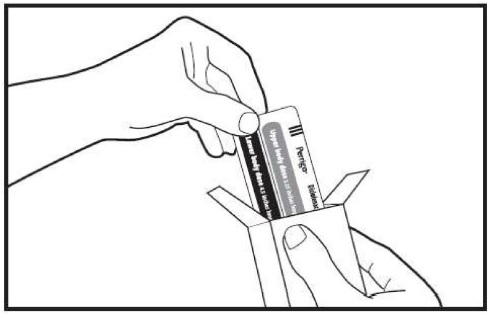
An instructional-style black and white illustration showing hands opening a rectangular box and removing a sachet or packet labeled with the brand name 'Prestige' and some text. The image appears to depict usage directions or packaging interaction for a medication or product.*
FDA Label Image

Leaflet-image-ten (Leaflet Image 10)

Leaflet-image-ten (Leaflet Image 10)
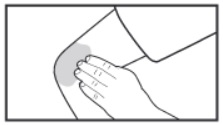
An instructional illustration shows a hand applying gel onto a bent knee. The image demonstrates the topical application of a gel product, consistent with instructions for a topical arthritis pain reliever gel.*
FDA Label Image

Leaflet-image-eleven (Leaflet Image 11)

Leaflet-image-eleven (Leaflet Image 11)
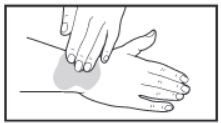
An illustration showing hands with one applying gel topically to the back of the other hand. This image visually represents the topical use of the gel medication.*
FDA Label Image

Leaflet-image-twelve (Leaflet Image 12)

Leaflet-image-twelve (Leaflet Image 12)
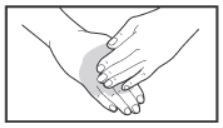
An instructional illustration showing a pair of hands with one hand applying the product gel to the back of the other hand, demonstrating topical application technique.*
FDA Label Image

Leaflet-image-thirteen (Leaflet Image 13)

Leaflet-image-thirteen (Leaflet Image 13)
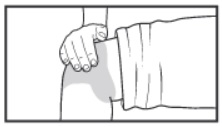
An illustration demonstrating the application of arthritis pain reliever gel by hand onto a knee. The image shows a person's hand spreading the topical gel over the skin of the knee area.*
FDA Label Image

Leaflet-image-fourteen (Leaflet Image 14)

Leaflet-image-fourteen (Leaflet Image 14)
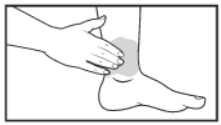
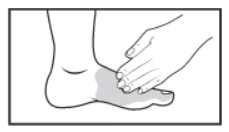
Instructional illustration showing a hand applying topical gel to the ankle area of a foot, demonstrating the use of a topical gel product for targeted application.*
FDA Label Image

Leaflet-image-fifteen (Leaflet Image 15)

Leaflet-image-fifteen (Leaflet Image 15)
An instructional illustration showing hands applying gel to the top of a foot, indicating topical application of a product likely related to foot or joint pain relief.*
FDA Label Image

Leaflet-image-sixteen (Leaflet Image 16)

Leaflet-image-sixteen (Leaflet Image 16)
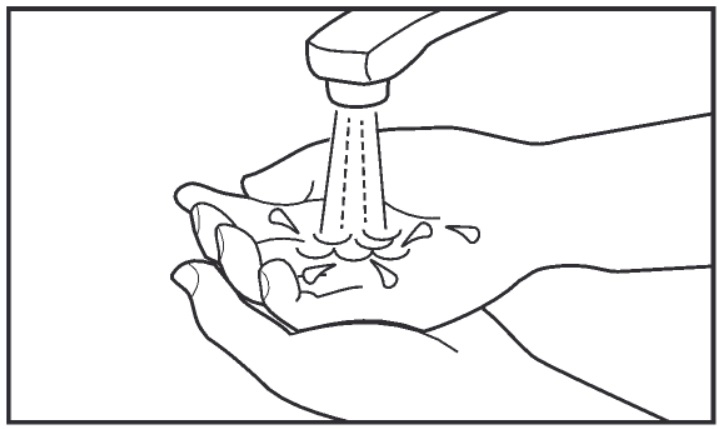
An instructional illustration showing two hands positioned under a running faucet with water flowing over the palms, suggesting hand washing or rinsing. The diagram is drawn in black and white line art style with no text included.*
FDA Label Image

Leaflet-image-seventeen (Leaflet Image 17)

Leaflet-image-seventeen (Leaflet Image 17)
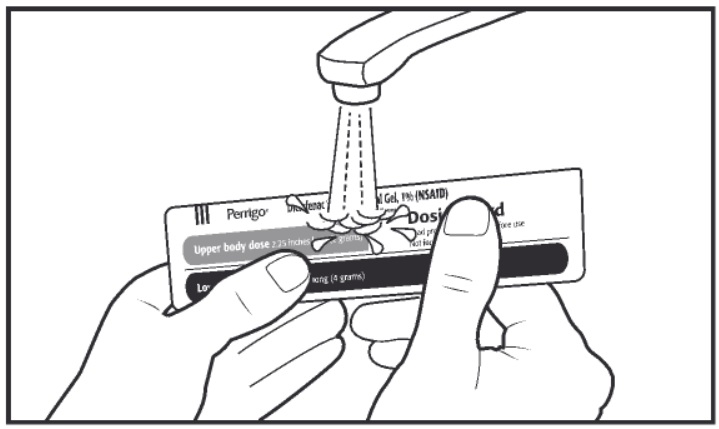
An instructional illustration showing hands holding a dosing card under running water from a faucet to wet and activate the medication. The card is labeled with dosing instructions for upper and lower body dosage, indicating specific measurements in inches and grams.*
FDA Label Image

Leaflet-image-eighteen (Leaflet Image 18)

Leaflet-image-eighteen (Leaflet Image 18)
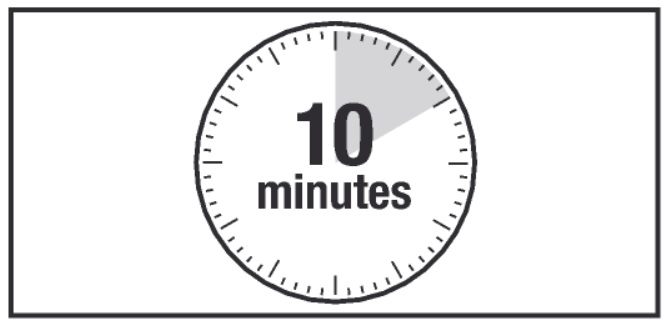
An illustration showing a clock face with the text "10 minutes" prominently displayed in the center. The clock highlights a 10-minute segment with shading, representing a time interval.*
FDA Label Image

Leaflet-image-nineteen (Leaflet Image 19)

Leaflet-image-nineteen (Leaflet Image 19)
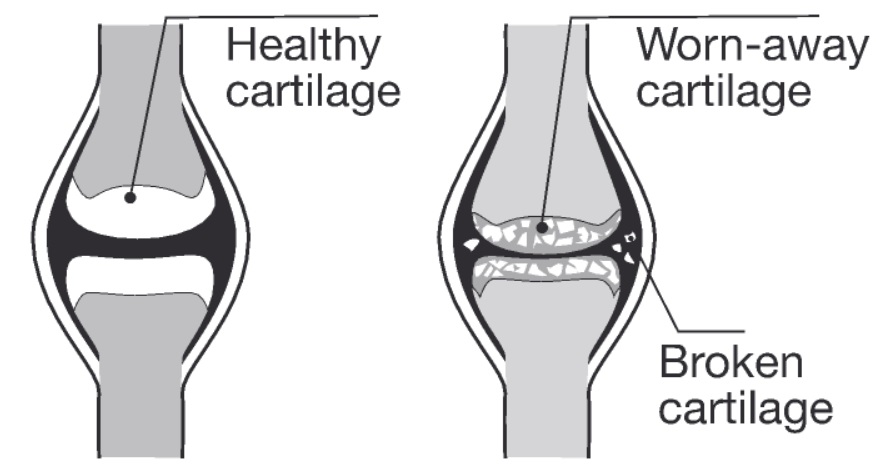
An anatomical illustration comparing a joint with healthy cartilage on the left and a joint with worn-away and broken cartilage on the right. The healthy cartilage image shows smooth joint surfaces, while the worn cartilage image highlights damaged and irregular cartilage areas in the joint.*
FDA Label Image

Leaflet-image-two (Leaflet Image 2)

Leaflet-image-two (Leaflet Image 2)
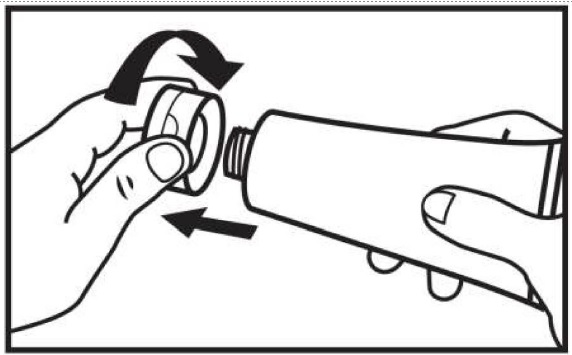
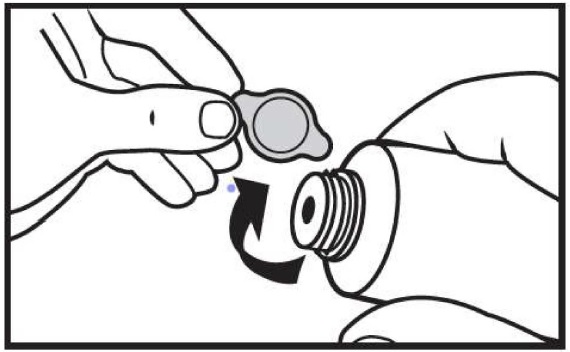
An instructional black-and-white line drawing showing hands removing the cap from a tube, likely demonstrating how to open a topical gel product such as arthritis pain reliever gel.*
FDA Label Image

Leaflet-image-twenty (Leaflet Image 20)

Leaflet-image-twenty (Leaflet Image 20)
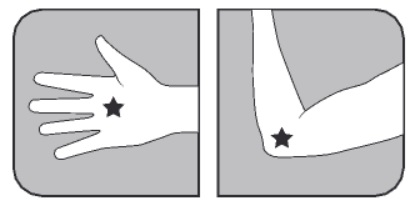
Illustration showing two markings indicating topical application sites for arthritis pain reliever gel: one on the palm of the hand and one on the inner elbow area.*
FDA Label Image

Leaflet-image-twenty-one (Leaflet Image 21)

Leaflet-image-twenty-one (Leaflet Image 21)
Illustration showing the areas of application for arthritis pain reliever gel: one image highlights a knee with a star marking the site, and the second image shows an ankle with a star marking the site, indicating where to apply the topical gel.*
FDA Label Image

Leaflet-image-twenty-two (Leaflet Image 22)

Leaflet-image-twenty-two (Leaflet Image 22)
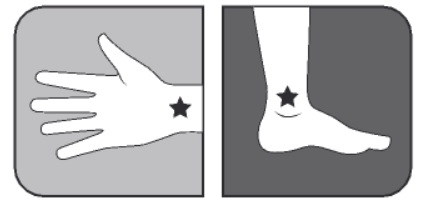
An illustration showing two images side by side: a hand with a star marking on the wrist and a foot with a star marking on the ankle. This likely indicates typical application sites for a topical gel product.*
FDA Label Image

Leaflet-image-twenty-three (Leaflet Image 23)

Leaflet-image-twenty-three (Leaflet Image 23)
Illustrative diagram showing the application areas on the left (L) and right (R) knee, each marked with a star to indicate the topical gel application site for arthritis pain reliever containing diclofenac sodium.*
FDA Label Image

Leaflet-image-three (Leaflet Image 3)

Leaflet-image-three (Leaflet Image 3)
Illustration showing a hand removing a protective seal from the opening of a tube, demonstrating how to open the tube before using topical gel. The other hand holds the tube, and an arrow indicates the seal being peeled off.*
FDA Label Image

Leaflet-image-four (Leaflet Image 4)

Leaflet-image-four (Leaflet Image 4)
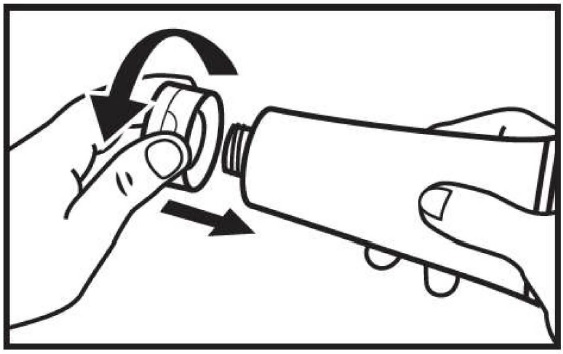
An instructional illustration showing a person removing the cap from a tube, likely representing how to open the arthritis pain reliever gel tube containing diclofenac sodium 10 mg/g for topical use.*
FDA Label Image

Leaflet-image-five (Leaflet Image 5.0.jpg)

FDA Label Image

Leaflet-image-six (Leaflet Image 5.1.jpg)

FDA Label Image

Leaflet-image-seven (Leaflet Image 6.0.jpg)

FDA Label Image

Leaflet-image-eight (Leaflet Image 6.1.jpg)

FDA Label Image

Leaflet-image-nine (Leaflet Image 7)

Leaflet-image-nine (Leaflet Image 7)
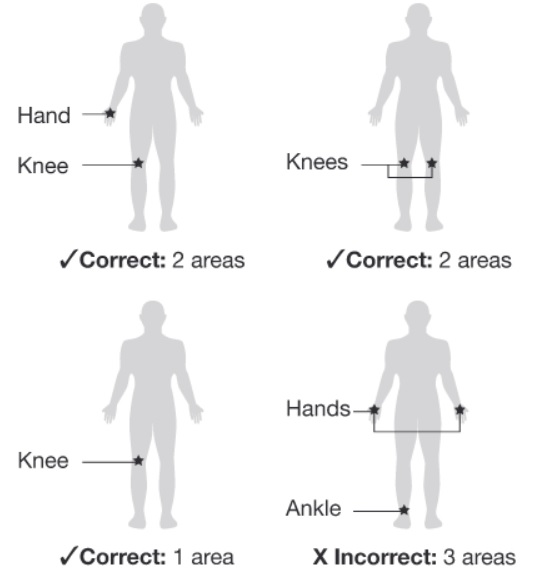
An instructional diagram showing correct and incorrect usage areas for a topical arthritis pain reliever gel. Four human body silhouettes indicate areas marked as 'Hand' and 'Knee' (correct for 2 areas), 'Knees' (correct for 2 areas), 'Knee' alone (correct for 1 area), and 'Hands' with 'Ankle' (incorrect for 3 areas), highlighting acceptable and unacceptable application sites.*
FDA Label Image

Arthritis-pain-reliever (Arthritis Pain Reliever)

Arthritis-pain-reliever (Arthritis Pain Reliever)
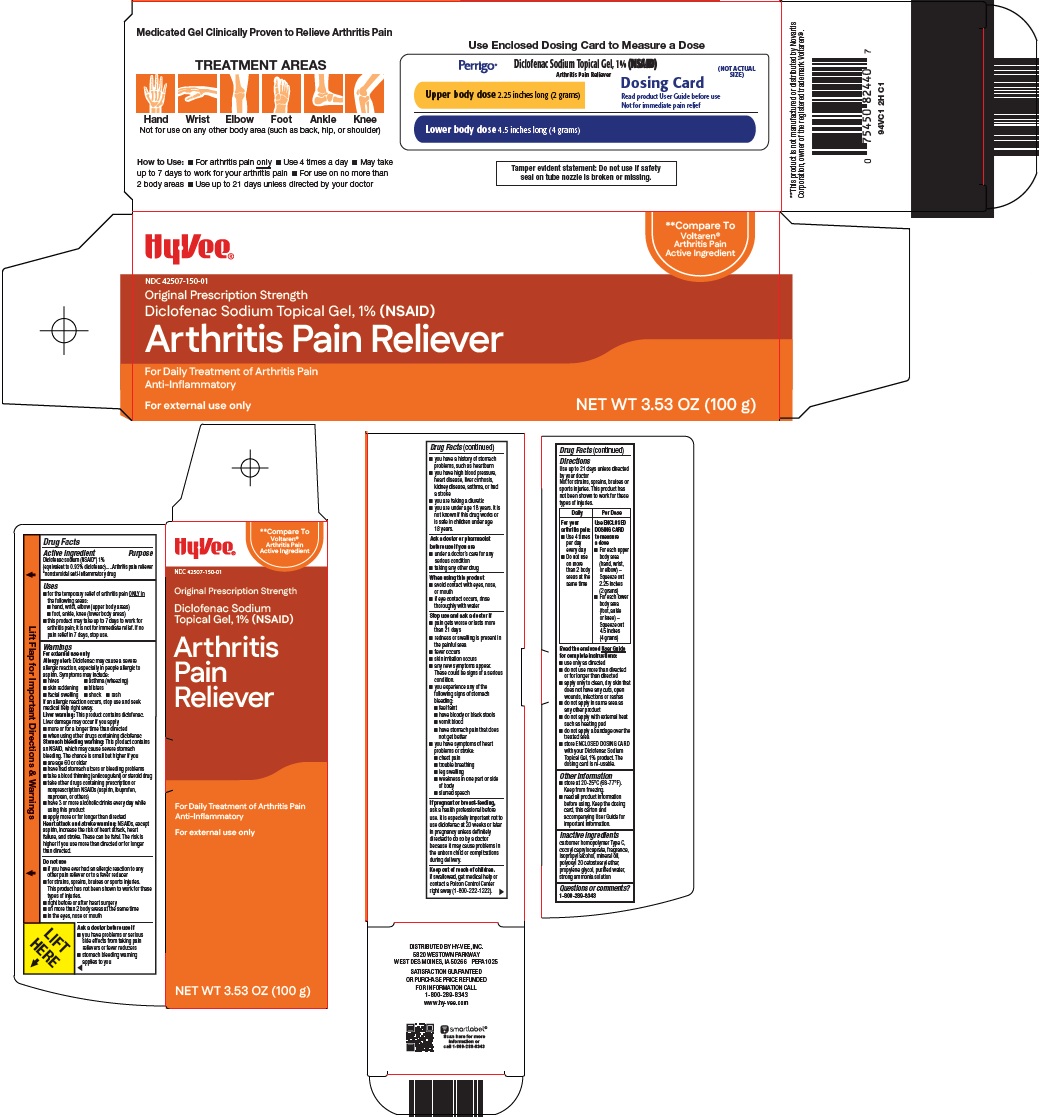
Arthritis Pain Reliever topical gel, 1% Diclofenac Sodium, in a 3.53 oz (100 g) package by HyVee Inc. The label shows it is an NSAID for daily arthritis pain treatment, topical use only, with directions and warnings. The package includes dosing instructions with a dosing card for upper and lower body applications.*
FDA Label Image

Dosing-card-lower (Dosing Card Lower)

Dosing-card-lower (Dosing Card Lower)
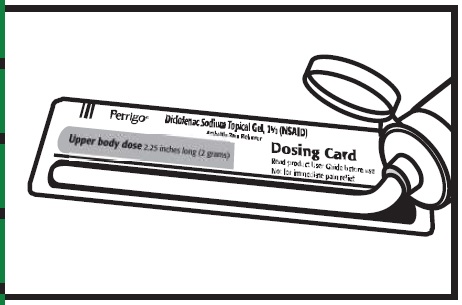
An instructional illustration showing a tube of Diclofenac Sodium Topical Gel 1% with dosing guidance. The image depicts a person applying a measured dose (2.25 inches or 2 grams) of the gel onto the upper body area. This visual demonstrates proper topical gel dosing using a dosing card to measure the amount.*
FDA Label Image

Dosing-card-upper (Dosing Card Upper)

Dosing-card-upper (Dosing Card Upper)
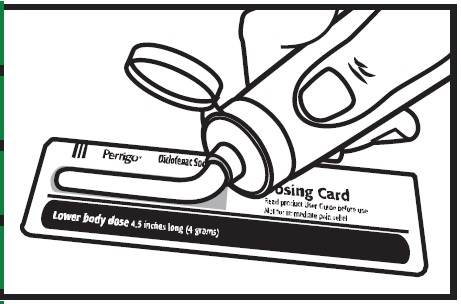
An instructional illustration showing a hand squeezing a tube of diclofenac sodium gel onto a dosing card. The card has measurement markings, including a note indicating a lower body dose of 4.5 inches long (4 grams), used for accurate topical dosing.*

* About these descriptions: Image descriptions on this page are generated by automated AI analysis of the product label images from the manufacturer's FDA label submission (SPL). They are provided for reference only and may contain errors or omissions. Always rely on the printed label itself and the official FDA labeling, and consult a pharmacist or healthcare professional with any questions about this product.