Amoxicillin And Clavulanate Potassium Powder, For Suspension
Product Images NDC 42571-164

View Photos of Packaging, Regulatory Labels, and Product Appearance

Product Visual Gallery

This gallery contains 4 technical images submitted to the FDA as part of the official labeling for Amoxicillin And Clavulanate Potassium (NDC 42571-164). Unlike standard consumer photos, these assets often include clinical data figures, molecular chemical structures, and official manufacturer packaging layouts.

As provided by Micro Labs Limited, these visuals offer a comprehensive scientific overview of the product's physical and chemical identity, aiding pharmacists and researchers in product verification and study.

FDA Label Image

Amoxiclavu Amoxicillin Strct

FDA Label Image

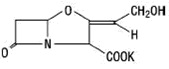
Clavunate (Amoxiclavu Clavulanatepotstrct)

FDA Label Image

Img Labl A

Img Labl A
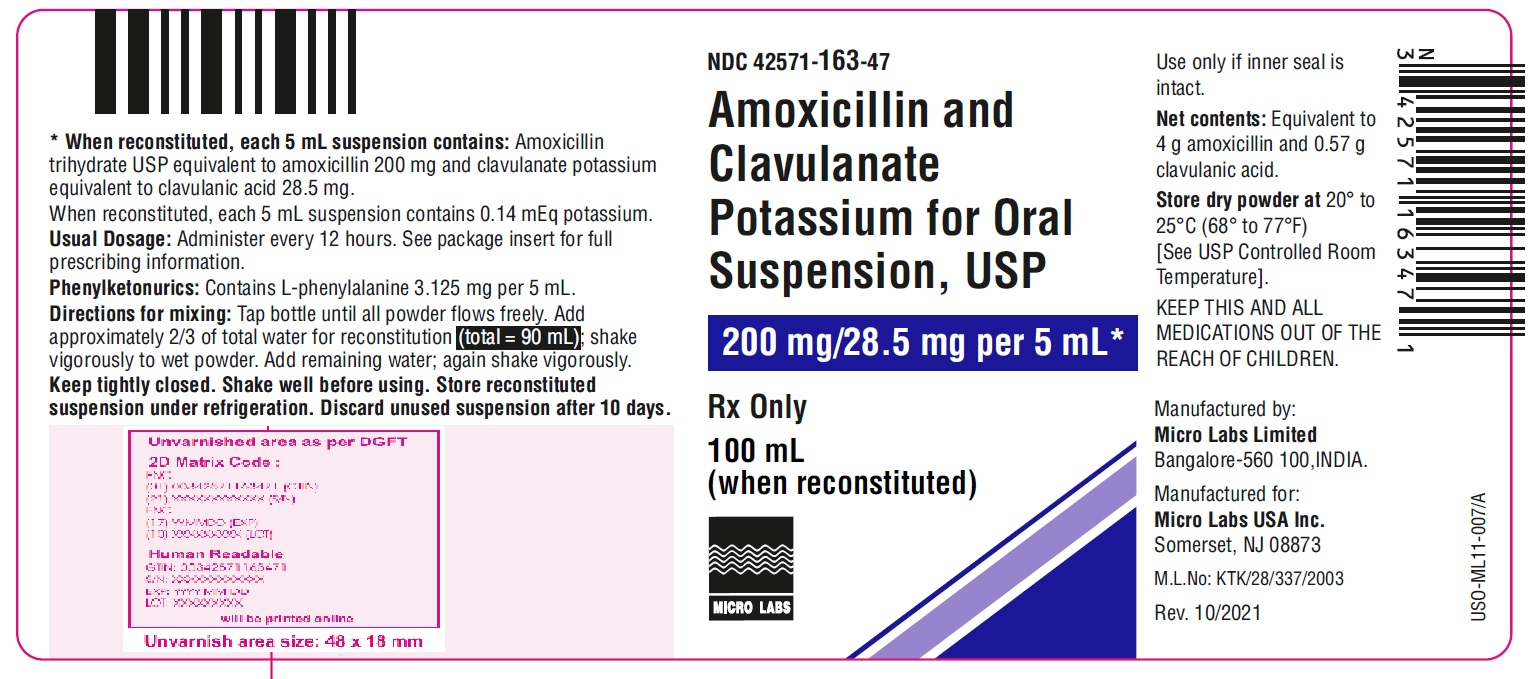
Amoxicillin and clavulanate potassium are available in oral suspension form. This medication is used to treat various bacterial infections. Each 5 mL suspension contains 200 mg of amoxicillin and 28.5 mg of clavulanate potassium when reconstituted. The suspension must be stored in the refrigerator, and any unused medication should be discarded after ten days. The medication should be administered every 12 hours. It contains L-phenylalanine 3.125 mg per 5 mL, and phenylketonurics should consult their doctors.*
FDA Label Image

Img Labl B

Img Labl B
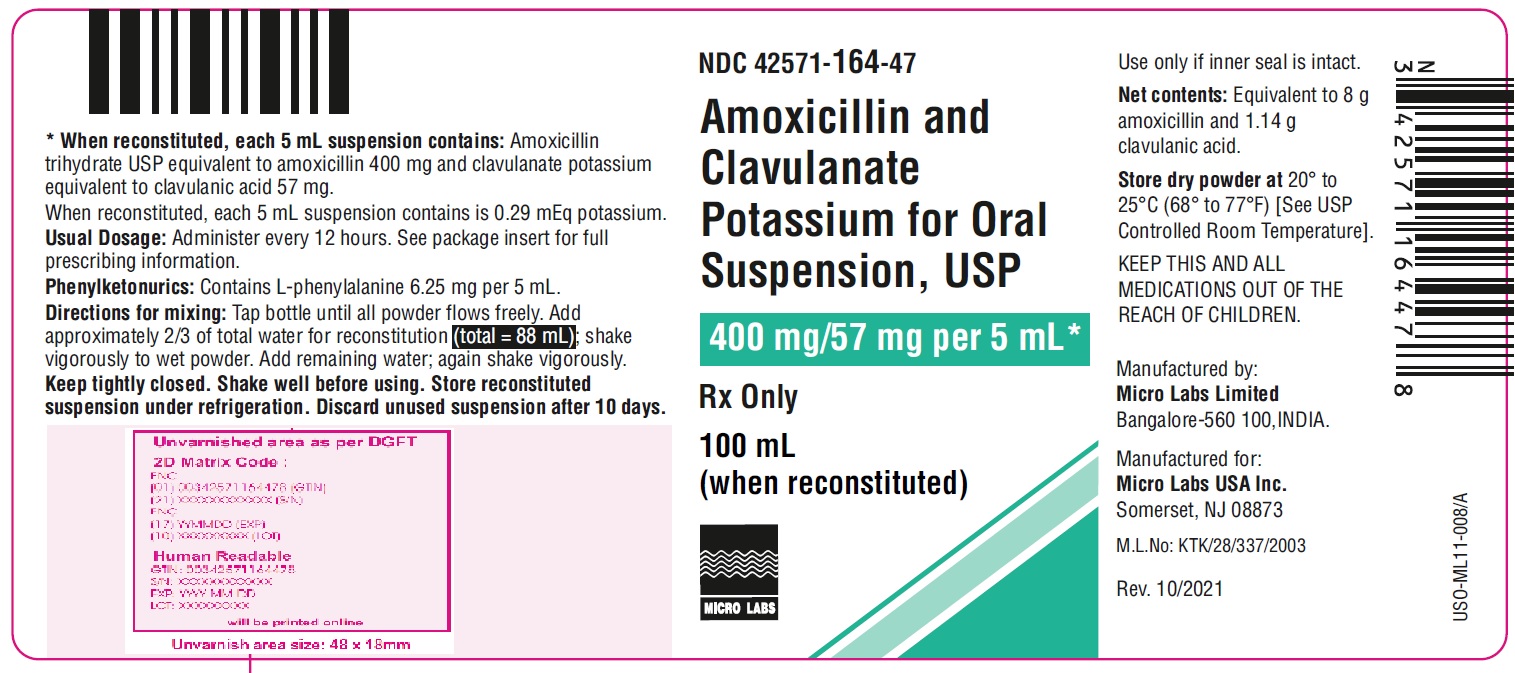
This is a medicine label with the NDC (National Drug Code) number 42571-164-47, which indicates it is a suspension containing Amoxicillin and Clavulanic acid. It should only be used if the inner seal is intact. When reconstituted, each 5 mL of the suspension contains 400 mg of amoxicillin and 57 mg of clavulanic acid. The usual dosage is every 12 hours as per the package insert. It also contains potassium and phenylalanine. Instructions for mixing are given, and the suspension should be stored in the refrigerator and discarded after 10 days. The label also includes the manufacturer's name and location.*

* These product label images have been analyzed using experimental machine learning. Please verify findings with the primary label text.