Sapropterin Dihydrochloride Powder, For Solution
Product Images NDC 42571-510

View Photos of Packaging, Regulatory Labels, and Product Appearance

Product Visual Gallery

This gallery contains 12 technical images submitted to the FDA as part of the official labeling for Sapropterin Dihydrochloride (NDC 42571-510). Unlike standard consumer photos, these assets often include clinical data figures, molecular chemical structures, and official manufacturer packaging layouts.

As provided by Micro Labs Limited, these visuals offer a comprehensive scientific overview of the product's physical and chemical identity, aiding pharmacists and researchers in product verification and study.

FDA Label Image

Sapropterin-crtn.jpg (Sapropterin Crtn)
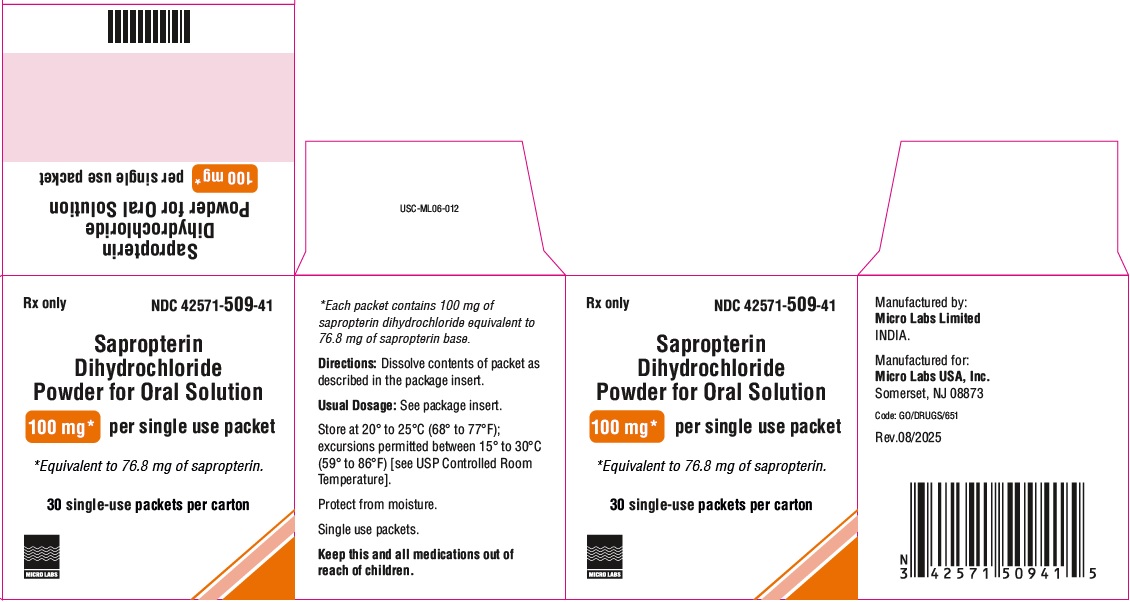
Sapropterin-crtn.jpg (Sapropterin Crtn)
Sapropterin Dihydrochloride 100 mg powder for oral solution single-use packets. The label shows 30 packets per carton. The product is by Micro Labs Limited and Micro Labs USA, Inc. The label specifies storage instructions, dosage as per package insert, and a note that each packet contains 100 mg equivalent to 76.8 mg sapropterin base.*
FDA Label Image

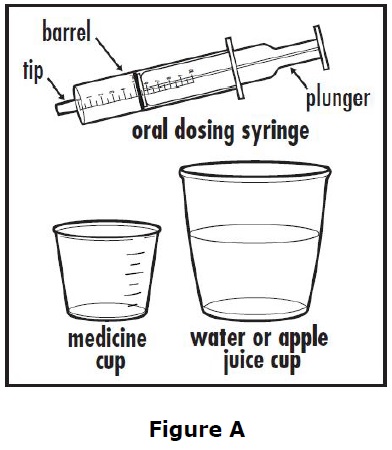
Sapropterin-figa.jpg (Sapropterin Figa)

Sapropterin-figa.jpg (Sapropterin Figa)
An instructional diagram labeled Figure A showing an oral dosing syringe with parts identified as barrel, tip, and plunger, along with two cups labeled as medicine cup and water or apple juice cup. The image illustrates components used for oral administration of medication.*
FDA Label Image

Sapropterin-figb.jpg (Sapropterin Figb)

Sapropterin-figb.jpg (Sapropterin Figb)
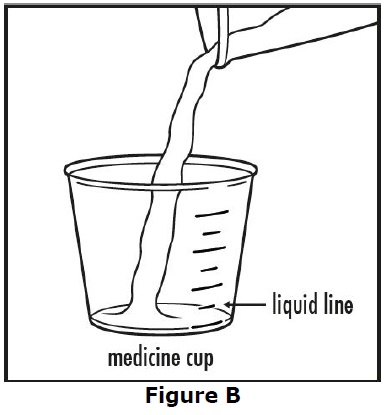
An instructional diagram labeled Figure B showing liquid being poured into a medicine cup. The cup is marked with a liquid line and labeled as 'medicine cup,' illustrating measurement or preparation of an oral liquid medication.*
FDA Label Image

Sapropterin-figc.jpg (Sapropterin Figc)

Sapropterin-figc.jpg (Sapropterin Figc)
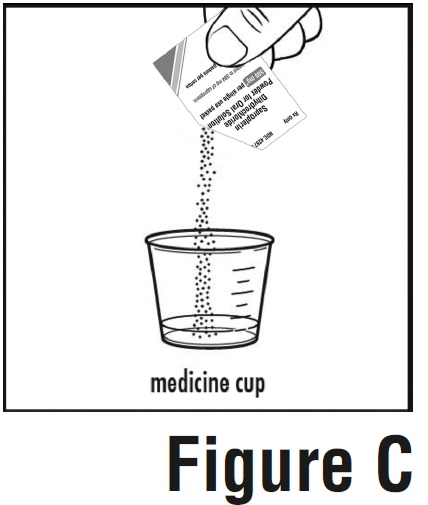
An instructional illustration showing a hand pouring Sapropterin Dihydrochloride powder for solution orally into a medicine cup. The powder is depicted as small dots falling from a sachet into the cup labeled "medicine cup." The image demonstrates how to prepare the medication for oral administration.*
FDA Label Image

Sapropterin-figd.jpg (Sapropterin Figd)

Sapropterin-figd.jpg (Sapropterin Figd)
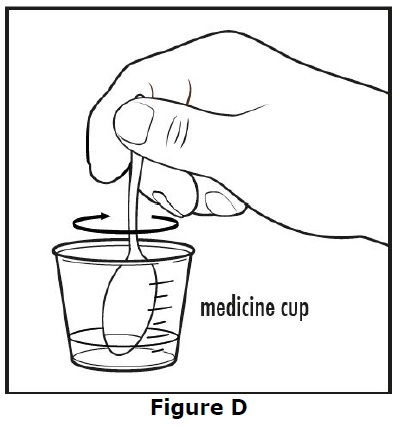
An instructional illustration labeled 'Figure D' showing a hand stirring liquid in a medicine cup with a spoon, demonstrating preparation or mixing technique likely related to oral powder solutions.*
FDA Label Image

Sapropterin-fige.jpg (Sapropterin Fige)

Sapropterin-fige.jpg (Sapropterin Fige)
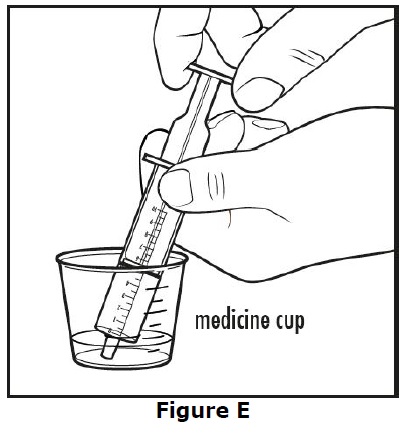
An instructional illustration labeled 'Figure E' showing a hand holding a syringe-like device and drawing liquid from a small medicine cup. The medicine cup is marked with measurement lines and labeled 'medicine cup'.*
FDA Label Image

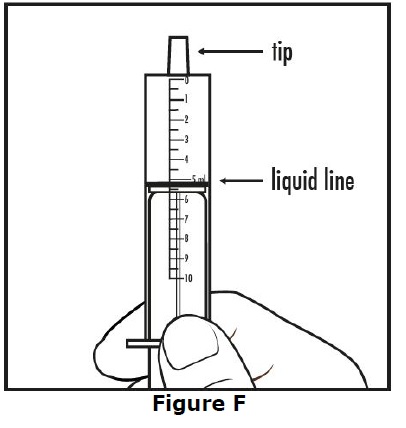
Sapropterin-figf.jpg (Sapropterin Figf)

Sapropterin-figf.jpg (Sapropterin Figf)
An instructional line drawing illustrating how to measure liquid in an oral dosing syringe, showing the tip and the liquid line at the 5 ml mark held by a hand. Labeled as Figure F.*
FDA Label Image

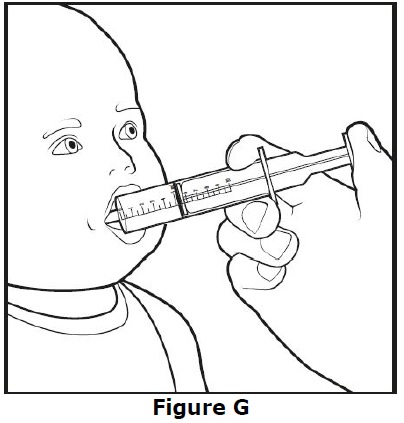
Sapropterin-figg.jpg (Sapropterin Figg)

Sapropterin-figg.jpg (Sapropterin Figg)
Illustration showing a person administering oral medication to an infant using an oral syringe inserted into the child's mouth. The image focuses on safe and accurate dosing technique for liquid or solution medications.*
FDA Label Image

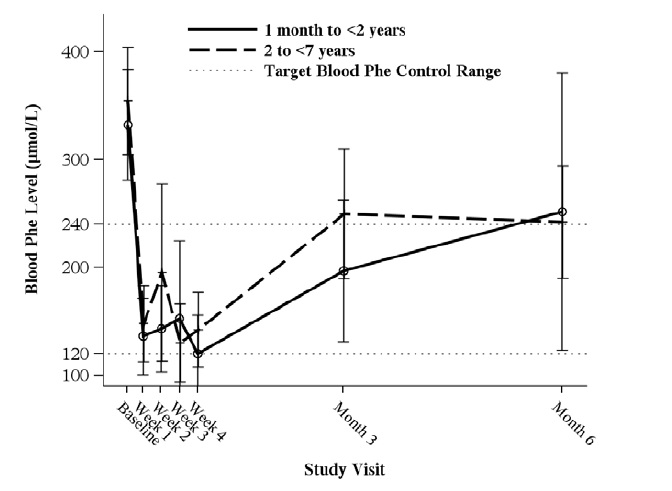
Sapropterin-figure1.jpg (Sapropterin Figure1)

Sapropterin-figure1.jpg (Sapropterin Figure1)
A line graph depicting blood phenylalanine (Phe) levels in µmol/L over various study visits, including baseline, weeks 1 to 4, and months 3 and 6. Two age groups are represented: 1 month to less than 2 years (solid line) and 2 to less than 7 years (dashed line). The graph includes target blood Phe control ranges indicated by dotted lines.*
FDA Label Image

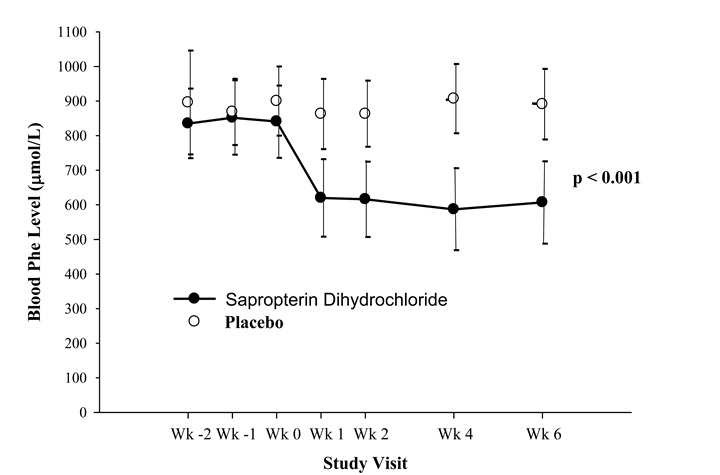
Sapropterin-figure2.jpg (Sapropterin Figure2)

Sapropterin-figure2.jpg (Sapropterin Figure2)
A line graph depicting blood phenylalanine (Phe) levels (µmol/L) over several study visits from week -2 to week 6. It compares two groups: one treated with Sapropterin Dihydrochloride (solid line with filled circles) and a placebo group (dashed line with open circles). The Sapropterin Dihydrochloride group shows a notable decrease in blood Phe levels after week 0, while the placebo group's levels remain relatively steady. Statistical significance is indicated with p < 0.001.*
FDA Label Image

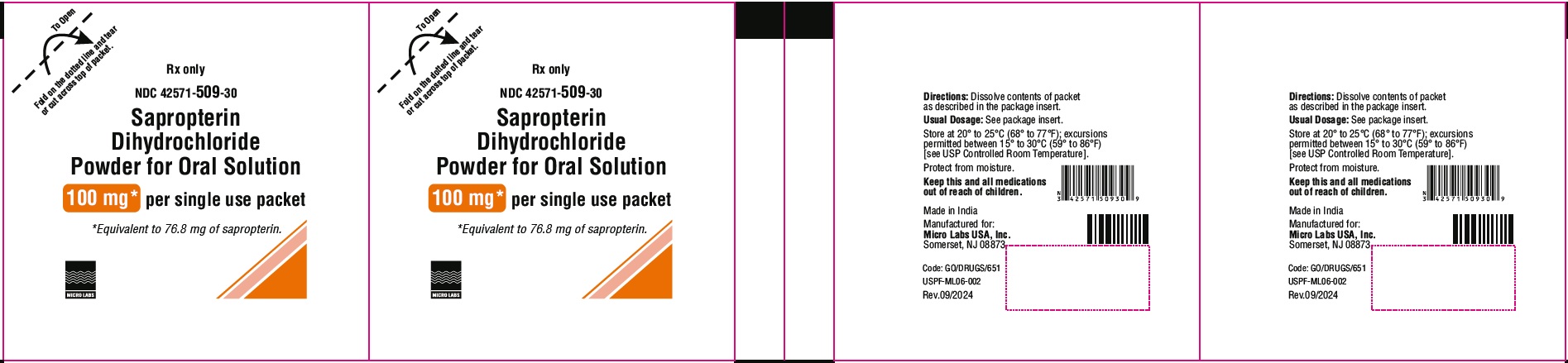
Sapropterin-pckt.jpg (Sapropterin Pckt)

Sapropterin-pckt.jpg (Sapropterin Pckt)
Packaging label for Sapropterin Dihydrochloride Powder for Oral Solution, 100 mg per single use packet, equivalent to 76.8 mg of sapropterin. The label includes handling instructions, the Micro Labs Limited logo, storage directions, manufacturer information (Micro Labs USA, Inc.), and barcode. The product is Rx only and made in India.*
FDA Label Image

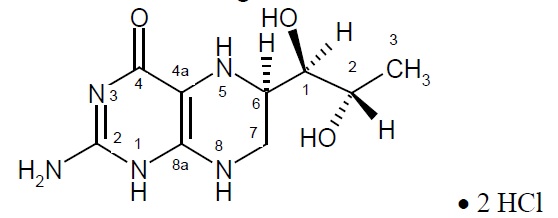
Sapropterin-stru.jpg (Sapropterin Stru)

Sapropterin-stru.jpg (Sapropterin Stru)
Chemical structure of sapropterin dihydrochloride showing its molecular framework with various functional groups, including hydroxyl groups and amine groups, depicted in a 2D line diagram format.*

* About these descriptions: Image descriptions on this page are generated by automated AI analysis of the product label images from the manufacturer's FDA label submission (SPL). They are provided for reference only and may contain errors or omissions. Always rely on the printed label itself and the official FDA labeling, and consult a pharmacist or healthcare professional with any questions about this product.