Hydrogen Peroxide 3% (Hydrogen Peroxide 3 Percent 1)
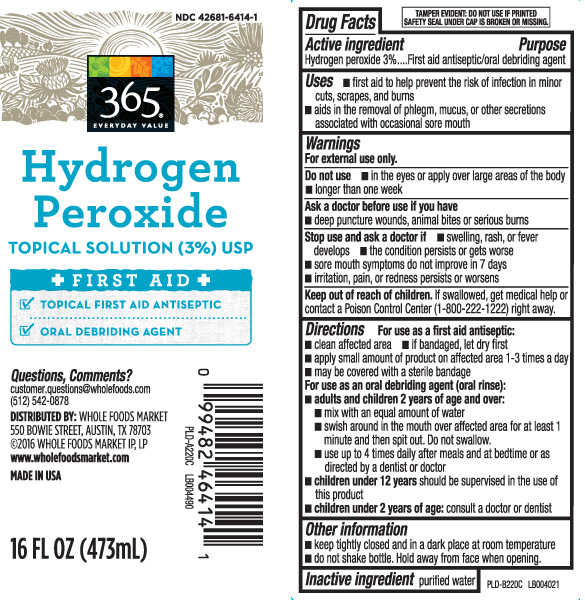
This is a description of Hydrogen Peroxide Topical Solution at 3% concentration as a first aid antiseptic used to help prevent the risk of infection in minor cuts, scrapes, and burns. It also aids in the removal of phlegm, mucus, or other secretions associated with occasional sore mouth. The product should be used only. It should be not applied over large areas of the body or longer than one week without consulting a doctor. If you have deep or puncture wounds, animal bites, or serious burns, a doctor's consultation is required before using it. It must be kept in a dark place at room temperature. If symptoms persist, worsen, swelling, rash, pain, or redness persists; stop using the product and consult a doctor. If sore mouth symptoms do not improve in seven days, get medical help. If swelled, keep the product out of reach of children and contact Poison Control Center or seek medical attention right away. For antiseptic use, mix it with equal amounts of water, swirl around in the mouth over the affected area for at least one minute, and then spit it out. This product is distributed by Whole Foods Market and made in the USA. The package comes in 16 Fl.Oz, and it contains purified water as its inactive ingredient.*
