Other
See full prescribing information for complete boxed warning.
- When pregnancy is detected, discontinue lisinopril and hydrochlorothiazide as soon as possible.
- Drugs that act directly on the renin-angiotensin system can cause injury and death to the developing fetus. See WARNINGS: Fetal Toxicity.
Lisinopril and hydrochlorothiazide tablet USP combines an angiotensin converting enzyme inhibitor, lisinopril, and a diuretic, hydrochlorothiazide.
Lisinopril, a synthetic peptide derivative, is an oral long-acting angiotensin converting enzyme inhibitor. It is chemically described as ( S)-1-[N2-(1-carboxy-3-phenylpropyl)-L-lysyl]-L-proline dihydrate. Its empirical formula is C 21H 31N 3O 5•2H 2O and its structural formula is:

Figure 1 (3a53f18e Af9b 4932 8300 B3521e87528d 01)
Lisinopril is a white, crystalline powder, with a molecular weight of 441.53. It is soluble in water, sparingly soluble in methanol, and practically insoluble in ethanol.
Hydrochlorothiazide is 6-chloro-3,4-dihydro-2 H-1,2,4-benzothiadiazine-7-sulfonamide 1,1-dioxide. Its empirical formula is C 7H 8ClN 3O 4S 2 and its structural formula is:
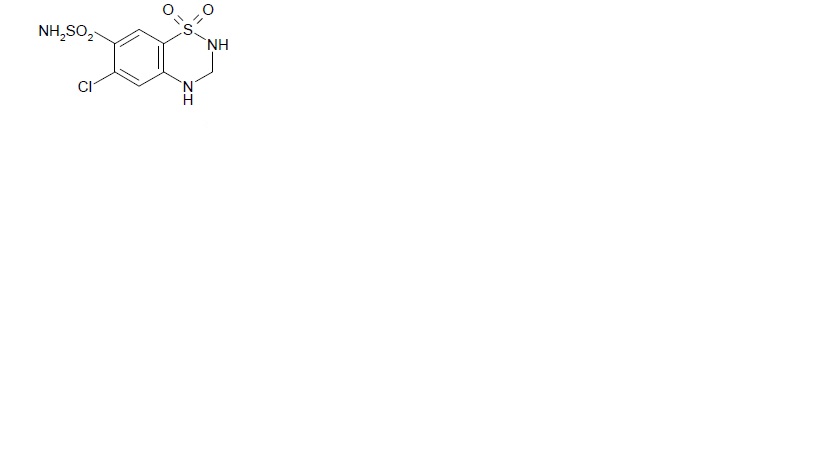
Figure 2 (3a53f18e Af9b 4932 8300 B3521e87528d 02)
Hydrochlorothiazide is a white, or practically white, crystalline powder with a molecular weight of 297.72, which is slightly soluble in water, but freely soluble in sodium hydroxide solution.
Lisinopril and hydrochlorothiazide tablets USP are available for oral use in three tablet combinations of lisinopril with hydrochlorothiazide: lisinopril and hydrochlorothiazide tablets USP, 10 mg/12.5 mg, containing 10 mg lisinopril and 12.5 mg hydrochlorothiazide; lisinopril and hydrochlorothiazide tablets USP, 20 mg/12.5 mg, containing 20 mg lisinopril and 12.5 mg hydrochlorothiazide; and lisinopril and hydrochlorothiazide tablets USP, 20 mg/25 mg, containing 20 mg lisinopril and 25 mg hydrochlorothiazide.
Inactive ingredients are dibasic calcium phosphate, magnesium stearate, mannitol, pregelatinized starch and starch (corn). Lisinopril and hydrochlorothiazide tablets USP, 10 mg/12.5 mg also contains FD&C Blue No. 2 Aluminum Lake. Lisinopril and hydrochlorothiazide tablets USP, 20 mg/12.5 mg also contains yellow iron oxide and lisinopril and hydrochlorothiazide tablets USP, 20 mg/25 mg also contain red iron oxide.
Lisinopril and hydrochlorothiazide tablets USP are indicated for the treatment of hypertension, to lower blood pressure. Lowering blood pressure lowers the risk of fatal and non-fatal cardiovascular events, primarily strokes and myocardial infarctions. These benefits have been seen in controlled trials of antihypertensive drugs from a wide variety of pharmacologic classes including lisinopril and hydrochlorothiazide.
Control of high blood pressure should be part of comprehensive cardiovascular risk management, including, as appropriate, lipid control, diabetes management, antithrombotic therapy, smoking cessation, exercise, and limited sodium intake. Many patients will require more than 1 drug to achieve blood pressure goals. For specific advice on goals and management, see published guidelines, such as those of the National High Blood Pressure Education Program's Joint National Committee on Prevention, Detection, Evaluation, and Treatment of High Blood Pressure (JNC).
Numerous antihypertensive drugs, from a variety of pharmacologic classes and with different mechanisms of action, have been shown in randomized controlled trials to reduce cardiovascular morbidity and mortality, and it can be concluded that it is blood pressure reduction, and not some other pharmacologic property of the drugs, that is largely responsible for those benefits. The largest and most consistent cardiovascular outcome benefit has been a reduction in the risk of stroke, but reductions in myocardial infarction and cardiovascular mortality also have been seen regularly.
Elevated systolic or diastolic pressure causes increased cardiovascular risk, and the absolute risk increase per mmHg is greater at higher blood pressures, so that even modest reductions of severe hypertension can provide substantial benefit. Relative risk reduction from blood pressure reduction is similar across populations with varying absolute risk, so the absolute benefit is greater in patients who are at higher risk independent of their hypertension (for example, patients with diabetes or hyperlipidemia), and such patients would be expected to benefit from more aggressive treatment to a lower blood pressure goal.
Some antihypertensive drugs have smaller blood pressure effects (as monotherapy) in black patients, and many antihypertensive drugs have additional approved indications and effects (eg., on angina, heart failure, or diabetic kidney disease). These considerations may guide selection of therapy.
These fixed-dose combinations are not indicated for initial therapy (see DOSAGE AND ADMINISTRATION).
In using lisinopril and hydrochlorothiazide tablets USP, consideration should be given to the fact that an angiotensin converting enzyme inhibitor, captopril, has caused agranulocytosis, particularly in patients with renal impairment or collagen vascular disease, and that available data are insufficient to show that lisinopril does not have a similar risk. (See WARNINGS).
In considering the use of lisinopril and hydrochlorothiazide tablets USP, it should be noted that ACE inhibitors have been associated with a higher rate of angioedema in black than in nonblack patients. (See WARNINGS, Lisinopril).
Lisinopril and hydrochlorothiazide is contraindicated in patients who are hypersensitive to this product and in patients with a history of angioedema related to previous treatment with an angiotensin-converting enzyme inhibitor and in patients with hereditary or idiopathic angioedema. Because of the hydrochlorothiazide component, this product is contraindicated in patients with anuria or hypersensitivity to other sulfonamide-derived drugs.
Lisinopril and hydrochlorothiazide is contraindicated in combination with a neprilysin inhibitor (e.g., sacubitril). Do not administer Lisinopril and Hydrochlorothiazide tablets USP within 36 hours of switching to or from sacubitril/valsartan, a neprilysin inhibitor (see WARNINGS).
Do not co-administer aliskiren with lisinopril and hydrochlorothiazide in patients with diabetes (see PRECAUTIONS, Drug Interactions).
Lisinopril and hydrochlorothiazide have been evaluated for safety in 930 patients, including 100 patients treated for 50 weeks or more.
In clinical trials with lisinopril and hydrochlorothiazide no adverse experiences peculiar to this combination drug have been observed. Adverse experiences that have occurred have been limited to those that have been previously reported with lisinopril or hydrochlorothiazide.
The most frequent clinical adverse experiences in controlled trials (including open label extensions) with any combination of lisinopril and hydrochlorothiazide were: dizziness (7.5%), headache (5.2%), cough (3.9%), fatigue (3.7%) and orthostatic effects (3.2%), all of which were more common than in placebo-treated patients. Generally, adverse experiences were mild and transient in nature; but see WARNINGS regarding angioedema and excessive hypotension or syncope. Discontinuation of therapy due to adverse effects was required in 4.4 % of patients, principally because of dizziness, cough, fatigue and muscle cramps.
Adverse experiences occurring in greater than one percent of patients treated with lisinopril plus hydrochlorothiazide in controlled clinical trials are shown below.
| Lisinopril-Hydrochlorothiazide (n=930) | Incidence (discontinuation) | Placebo (n=207) Incidence | |
| Dizziness
| 7.5
| (0.8)
| 1.9
|
| Headache
| 5.2
| (0.3)
| 1.9
|
| Cough
| 3.9
| (0.6)
| 1.0
|
| Fatigue
| 3.7
| (0.4)
| 1.0
|
| Orthostatic Effects
| 3.2
| (0.1)
| 1.0
|
| Diarrhea
| 2.5
| (0.2)
| 2.4
|
| Nausea
| 2.2
| (0.1)
| 2.4
|
| Upper Respiratory Infection
| 2.2
| (0.0)
| 0.0
|
| Muscle Cramps
| 2.0
| (0.4)
| 0.5
|
| Asthenia
| 1.8
| (0.2)
| 1.0
|
| Paresthesia
| 1.5
| (0.1)
| 0.0
|
| Hypotension
| 1.4
| (0.3)
| 0.5
|
| Vomiting
| 1.4
| (0.1)
| 0.5
|
| Dyspepsia
| 1.3
| (0.0)
| 0.0
|
| Rash
| 1.2
| (0.1)
| 0.5
|
| Impotence
| 1.2
| (0.3)
| 0.0
|
Clinical adverse experiences occurring in 0.3 to 1.0 % of patients in controlled trials and rarer, serious, possibly drug-related events reported in marketing experience are listed below:
Body as a Whole: Chest pain, abdominal pain, syncope, chest discomfort, fever, trauma, virus infection. Cardiovascular: Palpitation, orthostatic hypotension. Digestive: Gastrointestinal cramps, dry mouth, constipation, heartburn. Musculoskeletal: Back pain, shoulder pain, knee pain, back strain, myalgia, foot pain. Nervous/Psychiatric: Decreased libido, vertigo, depression, somnolence. Respiratory: Common cold, nasal congestion, influenza, bronchitis, pharyngeal pain, dyspnea, pulmonary congestion, chronic sinusitis, allergic rhinitis, pharyngeal discomfort. Skin: Flushing, pruritus, skin inflammation, diaphoresis, cutaneous pseudolymphoma. Special Senses: Blurred vision, tinnitus, otalgia. Urogenital: Urinary tract infection.
Angioedema: Angioedema of the face, extremities, lips, tongue, glottis and/or larynx has been reported (See WARNINGS).
In rare cases, intestinal angioedema has been reported in post marketing experience.
Hypotension: In clinical trials, adverse effects relating to hypotension occurred as follows: hypotension (1.4%), orthostatic hypotension (0.5%), other orthostatic effects (3.2%). In addition syncope occurred in 0.8% of patients. (See WARNINGS).
Cough: See PRECAUTIONS, Cough.
No specific information is available on the treatment of overdosage with lisinopril and hydrochlorothiazide. Treatment is symptomatic and supportive. Therapy with lisinopril and hydrochlorothiazide should be discontinued and the patient observed closely. Suggested measures include induction of emesis and/or gastric lavage, and correction of dehydration, electrolyte imbalance and hypotension by established procedures.
Lisinopril monotherapy is an effective treatment of hypertension in once-daily doses of 10 mg to 80 mg, while hydrochlorothiazide monotherapy is effective in doses of 12.5 mg per day to 50 mg per day. In clinical trials of lisinopril/hydrochlorothiazide combination therapy using lisinopril doses of 10 mg to 80 mg and hydrochlorothiazide doses of 6.25 mg to 50 mg, the antihypertensive response rates generally increased with increasing dose of either component.
The side effects (see WARNINGS) of lisinopril are generally rare and apparently independent of dose; those of hydrochlorothiazide are a mixture of dose-dependent phenomena (primarily hypokalemia) and dose-independent phenomena (e.g., pancreatitis), the former much more common than the latter. Therapy with any combination of lisinopril and hydrochlorothiazide may be associated with either or both dose-independent or dose-dependent side effects, but addition of lisinopril in clinical trials blunted the hypokalemia normally seen with diuretics.
To minimize dose-dependent side effects, it is usually appropriate to begin combination therapy only after a patient has failed to achieve the desired effect with monotherapy.
Lisinopril and Hydrochlorothiazide Tablets USP, 10 mg/12.5 mg are blue, hexagonal tablets, with "LL" debossed on one side and "B01" on other side.
They are supplied as follows:
NDC 42708-150-30 – 30's bottle
Storage
Store at 20° to 25°C (68° to 77°F). [See USP Controlled Room Temperature]. Protect from excessive light and humidity.
*AN69 is a registered trademark of Hospal Ltd.
Manufactured for:
Lupin Pharmaceuticals, Inc.
Baltimore, Maryland 21202
United States
MADE IN INDIA
Revised: December 2020 ID#: 266353

