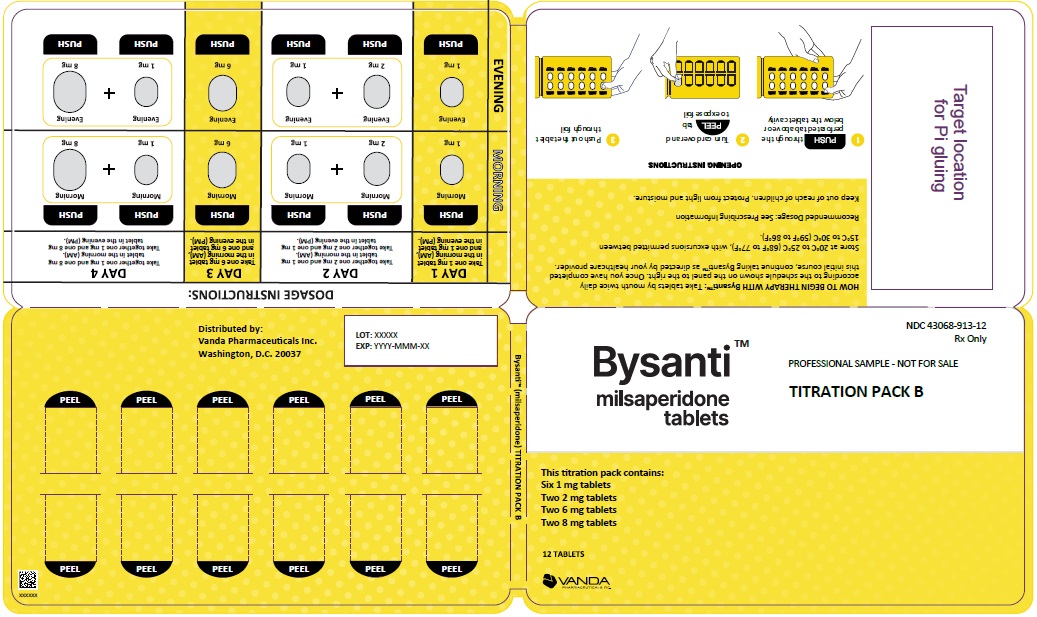
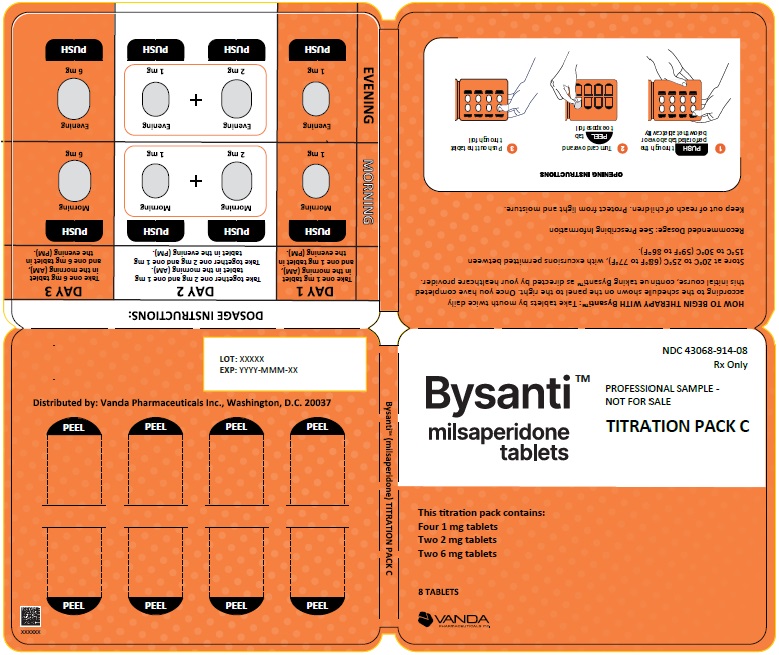
Bysanti Kit
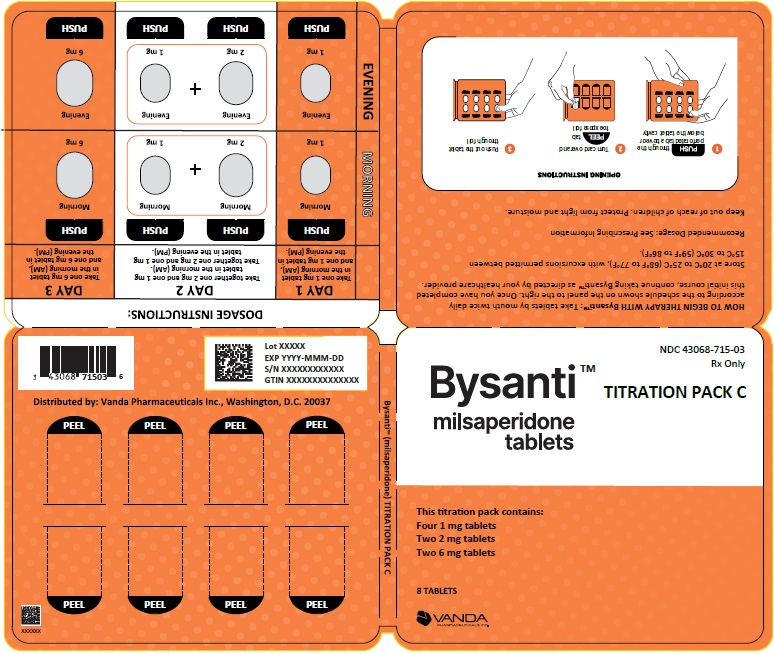
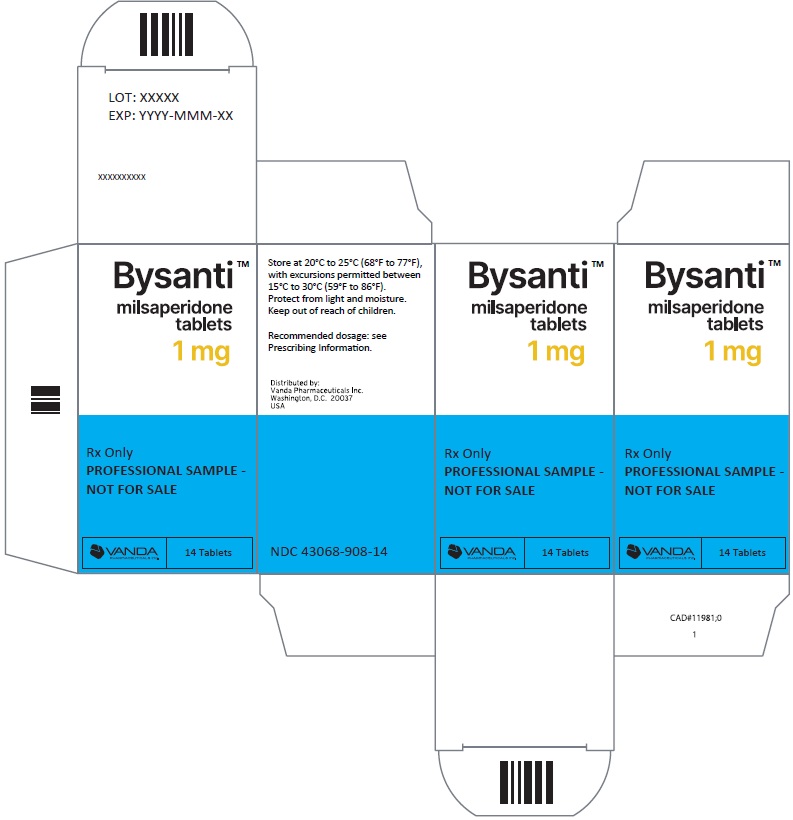
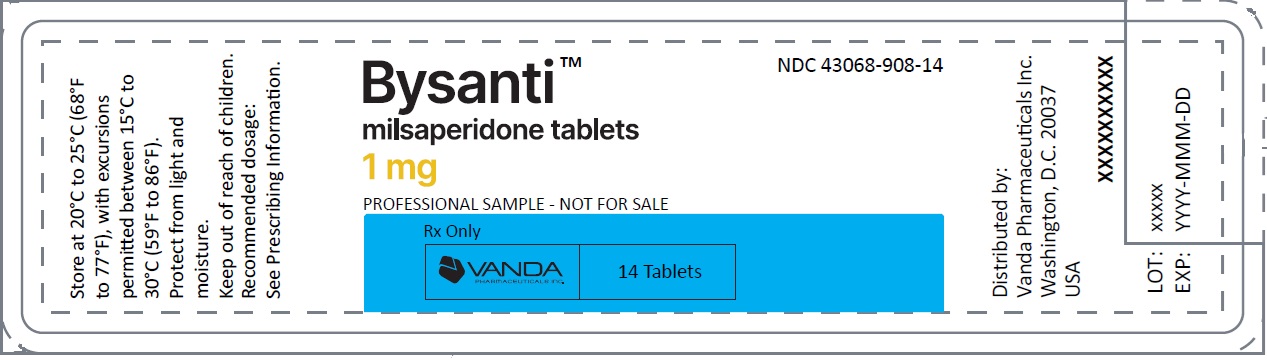
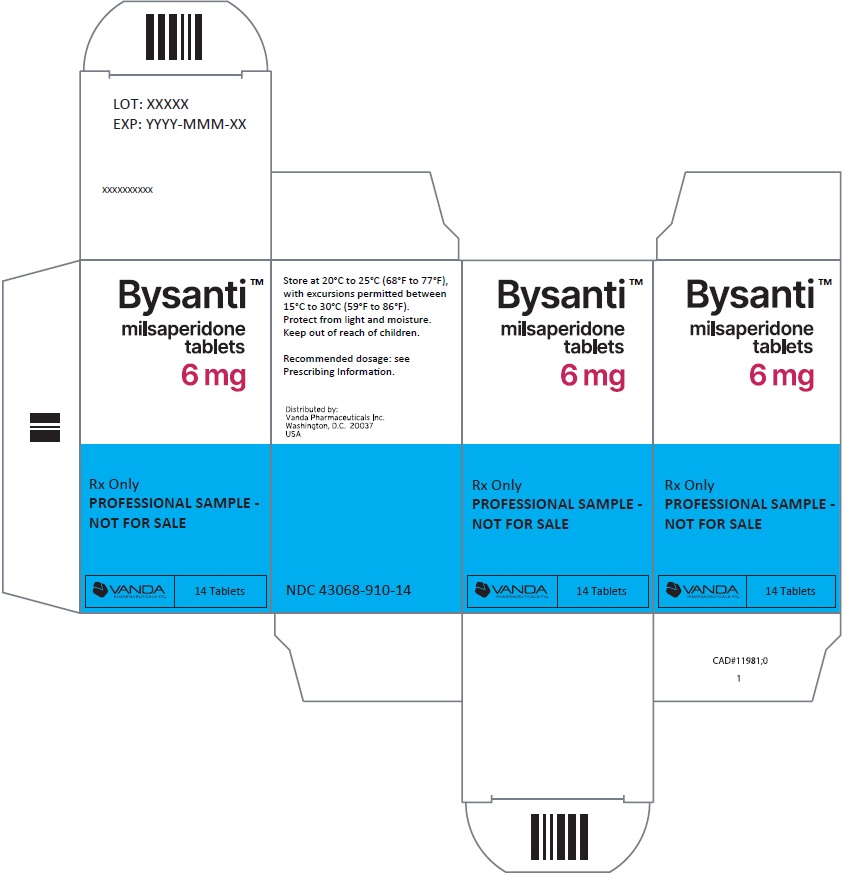
FDA Label NDC 43068-715

Full FDA labeling including Indications, Dosage, Usage, and Precautions

Structured Product Label

The following Structured Product Label (SPL) was submitted to the FDA by Vanda Pharmaceuticals Inc. for the product Bysanti (NDC 43068-715). This document serves as the official prescribing information, containing essential scientific data and clinical materials required for healthcare providers and patients.

This specific version of the label includes detailed information regarding warning: increased mortality in elderly patients with dementia-related psychosis, 1 indications and usage, 2.1 recommended dosage, 2.2 dosage recommendations for use in patients who are cyp2d6 poor metabolizers, 2.3 dosage recommendations in patients with hepatic impairment, 2.4 dosage modifications for drug interactions, 2.5 recommendations for missed dose(s), 3 dosage forms and strengths, and other regulatory disclosures. Use the navigation below to review specific sections of the FDA submission.

Label Section Quick Index

Elderly patients with dementia-related psychosis treated with antipsychotic drugs are at an increased risk of death. BYSANTI is not approved for the treatment of patients with dementia-related psychosis [see Warnings and Precautions (5.1)].

1 Indications And Usage

BYSANTI is indicated for the:

Table 1 includes the recommended BYSANTI dosage for the treatment of schizophrenia and the acute treatment of manic or mixed episodes associated with bipolar I disorder in adults.


  • Titrate BYSANTI to reduce the risk of orthostatic hypotension [see Warnings and Precautions (5.7)].
  • Administer BYSANTI orally with or without food [see Clinical Pharmacology (12.3)].
  • Table 1: BYSANTI Recommended Dosage in Adults with Schizophrenia or Manic or Mixed Episodes Associated with Bipolar I Disorder

    * Patients with schizophrenia may either (1) follow the recommended titration schedule, OR (2) starting on Day 5, continue 6 mg twice daily BYSANTI dosing. As needed, titrate subsequent doses based on tolerability and response within the recommended maintenance dosing range of 6 mg to 12 mg twice daily.

    PopulationTitration ScheduleRecommended Maintenance Dosage
    Day
    1
    Day 2Day
    3
    Day 4Day 5Day 6Day 7
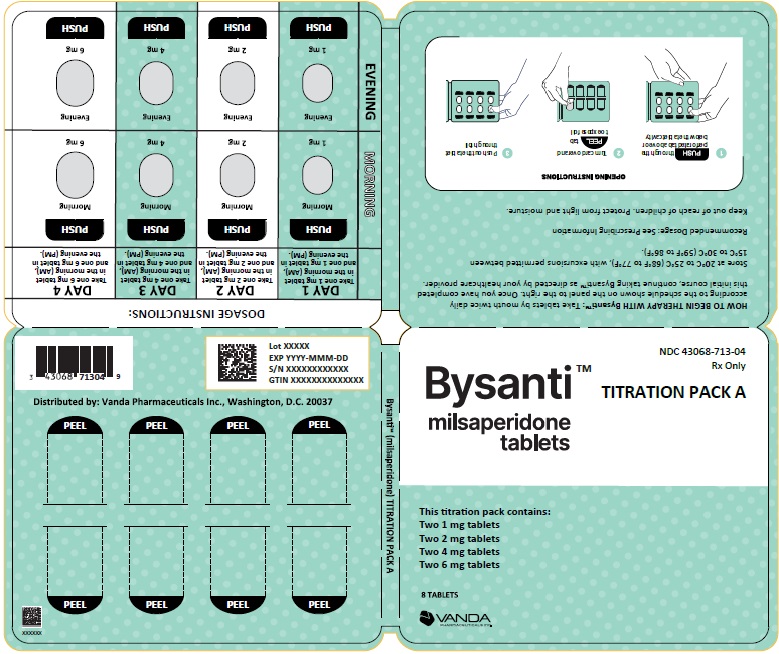
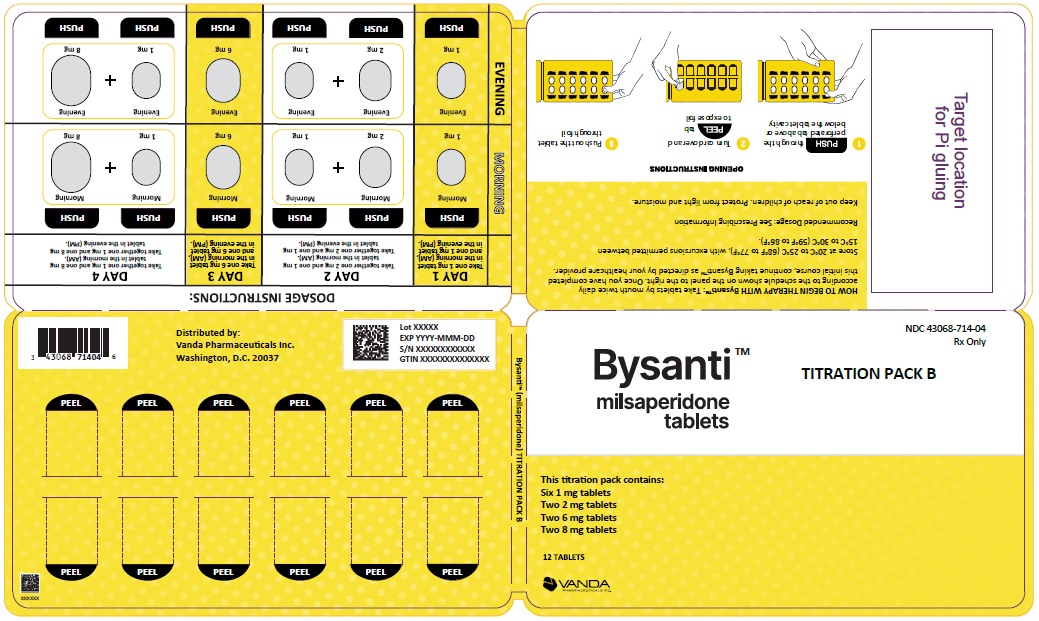
    Schizophrenia 1mg twice daily2 mg twice daily4 mg twice daily6 mg twice daily8 mg twice daily*10 mg twice daily*12 mg twice daily*6 mg to 12 mg
    twice daily
    Manic or Mixed
    Episodes
    Associated with
    Bipolar I
    Disorder
    1 mg twice daily3 mg twice daily6 mg twice daily9 mg twice daily12 mg twice dailyTitration
    complete
    12 mg
    twice daily

2.2 Dosage Recommendations For Use In Patients Who Are Cyp2d6 Poor Metabolizers

Consider CYP2D6 genetic testing to determine the patient’s CYP2D6 metabolizer status prior to BYSANTI dosing. Follow the titration schedule outlined in Table 2 for dosage recommendations in CYP2D6 poor metabolizers for the treatment of schizophrenia and the acute treatment of manic or mixed episodes associated with bipolar I disorder in adults [see Clinical Pharmacology (12.3, 12.5)].

Table 2: BYSANTI Recommended Dosage in Adults, with Schizophrenia or Manic or Mixed Episodes Associated with Bipolar I Disorder, Who are CYP2D6 Poor Metabolizers

* Patients with schizophrenia may either (1) follow the recommended titration schedule, OR (2) starting on Day 3, initiate and continue 3 mg twice daily BYSANTI dosing. As needed, titrate subsequent doses based on tolerability and response within the recommended maintenance dosing range of 3 mg to 6 mg twice daily.

PopulationTitration ScheduleRecommended Maintenance Dosage
Day 1Day 2Day 3Day 4
Schizophrenia 1mg twice
daily
2 mg twice
daily
4 mg twice
daily*
6 mg twice
daily*
3 mg to 6 mg
twice daily
Manic or Mixed
Episodes
Associated with
Bipolar I
Disorder
1 mg twice
daily
3 mg twice
daily
6 mg twice
daily
Titration complete6 mg
twice daily

2.3 Dosage Recommendations In Patients With Hepatic Impairment

The recommended BYSANTI dosage in patients with mild hepatic impairment (HI) is the same as those with normal hepatic function. Consider a lower maintenance dosage in patients with moderate HI. BYSANTI is not recommended in patients with severe HI [see Use in Specific Populations (8.6), Clinical Pharmacology (12.3)].

2.4 Dosage Modifications For Drug Interactions

Concomitant Administration with a Strong CYP2D6 Inhibitor

In patients receiving a:

  • Stable dosage of a strong CYP2D6 inhibitor, when initiating BYSANTI, the recommended BYSANTI titration schedule is the same as that in Table 2.
  • Maintenance BYSANTI dosage, when initiating a strong CYP2D6 inhibitor, reduce the BYSANTI dosage by one-half.
  • When the strong CYP2D6 inhibitor is stopped in BYSANTI-treated patients, titrate to the recommended dosage as described in Table 1 [see Drug Interactions (7.1)].

    Concomitant Administration with a Strong CYP3A4 Inhibitor

    In patients receiving a:

    • Stable dosage of a strong CYP3A4 inhibitor, when initiating BYSANTI, the recommended BYSANTI titration schedule is the same as that in Table 2.
    • Maintenance BYSANTI dosage, when initiating a strong CYP3A4 inhibitor, reduce the BYSANTI dosage by one-half.
    • When the CYP3A4 inhibitor is stopped in BYSANTI-treated patients, titrate to the recommended dosage as described in Table 1 [see Drug Interactions (7.1)].

      Concomitant Administration with a Strong CYP2D6 Inhibitor and a Strong CYP3A4 Inhibitor

      In patients receiving a:

      • Stable dosage of a strong CYP2D6 inhibitor and a strong CYP3A4 inhibitor, when initiating BYSANTI, the recommended BYSANTI titration schedule is the same as that in Table 2.
      • Maintenance BYSANTI dosage, when initiating a strong CYP2D6 inhibitor and a strong CYP3A4 inhibitor, reduce the BYSANTI dosage by one-half.
      • When the strong CYP2D6 inhibitor and CYP3A4 inhibitor are both stopped in BYSANTI-treated patients, titrate to the recommended dosage as described in Table 1. [see Drug Interactions (7.1)].

2.5 Recommendations For Missed Dose(S)

If patients miss more than three days of BYSANTI treatment, restart the titration schedule [see Dosage and Administration (2.1)].

3 Dosage Forms And Strengths

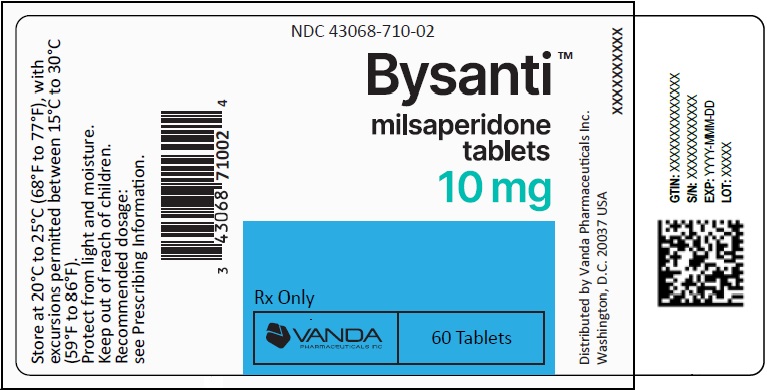
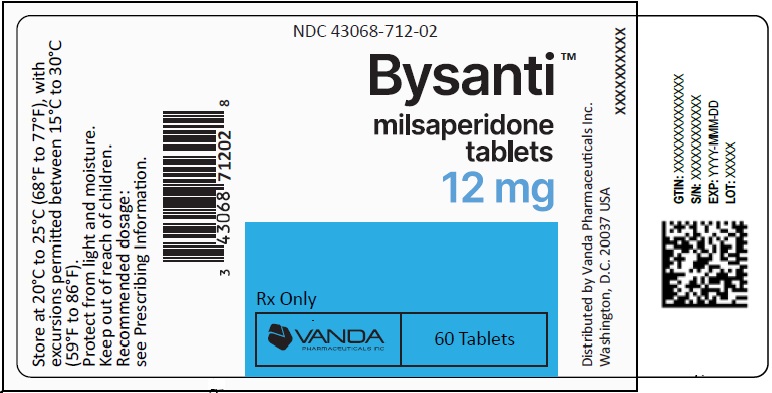
Tablets:


   •   1 mg: yellow, oval shaped, debossed with "1" on one side and “

Logo (Milsaperidone 01)

Logo (Milsaperidone 01)

” logo on other side
   •   2 mg: pink oblong oval shaped, debossed with "2" on one side and “
Logo (Milsaperidone 01)

Logo (Milsaperidone 01)

” logo on other side
   •   4 mg: blue oval shaped, debossed with "4" on one side and “
Logo (Milsaperidone 01)

Logo (Milsaperidone 01)

” logo on other side
   •   6 mg: orange oblong oval shaped, debossed with "6" on one side and “
Logo (Milsaperidone 01)

Logo (Milsaperidone 01)

” logo on other side
   •   8 mg: white, oval shaped, debossed with "8" on one side and “
Logo (Milsaperidone 01)

Logo (Milsaperidone 01)

” logo on other side
   •   10 mg: white, oblong oval shaped, debossed with "10" on one side and “
Logo (Milsaperidone 01)

Logo (Milsaperidone 01)

” logo on other side
   •   12 mg: purple, octagon shaped, debossed with "12" on one side and “
Logo (Milsaperidone 01)

Logo (Milsaperidone 01)

” logo on other side

4 Contraindications

BYSANTI is contraindicated in individuals with a known hypersensitivity reaction to milsaperidone or the inactive ingredients in BYSANTI. Anaphylaxis, angioedema, and other hypersensitivity reactions have been reported [see Adverse Reactions (6.2)].

Elderly patients with dementia-related psychosis treated with antipsychotic drugs are at an increased risk of death. Analyses of 17 placebo-controlled trials (modal duration of 10 weeks) largely in patients taking atypical antipsychotic drugs for dementia-related psychosis, revealed a risk of death in antipsychotic drug-treated patients was 1.6 to 1.7 times the risk of death in placebo-treated patients. Over the course of a typical 10-week controlled trial, the incidence of death in antipsychotic drug-treated patients was about 4.5%, compared to an incidence of about 2.6% in placebo-treated patients. Although the causes of death were varied, most of the deaths appeared to be either cardiovascular (e.g., heart failure, sudden death) or infectious (e.g., pneumonia) in nature.

BYSANTI is not approved for the treatment of patients with dementia-related psychosis [see Indications and Usage (1)].

In placebo-controlled trials in elderly patients with dementia-related psychosis treated with risperidone, aripiprazole, or olanzapine had a higher incidence of stroke and transient ischemic attack, including fatal stroke compared to those treated with placebo.

BYSANTI is not approved for the treatment of patients with dementia-related psychosis [see Indications and Usage (1)].

5.3 Qtc Interval Prolongation

In a QTc study, the use of iloperidone (iloperidone and milsaperidone rapidly interconvert in vivo) was associated with QTc interval prolongation, especially with concomitant use of a CYP2D6 inhibitor or a CYP3A4 inhibitor. No cases of torsade de pointes or other severe cardiac arrhythmias were observed in the iloperidone studies.

Risk Factors for Clinically Significant Risks of QTc Interval Prolongation

Certain circumstances may increase the risk of torsade de pointes and/or sudden death in association with the use of drugs that prolong the QTc interval, including ischemic cardiomyopathy; hypokalemia; genetic predisposition, concomitant use of other drugs that prolong the QTc interval or increases the exposure of the drug; and elevated baseline QTc interval.

Steps to Prevent or Mitigate Clinically Significant Adverse Reactions or Risks Associated with QTc Interval Prolongation

The concomitant use of BYSANTI should be avoided with other drugs that prolong the QTc interval including Class 1A antiarrhythmics (e.g., quinidine, procainamide) or Class III antiarrhythmics (e.g., amiodarone, sotalol), antipsychotic drugs that prolong the QTc interval (e.g., chlorpromazine, thioridazine), antibiotics that prolong the QTc interval (e.g., gatifloxacin, moxifloxacin), or any other class of drugs known to prolong the QTc interval (e.g., pentamidine, levomethadyl acetate, methadone). BYSANTI should also be avoided in other patients with significant risk of developing torsades de pointes including those with congenital long QT syndrome, recent myocardial infarction, ischemic cardiomyopathy, unstable angina, bradyarrhythmias, uncontrolled hypertension, high degree atrioventricular block, severe aortic stenosis, or uncontrolled hypothyroidism.

When BYSANTI is used concomitantly with other drugs (e.g., strong CYP2D6 inhibitors, strong CYP3A4 inhibitors, and taking both a CYP2D6 inhibitor and a CYP3A4 inhibitor) [see Drug Interactions (7.1)] or in patients with decreased activity of CYP2D6 [see Clinical Pharmacology (12.5)] decrease the BYSANTI dosage [see Dosage and Administration (2.x)].

Patients being considered for BYSANTI treatment who are at risk for significant electrolyte disturbances should have baseline serum potassium and magnesium measurements with periodic monitoring because hypokalemia (and/or hypomagnesemia) may increase the risk of QTc interval prolongation and arrhythmia.

BYSANTI should be discontinued in patients who are found to have persistent QTc measurements >500 msec. If patients taking BYSANTI experience symptoms that could indicate the occurrence of arrhythmias, e.g., dizziness, palpitations, or syncope, the health care provider should initiate further evaluation, including cardiac monitoring.

5.4 Neuroleptic Malignant Syndrome

Neuroleptic Malignant Syndrome (NMS), a potentially fatal symptom complex, has been reported in association with administration of antipsychotic drugs, including iloperidone (iloperidone and milsaperidone rapidly interconvert in vivo). Clinical manifestations of NMS include hyperpyrexia, muscle rigidity, altered mental status (including catatonic signs), and evidence of autonomic instability (irregular pulse or blood pressure, tachycardia, diaphoresis, and cardiac dysrhythmia). Additional signs may include elevated creatine phosphokinase, myoglobinuria (rhabdomyolysis), and acute renal failure.

If NMS is suspected, immediately discontinue BYSANTI and provide intensive symptomatic treatment and monitoring.

5.5 Tardive Dyskinesia

Tardive dyskinesia (TD), may develop in patients treated with antipsychotic drugs, including BYSANTI. TD can develop after relatively brief treatment period at low dosages and may also occur after discontinuation of treatment. If antipsychotic drug treatment is discontinued, TD may partially or completely remission. Antipsychotic treatment, however, may suppress or partially suppress the signs and symptoms of TD, possibly masking the underlying process. The effect that symptomatic suppression has upon the long-term course of TD is unknown.

The TD risk in patients treated with antipsychotic drugs appears to be highest among the elderly, especially elderly women, but it is impossible to predict, which patients will develop TD. The risk of developing TD and the likelihood that TD will become irreversible increase with the duration of antipsychotic drug treatment and the cumulative dosage.

In patients who require chronic antipsychotic drug treatment, use the lowest dosage and the shortest duration of treatment producing a satisfactory clinical response. Periodically reassess the need for continued treatment. If signs and symptoms of TD appear in a BYSANTI-treated patient, consider drug discontinuation. However, some patients may require BYSANTI treatment despite the presence of TD.

5.6 Metabolic Changes

Atypical antipsychotic drugs have caused metabolic changes (e.g., hyperglycemia, dyslipidemia, and body weight gain) that may increase cardiovascular/cerebrovascular risk.

Hyperglycemia and Diabetes Mellitus

Hyperglycemia, in some cases extreme and associated with ketoacidosis or hyperosmolar coma or death, has been reported in patients treated with atypical antipsychotics including iloperidone (iloperidone and milsaperidone rapidly interconvert in vivo). Assess fasting plasma glucose before or soon after initiation BYSANTI and monitor periodically during long-term treatment.

Schizophrenia: In a 4-week fixed-dose placebo-controlled study of adults with schizophrenia (Study 2) [see Clinical Studies (14.1)], the mean change from baseline in serum glucose was 6.6 mg/dL and -0.5 mg/dL for iloperidone- and placebo-treated patients, respectively. The proportion of patients with shifts in fasting glucose from normal (<100 mg/dL) to high (≥126 mg/dL) were 10.7% and 2.5% for the iloperidone- and placebo-treated patients, respectively.

In pooled analyses from clinical studies, for adults with schizophrenia who remained on treatment with iloperidone 10-16 mg/day glucose increased, on average, from baseline by 1.8 mg/dL at 3-6 months (N=773), by 5.4 mg/dL at 6-12 months (N=723), and by 5.4 mg/dL at >12 months (N=425) of treatment. In a smaller subpopulation of patients who remained on treatment with iloperidone 20-24 mg/day, glucose decreased by 3.6 mg/dL at 3-6 months (N=34); by 9 mg/dL at 6-12 months (N=31), and by 18 mg/dL at >12 months (N=20) of treatment.

Bipolar Mania: In a 4-week fixed dose study of adults with bipolar mania (Study 4) [see Clinical Studies (14.2)], mean changes from baseline in serum glucose and the proportion of patients with shifts in fasting glucose from Normal (<100 mg/dL) to High (≥126 mg/dL) for iloperidone-treated patients placebo-treated patients were similar.

Dyslipidemia

Undesirable alterations in lipids have been observed in patients treated with atypical antipsychotics. Before or soon after initiation of antipsychotic drugs, obtain a fasting lipid profile at baseline and monitor periodically during treatment.

Schizophrenia: In a 4-week fixed dose study of adults with schizophrenia (Study 2), the mean change from baseline in fasted total cholesterol was 8.2 mg/dL and -2.2 mg/dL for iloperidone- and placebo-treated patients, respectively. The effects on LDL were similar to those on total cholesterol (changes of 9 mg/dL and -1.4 mg/dL for iloperidone- and placebo-treated patients, respectively). Mean changes from baseline in fasted triglycerides were -0.8 mg/dL and 16.5 mg/dL for iloperidone-and placebo-treated patients, respectively.

The proportion of patients with shifts from normal to high fasted total cholesterol, LDL, and triglycerides were similar for iloperidone- and placebo-treated patients. The proportion of patients with shifts in fasted HDL from normal (≥40 mg/dL) to low (<40 mg/dL) was greater for placebo-treated patients (23.8%) compared to iloperidone-treated (12.1%).

In pooled analysis from clinical studies, for adults with schizophrenia who remained on treatment with iloperidone, on average, both cholesterol and triglycerides decreased from baseline for those who remained on treatment at 3-6 months, 6-12 months, and >12-month time points in both 10-16 mg/day and 20-24 mg/day dosing groups.

Bipolar Mania: In a 4-week fixed dose study of adults with bipolar mania (Study 4), the mean changes from baseline for fasted total cholesterol, LDL, HDL, and triglycerides for iloperidone-treated patients were similar to those for placebo-treated patients. The proportion of patients with shifts in fasted total cholesterol from normal (<200 mg/dL) to high (≥240 mg/dL) was greater for iloperidone-treated patients (10.7%) than placebo-treated patients (7.2%). Shifts from normal to high LDL and triglycerides and from normal to low HDL occurred at rates for iloperidone-treated patients similar to those for placebo treated patients.

Weight Gain

Weight gain has been observed with atypical antipsychotic use. Monitor weight at baseline and frequently thereafter.

Schizophrenia: Across all short- and long-term studies of adults with schizophrenia, the overall mean increase in weight in iloperidone-treated patients from baseline at endpoint was 2.1 kg.

In 4 placebo-controlled, 4- or 6-week, fixed- or flexible-dose studies in adults with schizophrenia the mean change in weight was -0.1 kg, 2 kg, and 2.7 kg for the placebo, iloperidone 10-16 mg/day, and iloperidone 20-24 mg/day groups, respectively. The proportion of patients with >7% increase in weight from baseline was 4%, 12%, and 18% for placebo, iloperidone 10-16 mg/day, and iloperidone 20-24 mg/day groups, respectively.

Bipolar Mania: In a 4-week fixed dose study of adults with bipolar mania (Study 4), the mean increase in weight was 1.6 kg and 4.6 kg for the placebo and iloperidone 24 mg/day groups, respectively. The proportion of patients with ≥7% increase in weight from baseline was 14% and 35%, in the placebo and iloperidone 24 mg/day groups, respectively.

5.7 Orthostatic Hypotension And Syncope

BYSANTI can induce orthostatic hypotension associated with dizziness, tachycardia, and syncope. This reflects its alpha1-adrenergic antagonist properties.

  • In double-blind placebo-controlled short-term studies in patients with schizophrenia, where the dosage was increased slowly [see Clinical Studies (14.1)], syncope was reported in 0.4% (5/1,344) of iloperidone-treated patients (iloperidone and milsaperidone rapidly interconvert in vivo), compared with 0.2% (1/587) in placebo-treated patients. Orthostatic hypotension was reported in 5% of patients who received 20 mg to 24 mg/day of iloperidone, 3% of patients who received 10 mg to 16 mg/day of iloperidone, and 1% of patients who received placebo.
  • In a double-blind placebo-controlled short-term study in patients with bipolar mania (Study 4), syncope was reported in 0.5% (1/206) of iloperidone-treated patients with, compared with 0% (0/208) in placebo-treated patients. In Study 4, orthostatic hypotension was reported in 4% (9/206) of iloperidone-treated patients and 2% (5/208) of placebo-treated patients.
  • More rapid titration would be expected to increase the rate of orthostatic hypotension and syncope.

    Orthostatic vital signs should be monitored in patients who are vulnerable to hypotension (e.g., elderly patients, patients with dehydration, hypovolemia, and concomitant treatment with antihypertensive drugs), patients with known cardiovascular disease (history of myocardial infarction, ischemic heart disease, heart failure, or conduction abnormalities), and patients with cerebrovascular disease.

5.8 Falls

Antipsychotics, including BYSANTI, may cause somnolence, postural hypotension, motor and sensory instability, which may lead to falls and, consequently, fractures or other injuries.

If patients have a condition or take concomitant drugs that could exacerbate these effects, complete fall risk assessments when initiating BYSANTI treatment and recurrently for patients on long-term treatment.

5.9 Seizures

Like other antipsychotic drugs, BYSANTI may cause seizures. The risk antipsychotic drug-associated is greatest in patients with a history of seizures or with conditions that lower the seizure threshold. Conditions that lower the seizure threshold may be more prevalent in older patients.

Use BYSANTI cautiously in patients with a history of seizures or with other conditions that lower seizure threshold.

5.10 Leukopenia, Neutropenia And Agranulocytosis

In clinical trial and postmarketing experience, leukopenia and neutropenia have been reported temporally related to antipsychotic drug treatment. Agranulocytosis (including fatal cases) has also been reported with antipsychotic drug use.

Possible risk factors for antipsychotic drug-associated leukopenia or neutropenia include preexisting low white blood cell count (WBC) or absolute neutrophil count (ANC) and history of drug induced leukopenia or neutropenia.

Patients with a pre-existing low WBC or ANC or a history of drug induced leukopenia or neutropenia should have frequently monitoring of their complete blood count (CBC) during the first few months of BYSANTI therapy and should discontinue BYSANTI at the first sign of a decline in WBC in the absence of other causative factors. Monitor patients with clinically significant neutropenia for fever or other symptoms or signs of infection and treat promptly if such symptoms or signs occur. Discontinue BYSANTI in patients with absolute ANC <1000/mm3 and follow their WBC until recovery.

5.11 Hyperprolactinemia

As with other drugs that antagonize dopamine D2 receptors, BYSANTI elevates prolactin levels.

Hyperprolactinemia may suppress hypothalamic GnRH, resulting in reduced pituitary gonadotropin secretion. This, in turn, may inhibit reproductive function by impairing gonadal steroidogenesis in both female and male patients. Galactorrhea, amenorrhea, gynecomastia, and impotence have been reported with drugs associated with hyperprolactinemia. Long-standing hyperprolactinemia when associated with hypogonadism may lead to decreased bone density in both female and male patients.

Published epidemiologic studies have shown inconsistent results regarding the potential association between hyperprolactinemia and breast cancer.

Tissue culture experiments indicate that approximately one-third of human breast cancers are prolactin-dependent in vitro, a factor of potential importance if the use of a dopamine D2 receptor antagonist, including BYSANTI, is contemplated in a patient with previously detected breast cancer. Mammary gland proliferative changes and increases in serum prolactin were seen in mice and rats treated with iloperidone (iloperidone and milsaperidone rapidly interconvert in vivo) [see Nonclinical Toxicology (13)].

  • In a short-term placebo-controlled trial (4-weeks) in patients with schizophrenia (Study 2), the mean change from baseline to endpoint in plasma prolactin levels for the iloperidone 24 mg/day-treated group was an increase of 2.6 ng/mL compared to a decrease of 6.3 ng/mL in the placebo-group.
  • In placebo-controlled trials in adult patients with schizophrenia, elevated plasma prolactin levels (≥1.15xULN) were observed in 26% of iloperidone-treated patients compared to 12% of placebo-treated patients. In the short-term trials, iloperidone was associated with modest levels of prolactin elevation compared to greater prolactin elevations observed with some other antipsychotic drugs.
  • In pooled analysis from clinical studies including longer term trials, in 3,210 adults treated with iloperidone, gynecomastia was reported in 2 iloperidone-treated male patients (0.1%) compared to 0% in placebo-treated patients, and galactorrhea was reported in 8 iloperidone-treated female patients (0.2%) compared to 3 placebo-treated female patients (0.5%).
  • In a 4-week, placebo-controlled trial in patients with bipolar mania (Study 4), the mean change from baseline to endpoint in plasma prolactin levels for the iloperidone group was an increase of 15.7 ng/mL compared to a decrease of 0.6 ng/mL for the placebo group. In this trial, elevated plasma prolactin levels (≥1.15xULN) were observed in 35% of iloperidone-treated patients with compared to 1% of the placebo-treated patients.

5.12 Body Temperature Regulation

Atypical antipsychotics may disrupt the body’s ability to reduce core body temperature. Strenuous exercise, exposure to extreme heat, dehydration, and anticholinergic medications may contribute to an elevation in core body temperature.

Use BYSANTI with caution in patients who may experience these conditions.

5.13 Dysphagia

Esophageal dysmotility and aspiration have been associated with antipsychotic drug use.

Antipsychotic drugs, including BYSANTI, should be used cautiously in patients at risk for aspiration.

5.14 Priapism

In the clinical studies [see Clinical Studies (14)], three cases of priapism were reported in iloperidone-treated patients (iloperidone and milsaperidone rapidly interconvert in vivo) with schizophrenia and 1 case was reported in an iloperidone-treated patient with manic and mixed episodes associated with bipolar I disorder). Drugs with alpha-adrenergic blocking effects, including BYSANTI, have been reported to induce priapism. Severe priapism may require surgical intervention.

5.15 Potential For Cognitive And Motor Impairment

BYSANTI, like other antipsychotics, may cause somnolence and has the potential to impair judgment, thinking or motor skills. In short-term, placebo-controlled trials of schizophrenia in adults, somnolence (including sedation) was reported in 12% (104/874) of patients treated with iloperidone (iloperidone and milsaperidone rapidly interconvert in vivo) at dosage of 10 mg/day or greater versus 5.3% (31/587) of patients treated with placebo. In a short-term, placebo-controlled trial of bipolar mania (Study 4), somnolence (including sedation) was reported in 8% (16/206) of patients treated with iloperidone versus 3% (6/208) of patients treated with placebo.

Patients should be cautioned about driving a motor vehicle or operating hazardous machinery, until they are reasonably certain that therapy with BYSANTI does not adversely affect them.

5.16 Intraoperative Floppy Iris Syndrome

Intraoperative floppy iris syndrome has been observed during cataract surgery in some patients on or previously treated with alpha-1 adrenergic blockers. This variant of small pupil syndrome is characterized by the combination of a flaccid iris that billows in response to intraoperative irrigation currents, progressive intraoperative miosis despite preoperative dilation with standard mydriatic drugs, and potential prolapse of the iris toward the phacoemulsification incisions.

The initiation of therapy with BYSANTI in patients for whom cataract or glaucoma surgery is scheduled is not recommended. In patients taking or previously treated with alpha-1 adrenergic blockers, including BYSANTI, surgeons should be prepared for possible modifications to their surgical cataract technique, such as the utilization of iris hooks, iris dilator rings, or viscoelastic substances. There does not appear to be a benefit of stopping alpha1 blocker therapy prior to cataract surgery.

6 Adverse Reactions

The following adverse reactions are discussed in more detail in other sections of the labeling:

6.1 Clinical Studies Experience

Because clinical trials are conducted under widely varying conditions, adverse reaction rates observed in the clinical trial of a drug cannot be directly compared to rates in the clinical trials of another drug and may not reflect the rates observed in clinical practice.

The safety of BYSANTI has been established from adequate and well-controlled studies of iloperidone tablets (referred to hereafter as “iloperidone” (iloperidone and milsaperidone rapidly interconvert in vivo)) in adults with schizophrenia or with mixed or manic episodes associated with bipolar I disorder [see Clinical Studies (14.1, 14.2)]. Below is a display of the adverse reactions of iloperidone in these adequate and well-controlled studies.

The information below is derived from a clinical trial database for iloperidone that consisted of:

  • 3,229 adult patients exposed to iloperidone at a dosage of 10 mg/day or greater, for the treatment of schizophrenia which included 874 patients with schizophrenia in Studies 1, 2, and 3 [see Clinical Studies (14.1)] and another schizophrenia study and
  • 312 adult patients exposed to iloperidone at a dosages of 24 mg/day, for the acute treatment of manic or mixed episodes associated with bipolar I disorder (Study 4) [see Clinical Studies (14.2)].
  • Of these, 999 patients received iloperidone for at least 6 months, with 657 patients exposed to iloperidone for at least 12 months for the treatment of schizophrenia; and 69 patients received iloperidone for at least 6 months (with 28 patients received iloperidone for at least 12 months) for the treatment of bipolar mania. The conditions and duration of treatment with iloperidone varied and included (in overlapping categories), open-label and double-blind phases of studies, inpatients and outpatients, fixed-dose and flexible-dose studies, and studies with short-term or longer-term exposure.

    Common Adverse Reactions in Adult Patients with Schizophrenia

    The information presented below was derived from pooled data from 4 placebo-controlled, 4- or 6-week, fixed- or flexible-dose studies in adult patients with schizophrenia who received iloperidone at daily dosages within a range of 10 to 24 mg (n=874) (Studies 1, 2, and 3, and another study in schizophrenia) [see Clinical Studies (14.1)].

    Table 3 displays adverse reactions that occurred in 2% or more of patients treated with iloperidone in any of the dosing groups, and for which the incidence in iloperidone-treated patients in any dosing group was greater than the incidence in placebo-treated patients in these studies.

    Adverse reactions that occurred in ≥ 5% in the iloperidone-treated patients and at least twice that in placebo-treated patients included dizziness, dry mouth, fatigue, nasal congestion, somnolence, tachycardia, orthostatic hypotension, and weight increased.

    Table 3: Percentage of Adverse Reactions in Short-Term, Fixed- or Flexible-Dose, Placebo-Controlled Schizophrenia Trials in Adult Patients*

    * Includes adverse reactions that were reported in 2% or more of patients in any of the iloperidone dosing group and at greater incidence than in the placebo group. Figures rounded to the nearest integer.

    a Somnolence includes somnolence and sedation

    b Tachycardia includes tachycardia and heart rate increased

    Placebo
    (N=587)
    Iloperidone
    10-16 mg/day
    (N=483)
    Iloperidone
    20-24 mg/day
    (N=391)
    Dizziness7%10%20%
    Somnolencea5%9%15%
    Tachycardiab1%3%12%
    Dry Mouth1%8%10%
    Nausea8%7%10%
    Weight Increased1%1%9%
    Nasal Congestion2%5%8%
    Diarrhea4%5%7%
    Fatigue3%4%6%
    Orthostatic Hypotension1%3%5%
    Extrapyramidal Disorder4%5%4%
    Nasopharyngitis3%4%3%
    Arthralgia2%3%3%
    Tremor2%3%3%
    Upper Respiratory Tract
    Infection
    1%2%3%
    Abdominal Discomfort1%1%3%
    Hypotension<1%<1%3%
    Musculoskeletal Stiffness1%1%3%
    Ejaculation Failure<1%2%2%
    Dyspnea<1%2%2%
    Rash2%3%2%
    Lethargy1%3%1%
    Vision Blurred2%3%1%

    Common Adverse Reactions in Adult Patients with Bipolar Mania

    Table 4 displays the adverse reactions that occurred at an incidence of ≥2% in iloperidone-treated patients and greater than in placebo-treated patients in a placebo-controlled, 4-week bipolar mania trial (Study 4) [see Clinical Studies (14.2)].

    In Study 4, the following adverse reactions occurred in ≥5% in the iloperidone- treated patients and at least twice placebo-treated patients: tachycardia, dizziness, dry mouth, hepatic enzymes increased, nasal congestion, weight increased, hypotension, and somnolence.

    Table 4: Adverse Reactions that Occurred in Adult Patients in a Short-Term, Fixed-Dose, Placebo-Controlled Bipolar Mania Trial (Study 4)*

    *Adverse reactions occurring at an incidence of ≥2% in iloperidone-treated patients and greater than in placebo-treated patients. Figures rounded to the nearest integer.

    **Patients with poor CYP2D6 metabolizer status received 12 mg/day.

    aTachycardia includes postural orthostatic tachycardia syndrome and other similar terms

    bDizziness includes postural dizziness

    cHepatic enzyme increased includes: predominantly alanine aminotransferase increased, aspartate aminotransferase increased, and transaminase increased

    dSomnolence includes other similar terms

    eHypotension includes: orthostatic hypotension

    fWeight increased includes other similar terms

    gHeadache includes tension headache

    hNausea includes vomiting

    iSexual Dysfunction includes: ejaculation failure, erectile dysfunction, retrograde ejaculation, and ejaculation delayed

    jFatigue includes similar terms

    kUrinary urgency and polyuria includes: hypertonic bladder, micturition urgency, and urinary incontinence

    Placebo
    (N=208)
    Iloperidone
    24 mg/day**
    (N=206)
       Tachycardiaa5%23%
       Dizzinessb1%12%
       Dry mouth2%9%
       Hepatic enzyme increasedc1%8%
       Somnolenced3%8%
       Hypotensione3%6%
       Nasal congestion1%6%
       Weight increasedf1%6%
       Headacheg4%5%
       Nauseah3%4%
       Sexual Dysfunctioni<1%4%
       Akathisia0%4%
       Fatiguej1%3%
       Urinary urgency and Polyuriak0%3%

    Dose-Related Adverse Reactions in the Schizophrenia Studies

    Based on the pooled data from 4 placebo-controlled, 4- or 6-week, fixed- or flexible-dose studies in patients with schizophrenia, adverse reactions that occurred with a greater than 2% incidence in iloperidone-treated patients, and for which the incidence in patients treated with iloperidone 20-24 mg/day were twice than the incidence in patients treated with iloperidone 10-16 mg/day were abdominal discomfort, dizziness, hypotension, musculoskeletal stiffness, tachycardia, and weight increased. Dizziness, tachycardia, and increased weight were at least twice as common on in patients treated with 20-24 mg/day as those treated with 10-16 mg/day.

    Extrapyramidal Symptoms in the Schizophrenia and Bipolar Mania Studies

    Table 5 displays treatment emergent extrapyramidal symptoms (EPS)-related events in the 4 placebo-controlled, 4- or 6-week, fixed- or flexible-dose studies in patients with schizophrenia.

    Table 5: Percentage of Treatment Emergent EPS-Related Events in 4- or 6-week Schizophrenia Trials

    PlaceboIloperidoneIloperidone
    10-16 mg/day20-24 mg/day
         Preferred Term(N=587)(N=483)(N=391)
         All EPS events11.6%13.5%15.1%
    Tremor1.9%2.5%3.1%
    Akathisia2.7%1.7%2.3%
    Dyskinesia1.5%1.7%1%
    Dystonia0.7%1%0.8%
    Bradykinesia0%0.6%0.5%
    Parkinsonism0%0.2%0.3%

    Table 6 shows the percentage of treatment emergent EPS-related events in a 4-week bipolar mania trial.

    Table 6: Percentage of Treatment Emergent EPS-Related Events in a 4-week Bipolar Mania Trial

    *Patients with poor CYP2D6 metabolizer status received 12 mg/day.

         Preferred TermPlaceboIloperidone 24 mg/day*
    N=208N=206
         All EPS events0%8.3%
    Akathisia0%4.4%
    Extrapyramidal Disorder0%1%
    Blepharospasm0%0.5%
    Dystonia0%0.5%
    Muscle Spasm0%0.5%
    Restlessness0%0.5%
    Torticollis0%0.5%
    Tremor0%0.5%

    Discontinuation of Treatment Due to Adverse Reactions in the Schizophrenia and Bipolar Mania Studies

    Based on the pooled data from 4 placebo-controlled, 4- or 6-week, fixed- or flexible-dose studies in patients with schizophrenia (Studies 1, 2, 3, and another study), there was no difference in the incidence of discontinuation due to adverse reactions between iloperidone-treated patients (5%) and placebo-treated patients (5%). The types of adverse reactions that led to discontinuation were similar for the iloperidone- and placebo-treated patients.

    In a 4-week, placebo-controlled study in patients with bipolar mania (Study 4), the incidence of discontinuation due to adverse reactions was higher in iloperidone-treated patients (8.7%) than placebo-treated patients (5.3%). Adverse reactions that led to discontinuation in more than one iloperidone-treated patient were liver enzyme elevations, nausea and vomiting, dizziness and hypotension.

    Adverse Reactions by Demographic Groups in the Schizophrenia Studies

    An examination of population subgroups in the 4 placebo-controlled, 4- or 6-week, fixed- or flexible-dose studies of patients with schizophrenia (Studies 1, 2, 3, and another study) did not reveal any evidence of differences in safety of iloperidone on the basis of age, sex or race.

    Laboratory Test Abnormalities in the Schizophrenia and Bipolar Mania Studies

    There were no differences between the iloperidone and placebo groups in the incidence of discontinuation due to changes in hematology laboratory tests, or urinalysis.

    Elevated Serum Transaminases: In a short-term placebo-controlled trial in patients with bipolar mania (Study 4), asymptomatic alanine aminotransferase (ALT) elevations ≥3x ULN occurred in 9.2% of iloperidone-treated patients compared to 1.5% of placebo-treated patients. AST elevations were less common.

    Decreased Hematocrit: In short-term placebo-controlled trials (4- to 6-weeks) in patients with schizophrenia, 1% (13/1,342) of iloperidone-treated patients had a hematocrit at least one time below the extended normal range during post-randomization treatment, compared to 0.3% (2/585) of placebo-treated patients. The extended normal range for lowered hematocrit was defined in each of these trials as the value 15% below the normal range for the centralized laboratory that was used in the trial.

    In a short-term placebo-controlled trial (4 weeks) in patients with bipolar mania (Study 4), 3.5% (7/200) of iloperidone-treated patients had a hematocrit at least one time below the extended normal range (<0.85xLLN) during post-randomization treatment, compared to 0.5% (1/196) of placebo-treated patients.

    Analysis of clinical laboratory data following iloperidone administration suggested that decreases in hematocrit, hemoglobin, white blood cells, total protein, and albumin were due to hemodilution. Decreases in hematocrit and total protein have been observed with other alpha receptor antagonists and are attributed to hemodilution [see Clinical Pharmacology (12.2)].

    Elevated Serum Urate Levels: In a 4-week placebo-controlled trial in patients with schizophrenia (Study 2), treatment with iloperidone 12 mg twice a day resulted in an increase of serum urate levels of approximately 28 µmol/L (0.471 mg/dL) compared to an increase of 4.2 µmol/L (0.07 mg/dL) with treatment with placebo.

    In a 4-week placebo-controlled trial in patients with bipolar mania (Study 4), treatment with iloperidone 12 mg twice a day resulted in an increase of serum urate levels of approximately 27.2 µmol/L (0.457 mg/dL) compared to an increase of 0.1 µmol/L (0.002 mg/dL) to treatment with placebo.

    Other Reactions During the Pre-marketing Evaluation of Iloperidone in the Schizophrenia Studies

    The following is a list additional adverse reactions (not listed above) in patients with schizophrenia treated with iloperidone (n=3,210) at multiple doses ≥ 4 mg/day.

    Reactions are listed in order of decreasing frequency according to the following definitions: frequent adverse events were those that occurred in at least 1/100 patients (only those not listed in Table 3 appear in this listing); infrequent adverse reactions were those that occurred in 1/100 to 1/1,000 patients; and rare events were those that occurred in fewer than 1/1,000 patients.

    • Blood and Lymphatic Disorders: Infrequent – anemia, iron deficiency anemia; Rare – leukopenia
    • Cardiac Disorders: Frequent – palpitations; Rare – arrhythmia, atrioventricular block first degree, cardiac failure (including congestive and acute)
    • Ear and Labyrinth Disorders: Infrequent – vertigo, tinnitus
    • Endocrine Disorders: Infrequent – hypothyroidism
    • Eye Disorders: Frequent– conjunctivitis (including allergic); Infrequent – dry eye, blepharitis, eyelid edema, eye swelling, lenticular opacities, cataract, hyperemia (including conjunctival)
    • Gastrointestinal Disorders: Infrequent – gastritis, salivary hypersecretion, fecal incontinence, mouth ulceration; Rare – aphthous stomatitis, duodenal ulcer, hiatus hernia, hyperchlorhydria, lip ulceration, reflux esophagitis, stomatitis
    • General Disorders and Administrative Site Conditions: Infrequent – edema (general, pitting, due to cardiac disease), difficulty in walking, thirst; Rare – hyperthermia
    • Hepatobiliary Disorders: Infrequent – cholelithiasis
    • Investigations: Frequent: weight decreased; Infrequent – hemoglobin decreased, neutrophil count increased, hematocrit decreased
    • Metabolism and Nutrition Disorders: Infrequent – increased appetite, dehydration, hypokalemia, fluid retention
    • Musculoskeletal and Connective Tissue Disorders: Frequent – myalgia, muscle spasms; Rare – torticollis
    • Nervous System Disorders: Infrequent – paresthesia, psychomotor hyperactivity, restlessness, amnesia, nystagmus; Rare – restless legs syndrome
    • Psychiatric Disorders: Frequent – restlessness, aggression, delusion; Infrequent – hostility, libido decreased, paranoia, anorgasmia, confusional state, mania, catatonia, mood swings, panic attack, obsessive-compulsive disorder, bulimia nervosa, delirium, polydipsia psychogenic, impulse-control disorder, major depression
    • Renal and Urinary Disorders: Frequent – urinary incontinence; Infrequent – dysuria, pollakiuria, enuresis, nephrolithiasis; Rare – urinary retention, renal failure acute
    • Reproductive System and Breast Disorders: Frequent – erectile dysfunction; Infrequent – testicular pain, amenorrhea, breast pain; Rare – menstruation irregular, gynecomastia, menorrhagia, metrorrhagia, postmenopausal hemorrhage, prostatitis
    • Respiratory, Thoracic and Mediastinal Disorders: Infrequent – epistaxis, asthma, rhinorrhea, sinus congestion, nasal dryness; Rare – dry throat, sleep apnea syndrome, dyspnea exertional

6.2 Postmarketing Experience

The following adverse reactions have been identified during post-approval use of iloperidone (iloperidone and milsaperidone rapidly interconvert in vivo). Because these reactions are reported voluntarily from a population of uncertain size, it is not always possible to estimate their frequency or establish a causal relationship to drug exposure: retrograde ejaculation and hypersensitivity reactions (including anaphylaxis; angioedema; throat tightness; oropharyngeal swelling; swelling of the face, lips, mouth, and tongue; urticaria; rash; and pruritus).

7.1 Effects Of Other Drugs On Bysanti

Table 7 presents clinically significant drug interactions where concomitant use of another drug affects BYSANTI.

Table 7: Clinically Significant Drug Interactions: Concomitant Use of Other Drugs Affect the Use of BYSANTI

Strong CYP2D6 Inhibitors
Prevention or Management
  • Reduce the dosage of BYSANTI when administered with a strong CYP2D6 inhibitor [see Dosage and Administration (2.4)].
  • When the strong CYP2D6 inhibitor is stopped in BYSANTI-treated patients, gradually increase the BYSANTI dosage to the pre-inhibitor dosage.
Mechanism and Clinical Effect(s)Milsaperidone and iloperidone are CYP2D6 substrates (iloperidone and milsaperidone rapidly interconvert in vivo). Strong CYP2D6 inhibitors increased exposure of milsaperidone and iloperidone [see Clinical Pharmacology (12.3, 12.5)], which may increase the risk of BYSANTI-associated adverse reactions.
Strong CYP3A4 Inhibitors
Prevention or Management
  • Reduce the dosage of BYSANTI when administered with a strong CYP3A4 inhibitor [see Dosage and Administration (2.4)].
  • When the strong CYP3A4 inhibitor is stopped in BYSANTI-treated patients, gradually increase the BYSANTI dosage to the pre-inhibitor dosage.
Mechanism and Clinical Effect(s)Milsaperidone and iloperidone are CYP3A4 substrates. Strong CYP3A4 inhibitors increased the exposure of milsaperidone, iloperidone and P95 [see Clinical Pharmacology (12.3)], which may increase the risk of BYSANTI-associated adverse reactions.
Strong CYP2D6 and Strong CYP3A4 Inhibitors
Prevention or ManagementReduce the dosage of BYSANTI if administered concomitantly with both a strong CYP2D6 inhibitor and a strong CYP3A4 inhibitor.
Mechanism and Clinical Effect(s)Concomitant administration with a strong CYP2D6 inhibitor and a strong CYP3A4 inhibitor resulted in an increase in steady-state exposure of milsaperidone and iloperidone [see Clinical Pharmacology (12.3)], which may increase the risk of BYSANTI-associated adverse reactions.

7.2 Drugs That Prolong The Qtc Interval

Avoid concomitant use of BYSANTI with other drugs that prolong the QTc interval [see Warnings and Precautions (5.3)].

Iloperidone causes QTc interval prolongation [see Clinical Pharmacology (12.2)]. Concomitant use of BYSANTI with other drugs that prolong the QTc interval may result in a greater increase in the QTc interval and adverse reactions associated with QTc interval prolongation, including arrhythmias.

7.3 Drugs That Lower Blood Pressure

Concomitant use of BYSANTI with drugs that lower blood pressure could potentially cause symptomatic hypotension. Avoid concomitant administration of BYSANTI with alpha-adrenergic blocking agents and consider lowering the dosage of other drugs that lower blood pressure [see Warnings and Precautions (5.7)].

8.1 Pregnancy

Pregnancy Exposure Registry

There is a pregnancy exposure registry that monitors pregnancy outcomes in women exposed to BYSANTI during pregnancy. For more information contact the National Pregnancy Registry for Atypical Antipsychotics at 1-866-961-2388 or visit http://womensmentalhealth.org/clinical-and-research-programs/pregnancyregistry/.

Risk Summary

Neonates exposed to antipsychotic drugs, including BYSANTI, during the third trimester of pregnancy are at risk for extrapyramidal and/or withdrawal symptoms following delivery (see Clinical Considerations). There are no available data with BYSANTI use during pregnancy and available data from pharmacovigilance reports with iloperidone (iloperidone and milsaperidone rapidly interconvert in vivo) use during pregnancy are insufficient to inform a drug-associated risk for major birth defects and miscarriage. There are risks to the mother associated with untreated schizophrenia or bipolar I disorder (see Clinical Considerations).

When iloperidone) was administered orally to pregnant rats during organogenesis at doses up to 26 times the maximum recommended human dose (MRHD) of 24 mg/day on mg/m2 basis it prolonged the duration of pregnancy and parturition, increased still births, early intrauterine deaths, increased incidence of developmental delays, and decreased post-partum pup survival. When iloperidone was administered orally to pregnant rabbits during organogenesis at doses up to 20-times the MRHD on mg/m2 basis it increased early intrauterine deaths and decreased fetal viability at term at the highest dose which was also a maternally toxic dose (see Data). The safety margins for milsaperidone are expected to be the same as those seen with iloperidone because exposures to iloperidone, milsaperidone, and their major metabolites are similar when either iloperidone tablets or BYSANTI (milsaperidone) tablets are administered in humans.

The background risk of major birth defects and miscarriage in patients with schizophrenia or bipolar disorder is unknown. In the U.S. general population, the estimated background risk of major birth defects and miscarriage in clinically recognized pregnancies is 2 to 4% and 15 to 20%, respectively.

Clinical Considerations

Disease-Associated Maternal and/or Embryo/Fetal Risk: There is a risk to the mother from untreated schizophrenia or bipolar I disorder, including increased risk of relapse, hospitalization, and suicide. Schizophrenia and bipolar I disorder are associated with increased adverse perinatal outcomes, including preterm birth. It is not known if this is a direct result of the illness or other comorbid factors.

Fetal/Neonatal Adverse Reactions: Extrapyramidal and/or withdrawal symptoms, including agitation, hypertonia, hypotonia, tremor, somnolence, respiratory distress and feeding disorder have been reported in neonates whose mothers were exposed to antipsychotic drugs during the third trimester of pregnancy. These symptoms have varied in severity. Some neonates recovered within hours or days without specific treatment; others required prolonged hospitalization. Monitor neonates for extrapyramidal and/or withdrawal symptoms and manage symptoms appropriately.

Data

Animal Data: In an embryo-fetal development study, pregnant rats were given 4, 16, or 64 mg/kg/day (1.6, 6.5, and 26 times the maximum recommended human dose (MRHD) of 24 mg/day on a mg/m2 basis) of iloperidone orally during the period of organogenesis. The highest dose caused increased early intrauterine deaths, decreased fetal weight and length, decreased fetal skeletal ossification, and an increased incidence of minor fetal skeletal anomalies and variations; this dose also caused decreased maternal food consumption and weight gain.

In an embryo-fetal development study, pregnant rabbits were given 4, 10, or 25 mg/kg/day (3, 8, and 20 times the MRHD on a mg/m2 basis) of iloperidone during the period of organogenesis. The highest dose caused increased early intrauterine deaths and decreased fetal viability at term; this dose also caused maternal toxicity.

In additional studies in which rats were given iloperidone at doses similar to the above beginning from either pre-conception or from day 17 of gestation and continuing through weaning, adverse reproductive effects included prolonged pregnancy and parturition, increased stillbirth rates, increased incidence of fetal visceral variations, decreased fetal and pup weights, and decreased post-partum pup survival. There were no drug effects on the neurobehavioral or reproductive development of the surviving pups. No-effect doses ranged from 4 to 12 mg/kg except for the increase in stillbirth rates which occurred at the lowest dose tested of 4 mg/kg, which is 1.6 times the MRHD on a mg/m2 basis. Maternal toxicity was seen at the higher doses in these studies.

The iloperidone metabolite P95, which is a major circulating metabolite of iloperidone in humans but is not present in significant amounts in rats, was given to pregnant rats during the period of organogenesis at oral doses of 20, 80, or 200 mg/kg/day. No teratogenic effects were seen. Delayed skeletal ossification occurred at all doses. No significant maternal toxicity was produced. Plasma levels of P95 (AUC) at the highest dose tested were 2 times those in humans receiving the MRHD of iloperidone.

8.2 Lactation

Risk Summary

There are no data on the presence of milsaperidone or its major metabolite, P95, in either human or animal milk, the effects on the breastfed infant, or the effects on milk production. Iloperidone (iloperidone and milsaperidone rapidly interconvert in vivo) is present in rat milk following iloperidone administration (see Data). When a drug is present in animal milk, it is likely to be present in human milk. Because of the potential for serious adverse reactions in the breastfed infant, advise patients not to breastfeed during BYSANTI treatment and for 6 days after the last dose in CYP2D6 normal metabolizers and 8 days after the last dose in CYP2D6 poor metabolizers.

Data

The transfer of radioactivity into the milk of lactating rats was investigated following a single dose of [14C] iloperidone at 5 mg/kg. The concentration of radioactivity in milk at 4 hours post-dose was near 10-fold greater than that in plasma at the same time. However, by 24 hours after dosing, concentrations of radioactivity in milk had fallen to values slightly lower than plasma. The metabolic profile in milk was qualitatively similar to that in plasma.

8.4 Pediatric Use

Safety and effectiveness of BYSANTI have not been established in pediatric patients.

8.5 Geriatric Use

Clinical studies of iloperidone (iloperidone and milsaperidone rapidly interconvert in vivo) in the treatment of schizophrenia did not include sufficient numbers of patients aged 65 years and over to determine whether or not they respond differently than younger adult patients. Of the 3,210 patients with schizophrenia treated with iloperidone in clinical trials, 25 (0.5%) were ≥65 years old and there were no patients ≥75 years old. Of the 206 patients with bipolar mania treated with iloperidone in a clinical trial (Study 4), 2 (0.1%) were 65 years old and there were no patients were >75 years old.

Elderly patients with dementia-related psychosis treated with BYSANTI are at an increased risk of death compared to placebo. BYSANTI is not approved for the treatment of patients with dementia-related psychosis [see Boxed Warning and Warnings and Precautions (5.1, 5.2)].

Elderly patients with dementia-related psychosis treated with antipsychotics have an increased risk of cerebrovascular adverse reactions (e.g., stroke, transient ischemic attack) including fatalities, compared to those treated with placebo [see Warnings and Precautions (5.2)].

Antipsychotic drugs increase the risk of tardive dyskinesia, and this risk appears to be highest among the elderly, particularly elderly women [see Warnings and Precautions (5.5)].

8.6 Hepatic Impairment

The recommended BYSANTI dosage in patients with mild hepatic impairment (HI) (Child-Pugh class A) is the same as those with normal hepatic function. Consider a lower dosage in patients with moderate HI (Child-Pugh class B). BYSANTI is not recommended in patients with severe HI (Child-Pugh class C) [see Dosage and Administration (2.3) , Clinical Pharmacology (12.3)].

Milsaperidone exposure was increased in patients with moderate HI [see Clinical Pharmacology (12.3)], which may increase the risk of BYSANTI-associated adverse reactions.

8.7 Use In Genomic Subgroups

The recommended BYSANTI dosage in CYP2D6 poor metabolizers is lower than the recommended dosage in the overall population [see Dosage and Administration (2.2)]. The plasma concentrations of milsaperidone are elevated in CYP2D6 poor metabolizers which may increase the risk of BYSANTI adverse reactions [see Warnings and Precautions (5.3) and (5.7)].

The prevalence of CYP2D6 poor metabolizers is approximately 7% in White population, 2% in Asian population, and 2% in Black or African American population.

10.1 Human Overdose Experience

In pre-marketing trials involving over 3,522 patients, accidental or intentional overdose of iloperidone (iloperidone and milsaperidone rapidly interconvert in vivo) was documented in 8 patients ranging from 48 mg to 576 mg taken at once and 292 mg taken over a 3-day period. No fatalities were reported from these cases. The largest confirmed single ingestion of iloperidone was 576 mg; no adverse physical effects were noted for this patient. The next largest confirmed ingestion of iloperidone was 438 mg over a 4-day period; extrapyramidal symptoms and a QTc interval of 507 msec were reported for this patient with no cardiac sequelae. This patient resumed iloperidone treatment for an additional 11 months.

The possibility of obtundation, seizures or dystonic reaction of the head and neck following BYSANTI overdose may create a risk of aspiration with induced emesis. In general, reported signs and symptoms of overdose were those resulting from an exaggeration of the known pharmacological effects (e.g., drowsiness and sedation, tachycardia, and hypotension) of iloperidone.

10.2 Management Of Overdose

There is no specific antidote for BYSANTI. In case of acute overdose, the healthcare provider should establish and maintain an airway and ensure adequate oxygenation and ventilation. Cardiovascular monitoring should commence immediately and should include continuous ECG monitoring to detect possible arrhythmias. If antiarrhythmic therapy is administered, disopyramide, procainamide and quinidine should not be used, as they have the potential for QTc interval-prolonging effects that might be additive to those of BYSANTI. Alpha-blocking properties of bretylium might be additive to those of BYSANTI, resulting in problematic hypotension. Hypotension and circulatory collapse should be treated with appropriate measures such as intravenous fluids or sympathomimetic agents (epinephrine and dopamine should not be used, since beta stimulation may worsen hypotension in the setting of BYSANTI-induced alpha blockade). In cases of severe extrapyramidal symptoms, anticholinergic medication should be administered. Close medical supervision should continue until the patient recovers.

Consider contacting the Poison Help Line (1-800-222-1222) or a medical toxicologist for additional overdose management recommendations.

11 Description

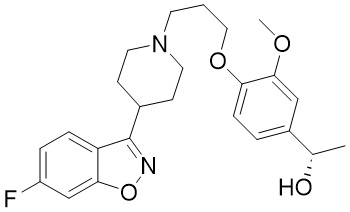
The active ingredient in BYSANTI is milsaperidone, an atypical antipsychotic that is in the piperidinyl-benzisoxazole derivative chemical class. Its chemical name is benzenemethanol, 4-[3-[4-(6-fluoro-1,2-benzisoxazol-3-yl)-1-piperidinyl]propoxy]-3-methoxy-α- methyl-, (αS)-. Its molecular formula is C24H29FN2O4 and its molecular weight is 428.50. Milsaperidone is a white to off-white finely crystalline powder. The structural formula of milsaperidone is:

Chemical Structure (Milsaperidone 02)

Chemical Structure (Milsaperidone 02)

Milsaperidone is a white to off-white finely crystalline powder.

BYSANTI (milsaperidone) tablets are for oral administration only. Coated tablets contain 1 mg, 2 mg, 4 mg, 6 mg, 8 mg, 10 mg, or 12 mg of milsaperidone. Inactive ingredients are the following: colloidal silicon dioxide, crospovidone, hydroxypropylmethylcellulose, lactose monohydrate, magnesium stearate, microcrystalline cellulose, and water (removed during processing).

12.1 Mechanism Of Action

The mechanism of action of milsaperidone in the treatment of schizophrenia in adults and the acute treatment of manic or mixed episodes associated with bipolar I disorder in adults is unknown. However, the efficacy of milsaperidone in these conditions could be mediated through a combination of dopamine type 2 (D2) and serotonin type 2 (5-HT2) antagonism. Milsaperidone and iloperidone rapidly interconvert in vivo. Milsaperidone has an in vitro receptor binding profile similar to iloperidone.

12.2 Pharmacodynamics

Milsaperidone acts as an antagonist with moderate to strong affinity at the norepinephrine NEα1, NEα2B, NEα2C receptors (Ki values of 8.3, 60, and 16 nM, respectively), the dopamine D1,D2, D3, D4 (Ki values of 96, 16, 68, and 35 nM, respectively), the histamine H1 (Ki value of 26 nM), and the serotonin 5-HT1B, 5-HT2A, and 5-HT2C sites (Ki values of 51, 0.28, and 66 nM, respectively). Milsaperidone has relatively weak affinity at the norepinephrine NEα2A, serotonin 5-HT1A, and 5-HT6 sites (Ki values of 363, 427, and 776 nM, respectively).

Iloperidone acts as an antagonist with high (nM) affinity binding to serotonin 5-HT2A, dopamine D2 and D3 receptors, and norepinephrine NEα1 receptors (Ki values of 5.6, 6.3, 7.1, and 0.36 nM, respectively). Iloperidone has moderate affinity for dopamine D4, and serotonin 5-HT6 and 5-HT7 receptors (Ki values of 25, 43, and 22 nM respectively), and low affinity for the serotonin 5-HT1A, dopamine D1, and histamine H1 receptors (Ki values of 168, 216, and 437 nM, respectively). Iloperidone has no appreciable affinity (Ki>1000 nM) for cholinergic muscarinic receptors. The metabolite P95 only shows affinity for 5-HT2A (Ki value of 3.91) and the NEα1A, NEα1B, NEα1D, and NEα2C receptors (Ki values of 4.7, 2.7, 8.8, and 4.7 nM, respectively).

Cardiac Electrophysiology

In an open-label QTc study in patients with schizophrenia or another psychiatric disorder (n=160), administration of iloperidone (12 mg twice daily) was associated with QTc prolongation of 9 msec. The effect of iloperidone on the QT interval was augmented by the presence of CYP2D6 inhibition (paroxetine 20 mg once daily) or CYP2D6 and CYP3A4 inhibition (paroxetine 20 mg once daily + ketoconazole 200 mg twice daily). Under conditions of metabolic inhibition for both CYP2D6 and CYP3A4, iloperidone 12 mg twice daily was associated with a mean QTcF increase from baseline of about 19 msec [see Warnings and Precautions (5.3)].

12.3 Pharmacokinetics

Following oral administration of iloperidone (iloperidone and milsaperidone rapidly interconvert in vivo), the plasma exposure of milsaperidone increased approximately proportionally over the therapeutic dosage range and plasma exposure of iloperidone increased slightly more than dose proportional. Steady-state concentrations of milsaperidone are attained within 3 to 4 days of dosing. Accumulation of iloperidone is at least 2-fold with twice daily dosing regimen after administration of oral iloperidone tablets.

After administration of oral iloperidone tablets (iloperidone and milsaperidone rapidly interconvert in vivo) in CYP2D6 normal metabolizers, the major metabolite P95, milsaperidone, and iloperidone accounted for approximately 48%, 20% and 9% of the total plasma exposure, respectively. After administration of oral iloperidone tablets in CYP2D6 poor metabolizers, the major metabolite P95, milsaperidone, and iloperidone accounted for 23%, 34%, and 16% of the total exposure, respectively.

Absorption

Following oral administration of BYSANTI or oral iloperidone tablets, no clinically significant differences in the pharmacokinetics of milsaperidone and its metabolites, iloperidone and P95 were observed with the two treatments.Following oral administration of BYSANTI, the time to peak plasma concentrations (Tmax) occurred within 4 hours for milsaperidone, 2 hours for iloperidone, and 6 hours for P95.

Effect of Food: Following administration of BYSANTI with high-fat meal (approximately 1000 calories, 50% fat), no clinically significant differences in the pharmacokinetics of milsaperidone and its metabolites were observed compared to the fasted state.

Distribution

Milsaperidone and iloperidone have an apparent volume of distribution of 1715-2343 L and 1340-2800 L, respectively. At therapeutic concentrations, the unbound fraction in plasma is approximately 8% for milsaperidone, 3% for iloperidone and 8% for P95.

Elimination

In CYP2D6 normal metabolizers, the observed mean elimination half-lives were 26 hours for milsaperidone, 18 hours for iloperidone, and 23 hours for P95. In CYP2D6 poor metabolizers, the mean elimination half-lives were 37 hours for milsaperidone, 33 hours for iloperidone, and 31 hours for P95.

Milsaperidone and iloperidone have an apparent clearance (clearance/bioavailability) of 32 to 69 L/h and 47 to 102 L/h, respectively.

Metabolism: Milsaperidone undergoes oxidation to form iloperidone and iloperidone undergoes a stereospecific carbonyl reduction to form milsaperidone. Elimination of milsaperidone and iloperidone is mainly through hepatic metabolism. Iloperidone is metabolized primarily by 3 biotransformation pathways: carbonyl reduction, hydroxylation (mediated by CYP2D6) and O-demethylation (mediated by CYP3A4).

Excretion: Studies of iloperidone showed the majority of the radioactive materials were recovered in the urine. The mean recovery was 58% in CYP2D6 normal metabolizers and 45% in CYP2D6 poor metabolizers, with feces accounting for 20% in CYP2D6 normal metabolizers and 22% in CYP2D6 poor metabolizers of the administered radioactivity.

Specific Populations

No pharmacokinetics (PK) studies with BYSANTI have been performed in specific populations. The PK of milsaperidone is based on PK studies of iloperidone.

Patients with Renal Impairment: Studies of iloperidone show patients with severe renal impairment (creatinine clearance <30 mL/minute) had minimal effect on Cmax of iloperidone, milsaperidone and P95 compared to those with normal kidney function; AUCinf was increased by 24% for iloperidone, decreased by 6% for milsaperidone and increased by 52% for P95.

Patients with Hepatic Impairment: In patients with moderate hepatic impairment (HI), a 2-fold higher free plasma exposure for milsaperidone was observed and these exposures were variable (these changes are clinically significant), whereas there was a 19% increase in iloperidone exposure and a 5% decrease in P95 exposure. Studies in patients with severe HI have not been conducted. In studies of iloperidone, there were no significant differences in the pharmacokinetics of iloperidone, milsaperidone or P95 (total or unbound) in adult patients with mild HI compared to adults with normal hepatic function. [see Dosage and Administration (2.3), Use in Specific Populations (8.6)]

Drug Interactions Studies

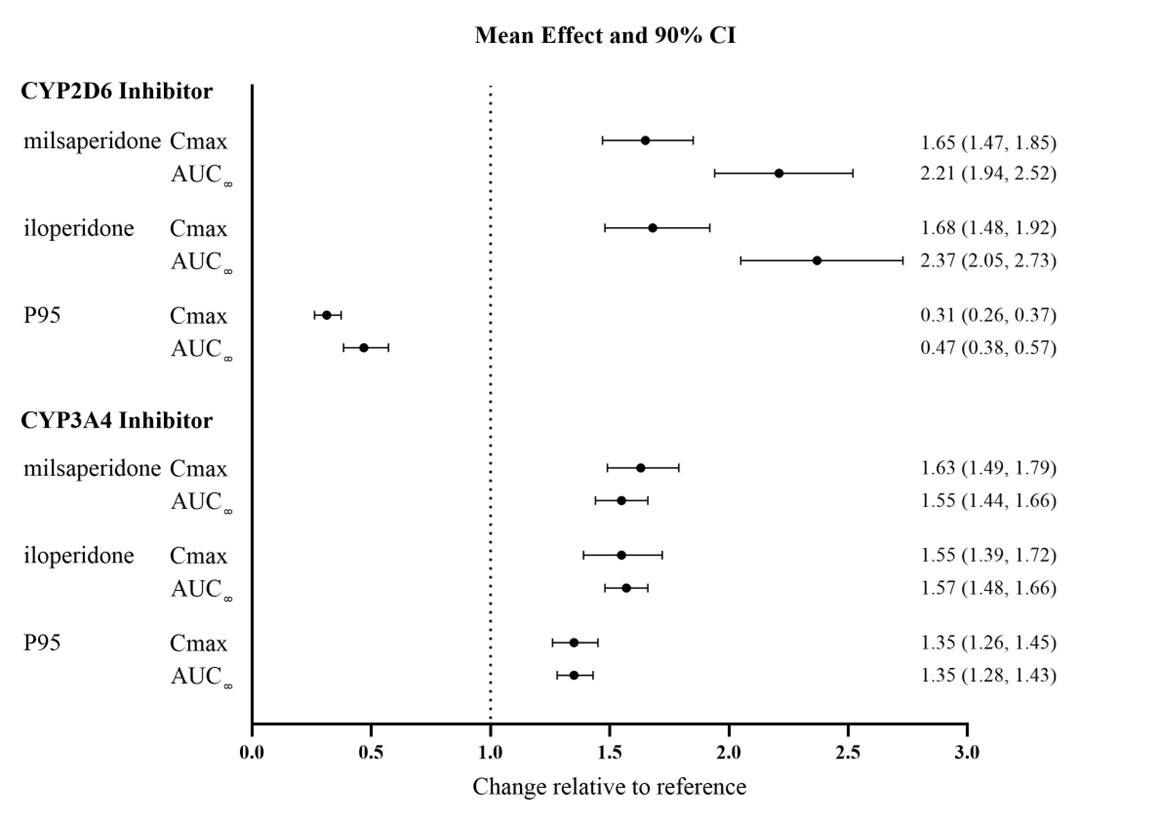
Clinical studies:The effects of fluoxetine and ketoconazole on the exposures of iloperidone, milsaperidone, and P95 are summarized in Figure 1.

Figure 1: Effect of CYP3A4 and CYP2D6 Inhibitors on the Pharmacokinetics of Milsaperidone, Iloperidone, and P95
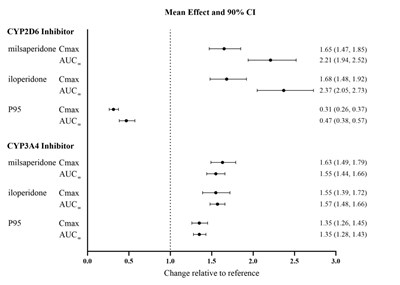
Figure 1 (Milsaperidone 03)

Figure 1 (Milsaperidone 03)

Results are based on single 3mg doses of iloperidone; top: effect of concomitant administration of a strong CYP2D6 inhibitor (fluoxetine) and bottom: concomitant administration of a strong CYP3A4 inhibitor (ketoconazole). Data are GMRs and 90% CIs. AUC: area under the plasma concentration-time curve from time zero extrapolated to infinity; Cmax: maximum plasma concentration, CI: confidence interval; GMRs: geometric mean ratios.

Strong CYP2D6 Inhibitors: Concomitant administration of fluoxetine (a strong CYP2D6 inhibitor) (20 mg twice daily for 21 days) with a single 3 mg dose of iloperidone in CYP2D6 normal metabolizers, increased the AUC of iloperidone and milsaperidone by approximately 2- to 3-fold and decreased the AUC of P95 by one-half [see Drug Interactions (7.1)]. Concomitant administration of a single 3 mg iloperidone dose had no effect on the steady-state pharmacokinetics of fluoxetine.

Concomitant administration of paroxetine (a strong CYP2D6 inhibitor) (20 mg/day for 5-8 days) with multiple doses of iloperidone (8 or 12 mg twice daily) to patients with schizophrenia resulted in increased mean steady-state peak concentrations of iloperidone and milsaperidone, by about 1.6-fold, and decreased mean steady-state peak concentrations of P95 by one-half [see Drug Interactions (7.1)].

Strong CYP3A4 Inhibitors: Concomitant administration of ketoconazole (a strong CY3A4 inhibitor) (200 mg twice daily for 4 days) with a 3 mg single dose of iloperidone, increased the iloperidone AUC by 57%, the milsaperidone AUC by 55% and the P95 AUC by 35%. Concomitant use of BYSANTI or iloperidone have not been studied with CYP3A4 moderate inhibitors (e.g., erythromycin, grapefruit juice).

Strong CYP2D6 and CYP3A4 Inhibitors: Concomitant administration of paroxetine (20 mg once daily for 10 days) a strong CYP2D6 inhibitor, and ketoconazole (200 mg twice daily), a strong CYP3A4 inhibitor with multiple doses of iloperidone (8 or 12 mg twice daily) in patients with schizophrenia resulted in a 1.4-fold increase in steady-state peak concentrations of both iloperidone and milsaperidone, and a 1.4-fold decrease in steady-state peak concentrations of P95 when compared to paroxetine alone [see Drug Interactions (7.1)].

Sensitive CYP2D6 Substrates: Concomitant administration of a single 3 mg iloperidone dose with a single 80 mg dextromethorphan dose (a sensitive CYP2D6 substrate) resulted in a 17% increase in AUC and a 26% increase in Cmax for dextromethorphan. Thus, an interaction between iloperidone and other CYP2D6 substrates is unlikely.

Sensitive CYP3A4 substrates: Concomitant administration of midazolam (a sensitive 3A4 substrate) with steady-state iloperidone in patients with schizophrenia showed a less than 50% increase in midazolam AUC and no effect on midazolam Cmax. Thus, an interaction between iloperidone and other CYP3A4 substrates is unlikely.

In Vitro Drug Interaction Studies

Cytochrome P450 (CYP450) Enzymes: Iloperidone is an inhibitor of CYP isozymes 3A4, 3A5 and 2D6. Iloperidone does not inhibit CYP isozymes 1A1, 1A2, 2A6, 2B6, 2C8, 2C9, or 2E1. Iloperidone also does not induce CYP isozymes 1A2, 2C8, 2C9, 2C19, 3A4 and 3A5. Iloperidone is not a substrate of CYP isozymes 1A1, 1A2, 2A6, 2B6, 2C8, 2C9, 2C19, or 2E1 enzymes. This suggests that an interaction of iloperidone with inhibitors or inducers of these enzymes, or other factors, like smoking, is unlikely.

Transporter Systems: Iloperidone and milsaperidone are not substrates of P-gp and iloperidone is a weak P-gp inhibitor.

12.5 Pharmacogenomics

Milsaperidone and iloperidone (iloperidone and milsaperidone rapidly interconvert in vivo) are metabolized by CYP2D6 [see Clinical Pharmacology (12.3)]. The gene encoding CYP2D6 has variants that affect CYP2D6 metabolic function. CYP2D6 poor metabolizers are individuals with two nonfunctional alleles (e.g., *3/*4, *4/*4, *5/*5, *5/*6), and as a result they have no CYP2D6 enzyme activity.

Pharmacokinetic data from CYP2D6 poor metabolizers (n=8) treated with iloperidone demonstrated milsaperidone AUC was 85% higher, iloperidone AUC was 47% higher, and the P95 metabolite AUC was 85% lower compared to the AUC in CYP2D6 normal metabolizers (n=18) [see [see Dosage and Administration (2.2) and Clinical Pharmacology (12.3)].

The pharmacokinetics of milsaperidone, iloperidone, and P95 were not fully evaluated in CYP2D6 ultrarapid and intermediate metabolizers.

13.1 Carcinogenesis, Mutagenesis, Impairment Of Fertility

Carcinogenesis:

Lifetime carcinogenicity studies were conducted with iloperidone (iloperidone and milsaperidone rapidly interconvert in vivo) in CD-1 mice and Sprague Dawley rats. Iloperidone was administered orally at doses of 2.5, 5, and 10 mg/kg/day to CD-1 mice and 4, 8, and 16 mg/kg/day to Sprague Dawley rats (0.5, 1, and 2 times and 1.6, 3.2, and 6.5 times, respectively, the MRHD of 24 mg/day on a mg/m2 basis). The safety margins for milsaperidone are expected to be the same as those seen with iloperidone because exposure to iloperidone, milsaperidone, and their major metabolites are similar when either iloperidone tablets or BYSANTI (milsaperidone) tablets are administered in humans. There was an increased incidence of malignant mammary gland tumors in female mice treated with the lowest dose (2.5 mg/kg/day) only. There were no treatment-related increases in neoplasia in rats.

The carcinogenic potential of the milsaperidone metabolite P95, which is a major circulating metabolite of milsaperidone in humans but is not present at significant amounts in mice or rats, was assessed in a lifetime carcinogenicity study in Wistar rats at oral doses of 25, 75, and 200 mg/kg/day in males and 50, 150, and 250 (reduced from 400) mg/kg/day in females. Drug-related neoplastic changes occurred in males, in the pituitary gland (pars distalis adenoma) at all doses and in the pancreas (islet cell adenoma) at the high dose. Plasma levels of P95 (AUC) in males at the tested doses (25, 75, and 200 mg/kg/day) were approximately 0.4, 3, and 23 times, respectively, the human exposure to P95 at the MRHD of milsaperidone.

Mutagenesis

Milsaperidone was not mutagenic in the Bacterial Reverse Mutation (Ames) Test conducted in multiple bacterial strains with and without metabolic activation. Milsaperidone did not induce structural chromosomal damage in an in vitro cytogenetic assay using Chinese Hamster Ovary (CHO) cells with and without metabolic activation.

Iloperidone was negative in the Ames test and in the in vivo mouse bone marrow and rat liver micronucleus tests. Iloperidone induced chromosomal aberrations in Chinese Hamster Ovary (CHO) cells in vitro at concentrations which also caused some cytotoxicity.

The iloperidone metabolite P95 was negative in the Ames test, the V79 chromosome aberration test, and an in vivo mouse bone marrow micronucleus test.

Impairment of Fertility

Iloperidone decreased fertility at 12 and 36 mg/kg in a study in which both male and female rats were treated. The no-effect dose was 4 mg/kg, which is 1.6 times the MRHD of 24 mg/day on a mg/m2 basis.

14.1 Schizophrenia

The effectiveness of BYSANTI in the treatment of schizophrenia in adults has been established from adequate and well-controlled studies of iloperidone tablets (referred to as “iloperidone” (iloperidone and milsaperidone rapidly interconvert in vivo)) in adults with schizophrenia. Below is a display of the efficacy results of iloperidone in these adequate and well-controlled studies.

Iloperidone was studied in two placebo- and active-controlled short-term trials (a 6-week trial (Study 1) and a 4-week trial (Study 2)) and one long-term placebo-controlled randomized withdrawal trial (Study 3) in adult patients who met the DSM-III/IV criteria for schizophrenia.

In Studies 1, 2, and 3, three instruments were used to assess psychiatric signs and symptoms: the Positive and Negative Syndrome Scale (PANSS), the Brief Psychiatric Rating Scale (BPRS) (both multi-item inventories of general psychopathology), and the Clinical Global Impression (CGI) assessment which reflects the impression of a skilled observer, fully familiar with the manifestations of schizophrenia, about the overall clinical state of the patient.

Study 1

Study 1 (n=706) included two flexible dosage ranges of iloperidone (12 mg to 16 mg/day or 20 mg to 24 mg/day) compared to placebo and an active control (risperidone).

  • For the 12 mg to 16 mg/day group, the iloperidone titration schedule was 1 mg twice daily on Days 1 and 2, 2 mg twice daily on Days 3 and 4, 4 mg twice daily on Days 5 and 6, and 6 mg twice daily on Day 7.
  • For the 20 mg to 24 mg/day group, the iloperidone titration schedule was 1 mg twice daily on Day 1, 2 mg twice daily on Day 2, 4 mg twice daily on Day 3, 6 mg twice daily on Days 4 and 5, 8 mg twice daily on Day 6, and 10 mg twice daily on Day 7.
  • In Study 1, the primary endpoint was change from baseline on the BPRS total score at the end of treatment (Day 42). Both the 12 mg to 16 mg/day and the 20 mg to 24 mg/day iloperidone treatment groups were superior to the placebo group on the BPRS total score. The active control antipsychotic drug (risperidone) appeared to be superior to iloperidone in this trial within the first 2 weeks, a finding that may in part be explained by the more rapid titration that was possible for risperidone. For patients in Study 1 who remained on treatment for at least 2 weeks, iloperidone appeared to have had comparable efficacy to risperidone.

    Study 2

    Study 2 (NCT00254202) (n=604) compared one fixed-dose of iloperidone (24 mg/day) to placebo and an active control (ziprasidone).

    • The titration schedule for Study 2 was similar to the titration schedule for Study 1. In Study 2, the titration of iloperidone started at 1 mg twice daily on Day 1 and increased to 2, 4, 6, 8, 10, and 12 mg twice daily on Days 2, 3, 4, 5, 6, and 7, respectively.
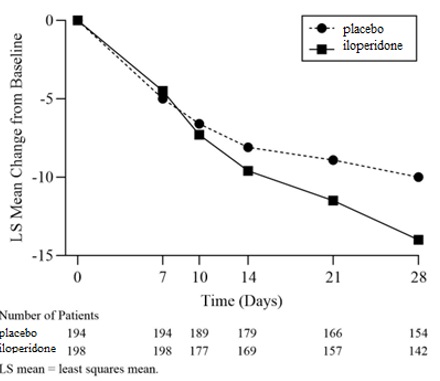
    • In Study 2, the primary endpoint was change from baseline on the PANSS total score at the end of treatment (Day 28). The 24 mg/day iloperidone treatment group was superior to the placebo treatment group in the PANSS total score. In Study 2, iloperidone appeared to have similar efficacy as ziprasidone which also needed a slow titration to the target dosage.

      Study 3

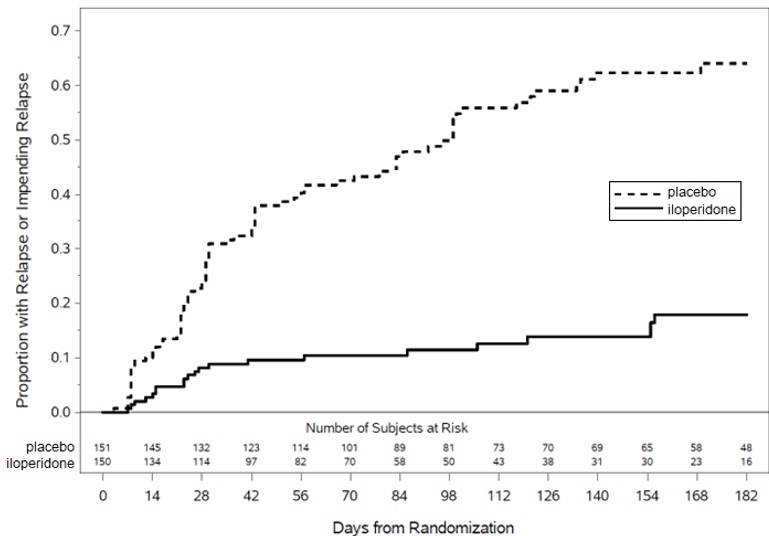
      Study 3 (NCT01291511) included clinically stable adult outpatients (n=303) who met DSM-IV criteria for schizophrenia. After a one-week iloperidone titration, patients who remained clinically stable received 12 weeks of open-label treatment with a flexible iloperidone dosage (4 mg to 12 mg administered twice daily (8 mg to 24 mg per day, respectively). Stabilization during the open-label phase was defined as being on an established iloperidone dosage that was unchanged due to efficacy in the 4 weeks prior to randomization, having CGI-Severity score of ≤4 and PANSS total score ≤70, a score of ≤4 on each of the following individual PANSS items (P1-delusions, P2-conceptual disorganization, P3-hallucinatory behavior, P6-suspiciousness/persecution, P7-hostility, or G8-uncooperativeness), and no hospitalization or increase in level of care to treat exacerbations.

      After the open-label phase in Study 3, patients were randomized to receive placebo or to continue on their current iloperidone dosage (4 to 12 mg twice daily (8 mg to 24 mg/day, respectively)) and were observed for possible relapse during the double-blind phase. Relapse or impending relapse during the double-blind phase was defined as any of the following: hospitalization due to worsening of schizophrenia, increase (worsening) of the PANSS total score ≥30%, CGI-Improvement score ≥6, or the patient had suicidal, homicidal, or aggressive behavior, or needed any other antipsychotic drug.

      Based on the interim analysis in Study 3, an independent data monitoring committee decided the study should be discontinued early due to evidence of efficacy. Based on results from the interim analysis, which were confirmed by the final analysis dataset, patients treated with iloperidone experienced a statistically significant longer time to relapse or impending relapse than patients who received placebo. Figure 2 displays the estimated cumulative proportion of patients with relapse or impending relapse in Study 3.

      Figure 2: Kaplan Meier Estimation of Percent Relapse/Impending Relapse in Adult Patients with Schizophrenia (Study 3)

      Figure 2 (Milsaperidone 04)

      Figure 2 (Milsaperidone 04)

14.2 Manic Or Mixed Episodes Associated With Bipolar I Disorder

The effectiveness of BYSANTI in the acute treatment of manic or mixed episodes associated with bipolar I disorder has been established from an adequate and well-controlled study of iloperidone tablets (referred to as “iloperidone” (iloperidone and milsaperidone rapidly interconvert in vivo)) in adults with manic or mixed episodes associated with bipolar I disorder. Below is a display of the efficacy results of iloperidone in this adequate and well-controlled study.

Iloperidone was studied in one multicenter, randomized, double-blind, placebo-controlled, 4-week study (n=392) that enrolled adult patients who met the DSM-5 criteria for bipolar I disorder, manic or mixed type (Study 4; NCT04819776). In Study 4, the demographic and baseline characteristics were similar in the iloperidone and placebo groups. The median age was 46 (range 18 to 65); 45% were female; 64% were White, and 28% were Black or African American.

In Study 4, manic symptoms were assessed with the Young Mania Rating Scale (YMRS). The YMRS is an 11-item clinician rated scale traditionally used to assess the degree of manic symptomatology. YMRS total scores may range from 0 to 60 with a higher score reflecting greater severity.

In Study 4, patients received one fixed-dose of iloperidone (12 mg twice daily (24 mg/day)) after a four-day titration (1 mg twice daily on Day 1, 3 mg twice daily on Day 2, 6 mg twice daily on Day 3, 9 mg twice daily on Day 4, and then 12 mg twice daily on Day 5) or placebo. CYP2D6 poor metabolizers who received iloperidone in the study received a fixed-dose of iloperidone (6 mg twice daily (12 mg/day)) after a two-day titration (i.e., 1 mg twice daily on Day 1, 3 mg twice daily on Day 2, 6 mg twice daily on Day 3).

In Study 4, the primary endpoint was change in YMRS total score from baseline to Day 28.

The iloperidone group was superior to the placebo group on the primary endpoint. Examination of subgroups did not reveal clear evidence of differential responsiveness on the basis of age, sex, or race. The results of Study 4 are shown in Table 8, and the LS mean changes from baseline in YMRS total score are shown in Figure 3.

Table 8: Primary Efficacy Results: Change from Baseline in YMRS Total Score to Day 28 in the Acute Treatment of Manic or Mixed Episodes Associated with Bipolar I Disorder in Adults (Study 4)

ITT = intent-to-treat, YMRS = Young Mania Rating Scale, LS mean = least Squares mean, SD = standard deviation, SE = standard error

*In Study 4, patients who received iloperidone, received 12 mg twice daily (24 mg/day) after a four-day titration. If the iloperidone-treated patients were CYP2D6 poor metabolizers, they received 6 mg twice daily (12 mg/day)) after a two-day titration.

aDifference (iloperidone group minus placebo group) in least-squares mean change from baseline Iloperidone group was superior to the placebo group

Treatment Group
(# ITT patients)
Mean
Baseline
Score (SD)
LS Mean
Change from
Baseline (SE)
Placebo-subtracted
Differencea
(95% CI)
Iloperidone*(n=198)29.2 (5.27)-14.0 (0.64)-4.0 (-5.70, -2.25)
Placebo (n=194)28.8 (4.64)-10.0 (0.63)

Figure 3: Change from Baseline in YMRS Total Score by Study Visit in the Acute Treatment of Manic or Mixed Episodes Associated with Bipolar I Disorder in Adults (Study 4)

Figure 3 (Milsaperidone 05)

Figure 3 (Milsaperidone 05)

16 How Supplied/Storage And Handling

BYSANTI (milsaperidone) tablets are supplied as follows:
   •   1 mg: yellow, oval shaped, debossed with "1" on one side and “

Logo (Milsaperidone 01)

Logo (Milsaperidone 01)

” logo on other side
   •   2 mg: pink oblong oval shaped, debossed with "2" on one side and “
Logo (Milsaperidone 01)

Logo (Milsaperidone 01)

” logo on other side
   •   4 mg: blue oval shaped, debossed with "4" on one side and “
Logo (Milsaperidone 01)

Logo (Milsaperidone 01)

” logo on other side
   •   6 mg: orange oblong oval shaped, debossed with "6" on one side and “
Logo (Milsaperidone 01)

Logo (Milsaperidone 01)

” logo on other side
   •   8 mg: white, oval shaped, debossed with "8" on one side and “
Logo (Milsaperidone 01)

Logo (Milsaperidone 01)

” logo on other side
   •   10 mg: white, oblong oval shaped, debossed with "10" on one side and “
Logo (Milsaperidone 01)

Logo (Milsaperidone 01)

” logo on other side
   •   12 mg: purple, octagon shaped, debossed with "12" on one side and “
Logo (Milsaperidone 01)

Logo (Milsaperidone 01)

” logo on other side

Table 9 displays the package configurations for the single strength packages of BYSANTI (milsaperidone) tablets and Table 10 displays the package configuration for the titration packs.

Table 9: Package Configurations for the Single Strength Packages of BYSANTI (milsaperidone) Tablets

Package configurationTablet Strength (mg)NDC Code
Bottles of 601 mg43068-701-02
Bottles of 602 mg43068-702-02
Bottles of 604 mg43068-704-02
Bottles of 606 mg43068-706-02
Bottles of 608 mg43068-708-02
Bottles of 6010 mg43068-710-02
Bottles of 6012 mg43068-712-02

                                       Table 10: Package Configurations for the Titration Packs

Package
Configuration
IndicationTablet Quantity
and Strength (mg)
NDC Code
Titration Pack AFor the treatment of schizophreniaTwo 1 mg tablets
Two 2 mg tablets
Two 4 mg tablets
Two 6 mg tablets
(Total of 8 tablets)
43068-713-04
Titration Pack BFor the acute treatment of manic or mixed episodes associated with bipolar I disorderSix 1 mg tablets
Two 2 mg tablets
Two 6 mg tablets
Two 8 mg tablets
(Total of 12 tablets)
43068-714-04
Titration Pack CFor the acute treatment of manic or mixed episodes associated with bipolar I disorder in:
  • CYP2D6 poor metabolizers
  • concomitant administration with strong CYP2D6 inhibitors and strong CYP3A4 inhibitors
Four 1 mg tablets
Two 2 mg tablets
Two 6 mg tablets
(Total of 8 tablets)
43068-715-03

Storage

Store the tablets at controlled room temperature, 20°C to 25°C (68°F to 77°F), with excursions permitted between 15° to 30 °C (59°F to 86°F) [See USP Controlled Room Temperature]. Protect the tablets from exposure to light and moisture.

17 Patient Counseling Information

QTc Interval Prolongation

Patients should be advised to consult their healthcare provider immediately if they feel faint, lose consciousness, or have heart palpitations. Patients should be counseled not to take BYSANTI with other drugs that cause QT interval prolongation [see Warnings and Precautions (5.3)]. Patients should be told to inform their healthcare provider that they are taking BYSANTI before any new drug is taken.

Neuroleptic Malignant Syndrome

Counsel patients and caregivers about a potentially fatal neuroleptic malignant syndrome (NMS) that has been reported with administration of antipsychotic drugs. Advise patients and caregivers to contact the healthcare provider or to report to the emergency room if they experience signs and symptoms of NMS [see Warnings and Precautions (5.4)].

Tardive Dyskinesia

Counsel patients on the signs and symptoms of tardive dyskinesia and to contact their healthcare provider if these abnormal movements occur [see Warnings and Precautions (5.5)].

Metabolic Changes

Educate patients of metabolic changes, how to recognize symptoms of hyperglycemia and diabetes mellitus, and the need for specific monitoring, including blood glucose, lipids, and weight. Patients should be counseled that weight gain has occurred during treatment with iloperidone (iloperidone and milsaperidone rapidly interconvert in vivo) [see Warnings and Precautions (5.6)].

Orthostatic Hypotension and Syncope

Educate patients about the risk of orthostatic hypotension and syncope, particularly at the time of initiating treatment, re-initiating treatment, or increasing the dosage [see Warnings and Precautions (5.7)].

Leukopenia/Neutropenia

Advise patients with a pre-existing low WBC or a history of drug induced leukopenia/neutropenia that they should have their CBC monitored while taking BYSANTI [see Warnings and Precautions (5.10)].

Heat Exposure and Dehydration

Educate patients regarding appropriate care in avoiding overheating and dehydration [see Warnings and Precautions (5.12)].

Interference with Cognitive and Motor Performance

Caution patients about driving a motor vehicle or operating hazardous machinery, until they are reasonably certain that BYSANTI therapy does not adversely affect them [see Warnings and Precautions (5.15)].

Intraoperative Floppy Iris Syndrome

Instruct patients to tell their ophthalmologist about their use of BYSANTI before cataract surgery or other procedures involving the eyes, even if the patient is no longer taking BYSANTI [see Warnings and Precautions (5.16)].

Pregnancy

Advise patients that third trimester use of BYSANTI may cause extrapyramidal and/or withdrawal symptoms in a neonate. Advise patients to notify their healthcare provider with known or suspected pregnancy [see Use in Specific Populations (8.1)].

Pregnancy Registry

Advise patients that there is a pregnancy exposure registry that monitors pregnancy outcomes in women exposed to BYSANTI during pregnancy [see Use in Specific Populations (8.1)].

Lactation

Advise women not to breastfeed during treatment with BYSANTI and for 6 days after the last dose for CYP2D6 normal metabolizers and 8 days after the last dose for CYP2D6 poor metabolizers. [see Use in Specific Populations (8.2)].

Concomitant Drugs

Advise patients to inform their healthcare provider if they are taking, or plan to take, any prescription or over-the-counter drugs, since there is a potential for clinically significant interactions [see Drug Interactions (7)].

Alcohol

Patients should be advised to avoid alcohol while taking BYSANTI.

Effects on Driving and Operating Heavy Machinery

Caution patients about performing activities about requiring mental alertness, such as driving a motor vehicle or operating hazardous machinery, until they are reasonably certain that BYSANTI therapy does not affect them adversely [see Warnings and Precautions (5.15)]

Distributed by:

Vanda Pharmaceuticals Inc.

Washington, D.C. 20037 USA


Vanda and BYSANTI are registered trademarks of Vanda Pharmaceuticals Inc. in the United States and other countries.


Principal Display Panel - Ndc: 43068-701-02 60 Tablets 1Mg Bottle Label

60 Tablets 1mg Bottle Label (Milsaperidone 06)

60 Tablets 1mg Bottle Label (Milsaperidone 06)


Principal Display Panel - Ndc: 43068-702-02 60 Tablets 2Mg Bottle Label

60 Tablets 2mg Bottle Label (Milsaperidone 07)

60 Tablets 2mg Bottle Label (Milsaperidone 07)


Principal Display Panel - Ndc: 43068-704-02 60 Tablets 4Mg Bottle Label

60 Tablets 4mg Bottle Label (Milsaperidone 08)

60 Tablets 4mg Bottle Label (Milsaperidone 08)


Principal Display Panel - Ndc: 43068-706-02 60 Tablets 6Mg Bottle Label

60 Tablets 6mg Bottle Label (Milsaperidone 09)

60 Tablets 6mg Bottle Label (Milsaperidone 09)


Principal Display Panel - Ndc: 43068-708-02 60 Tablets 8Mg Bottle Label

60 Tablets 8mg Bottle Label (Milsaperidone 10)

60 Tablets 8mg Bottle Label (Milsaperidone 10)


Principal Display Panel - Ndc: 43068-710-02 60 Tablets 10Mg Bottle Label

60 Tablets 10mg Bottle Label (Milsaperidone 11)

60 Tablets 10mg Bottle Label (Milsaperidone 11)


Principal Display Panel - Ndc: 43068-712-02 60 Tablets 12Mg Bottle Label

60 Tablets 12mg Bottle Label (Milsaperidone 12)

60 Tablets 12mg Bottle Label (Milsaperidone 12)


Principal Display Panel - Ndc: 43068-713-04 Titration Pack A Mock-Up

Titration Pack A Mockup (Milsaperidone 13)

Titration Pack A Mockup (Milsaperidone 13)


Principal Display Panel - Ndc: 43068-714-04 Titration Pack B Mock-Up

Titration Pack B Mock-up (Milsaperidone 14)

Titration Pack B Mock-up (Milsaperidone 14)


Principal Display Panel - Ndc: 43068-715-03 Titration Pack C Mock-Up

Titration Pack C Mock-up (Milsaperidone 15)

Titration Pack C Mock-up (Milsaperidone 15)


Principal Display Panel - Ndc: 43068-908-14 14 Tablets 1Mg Carton Label

14 Tablets 1mg Carton Label (Milsaperidone 16)

14 Tablets 1mg Carton Label (Milsaperidone 16)


Principal Display Panel - Ndc: 43068-908-14 14 Tablets 1Mg Bottle Label

14 Tablets 1mg Bottle Label (Milsaperidone 17)

14 Tablets 1mg Bottle Label (Milsaperidone 17)


Principal Display Panel - Ndc: 43068-910-14 14 Tablets 6Mg Carton Label

14 Tablets 6mg Carton Label (Milsaperidone 18)

14 Tablets 6mg Carton Label (Milsaperidone 18)


Principal Display Panel - Ndc: 43068-910-14 14 Tablets 6Mg Bottle Label

14 Tablets 6mg Bottle Label (Milsaperidone 19)

14 Tablets 6mg Bottle Label (Milsaperidone 19)


Principal Display Panel - Ndc: 43068-911-14 14 Tablets 8Mg Carton Label

14 Tablets 8mg Carton Label (Milsaperidone 20)

14 Tablets 8mg Carton Label (Milsaperidone 20)


Principal Display Panel - Ndc: 43068-911-14 14 Tablets 8Mg Bottle Label

14 Tablets 8mg Bottle Label (Milsaperidone 21)

14 Tablets 8mg Bottle Label (Milsaperidone 21)


Principal Display Panel - Ndc: 43068-912-08 Titration Pack A Professional

Titration Pack A Professional (Milsaperidone 22)

Titration Pack A Professional (Milsaperidone 22)


Principal Display Panel - Ndc: 43068-913-12 Titration Pack B Professional

Titration Pack B Professional (Milsaperidone 23)

Titration Pack B Professional (Milsaperidone 23)


Principal Display Panel - Ndc: 43068-914-08 Titration Pack C Professional

Titration Pack C Professional (Milsaperidone 24)

Titration Pack C Professional (Milsaperidone 24)


* Please review the disclaimer below.