Other
WARNING: FETAL TOXICITY
- When pregnancy is detected, discontinue Amlodipine and Valsartan Tablets as soon as possible. (5.1)
- Drugs that act directly on the renin-angiotensin system can cause injury and death to the developing fetus. (5.1)
- when 1 medicine to lower your high blood pressure is not enough
- as the first medicine to lower high blood pressure if your doctor decides you are likely to need more than 1 medicine.
- are pregnant or plan to become pregnant. See "What is the most important information I should know about Amlodipine and Valsartan Tablets?"
- are breastfeeding or plan to breastfeed. Amlodipine and Valsartan is present in human milk. It is not known whether Amlodipine and Valsartan affects your breastfed baby or milk production. Do not breastfeed while you are taking Amlodipine and Valsartan Tablets.
- have heart problems
- have liver problems
- have kidney problems
- are vomiting or having a lot of diarrhea
- have ever had a reaction called angioedema, to another blood pressure medicine. Angioedema, causes swelling of the face, lips, tongue, throat, and may cause difficulty breathing.
- simvastatin or other cholesterol-lowering medicine
- other medicines for high blood pressure or a heart problem
- water pills (diuretics)
- potassium supplements. Your doctor may check the amount of potassium in your blood periodically.
- a salt substitute. Your doctor may check the amount of potassium in your blood periodically.
- nonsteroidal anti-inflammatory drugs (like ibuprofen or naproxen)
- medicines used to prevent and treat fungal skin infections (such as ketoconazole, itraconazole)
- medicines used to treat bacterial infections (such as clarithromycin, telithromycin)
- certain antibiotics (rifamycin group), a drug used to protect against transplant rejection (cyclosporine) or an antiretroviral drug used to treat HIV/AIDS infection (ritonavir). These drugs may increase the effect of valsartan.
- lithium, a medicine used in some types of depression
- Take Amlodipine and Valsartan Tablets exactly as your doctor tells you.
- Take Amlodipine and Valsartan Tablets once each day.
- Amlodipine and Valsartan Tablets can be taken with or without food.
- If you miss a dose, take it as soon as you remember. If it is close to your next dose, do not take the missed dose. Just take the next dose at your regular time.
- If you take too much Amlodipine and Valsartan Tablets, call your doctor or Poison Control Center, or go to the emergency room.
- Tell all your doctors or dentist you are taking Amlodipine and Valsartan Tablets if you:
- are going to have surgery
- go for kidney dialysis
- harm to an unborn baby causing injury and even death. See "What is the most important information I should know about Amlodipine and Valsartan Tablets?"
- low blood pressure (hypotension). Low blood pressure is most likely to happen if you:
- take water pills
- are on a low salt diet
- get dialysis treatments
- have heart problems
- get sick with vomiting or diarrhea
- drink alcohol
- more heart attacks and chest pain (angina) in people that already have severe heart problems. This may happen when you start Amlodipine and Valsartan Tablets or when there is an increase in your dose of Amlodipine and Valsartan Tablets. Get emergency help if you get worse chest pain or chest pain that does not go away.
- kidney problems. Kidney problems may become worse in people that already have kidney disease. Some people will have changes in blood tests for kidney function and may need a lower dose of Amlodipine and Valsartan Tablets. Call your doctor if you have swelling in your feet, ankles, or hands or unexplained weight gain. If you have heart failure, your doctor should check your kidney function before prescribing Amlodipine and Valsartan tablets.
- laboratory blood test changes in people with heart failure. Some people with heart failure who take valsartan, 1 of the medicines in Amlodipine and Valsartan Tablets, have changes in blood tests including increased potassium and decreased kidney function.
- swelling (edema) of the hands, ankles, or feet
- nasal congestion, sore throat and discomfort when swallowing
- upper respiratory tract infection (head or chest cold)
- dizziness
- Store Amlodipine and Valsartan Tablets at room temperature between 59°F and 86°F (15°C and 30°C).
- Keep Amlodipine and Valsartan Tablets dry (protect it from moisture).
Amlodipine and Valsartan Tablets are available as follows:
5/160 mg tablets, debossed "N 83" on one side and plain on the other
10/160 mg tablets, debossed "N 82" on one side and plain on the other
5/320 mg tablets, debossed "N 81" on one side and plain on the other
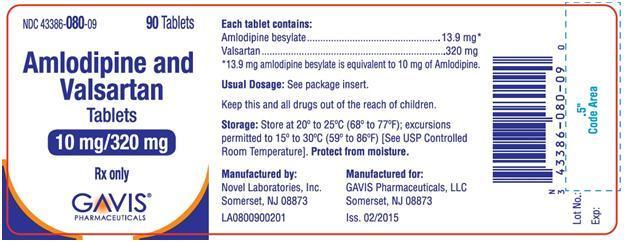
10/320 mg tablets, debossed "N 08" on one side and plain on the other
Do not use in patients with known hypersensitivity to any component.
Do not coadminister aliskiren with Amlodipine and Valsartan Tablets in patients with diabetes [see Drug Interactions (7)].
No drug interaction studies have been conducted with Amlodipine and Valsartan Tablets and other drugs, although studies have been conducted with the individual amlodipine and valsartan components.
Amlodipine
Impact of Other Drugs on Amlodipine
CYP3A Inhibitors
Coadministration with CYP3A inhibitors (moderate and strong) results in increased systemic exposure to amlodipine and may require dose reduction. Monitor for symptoms of hypotension and edema when amlodipine is coadministered with CYP3A inhibitors to determine the need for dose adjustment [see Clinical Pharmacology (12.3)].
CYP3A Inducers
No information is available on the quantitative effects of CYP3A inducers on amlodipine. Blood pressure should be closely monitored when amlodipine is coadministered with CYP3A inducers (e.g. rifampicin, St. John's Wort).
Sildenafil
Monitor for hypotension when sildenafil is coadministered with amlodipine [see Clinical Pharmacology (12.2)].
Impact of Amlodipine on Other Drugs
Simvastatin
Coadministration of simvastatin with amlodipine increases the systemic exposure of simvastatin. Limit the dose of simvastatin in patients on amlodipine to 20 mg daily [see Clinical Pharmacology (12.3)].
Immunosuppressants
Amlodipine may increase the systemic exposure of cyclosporine or tacrolimus when coadministered. Frequent monitoring of trough blood levels of cyclosporine and tacrolimus is recommended and adjust the dose when appropriate [see Clinical Pharmacology (12.3)].
Valsartan
Agents Increasing Serum Potassium: Concomitant use of valsartan with other agents that block the renin-angiotensin system, potassium-sparing diuretics (e.g., spironolactone, triamterene, amiloride), potassium supplements, salt substitutes containing potassium or other drugs that may increase potassium levels (e.g., heparin) may lead to increases in serum potassium and in heart failure patients to increases in serum creatinine. If co-medication is considered necessary, monitoring of serum potassium is advisable.
Non-Steroidal Anti-Inflammatory Agents Including Selective Cyclooxygenase-2 Inhibitors (COX-2 Inhibitors):
In patients who are elderly, volume-depleted (including those on diuretic therapy), or with compromised renal function, coadministration of NSAIDs, including selective COX-2 inhibitors, with angiotensin II receptor antagonists, including valsartan, may result in deterioration of renal function, including possible acute renal failure. These effects are usually reversible. Monitor renal function periodically in patients receiving valsartan and NSAID therapy.
The antihypertensive effect of angiotensin II receptor antagonists, including valsartan, may be attenuated by NSAIDs including selective COX-2 inhibitors.
Dual Blockade of the Renin-Angiotensin System (RAS): Dual blockade of the RAS with angiotensin receptor blockers, ACE inhibitors, or aliskiren is associated with increased risks of hypotension, hyperkalemia, and changes in renal function (including acute renal failure) compared to monotherapy. Most patients receiving the combination of two RAS inhibitors do not obtain any additional benefit compared to monotherapy. In general, avoid combined use of RAS inhibitors. Closely monitor blood pressure, renal function and electrolytes in patients on valsartan and other agents that affect the RAS.
Do not coadminister aliskiren with Amlodipine and Valsartan tablets in patients with diabetes. Avoid use of aliskiren with Amlodipine and Valsartan tablets in patients with renal impairment (GFR <60 mL/min).
Lithium: Increases in serum lithium concentrations and lithium toxicity have been reported during concomitant administration of lithium with angiotensin II receptor antagonists. Monitor serum lithium levels during concomitant use.
What are Amlodipine and Valsartan Tablets?
Amlodipine and Valsartan Tablets contains 2 prescription medicines:
1. amlodipine, a calcium channel blocker
2. valsartan, an angiotensin receptor blocker (ARB).
Amlodipine and Valsartan Tablets may be used to lower high blood pressure (hypertension) in adults
Amlodipine and Valsartan Tablets have not been studied in children under 18 years of age.
What should I tell my doctor before taking Amlodipine and Valsartan Tablets?
Tell your doctor about all of your medical conditions, including if you:
Tell your doctor about all the medicines you take, including prescription and nonprescription medicines, vitamins, and herbal supplements. Some of your other medicines and Amlodipine and Valsartan Tablets could affect each other, causing serious side effects.
Especially tell your doctor if you take:
Know the medicines you take. Keep a list of your medicines and show it to your doctor or pharmacist when you get a new medicine. Talk to your doctor or pharmacist before you start taking any new medicine. Your doctor or pharmacist will know what medicines are safe to take together.
How should I take Amlodipine and Valsartan Tablets?
What should I avoid while taking Amlodipine and Valsartan Tablets?
You should not take Amlodipine and Valsartan Tablets during pregnancy. See "What is the most important information I should know about Amlodipine and Valsartan Tablets?"
What are the possible side effects of Amlodipine and Valsartan Tablets?
Amlodipine and Valsartan Tablets may cause serious side effects including:
Lie down if you feel faint or dizzy. Call your doctor right away.
The most common side effects of Amlodipine and Valsartan Tablets include:
Tell your doctor if you have any side effect that bothers you or that does not go away.
These are not all the possible side effects of Amlodipine and Valsartan Tablets. For more information, ask your doctor or pharmacist.
Call your doctor for medical advice about side effects. You may report side effects to FDA at 1-800-FDA-1088.
How should I store Amlodipine and Valsartan Tablets?
Keep Amlodipine and Valsartan Tablets and all medicines out of the reach of children.
General Information about Amlodipine and Valsartan Tablets
Medicines are sometimes prescribed for conditions that are not mentioned in the patient information leaflet. Do not use Amlodipine and Valsartan Tablets for a condition for which it was not prescribed. Do not give Amlodipine and Valsartan Tablets to other people, even if they have the same symptoms that you have. It may harm them.
This patient information leaflet summarizes the most important information about Amlodipine and Valsartan Tablets. If you would like more information about Amlodipine and Valsartan Tablets, talk with your doctor. You can ask your doctor or pharmacist for information about Amlodipine and Valsartan Tablets that is written for health professionals. For more information call 1-866-403-7592.
What are the ingredients in Amlodipine and Valsartan Tablets?
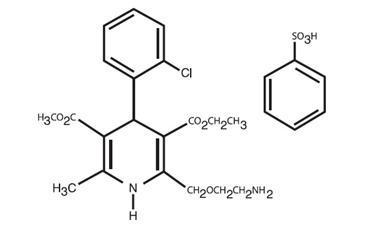
Active ingredients: Amlodipine besylate and valsartan
The inactive ingredients of all strengths of the tablets are colloidal silicon dioxide, crospovidone, magnesium stearate, microcrystalline cellulose, mannitol and sodium starch glycolate.
What is high blood pressure (hypertension)?
Blood pressure is the force of blood in your blood vessels when your heart beats and when your heart rests. You have high blood pressure when the force is too much. Amlodipine and Valsartan Tablets can help your blood vessels relax so your blood pressure is lower. Medicines that lower blood pressure lower your chance of having a stroke or heart attack.
High blood pressure makes the heart work harder to pump blood throughout the body and causes damage to blood vessels. If high blood pressure is not treated, it can lead to stroke, heart attack, heart failure, kidney failure, and vision problems.
Manufactured by:
Novel Laboratories Inc.
Somerset, NJ 08873
Manufactured For:
Lupin Pharmaceuticals, Inc.
Baltimore, MD 21202
SAP Code: 270612
Rev. 06//2022