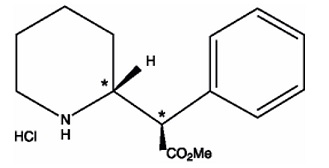
The following additional adverse reactions have been identified during post approval use of dexmethylphenidate. Because these reactions are reported voluntarily from a population of uncertain size, it is not always possible to reliably estimate their frequency or establish a causal relationship to drug exposure.
Musculoskeletal: rhabdomyolysis
Immune System Disorders: hypersensitivity reactions, such as angioedema, anaphylactic reactions
Adverse Reactions Reported with all Ritalin and Dexmethylphenidate Hydrochloride Formulations
The following adverse reactions associated with the use of all Ritalin and dexmethylphenidate hydrochloride formulations were identified in clinical trials, spontaneous reports, and literature. Because these reactions were reported voluntarily from a population of uncertain size, it is not always possible to estimate their frequency reliably or to establish a causal relationship to drug exposure.
Infections and Infestations: nasopharyngitis
Blood and the Lymphatic System Disorders: leukopenia, thrombocytopenia, anemia
Immune System Disorders: hypersensitivity reactions, including angioedema and anaphylaxis
Metabolism and Nutrition Disorders: decreased appetite, reduced weight gain, and suppression of growth during prolonged use in pediatric patients
Psychiatric Disorders: insomnia, anxiety, restlessness, agitation, psychosis (sometimes with visual and tactile hallucinations), depressed mood, depression
Nervous System Disorders: headache, dizziness, tremor, dyskinesia, including choreoatheetoid movements, drowsiness, convulsions, cerebrovascular disorders (including vasculitis, cerebral hemorrhages, and cerebrovascular accidents), serotonin syndrome in combination with serotonergic drugs
Eye Disorders: blurred vision, difficulties in visual accommodation
Cardiac Disorders: tachycardia, palpitations, increased blood pressure, arrhythmias, angina pectoris
Respiratory, Thoracic, and Mediastinal Disorders: cough
Gastrointestinal Disorders: dry mouth, nausea, vomiting, abdominal pain, dyspepsia
Hepatobiliary Disorders: abnormal liver function, ranging from transaminase elevation to severe hepatic injury
Skin and Subcutaneous Tissue Disorders: hyperhidrosis, pruritus, urticaria, exfoliative dermatitis, scalp hair loss, erythema multiforme rash, thrombocytopenic purpura
Musculoskeletal and Connective Tissue Disorders: arthralgia, muscle cramps, rhabdomyolysis, trismus
Investigations: weight loss (adult ADHD patients)
Vascular Disorders: peripheral coldness, Raynaud's phenomenon
Additional Adverse Reactions Reported with Other Methylphenidate-Containing Products
The list below shows adverse reactions not listed with Ritalin and dexmethylphenidate hydrochloride formulations that have been reported with other methylphenidate products based on clinical trials data and post-marketing spontaneous reports.
Blood and Lymphatic Disorders: pancytopenia
Immune System Disorders: hypersensitivity reactions, such as auricular swelling
Psychiatric Disorders: affect lability, mania, disorientation, libido changes
Nervous System Disorders: migraine
Eye Disorders: diplopia, mydriasis
Cardiac Disorders: sudden cardiac death, myocardial infarction, bradycardia, extrasystole, supraventricular tachycardia, ventricular extrasystole
Respiratory, Thoracic, and Mediastinal Disorders: pharyngolaryngeal pain, dyspnea
Gastrointestinal Disorders: diarrhea, constipation
Skin and Subcutaneous Tissue Disorders: angioneurotic edema, erythema, fixed drug eruption
Musculoskeletal, Connective Tissue, and Bone Disorders: myalgia, muscle twitching
Renal and Urinary Disorders: hematuria
Reproductive System and Breast Disorders: gynecomastia
General Disorders: fatigue
Urogenital Disorders: priapism