Advise the patient or caregiver to read the FDA-approved patient labeling (Patient Information and Instructions for Use).
Hypersensitivity Reactions Including Anaphylaxis
Advise patients and caregivers to discontinue JAVYGTOR and contact the patient’s healthcare provider immediately if they experience symptoms of anaphylaxis, including (but not limited to) wheezing, dyspnea, coughing, hypotension, flushing, nausea, and rash. Continue nutritional management including dietary protein and Phe restriction [see Warnings and Precautions (5.1)].
Upper Gastrointestinal Mucosal Inflammation
Advise patients and caregivers to contact their healthcare provider if the patient experiences signs and symptoms suggestive of upper GI mucosal inflammation, including nausea, vomiting, dysphagia, dyspepsia, loss of appetite; oropharyngeal, esophageal, or upper abdominal pain [see Warnings and Precautions (5.3)].
Hypophenylalaninemia [see Warnings and Precautions (5.3)]
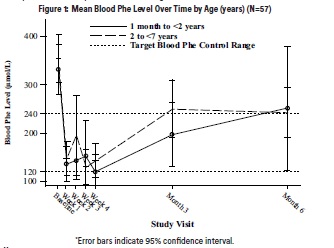
Advise patients and caregivers that JAVYGTOR may cause hypophenylalaninemia (low blood Phe levels), especially in pediatric patients younger than 7 years of age.
Monitoring of Blood Phe Levels[see Warnings and Precautions (5.4)]
Advise patients and caregivers that frequent blood Phe monitoring is important to ensure blood Phe levels are in the desirable range and that they should maintain dietary protein and Phe restriction while on JAVYGTOR.
Prolonged hyperphenylalaninemia (high blood Phe levels) in patients with PKU can result in severe neurologic damage, including intellectual disability, developmental delay, microcephaly, delayed speech,seizures, and behavioral abnormalities.
Lack of Biochemical Response to JAVYGTOR
Some patients do not show a biochemical response (blood Phe reduction) when treated with JAVYGTOR. Advise patients and caregivers to discontinue treatment with JAVYGTOR if the patient does not show an adequate biochemical response in blood Phe after one month of treatment with JAVYGTOR 20 mg/kg per day [see Dosage and Administration (2.1), Warnings and Precautions (5.4)].
Interaction with Levodopa
Advise patients and caregivers that patients with underlying neurological disorders taking JAVYGTOR in combination with levodopa may experience seizures, exacerbation of seizures, over-stimulation or irritability. Inform patients and caregivers to contact their healthcare provider if the patient has a change in neurologic status during treatment with JAVYGTOR [see Warnings and Precautions (5.5)].
Hyperactivity
Advise patients and caregivers that JAVYGTOR may cause hyperactivity and to contact their healthcare provider if the patient experiences hyperactivity, restlessness, fidgeting, or excessive talking [see Warnings and Precautions (5.6)].
Dosing and Monitoring[see Dosage and Administration (2.1)]
Advise patients and caregivers of the following:
• JAVYGTOR tablets should be used in conjunction with a PKU-specific diet, including dietary protein and Phe restriction.
• Dietary protein and Phe intake should not be modified during the JAVYGTOR evaluation period when assessing biochemical response.
• The patient must be evaluated for changes in blood Phe after being treated with JAVYGTOR at the recommended dose(s) for age to determine if they have a biochemical response and that blood Phe levels and dietary Phe intake should be assessed frequently during the first month of JAVYGTOR treatment.
• Monitoring of blood Phe levels is important during JAVYGTOR treatment.
Preparation and Administration[see Dosage and Administration (2.2)]
Advise patients and caregivers:
• JAVYGTOR tablets can be swallowed whole, dissolved in water or apple juice, or crushed and mixed with a small amount of soft food such as apple sauce or pudding.
• Take JAVYGTOR tablets with a meal, preferably at the same time each day.
Rx Only
Distributor:
Dr. Reddy’s Laboratories Inc.,
Princeton, NJ 08540
Made in India
Issued: 01/2022