Vigabatrin Powder, For Solution
Product Images NDC 43598-697

View Photos of Packaging, Regulatory Labels, and Product Appearance

Product Visual Gallery

This gallery contains 17 technical images submitted to the FDA as part of the official labeling for Vigabatrin (NDC 43598-697). Unlike standard consumer photos, these assets often include clinical data figures, molecular chemical structures, and official manufacturer packaging layouts.

As provided by Dr. Reddy�s Laboratories Inc.,, these visuals offer a comprehensive scientific overview of the product's physical and chemical identity, aiding pharmacists and researchers in product verification and study.

FDA Label Image

Figure-a (Figure A)

Figure-a (Figure A)
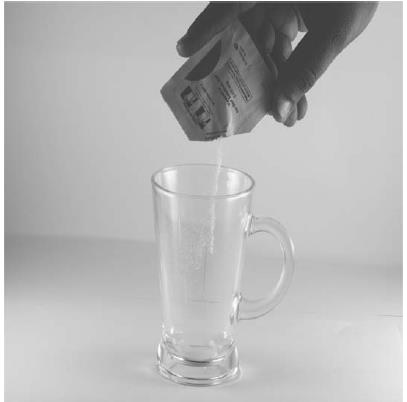
An instructional illustration showing a person pouring Vigabatrin powder for solution from a single-dose sachet into a clear glass cup, demonstrating preparation of the oral dosage form.*
FDA Label Image

Figure-b (Figure B)

Figure-b (Figure B)
An illustration showing two clear glass mugs side by side on a white surface. The mug on the right contains a clear liquid filled to about one-third the height of the mug, while the mug on the left is empty. The image likely depicts a dose measurement or preparation step related to oral solution.*
FDA Label Image

Figure-c (Figure C)

Figure-c (Figure C)
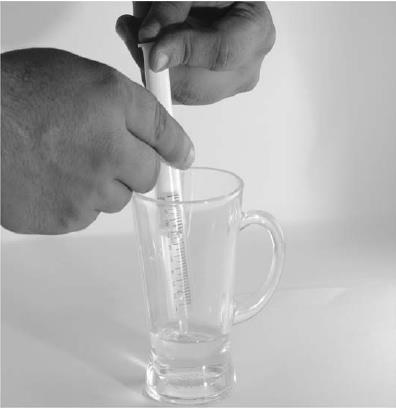
An instructional illustration showing a person holding a dosing syringe and placing it into a transparent glass filled with water. The image likely demonstrates mixing or dissolving Vigabatrin oral powder for solution prior to administration.*
FDA Label Image

Figure-d (Figure D)

Figure-d (Figure D)
Illustration of a hand holding a 10 mL oral dosing syringe, showing measurement markings for accurate liquid medication administration. The syringe is designed for oral use, typically used for dosing powdered medication reconstituted into solution form.*
FDA Label Image

Figure-e (Figure E)

Figure-e (Figure E)
An instructional image showing a hand holding a plastic dosing syringe marked with volume measurements in milliliters. The 10 mL line is specifically labeled on the syringe, highlighting the intended dose volume for oral administration of a solution.*
FDA Label Image

Figure-f (Figure F)

Figure-f (Figure F)
An illustration showing a hand holding a syringe or oral dosing device being inserted into an empty clear glass cup. The image appears instructional, likely related to measuring or preparing an oral liquid medication dose.*
FDA Label Image

Figure-g (Figure G)

FDA Label Image

Figure-h (Figure H)

Figure-h (Figure H)
An illustrative photograph showing a person stirring powder dissolved in a clear liquid inside a transparent glass mug using a spoon or stirrer. This likely demonstrates the preparation or mixing of an oral solution medication.*
FDA Label Image

Figure-i (Figure I)

Figure-i (Figure I)
A grayscale image showing a hand holding a clear oral dosing syringe with measurement markings up to 10 mL. The syringe is used for accurate measurement and administration of liquid medication, likely related to the Vigabatrin oral powder solution preparation.*
FDA Label Image

Figure-j (Figure J)

Figure-j (Figure J)
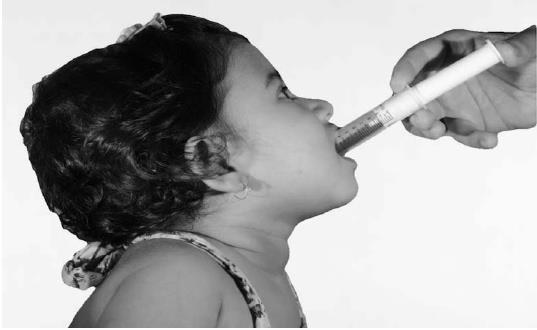
An instructional image showing a child receiving oral medication via a syringe. A hand is holding the syringe to the child's mouth, demonstrating the oral administration route for a liquid medication.*
FDA Label Image

Figure1 (Figure1)

Figure1 (Figure1)
A line graph showing percentage reduction in seizure frequency on the vertical axis and percentage of patients on the horizontal axis for Vigabatrin (VGB) at doses of 1g/day, 3g/day, and 6g/day compared to placebo. The graph demonstrates seizure frequency improvement or worsening across patient percentages for each treatment group.*
FDA Label Image

Figure2 (Figure2)

Figure2 (Figure2)
A line chart depicting the percentage reduction in seizure frequency among patients treated with placebo versus Vigabatrin at 3g/day. The x-axis represents the percentage of patients, while the y-axis shows the percentage reduction in seizure frequency. The chart indicates improvement, no change, or worsening in seizure frequency.*
FDA Label Image

Mix-1-dose (Mix 1 Dose)

Mix-1-dose (Mix 1 Dose)
Box of Vigabatrin powder for solution, 500 mg strength, shown between two glass cups. One cup is empty with a spoon inside and the other appears to contain liquid. Nearby are a large plastic syringe and a pair of scissors. The label shows the Vigabatrin name and 500 mg strength, produced by Dr. Reddy's Laboratories Inc.*
FDA Label Image

Sructure (Sructure)

Sructure (Sructure)
Chemical structure of Vigabatrin, showing its molecular configuration with an amino group, carboxyl group, and a vinyl substituent on a straight carbon chain.*
FDA Label Image

Carton (Carton)

Carton (Carton)
Packaging label for Vigabatrin for Oral Solution, USP 500 mg per packet in powder form for solution. The label indicates 50 packets per package and is distributed by Dr. Reddy's Laboratories Inc., Princeton, NJ, made in India. It includes directions to mix each packet with 10 mL of water and pharmacy instructions to dispense the enclosed Medication Guide to patients.*
FDA Label Image

Packet (Packet)

Packet (Packet)
Label for Vigabatrin powder for oral solution USP, 500 mg strength, manufactured by Dr. Reddy's Laboratories Inc. The label includes the NDC number 43598-697, preparation instructions, and a barcode. It states the product is Rx only and comes as 1 packet. The label also includes storage information and a note to dispense the enclosed medication guide to the patient.*
FDA Label Image

Syringe-details (Syringe Details)

Syringe-details (Syringe Details)
An instructional illustration of a clear plastic syringe labeled with parts including plunger, barrel, dosage indicators, bottom of plunger, and tip. The syringe is marked with measurement lines for precise dosage indication.*

* About these descriptions: Image descriptions on this page are generated by automated AI analysis of the product label images from the manufacturer's FDA label submission (SPL). They are provided for reference only and may contain errors or omissions. Always rely on the printed label itself and the official FDA labeling, and consult a pharmacist or healthcare professional with any questions about this product.