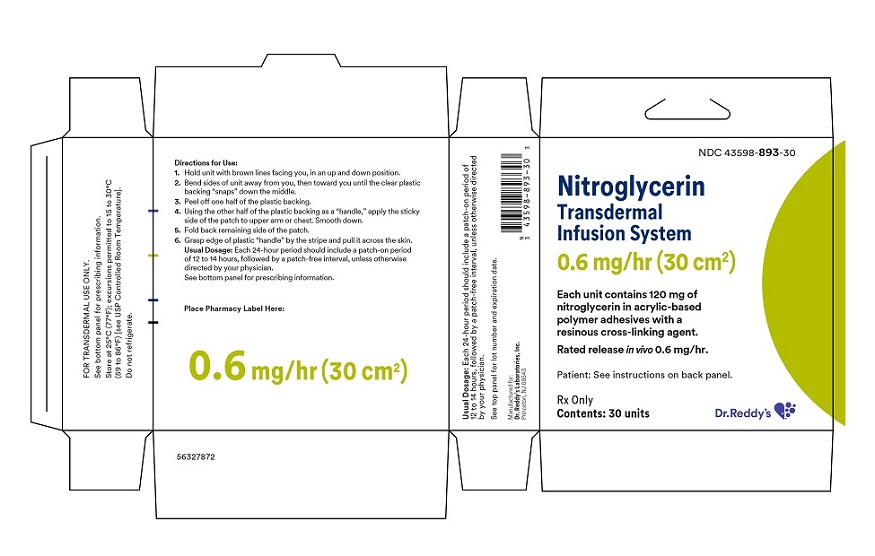
Please read this instruction on sheet carefully before using nitroglycerin transdermal infusion system
Information for the Patient About—
Nitroglycerin Transdermal Infusion System
Summary
The nitroglycerin transdermal infusion system is a unique method of administering nitroglycerin to the bloodstream. Nitroglycerin transdermal infusion system eliminates the swallowing of pills or the application of a messy ointment. Nitroglycerin is a medication your doctor has prescribed for you to help reduce the frequency and severity of angina attacks (chest pain).
How your nitroglycein transdermal infusion system works
Nitroglycerin causes the veins (vessels that return blood to the heart) to relax so that the work load of the heart is reduced. This lowers the heart's oxygen needs.
As a result, the heart muscle is well nourished and the frequency of angina attacks is reduced. Nitroglycerin transdermal infusion system is applied directly to the skin. The nitroglycerin passes from the adhesive surface through the skin—allowing medication to be absorbed directly into the bloodstream. This manner of delivering medicine to your bloodstream provides you with nitroglycerin with one daily application of a nitroglycerin transdermal infusion system unit.
Instructions for use
Placement area
Select a reasonably hair-free application site. Avoid extremities below the knee or elbow, skin folds, scar tissue, burned or irritated areas.

Placement Area Image (Nitroglycerin Patch 03)
Application
Wash hands before applying.

Application Figure Image (Nitroglycerin Patch 04)
Hold the unit with brown lines facing you, in an up and down position.
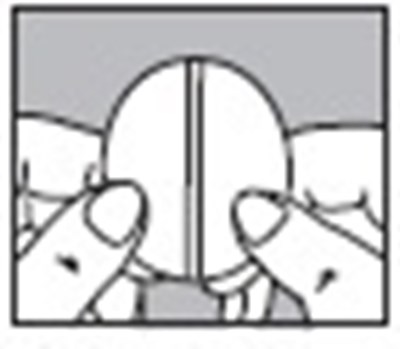
Application Figure Image (Nitroglycerin Patch 05)
Bend the sides of unit away from you, then toward you until you hear the "SNAP".
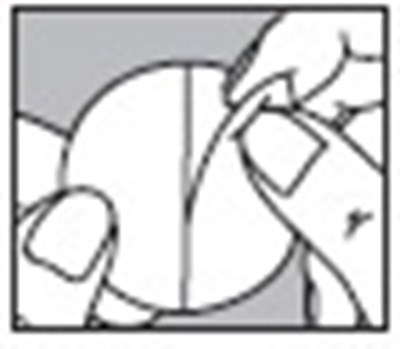
Application Figure Image (Nitroglycerin Patch 06)
Peel off one side of the plastic backing.
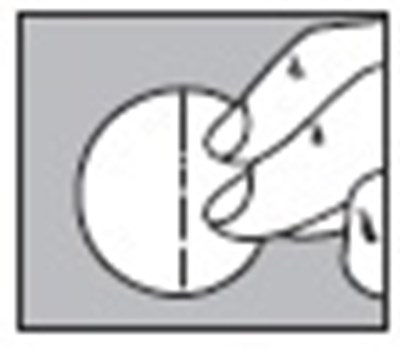
Application Figure Image (Nitroglycerin Patch 07)
Using the other half of the backing as a handle, apply the sticky side of the patch to the skin.
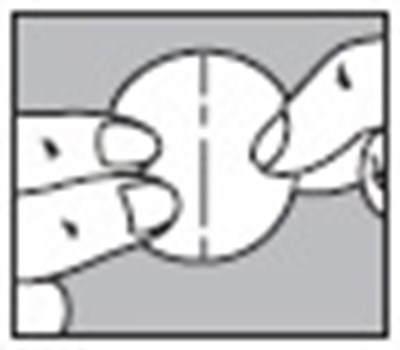
Application Figure Image (Nitroglycerin Patch 08)
Press the sticky side on the skin, and smooth down.
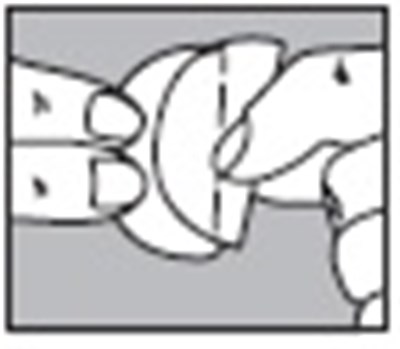
Application Figure Image (Nitroglycerin Patch 09)
Fold back the remaining side of the patch. Grasp the edge of the plastic applicator by the stripe, and pull it across the skin.
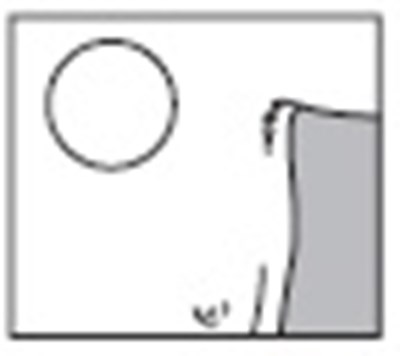
Application Figure Image (Nitroglycerin Patch 10)
Removal
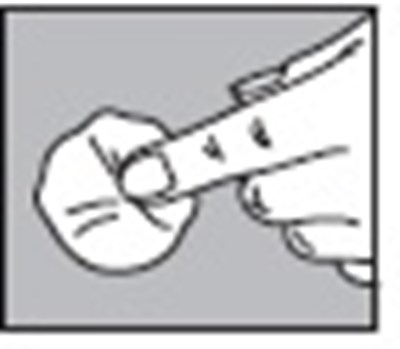
Removal Figure Image (Nitroglycerin Patch 11)
Press down on the center of the system to raise its outer edge away from the skin.
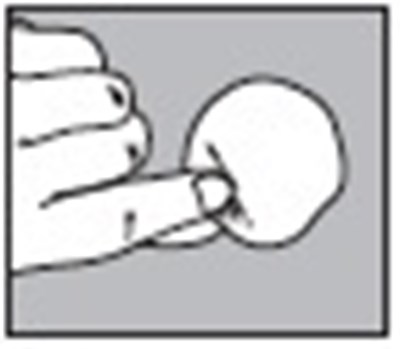
Removal Figure Image (Nitroglycerin Patch 12)
Grasp the edge gently, and slowly peel the unit away from skin.
Wash skin area with soap and water. Towel dry. Wash hands. You may use a different application site every
day.
Skin care
- After you remove the nitroglycerin transdermal infusion system, your skin may feel warm and appear red. This is normal. The redness will disappear in a short time. If the area feels dry, you may apply a soothing lotion.
- Any redness or rash that does not disappear should be called to your doctor's attention.
Cautions
If your doctor has prescribed "under-the-tongue" nitroglycerin tablets in addition to the nitroglycerin transdermal infusion system, you should sit down before taking the "under-the-tongue" tablet. If dizziness should occur, notify your doctor. This may be an indication that the "under-the-tongue" tablet dosage needs to be reduced.
Possible side effects
The most common side effect experienced by people taking nitroglycerin is headache. Your doctor may tell you to take a mild analgesic to relieve the headache.
Some people may experience dizziness. This is due to a slight decrease in blood pressure, which is usually experienced when a person changes position, from lying flat to sitting upright or from sitting to standing. If this occurs, sit down until the dizziness stops, then notify your doctor.
He or she may wish to reduce your nitroglycerin transdermal infusion system dosage. In some people, nitroglycerin preparations may cause the skin to feel flushed or the heart to beat faster. If this should occur, notify your doctor; again, he or she may wish to change your nitroglycerin transdermal infusion system dosage.
The nitroglycerin transdermal infusion system is a unique drug that depends on direct contact with the skin to work. For this reason, the skin should be reasonably hair-free, clean, and dry.
Other information
- Allow nitroglycerin transdermal infusion system to stay in place as directed by your doctor.
- Showering is permitted with nitroglycerin transdermal infusion system in place.
- The nitroglycerin transdermal infusion system should be kept out of reach of children and pets.
- Store at room temperature 77°F (25°C).
- The nitroglycerin transdermal infusion system is boxed so that you have a 30-day supply. Be sure to check your supply periodically. Before it runs low, you should visit your pharmacist for a refill or ask your doctor to renew your nitroglycerin transdermal infusion system prescription.
- It is important that you do not miss a day of your nitroglycerin transdermal infusion system therapy. If your schedule needs to be changed, your doctor will give you special instructions.
- The nitroglycerin transdermal infusion system has been prescribed for you. Do not give your medication to anyone else.
- The nitroglycerin transdermal infusion system is for prevention of angina; not for treatment of an acute angina attack.
- Notify your doctor if angina attacks change for the worse.