The following adverse reactions have been reported during postmarketing use of immune globulin products:5
- Infusion reactions: Wheezing, rigors, myalgia
- Renal: Osmotic nephropathy
- Respiratory: Apnea, Acute Respiratory Distress Syndrome (ARDS), cyanosis, hypoxemia, pulmonary edema, bronchospasm
- Cardiovascular: Cardiac arrest, vascular collapse, hypotension
- Neurological: Coma, loss of consciousness, seizures, aseptic meningitis syndrome
- Integumentary: Stevens-Johnson syndrome, epidermolysis, erythema multiforme, dermatitis (e.g., bullous dermatitis)
- Hematologic: Pancytopenia, leukopenia, hemolysis, positive direct antiglobulin (Coombs') test
- Gastrointestinal: Hepatic dysfunction
To report SUSPECTED ADVERSE REACTIONS, contact CSL Behring Pharmacovigilance at 1-866-915-6958 or FDA at 1-800-FDA-1088 or www.fda.gov/medwatch.
Risk Summary
No human data are available to indicate the presence or absence of drug-associated risk. Animal reproduction studies have not been conducted with HIZENTRA. It is not known whether HIZENTRA can cause fetal harm when administered to a pregnant woman or can affect reproduction capacity. Immune globulins cross the placenta from maternal circulation increasingly after 30 weeks of gestation. HIZENTRA should be given to pregnant women only if clearly needed. In the U.S. general population, the estimated background risk of major birth defects and miscarriage in clinically recognized pregnancies is 2-4% and 15-20%, respectively.
Risk Summary
No human data are available to indicate the presence or absence of drug-associated risk. The developmental and health benefits of breastfeeding should be considered along with the mother's clinical need for HIZENTRA and any potential adverse effects on the breastfed infant from HIZENTRA or from the underlying maternal condition.
Treatment of Primary Immunodeficiency
Clinical Studies (Weekly Dosing)
The safety and effectiveness of weekly HIZENTRA have been established in the pediatric age groups 2 to 16. HIZENTRA was evaluated in 10 pediatric subjects with PI (3 children and 7 adolescents) in a study conducted in the U.S. [see Clinical Studies (14)] and in 23 pediatric subjects with PI (18 children and 5 adolescents) in Europe. There were no differences in the pharmacokinetics, safety and efficacy profiles as compared with adult subjects. No pediatric-specific dose requirements were necessary to achieve the desired serum IgG levels.
Pharmacokinetic Modeling and Simulation (Biweekly or more Frequent Dosing)
The biweekly (every 2 weeks) or more frequent dosing (2 to 7 times per week) regimens, developed from population PK-based modeling and simulation, included 57 pediatric subjects (32 from HIZENTRA clinical studies) [see Clinical Pharmacology (12.3)]. HIZENTRA dosing is adjusted to body weight. No pediatric-specific dose requirements are necessary for these regimens.
Safety and effectiveness of HIZENTRA in pediatric patients below the age of 2 have not been established.
Treatment of Chronic Inflammatory Demyelinating Polyneuropathy
The safety and effectiveness of HIZENTRA have not been established in patients with CIDP who are under the age of 18.
Treatment of Primary Immunodeficiency
Of the 49 subjects evaluated in the U.S. clinical study of HIZENTRA, 6 subjects were 65 years of age or older. No overall differences in safety or efficacy were observed between these subjects and subjects 18 to 65 years of age. The clinical study of HIZENTRA in Europe did not include subjects over the age of 65.
Treatment of Chronic Inflammatory Demyelinating Polyneuropathy
Of the 172 subjects evaluated in the SC treatment period of a global study (HIZENTRA vs placebo), 50 subjects were >65 years of age (34 HIZENTRA and 16 placebo subjects). No overall differences in safety or efficacy were observed between these subjects and subjects 18 to 65 years of age.
Treatment of Primary Immunodeficiency
Clinical Studies
The pharmacokinetics (PK) of HIZENTRA was evaluated in a PK substudy of subjects (14 adults, 1 pediatric subject aged 6 to <12 years, and 3 adolescent subjects aged 12 to <16 years) with PI participating in the 15-month efficacy and safety study [see Clinical Studies (14)]. All PK subjects were treated previously with PRIVIGEN®, Immune Globulin Intravenous (Human), 10% Liquid and were switched to weekly subcutaneous treatment with HIZENTRA. After a 3-month wash-in/wash-out period, doses were adjusted individually with the goal of providing a systemic serum IgG exposure (area under the IgG serum concentration vs time curve; AUC) not inferior to that of the previous weekly-equivalent IGIV dose. Table 7 summarizes PK parameters for subjects in the substudy following treatment with HIZENTRA and IGIV.
Table 7. Pharmacokinetics Parameters of HIZENTRA and IGIV, PI U.S. Study | HIZENTRA | IGIV For IGIV: weekly-equivalent dose. (PRIVIGEN®) |
|---|
| AUC, area under the curve; CL, clearance. |
| Number of subjects | 18 | 18 |
| Dose (mg/kg) | | |
| Mean | 228 | 152 |
| Range | 141-381 | 86-254 |
| IgG peak levels (mg/dL) | | |
| Mean | 1616 | 2564 |
| Range | 1090-2825 | 2046-3456 |
| IgG trough levels (mg/dL) | | |
| Mean | 1448 | 1127 |
| Range | 952-2623 | 702-1810 |
| AUC Standardized to a 7-day period. (day × mg/dL) | | |
| Mean | 10560 | 10320 |
| Range | 7210-18670 | 8051-15530 |
| CL Apparent clearance (CL/F) for HIZENTRA (F = bioavailability) (mL/day/kg) | | |
| Mean | 2.2 | 1.3 Based on n=25 from the U.S. PRIVIGEN PI study. |
| Range | 1.2-3.7 | 0.9-2.1 |
For the 19 subjects completing the wash-in/wash-out period, the average dose adjustment for HIZENTRA was 153% (range: 126% to 187%) of the previous weekly-equivalent IGIV dose. After 12 weeks of treatment with HIZENTRA at this individually adjusted dose, the final steady-state AUC determinations were made in 18 of the 19 subjects. The geometric mean ratio of the steady-state AUCs, standardized to a weekly treatment period, for HIZENTRA vs IGIV treatment was 1.002 (range: 0.77 to 1.20) with a 90% confidence limit of 0.951 to 1.055 for the 18 subjects.
With HIZENTRA, peak serum levels are lower (1616 vs 2564 mg/dL) than those achieved with IGIV while trough levels are generally higher (1448 vs 1127 mg/dL). In contrast to IGIV administered every 3 to 4 weeks, weekly subcutaneous administration results in relatively stable steady-state serum IgG levels.13,14 After the subjects had reached steady-state with weekly administration of HIZENTRA, peak serum IgG levels were observed after a mean of 2.9 days (range: 0 to 7 days) in 18 subjects.
Table 8 summarizes PK parameters at steady state for pediatric subjects (age groups: 6 to <12 years and 12 to <16 years) and adult subjects (≥16 years) in the European HIZENTRA study following weekly treatment [see Clinical Studies (14.1)]. Pediatric PK parameters are similar to those of adult subjects; thus no pediatric specific dose requirements are needed for HIZENTRA dosing.
Table 8. Pediatric Pharmacokinetics Parameters of HIZENTRA, PI European Study | Age Group | Age Group | Age Group | |
|---|
| 6 to <12 years
(n=9) | 12 to <16 years
(n=3) | 16 to <65 years
(n=11) | Total
(n=23) |
|---|
| AUC0-7d, area under the curve for the 7-day dosing interval; CL, apparent clearance (CL/F) (F = bioavailability). |
| Dose (mg/kg) | | | | |
| Mean | 120 | 115 | 117 | 118 |
| Range | 71-170 | 72-150 | 87-156 | 71-170 |
| IgG trough levels (mg/dL) | | | | |
| Mean | 731 | 764 | 754 | 746 |
| Range | 531-915 | 615-957 | 505-898 | 505-957 |
| AUC0-7d (day × mg/dL) | | | | |
| Mean | 5230 | 5491 | 5452 | 5370 |
| Range | 3890-6950 | 4480-6750 | 3860-6810 | 3860-6950 |
| CL (mL/day/kg) | | | | |
| Mean | 2.19 | 2.17 | 2.30 | 2.23 |
| Range | 1.57-3.05 | 1.38-3.34 | 1.82-3.01 | 1.38-3.34 |
Pharmacokinetic Modeling and Simulation
Biweekly (Every 2 Weeks) or more Frequent Dosing
Pharmacokinetic characterization of biweekly or more frequent dosing of HIZENTRA was undertaken using population PK-based modeling and simulation. Serum IgG concentration data consisted of 3837 samples from 151 unique pediatric and adult subjects with PI from four clinical studies of IGIV (PRIVIGEN®) and/or HIZENTRA. Of the 151 subjects, 94 were adult subjects (63 from HIZENTRA clinical studies) and 57 were pediatric subjects (32 from HIZENTRA clinical studies). Compared with weekly administration, PK modeling and simulation predicted that administration of HIZENTRA on a biweekly basis at double the weekly dose results in comparable IgG exposure [equivalent AUCs, with a slightly higher IgG peak (Cmax) and slightly lower trough (Cmin)]. In addition, PK modeling and simulation predicted that for the same total weekly dose, HIZENTRA infusions given 2, 3, 5, or 7 times per week (frequent dosing) produce IgG exposures comparable to weekly dosing [equivalent AUCs, with a slightly lower IgG peak (Cmax) and slightly higher trough (Cmin)]. Frequent dosing reduces the peak-to-trough variation in HIZENTRA serum levels, thus resulting in more sustained IgG exposures. See Table 9 (columns for AUC, Cmax and Cmin).
Dose Adjustment Factor
Using data from four clinical studies, results of model-based simulations demonstrated that weekly or biweekly HIZENTRA dosing regimens with an IGIV:IGSC dose adjustment factor of 1:1.37 adequately maintain median AUC0-28days and Cmin ratios at ≥90% of values observed with 4-weekly IGIV dosing. See Table 9 (top two rows).
Prediction of Trough Levels Following Regimen Changes
PK modeling and simulation also predicted changes in trough levels after switching from (a) monthly IGIV to weekly or biweekly HIZENTRA dosing, (b) weekly to biweekly HIZENTRA dosing, or (c) weekly to more frequent dosing. Table 9 (last column) shows the predicted changes in steady-state IgG trough levels after switching between the various dosing regimens.
Table 9. Predicted RatiosRatios are based on comparison of second regimen vs. first regimen.
[Median (5th, 95th percentiles)] of AUC, Cmax and Cmin and Changes in IgG Trough Levels after Switching Between IgG Dosing Regimens for Primary Humoral Immune Deficiency| IgG Dosing Regimen Switch | AUC | Cmax | Cmin | Predicted Change in Trough Approximate change in trough based on predicted median Cmin ratio. |
|---|
| From: | To: |
|---|
| AUC, area under the curve, calculated as AUC0-28days for the IGIV to HIZENTRA switches, AUC0-14days for the weekly to biweekly HIZENTRA switch, and AUC0-7days for weekly to more frequent HIZENTRA switches; Cmax, maximum IgG concentration; Cmin, minimum IgG concentration during a 28-day period (for the IGIV to HIZENTRA switches), a 14-day period (for the weekly to biweekly HIZENTRA switch), or a 7-day period (for the weekly to more frequent HIZENTRA switches). |
| IGIV | Weekly HIZENTRA Weekly dose based on dose adjustment factor of 1.37 when switching from IGIV. | 0.97
(0.90, 1.04) | 0.68
(0.60, 0.76) | 1.16
(1.07, 1.26) | 16% increase |
| IGIV | Biweekly HIZENTRA Biweekly dose = 2× weekly dose, based on dose adjustment factor of 1.37 when switching from IGIV. | 0.97
(0.91, 1.04) | 0.71
(0.63, 0.78) | 1.10
(1.02, 1.18) | 10% increase |
| Weekly HIZENTRA | Biweekly HIZENTRA | 1.00
(0.98, 1.03) | 1.06
(1.02, 1.09) | 0.95
(0.92, 0.98) | 5% decrease |
| Weekly HIZENTRA | 2 times per week HIZENTRA | 1.01
(0.98, 1.03) | 0.99
(0.96, 1.02) | 1.03
(1.00, 1.06) | 3% increase |
| Weekly HIZENTRA | 3 times per week HIZENTRA | 1.01
(0.98, 1.03) | 0.99
(0.96, 1.02) | 1.04
(1.01, 1.07) | 4% increase |
| Weekly HIZENTRA | 5 times per week HIZENTRA (daily for 5 days) | 1.01
(0.98, 1.03) | 0.99
(0.97, 1.01) | 1.04
(1.01, 1.06) | 4% increase |
| Weekly HIZENTRA | Daily HIZENTRA (7 times per week) | 1.00
(0.98, 1.03) | 0.98
(0.95, 1.01) | 1.04
(1.02, 1.08) | 4% increase |
PI Pediatric Pharmacokinetics
PK-based modeling and simulation results indicate that, similar to observations from the clinical study with weekly HIZENTRA dosing (Table 8), body weight-adjusted biweekly dosing accounted for age-related (>3 years) differences in clearance of HIZENTRA, thereby maintaining systemic IgG exposure (AUC values) in the therapeutic range.
Treatment of Chronic Inflammatory Demyelinating Polyneuropathy
PATH Study
In the PATH study, subjects (n=172) achieved sustained trough levels over a period of 24 weeks when receiving weekly doses of 0.2 g/kg body weight and 0.4 g/kg body weight, respectively. The mean (SD) IgG trough concentration after 24 weeks of HIZENTRA treatment in the 0.2 g/kg body weight group was 15.3 (2.57) g/L and in the 0.4 g/kg body weight group was 20.8 (3.23) g/L.
PATH Extension Study
A total of 82 subjects were enrolled in the PATH Extension study. The mean serum IgG concentration remained stable at approximately 20 g/L until Week 33, after this period it decreased to 17.1 g/L. The Week 33 decrease in IgG level matched the level in subjects being down titrated from 0.4 g/kg to 0.2 g/kg at Week 25. The mean IgG level decreased by 19% from enrollment into the extension study for subjects who remained stable after down-titrating to 0.2 g/kg versus the 0.4 g/kg dosing. The mean IgG level decreased by 27% from enrollment into the extension study for subjects who relapsed after down-titrating to 0.2 g/kg versus 0.4 g/kg dosing. The mean (SD) IgG level increased to 20.2 (3.59) g/L at the end of the study for subjects who relapsed on 0.2 g/kg and up-titrated to 0.4 g/kg dosing.
U.S. Study
A prospective, open-label, multicenter, single-arm, clinical study conducted in the U.S. evaluated the efficacy, tolerability, and safety of HIZENTRA in 49 adult and pediatric subjects with PI. Subjects previously receiving monthly treatment with IGIV were switched to weekly subcutaneous administration of HIZENTRA for 15 months. Following a 3-month wash-in/wash-out period, subjects received a dose adjustment to achieve an equivalent AUC to their previous IGIV dose [see Clinical Pharmacology (12.3)] and continued treatment for a 12-month efficacy period. The efficacy analyses included 38 subjects in the modified intention-to-treat (MITT) population. The MITT population consisted of subjects who completed the wash-in/wash-out period and received at least one infusion of HIZENTRA during the efficacy period.
Although 5% of the administered doses could not be verified, the weekly median doses of HIZENTRA ranged from 72 to 379 mg/kg body weight during the efficacy period. The mean dose was 213.2 mg/kg, which was 149% of the previous IGIV dose.
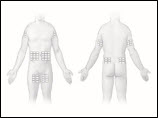
In the study, the number of infusion sites per infusion ranged from 1 to 12. In 73% of infusions, the number of infusion sites was 4 or fewer. Up to 4 simultaneous infusion sites were permitted using 2 pumps; however, more than 4 sites could be used consecutively during one infusion. The infusion flow rate did not exceed 50 mL per hour for all infusion sites combined. During the efficacy period, the median duration of a weekly infusion ranged from 1.6 to 2.0 hours.
The study evaluated the annual rate of serious bacterial infections (SBIs), defined as bacterial pneumonia, bacteremia/septicemia, osteomyelitis/septic arthritis, bacterial meningitis, and visceral abscess. The study also evaluated the annual rate of any infections, the use of antibiotics for infection (prophylaxis or treatment), the days out of work/school/kindergarten/day care or unable to perform normal activities due to infections, hospitalizations due to infections, and serum IgG trough levels.
Table 10 summarizes the efficacy results for subjects in the efficacy period (MITT population) of the study. No subjects experienced an SBI in this study.
Table 10. Summary of Efficacy Results (MITT Population)| Number of subjects (efficacy period) | 38 |
| Total number of subject days | 12,697 |
| Infections | |
| Annual rate of SBIs Defined as bacterial pneumonia, bacteremia/septicemia, osteomyelitis/septic arthritis, bacterial meningitis, and visceral abscess. | 0 SBIs per subject year Upper 99% confidence limit: 0.132. |
| Annual rate of any infections | 2.76 infections/subject year 95% confidence limits: 2.235; 3.370. |
| Antibiotic use for infection (prophylaxis or treatment) | |
| Number of subjects (%) | 27 (71.1) |
| Annual rate | 48.5 days/subject year |
| Total number of subject days | 12,605 |
| Days out of work/school/kindergarten/day care or unable to perform normal activities due to infections | |
| Number of days (%) | 71 (0.56) |
| Annual rate | 2.06 days/subject year |
| Hospitalizations due to infections | |
| Number of days (%) | 7 (0.06) Based on 1 subject. |
| Annual rate | 0.2 days/subject year |
The mean IgG trough levels increased by 24.2%, from 1009 mg/dL prior to the study to 1253 mg/dL during the efficacy period.
European Study
In a prospective, open-label, multicenter, single-arm, clinical study conducted in Europe, 51 adult and pediatric subjects with PI switched from monthly IGIV (31 subjects) or weekly IGSC (20 subjects) to weekly treatment with HIZENTRA. For the 46 subjects in the efficacy analysis, the weekly mean dose in the efficacy period was 120.1 mg/kg (range 59 to 243 mg/kg), which was 104% of the previous weekly equivalent IGIV or weekly IGSC dose.
None of the subjects had an SBI during the efficacy period, resulting in an annualized rate of 0 (upper one-sided 99% confidence limit of 0.192) SBIs per subject. The annualized rate of any infections was 5.18 infections per subject for the efficacy period.
PATH Study
A multicenter, double-blind, randomized, placebo-controlled, parallel-group phase 3 study evaluated the efficacy, safety, and tolerability of 2 different weekly doses of HIZENTRA (0.4 g/kg body weight and 0.2 g/kg body weight) versus placebo in 172 adult subjects with CIDP and previously treated with IGIV (PATH study). The mean treatment duration was 129 days in the 0.4 g/kg HIZENTRA group and 118.9 days in the 0.2 g/kg HIZENTRA group (treatment duration up to 166 and 167 days in each group, respectively). Subjects generally used 4 infusion sites in parallel (maximum: 8 sites in parallel). Subjects infused an average of 20 mL per infusion site (maximum: 50 mL/site) with an infusion rate of 20 mL/h (maximum: 50 mL/h) and volumes up to 140 mL per infusion session. The infusion time was approximately 1 hour.
The main endpoint was the percentage of subjects who had a CIDP relapse or were withdrawn for any other reason during the SC Treatment Period. CIDP relapse was defined as a ≥1 point increase in adjusted Inflammatory Neuropathy Cause and Treatment [INCAT] score compared with baseline. Both HIZENTRA doses demonstrated superiority over placebo for the main endpoint (32.8% for 0.4 g/kg HIZENTRA and 38.6% for 0.2 g/kg HIZENTRA compared with 63.2% for placebo, p<0.001 or p=0.007, respectively), with no statistically significant difference between the doses. When only considering relapse, the CIDP relapse rates were 19.0% for 0.4 g/kg HIZENTRA and 33.3% for 0.2 g/kg HIZENTRA compared with 56.1% for placebo (p<0.001 or p=0.012, respectively), with no statistically significant difference between the doses. Eighty one percent (81%) and 67% of HIZENTRA-treated subjects remained relapse-free (0.4 g/kg body weight and 0.2 g/kg body weight, respectively); 44% of placebo subjects remained relapse-free for up to 24 weeks.
A Kaplan-Meier Plot of time to CIDP relapse or withdrawal for any other reason is shown in Figure 1.
Figure 1. Kaplan-Meier Plot Time to CIDP Relapse or Withdrawal for Any Other Reason
Subjects in both HIZENTRA dose groups remained relatively stable while subjects in the placebo group deteriorated in mean INCAT score, mean grip strength, mean Medical Research Council sum score, and mean Rasch-built Overall Disability Scale (R-ODS) centile score.
PATH Extension Study
The PATH Extension study was a multicenter, 48-week, open-label extension study that evaluated the long-term safety and efficacy of HIZENTRA 0.2 g/kg and 0.4 g/kg doses in the maintenance treatment of CIDP in subjects who either completed or were being successfully rescued from CIDP relapse with IGIV treatment in the PATH study.
A total of 82 subjects were enrolled. In the study, subjects who started on a HIZENTRA 0.2 g/kg dose were up-titrated to 0.4 g/kg dose if they relapsed. In the case of no relapse, subjects remained at a dose of 0.2 g/kg. Subjects who started on a HIZENTRA 0.4 g/kg dose were down-titrated to 0.2 g/kg dose after 24 weeks of treatment and subjects who relapsed on a HIZENTRA 0.2 g/kg dose were up-titrated to a 0.4 g/kg dose. Due to the study design, the same subject could have received both doses during the study; 72 subjects received doses of 0.4 g/kg, and 73 subjects received doses of 0.2 g/kg during the efficacy evaluation period.
Subjects who completed the PATH study without relapse on a 0.4 g/kg dose and initially received this dose in the PATH extension study, had a relapse rate of 5.6% (1/18 subjects). Subjects who completed the PATH study without relapse on a 0.2 g/kg dose and initially received this dose in the extension study had a relapse rate of 50% (3/6 subjects).
For all subjects who received 0.4 g/kg in the PATH Extension study, 9.7% (7/72 subjects) had a relapse. For all subjects who received 0.2 g/kg in the PATH extension study, 47.9% (35/73 subjects) had a relapse.
After down-titrating from HIZENTRA 0.4 g/kg to 0.2 g/kg, 50% (26/52) of subjects relapsed, of whom 92% (24/26) recovered after returning to HIZENTRA 0.4 g/kg. A total of 35 subjects relapsed on HIZENTRA 0.2 g/kg dose, of which 89% (31/35) subjects recovered after returning to 0.4 g/kg dose.
Both the PATH and PATH Extension studies demonstrated that HIZENTRA 0.2 g/kg or 0.4 g/kg dose was effective in preventing CIDP relapse when administered weekly with the HIZENTRA 0.4 g/kg dose more likely to prevent relapse.
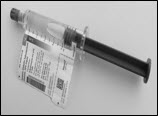
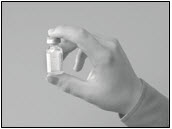
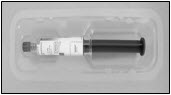
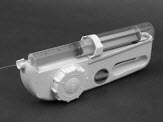
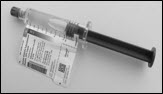
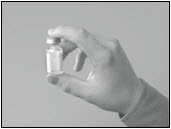
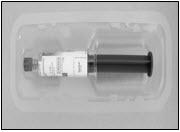
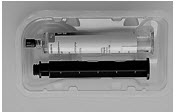
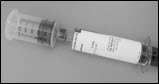
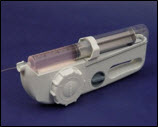
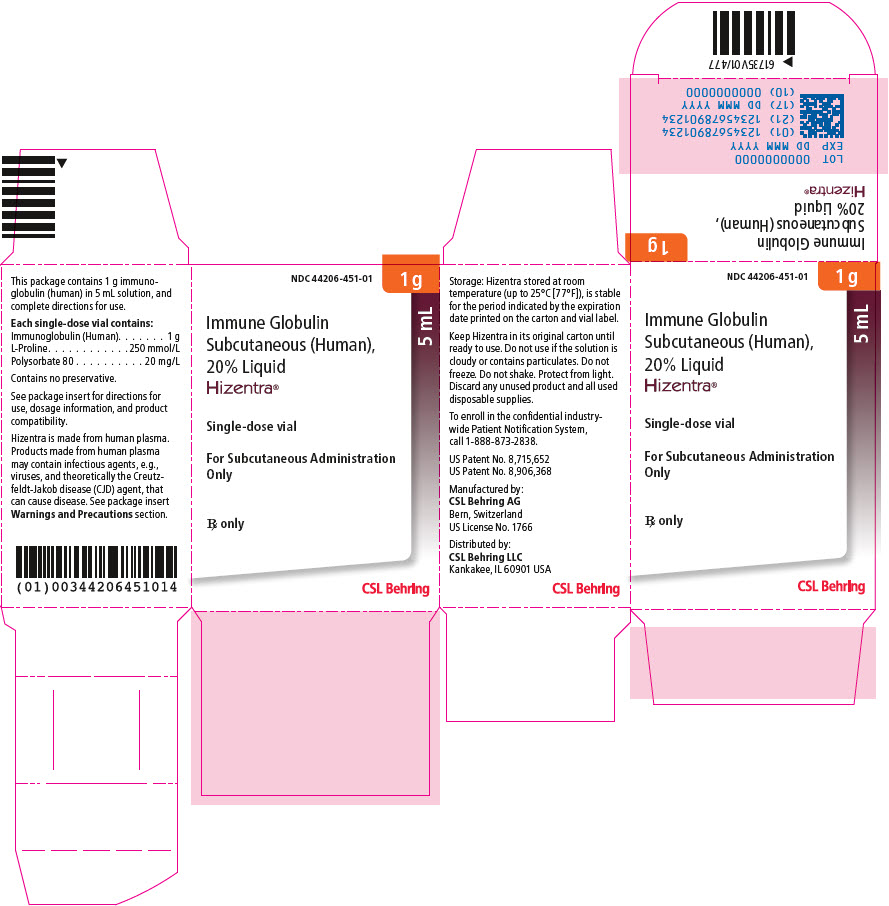
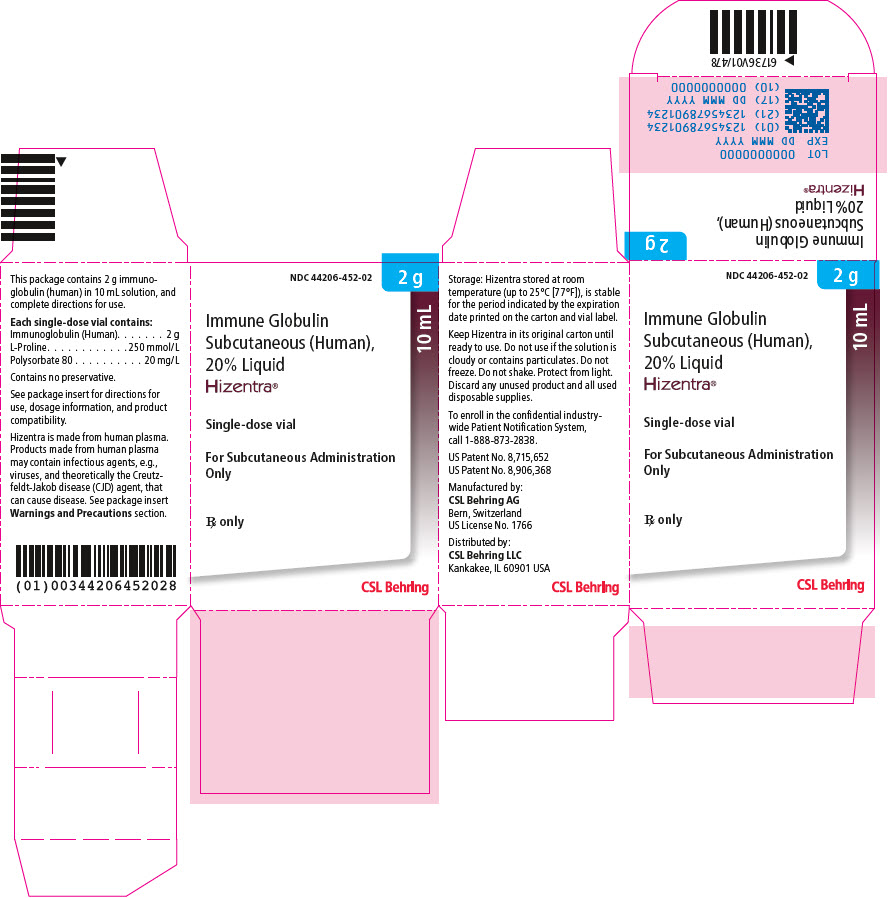
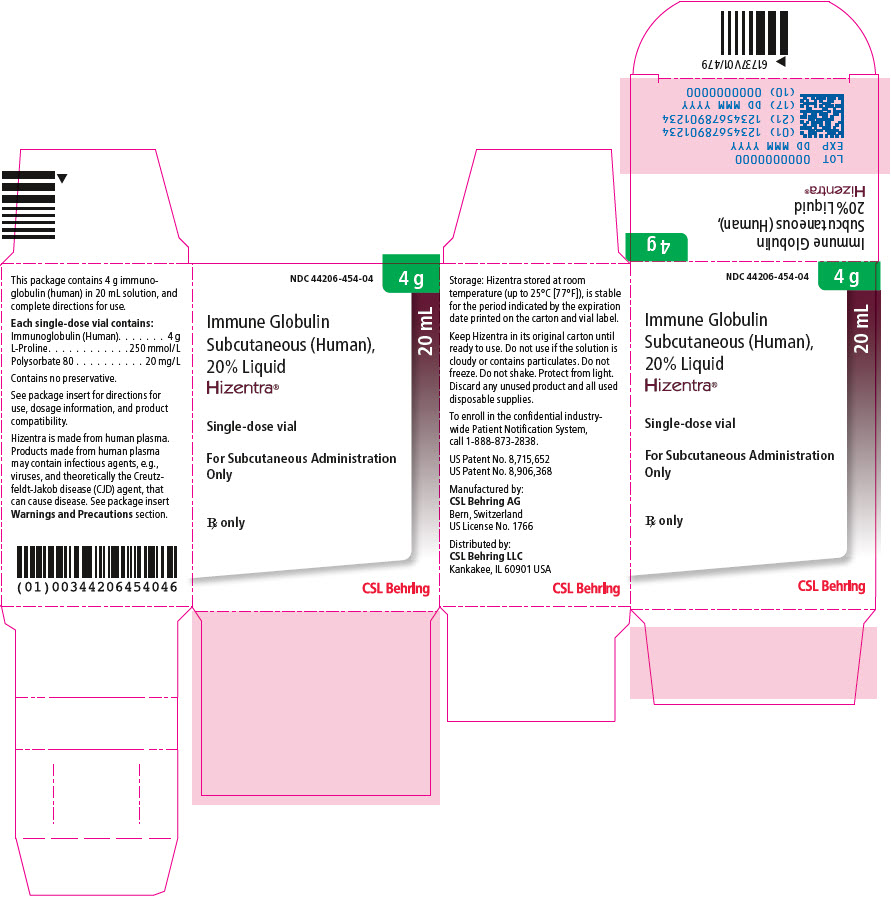
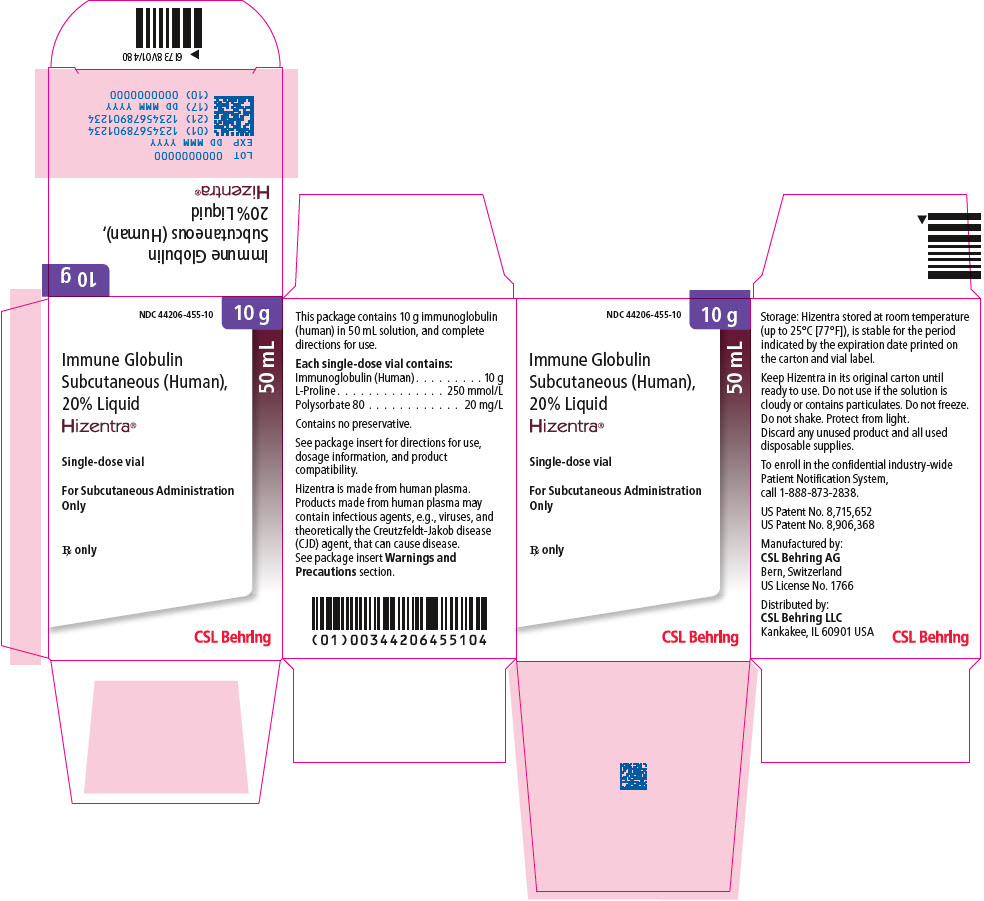
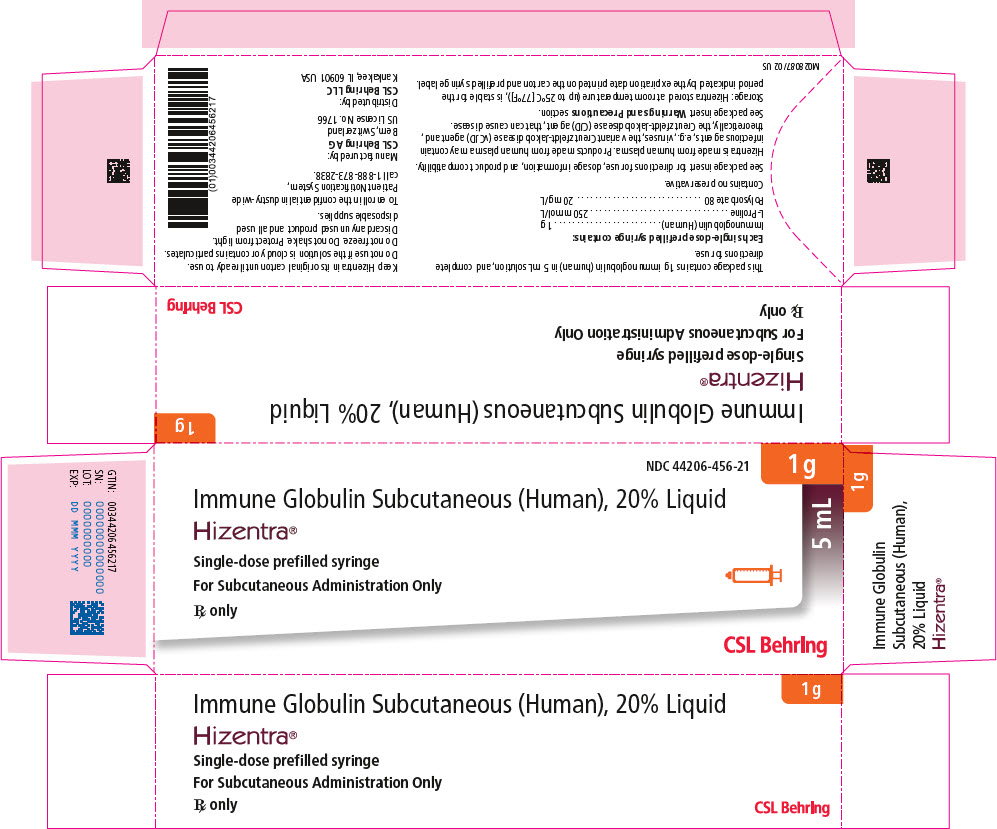
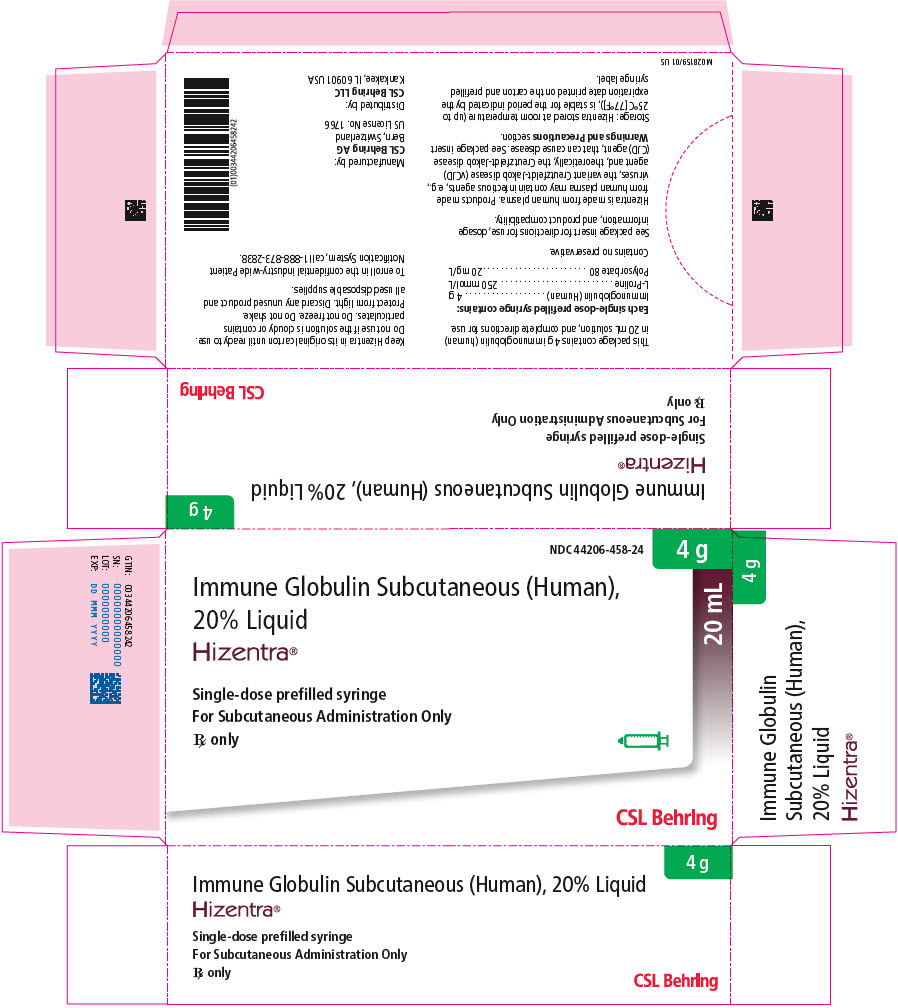
HIZENTRA is supplied in a prefilled syringe or a tamper-evident vial containing 0.2 grams of protein per mL of preservative-free liquid. The HIZENTRA packaging components are not made with natural rubber latex.
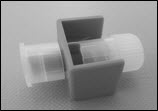
Each product presentation includes a package insert and the following components:
Table 11: How Supplied
Prefilled Syringes:
| Presentation | Carton NDC Number | Components |
|---|
| 5 mL | 44206-456-21 | Prefilled syringe containing 1 gram of protein (NDC 44206-456-94) |
| 10 mL | 44206-457-22 | Prefilled syringe containing 2 grams of protein (NDC 44206-457-95) |
| 20 mL | 44206-458-24 | Prefilled syringe containing 4 grams of protein (NDC 44206-458-96) with plunger rod. |
Vials:
| Presentation | Carton NDC Number | Components |
|---|
| 5 mL | 44206-451-01 | Vial containing 1 gram of protein (NDC 44206-451-90) |
| 10 mL | 44206-452-02 | Vial containing 2 grams of protein (NDC 44206-452-91) |
| 20 mL | 44206-454-04 | Vial containing 4 grams of protein (NDC 44206-454-92) |
| 50 mL | 44206-455-10 | Vial containing 10 grams of protein (NDC 44206-455-93) |
Home Treatment with Subcutaneous Administration
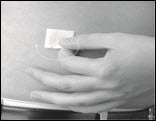
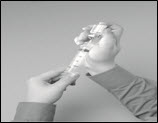
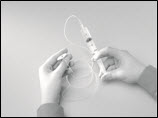
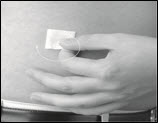
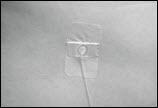
- If self-administration is deemed to be appropriate, ensure that the patient receives clear instructions and training on subcutaneous administration in the home or other appropriate setting and has demonstrated the ability to independently administer subcutaneous infusions.
- Ensure the patient understands the importance of adhering to their prescribed administration schedule to maintain appropriate steady IgG levels.
- Instruct patients to scan the prefilled syringe or vial if recording the infusion electronically and keep a diary/log book that includes information about each infusion such as, the time, date, dose, lot number(s) and any reactions.
- Inform the patient that mild to moderate local infusion-site reactions (e.g., swelling and redness) are a common side effect of subcutaneous therapy, but to contact their healthcare professional if a local reaction increases in severity or persists for more than a few days.
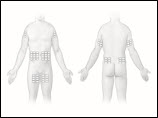
- Inform patients of the importance of having an infusion needle long enough to reach the subcutaneous tissue and of changing the actual site of infusion with each infusion. Explain that HIZENTRA is for subcutaneous infusion only.
- Inform patients to consider adjusting the infusion-site location, volume per site, and rate of infusion based on how infusions are tolerated.
- Inform patient to interrupt or terminate the HIZENTRA infusion if a hypersensitivity reaction occurs.
- Inform PI patients that they should be tested regularly to make sure they have the correct levels of HIZENTRA (IgG) in their blood. These tests may result in adjustments to the HIZENTRA dose.