Levetiracetam Injection
Product Images NDC 44567-503

View Photos of Packaging, Regulatory Labels, and Product Appearance

Product Visual Gallery

This gallery contains 9 technical images submitted to the FDA as part of the official labeling for Levetiracetam (NDC 44567-503). Unlike standard consumer photos, these assets often include clinical data figures, molecular chemical structures, and official manufacturer packaging layouts.

As provided by Wg Critical Care, Llc, these visuals offer a comprehensive scientific overview of the product's physical and chemical identity, aiding pharmacists and researchers in product verification and study.

FDA Label Image

250 mg Carton Label (Image 01)
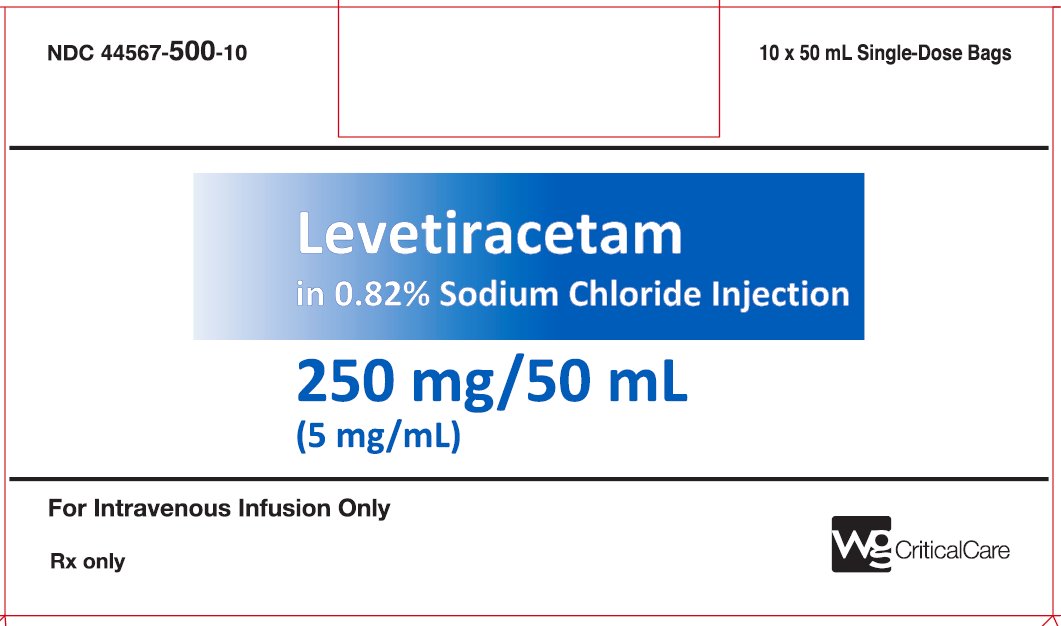
250 mg Carton Label (Image 01)
This is a prescription medication with National Drug Code (NDC) 44567-500-10. It comes in the form of 10 single-dose bags, each containing 50 mL of the medication. The concentration of the medication is 250mg/50mL or 5mg/mL. It is meant to be given through intravenous infusion.*
FDA Label Image

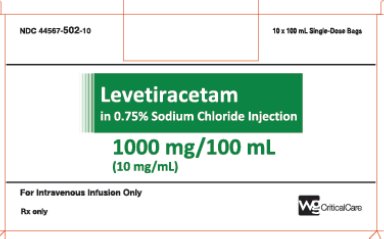
1000 mg Carton Label (Image 02)

1000 mg Carton Label (Image 02)
This appears to be a label for a medication, specifically a 0.75% Sodium Chloride Injection with a concentration of 1000mg/100mL. The medication is meant for intravenous use only. The label also includes the product code "50210" and the text "Noc wse7". However, it is unclear what these phrases refer to.*
FDA Label Image

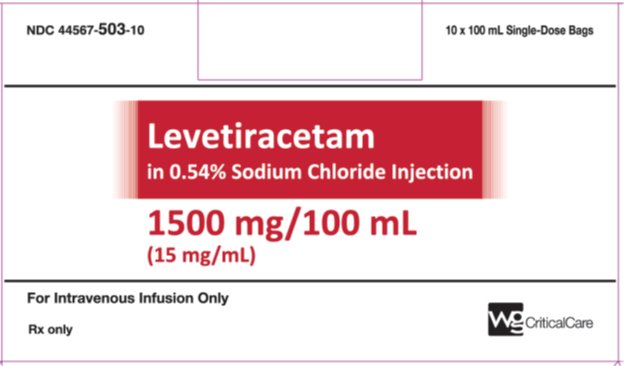
1500 mg Carton Label (Image 03)

1500 mg Carton Label (Image 03)
This is a medication for intravenous infusion only, containing Levetiracetam and Sodium Chloride. It comes in single-dose bags of 10100 mil with a concentration of 1500 mg/100 ml. The National Drug Code (NDC) is 44567-503-10.*
FDA Label Image

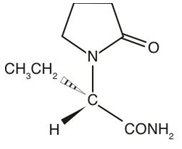
Levetiracetam Structural Formula (Image 04)

FDA Label Image

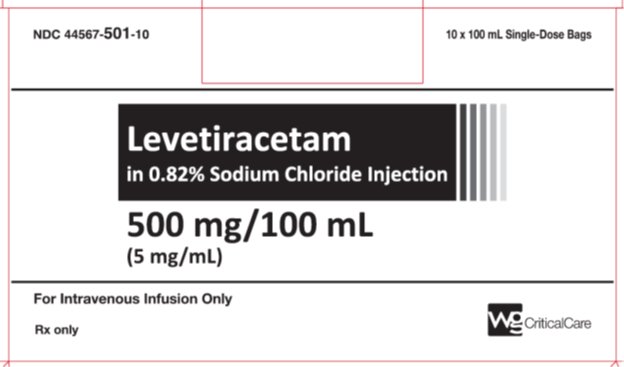
500 mg Carton Label (Image 05)

500 mg Carton Label (Image 05)
This is a medication product labeled NDC 44567-501-10 containing Levetiracetam drug substance in a solution of 0.82% Sodium Chloride Injection having a concentration of 500 mg/100 mL or 5 mg/mL. The package consists of 10 x 100 mL Single-Dose Bags intended for Intravenous Infusion Only. The product is only available with a prescription (Rx only).*
FDA Label Image

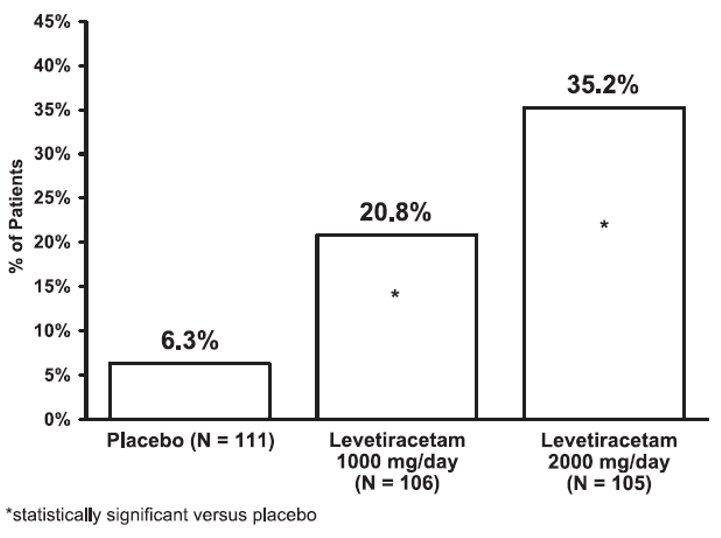
Figure 2: Responder Rate (≥50% Reduction From Baseline) In Study 2: Period A (Image 06)

Figure 2: Responder Rate (≥50% Reduction From Baseline) In Study 2: Period A (Image 06)
This is a table showing the percentage of patients who received a placebo or different doses of Levetiracetam medication. There are six rows that show percentages ranging from 45% to 5%. The table has three columns that show the type of medication given and the number of patients who received each medication. The footnote on the table indicates that statistically significant results were observed for the medication versus placebo.*
FDA Label Image

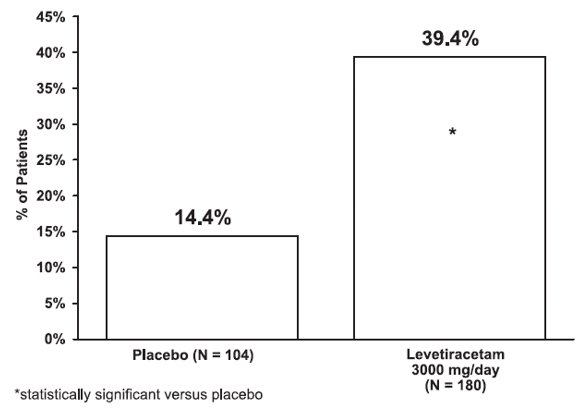
Figure 3: Responder Rate (≥50% Reduction From Baseline) In Study 3 (Image 07)

Figure 3: Responder Rate (≥50% Reduction From Baseline) In Study 3 (Image 07)
The text is describing a graph that shows the percentage of patients in different categories. There are percentages ranging from 0% to 45% with a note that reads "statistically significant versus placebo" at the bottom. Additionally, there are two categories labeled "Placebo" and "Levetiracetam 3000 mg/day" with the number of patients in each category (104 for Placebo and 180 for Levetiracetam). It is unclear what the graph shows exactly, but it appears to be related to medical treatment.*
FDA Label Image

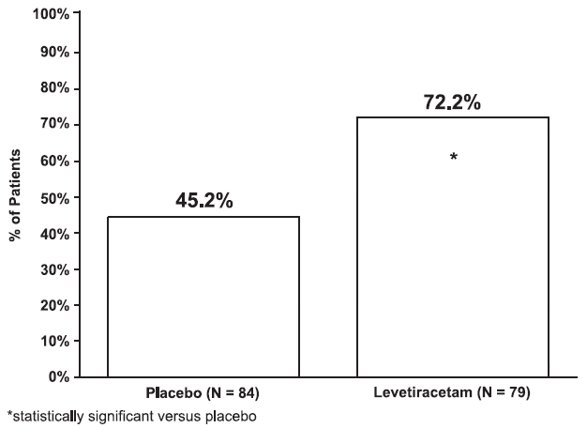
Figure 4: Responder Rate (≥50% Reduction From Baseline) In Pgtc Seizure Frequency Per Week (Image 08)

Figure 4: Responder Rate (≥50% Reduction From Baseline) In Pgtc Seizure Frequency Per Week (Image 08)
The given text represents the percentage distribution of patients under Placebo and Levetiracetam treatment, where Levetiracetam showed a statistically significant difference over Placebo. However, without further context or information, it is not possible to determine the nature of the treatments or the condition being treated.*
FDA Label Image

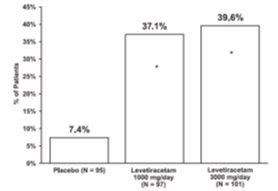
Figure 1 (Image 09)

* These product label images have been analyzed using experimental machine learning. Please verify findings with the primary label text.