Alogliptin and metformin HCl tablets should not recommended for use in patients with type 1 diabetes mellitus.
There have been postmarketing cases of metformin-associated lactic acidosis, including fatal cases. These cases had a subtle onset and were accompanied by nonspecific symptoms such as malaise, myalgias, abdominal pain, respiratory distress, or increased somnolence; however, hypothermia, hypotension and resistant bradyarrhythmias have occurred with severe acidosis. Metformin-associated lactic acidosis was characterized by elevated blood lactate concentrations (greater than 5 mmol/L), anion gap acidosis (without evidence of ketonuria or ketonemia), and an increased lactate/pyruvate ratio; metformin plasma levels generally greater than 5 mcg/mL. Metformin decreases liver uptake of lactate increasing lactate blood levels which may increase the risk of lactic acidosis, especially in patients at risk.
If metformin-associated lactic acidosis is suspected, general supportive measures should be instituted promptly in a hospital setting, along with immediate discontinuation of alogliptin and metformin HCl tablets. In alogliptin and metformin HCl tablets-treated patients with a diagnosis or strong suspicion of lactic acidosis, prompt hemodialysis is recommended to correct the acidosis and remove accumulated metformin (metformin HCl is dialyzable, with a clearance of up to 170 mL/min under good hemodynamic conditions). Hemodialysis has often resulted in reversal of symptoms and recovery.
Educate patients and their families about the symptoms of lactic acidosis and if these symptoms occur instruct them to discontinue alogliptin and metformin HCl tablets and report these symptoms to their healthcare provider.
For each of the known and possible risk factors for metformin-associated lactic acidosis, recommendations to reduce the risk of and manage metformin-associated lactic acidosis are provided below:
The postmarketing metformin-associated lactic acidosis cases primarily occurred in patients with significant renal impairment. The risk of metformin accumulation and metformin-associated lactic acidosis increases with the severity of renal impairment because metformin is substantially excreted by the kidney. Clinical recommendations based upon the patient's renal function include [see Dosage and Administration (2.2), Clinical Pharmacology (12.3)]:
- Before initiating alogliptin and metformin HCl tablets, obtain an eGFR.
- Alogliptin and metformin HCl tablets are contraindicated in patients with an eGFR less than 30 mL/min/1.73 m2 [see Contraindications (4)].
- Alogliptin and metformin HCl tablets are not recommended in patients with an eGFR between 30 and 60 mL/min/1.73 m2 because these patients require a lower dosage of alogliptin than what is available in the fixed combination alogliptin and metformin HCl tablets product.
- Obtain an eGFR at least annually in all patients taking alogliptin and metformin HCl tablets. In patients at increased risk for the development of renal impairment (e.g., the elderly), renal function should be assessed more frequently.
Drug Interactions
The concomitant use of alogliptin and metformin HCl tablets with specific drugs may increase the risk of metformin-associated lactic acidosis: those that impair renal function, result in significant hemodynamic change, interfere with acid-base balance or increase metformin accumulation [see Drug Interactions (7)]. Therefore, consider more frequent monitoring of patients.
Age 65 or Greater
The risk of metformin-associated lactic acidosis increases with the patient's age because elderly patients have a greater likelihood of having hepatic, renal, or cardiac impairment than younger patients. Assess renal function more frequently in elderly patients [see Use in Specific Populations (8.5)].
Radiological Studies with Contrast
Administration of intravascular iodinated contrast agents in metformin-treated patients has led to an acute decrease in renal function and the occurrence of lactic acidosis. Stop alogliptin and metformin HCl tablets at the time of, or prior to, an iodinated contrast imaging procedure in patients with an eGFR between 30 and 60 mL/min/1.73 m2; in patients with a history of hepatic impairment, alcoholism, or heart failure; or in patients who will be administered intra-arterial iodinated contrast. Re-evaluate eGFR 48 hours after the imaging procedure, and restart alogliptin and metformin HCl tablets if renal function is stable.
Surgery and Other Procedures
Withholding food and fluids during surgical or other procedures may increase the risk for volume depletion, hypotension and renal impairment. Alogliptin and metformin HCl tablets should be temporarily discontinued while patients have restricted food and fluid intake.
Hypoxic States
Several of the postmarketing cases of metformin-associated lactic acidosis occurred in the setting of acute congestive heart failure (particularly when accompanied by hypoperfusion and hypoxemia). Cardiovascular collapse (shock), acute myocardial infarction, sepsis, and other conditions associated with hypoxemia have been associated with lactic acidosis and may also cause prerenal azotemia. When such events occur, discontinue alogliptin and metformin HCl tablets.
Excessive Alcohol Intake
Alcohol potentiates the effect of metformin on lactate metabolism, and this may increase the risk of metformin-associated lactic acidosis. Warn patients against excessive alcohol intake while receiving alogliptin and metformin HCl tablets.
Hepatic Impairment
Patients with hepatic impairment have developed with cases of metformin-associated lactic acidosis. This may be due to impaired lactate clearance resulting in higher lactate blood levels. Therefore, avoid use of alogliptin and metformin HCl tablets in patients with clinical or laboratory evidence of hepatic disease.
Mitochondrial Diseases
Metformin may increase the risk of lactic acidosis in patients with mitochondrial diseases such as mitochondrial encephalomyopathy with lactic acidosis, and stroke-like episodes (MELAS) syndrome and maternally inherited diabetes and deafness (MIDD). Alogliptin and metformin HCl tablets are not recommended in patients with mitochondrial diseases such as MELAS syndrome and MIDD.
If a patient taking alogliptin and metformin HCl tablets develops elevated lactic acid levels (with or without accompanying neurologic signs and symptoms), discontinue alogliptin and metformin HCl tablets. Depending on the clinical context, consider evaluating the patient for MELAS, MIDD, or other mitochondrial disease.
Alogliptin and Metformin HCl
Over 2,700 patients with type 2 diabetes mellitus have received alogliptin coadministered with metformin in four large, randomized, double-blind controlled clinical trials. The racial distribution of patients exposed to trial medication was 65% White, 20% Asian, 7% Black or African American, 4% American Indian or Alaska Native, 0% Native Hawaiian/Other Pacific Islander and 4% Multiracial or other racial groups. The ethnic distribution was 23% Hispanic or Latino and 77% was not Hispanic or Latino. The mean exposure to alogliptin coadministered with metformin was 58 weeks, with more than 1,400 subjects treated for more than one year. These included two 26 week placebo-controlled trials, one 52 week active control trial and an interim analysis of a 104 week active-controlled trial. In the alogliptin co-administered with metformin HCl arm, the mean duration of diabetes mellitus was approximately six years, the mean body mass index (BMI) was 31 kg/m2 (56% of patients had a BMI ≥30 kg/m2) and the mean age was 55 years (18% of patients ≥65 years of age).
In a pooled analysis of these four controlled clinical studies, the overall incidence of adverse reactions was 74% in patients treated with alogliptin co-administered with metformin HCl compared to 75% treated with placebo. Overall discontinuation of therapy due to adverse reactions was 6.2% with alogliptin co-administered with metformin HCl compared to 1.9% in placebo, 6.4% in metformin and 5.0% in alogliptin.
Adverse reactions reported in ≥4% of patients treated with alogliptin co-administered with metformin HCl and more frequently than in patients who received alogliptin, metformin or placebo are summarized in Table 1.
Table 1. Adverse Reactions Reported in ≥4% of Adults with Type 2 Diabetes Mellitus Treated with Alogliptin Co-administered with Metformin HCl and More Frequently Than in Patients Receiving Either Alogliptin, Metformin or Placebo| Number of Patients (%) |
|---|
| Alogliptin and Metformin HCl Tablets Alogliptin and metformin HCl tablets – includes data pooled for patients receiving alogliptin 25 and 12.5 mg combined with various doses of metformin | Alogliptin Alogliptin – includes data pooled for patients receiving alogliptin 25 and 12.5 mg | Metformin Metformin – includes data pooled for patients receiving various doses of metformin | Placebo |
|---|
| N=2794 | N=222 | N=1592 | N=106 |
| Upper respiratory tract infection | 224 (8) | 6 (3) | 105 (7) | 3 (3) |
| Nasopharyngitis | 191 (7) | 7 (3) | 93 (6) | 2 (2) |
| Diarrhea | 155 (6) | 4 (2) | 105 (7) | 3 (3) |
| Hypertension | 154 (6) | 5 (2) | 96 (6) | 6 (6) |
| Headache | 149 (5) | 11 (5) | 74 (5) | 3 (3) |
| Back pain | 119 (4) | 1 (1) | 72 (5) | 1 (1) |
| Urinary tract infection | 116 (4) | 4 (2) | 59 (4) | 2 (2) |
Alogliptin
A total of 14,778 patients with type 2 diabetes mellitus participated in 14 randomized, double-blind, controlled clinical trials of whom 9,052 subjects were treated with alogliptin, 3,469 subjects were treated with placebo and 2,257 were treated with an active comparator. The racial distribution of patients exposed to trial medication was 71% White, 17% Asian, 6% Black or African American, 2% American Indian or Alaska Native, 0% Native Hawaiian/Other Pacific Islander and 5% Multiracial or other racial groups. The ethnic distribution was 30% Hispanic or Latino and 70% was not Hispanic or Latino. The mean duration of diabetes mellitus was seven years, the mean body mass index (BMI) was 31 kg/m2 (49% of patients had a BMI ≥30 kg/m2), and the mean age was 58 years (26% of patients ≥65 years of age). The mean exposure to alogliptin was 49 weeks with 3,348 subjects treated for more than one year.
In a pooled analysis of these 14 controlled clinical trials, the overall incidence of adverse reactions was 73% in patients treated with alogliptin 25 mg compared to 75% with placebo and 70% with active comparator. Overall discontinuation of therapy due to adverse reactions was 6.8% with alogliptin 25 mg compared to 8.4% with placebo or 6.2% with active comparator.
Adverse reactions reported in ≥4% of patients treated with alogliptin 25 mg and more frequently than in patients who received placebo are summarized in Table 2.
Table 2. Adverse Reactions Reported in ≥4% Patients Treated with Alogliptin 25 mg and More Frequently Than in Patients Given Placebo in Pooled Studies | Number of Patients (%) |
|---|
| Alogliptin 25 mg | Placebo | Active Comparator |
|---|
| N=6447 | N=3469 | N=2257 |
| Nasopharyngitis | 309 (5) | 152 (4) | 113 (5) |
| Upper Respiratory Tract Infection | 287 (5) | 121 (4) | 113 (5) |
| Headache | 278 (4) | 101 (3) | 121 (5) |
Hypoglycemia
Alogliptin and Metformin HCl
In a 26 week, double-blind, placebo-controlled trial of alogliptin in combination with metformin, the number of patients reporting hypoglycemia was 1.9% in the alogliptin 12.5 mg with metformin HCl 500 mg, 5.3% in the alogliptin 12.5 mg with metformin HCl 1000 mg, 1.8% in the metformin HCl 500 mg and 6.3% in the metformin HCl 1000 mg treatment groups.
In a 26 week placebo-controlled trial of alogliptin 25 mg administered once daily as add-on to metformin regimen, the number of patients reporting hypoglycemic events was 0% in the alogliptin co-administered with metformin HCl and 2.9% in the placebo treatment groups.
In a 52 week, active-controlled, double-blind trial of alogliptin once daily as add-on therapy to the combination of pioglitazone 30 mg and metformin compared to the titration of pioglitazone 30 mg to 45 mg and metformin, the number of patients reporting hypoglycemia was 4.5% in the alogliptin 25 mg with pioglitazone 30 mg and metformin group versus 1.5% in the pioglitazone 45 mg with metformin group.
In an interim analysis conducted in a 104 week, double-blind, active-controlled trial of alogliptin 25 mg in combination with metformin, the number of patients reporting hypoglycemia was 1.4% in the alogliptin 25 mg with metformin group versus 23.8% in the glipizide with metformin group.
Alogliptin
Hypoglycemic events were documented based upon a blood glucose value and/or clinical signs and symptoms of hypoglycemia.
In the monotherapy trial, the incidence of hypoglycemia was 1.5% in patients treated with alogliptin compared to 1.6% with placebo. The use of alogliptin as add-on therapy to glyburide or insulin did not increase the incidence of hypoglycemia compared to placebo. In a monotherapy trial comparing alogliptin to a sulfonylurea in elderly patients, the incidence of hypoglycemia was 5.4% with alogliptin compared to 26% with glipizide.
In the EXAMINE trial, the incidence of investigator reported hypoglycemia was 6.7% in patients receiving alogliptin and 6.5% in patients receiving placebo. Serious adverse reactions of hypoglycemia were reported in 0.8% of patients treated with alogliptin and in 0.6% of patients treated with placebo.
Metformin HCl
Table 3. Most Common Adverse Reactions (≥5%) in a Placebo-Controlled Clinical Trial of Metformin MonotherapyReactions that were more common in metformin than placebo-treated patients
| Adverse Reaction | Metformin Monotherapy (n=141) | Placebo (n=145) |
|---|
| % of Patients |
|---|
| Diarrhea | 53.2 | 11.7 |
| Nausea/vomiting | 25.5 | 8.3 |
| Flatulence | 12.1 | 5.5 |
| Asthenia | 9.2 | 5.5 |
| Indigestion | 7.1 | 4.1 |
| Abdominal discomfort | 6.4 | 4.8 |
| Headache | 5.7 | 4.8 |
Laboratory Abnormalities
Alogliptin and Metformin HCl
No clinically meaningful differences were observed among treatment groups regarding hematology, serum chemistry or urinalysis results.
Metformin HCl
In metformin clinical trials of 29 week duration, a decrease to subnormal levels of previously normal serum vitamin B12 levels was observed in approximately 7% of patients.
Alogliptin
Gastrointestinal Disorders: acute pancreatitis, diarrhea, constipation, nausea, ileus
Hepatobiliary Disorders: fulminant hepatic failure
Immune System Disorders: hypersensitivity reactions including anaphylaxis
Investigations: hepatic enzyme elevations
Musculoskeletal and Connective Tissue Disorders: severe and disabling arthralgia, rhabdomyolysis
Renal and Urinary Disorders: tubulointerstitial nephritis
Skin and Subcutaneous Tissue Disorders: angioedema, rash, urticaria and severe cutaneous adverse reactions including Stevens-Johnson syndrome, bullous pemphigoid
Metformin
Hepatobiliary Disorders: Cholestatic, hepatocellular, mixed hepatocellular liver injury
Metformin HCl
| Carbonic Anhydrase Inhibitors |
| Clinical Impact: | Carbonic anhydrase inhibitors frequently cause a decrease in serum bicarbonate and induce non-anion gap, hyperchloremic metabolic acidosis. Concomitant use of these drugs with ALOGLIPTIN WITH METFORMIN HCl TABLETS may increase the risk of lactic acidosis. |
| Intervention: | Consider more frequent monitoring of these patients. |
| Examples: | Topiramate, zonisamide, acetazolamide or dichlorphenamide |
| Drugs that Reduce Metformin Clearance |
| Clinical Impact: | Concomitant use of drugs that interfere with common renal tubular transport systems involved in the renal elimination of metformin (e.g., organic cationic transporter-2 [OCT2]/multidrug and toxin extrusion [MATE] inhibitors) could increase systemic exposure to metformin and may increase the risk for lactic acidosis [see Clinical Pharmacology (12.3)]. |
| Intervention: | Consider the benefits and risks of concomitant use. |
| Examples: | Ranolazine, vandetanib, dolutegravir, and cimetidine |
| Alcohol |
| Clinical Impact: | Alcohol is known to potentiate the effect of metformin on lactate metabolism. |
| Intervention: | Warn patients against excessive alcohol intake while receiving ALOGLIPTIN WITH METFORMIN HCl TABLETS. |
| Insulin Secretagogues and Insulin |
| Clinical Impact: | Coadministration of ALOGLIPTIN WITH METFORMIN HCl TABLETS with an insulin secretagogue (e.g., sulfonylurea) or with insulin may increase the risk of hypoglycemia. |
| Intervention: | Patients may require a lower dose of the insulin secretagogue or insulin. |
| Drugs Affecting Glycemic Control |
| Clinical Impact: | Certain drugs tend to produce hyperglycemia and may lead to loss of glycemic control. |
| Intervention: | When such drugs are administered to a patient receiving ALOGLIPTIN WITH METFORMIN HCl TABLETS, the patient should be closely observed for loss of blood glucose control. When such drugs are withdrawn from a patient receiving ALOGLIPTIN WITH METFORMIN HCl TABLETS, the patient should be observed closely for hypoglycemia. |
| Examples: | Thiazides and other diuretics, corticosteroids, phenothiazines, thyroid products, estrogens, oral contraceptives, phenytoin, nicotinic acid, sympathomimetics, calcium channel blocking drugs and isoniazid |
Alogliptin
| Cytochrome (CYP) P450, CYP-Substrates or Inhibitors |
| Clinical Impact: | Insulin Secretagogues and Insulin
Insulin and insulin secretagogues are known to cause hypoglycemia. Coadministration of alogliptin and metformin HCl tablets with an insulin secretagogue (e.g., sulfonylurea) or insulin may require lower dosages of the insulin secretagogue or insulin to reduce the risk of hypoglycemia [see Warnings and Precautions (5.7)]. |
Risk Summary
Limited available data with alogliptin and metformin HCl tablets or alogliptin in pregnant women are not sufficient to inform a drug-associated risk for major birth defects and miscarriage. Published studies with metformin use during pregnancy have not reported a clear association with metformin and major birth defect or miscarriage risk [see Data]. There are risks to the mother and fetus associated with poorly controlled diabetes mellitus in pregnancy [see Clinical Considerations].
Concomitant administration of alogliptin and metformin in pregnant rats during the period of organogenesis did not cause adverse developmental effects in offspring at maternal exposures up to 28 times and two times the 25 mg and 2000 mg clinical doses, respectively [see Data].
The estimated background risk of major birth defects is 6-10% in women with pre-gestational diabetes mellitus with a HbA1c >7 and has been reported to be as high as 20-25% in women with HbA1c >10. The estimated background risk of miscarriage for the indicated population is unknown. In the U.S. general population, the estimated background risk of major defects and miscarriage in clinically recognized pregnancies is 2-4% and 15-20%, respectively.
Clinical Considerations
Disease-associated Maternal and/or Embryo/Fetal Risk
Poorly controlled diabetes mellitus in pregnancy increases the maternal risk for diabetic ketoacidosis, pre-eclampsia, spontaneous abortions, preterm delivery, and delivery complications. Poorly controlled diabetes mellitus increases the fetal risk for major malformations, still birth, and macrosomia related morbidity.
Data
Human Data
Published data from postmarketing studies do not report a clear association with metformin and major birth defects, miscarriage, or adverse maternal or fetal outcomes when metformin is used during pregnancy. However, these studies cannot definitely establish the absence of any metformin-associated risk because of methodological limitations, including small sample size and inconsistent comparator groups.
Animal Data
Alogliptin and Metformin
Concomitant administration of alogliptin and metformin in pregnant rats during the period of organogenesis did not cause adverse developmental effects in offspring at a dose of 100 mg/kg alogliptin and 150 mg/kg metformin, or approximately 28 and two times the clinical dose of alogliptin (25 mg) and metformin (2000 mg), respectively based on plasma drug exposure (AUC).
Alogliptin
Alogliptin administered to pregnant rabbits and rats during the period of organogenesis did not cause adverse developmental effects at doses of up to 200 mg/kg and 500 mg/kg, or 149 times and 180 times the 25 mg clinical dose, respectively, based on plasma drug exposure (AUC).
Placental transfer of alogliptin into the fetus was observed following oral dosing to pregnant rats.
No adverse developmental outcomes were observed in offspring when alogliptin was administered to pregnant rats during gestation and lactation at doses up to 250 mg/kg (approximately 95 times the 25 mg clinical dose, based on AUC).
Metformin HCl
Metformin HCl did not cause adverse developmental effects when administered to pregnant Sprague Dawley rats and rabbits up to 600 mg/kg/day during the period of organogenesis. This represents an exposure of about two to six times a clinical dose of 2000 mg based on body surface area (mg/m2) for rats and rabbits, respectively.
Risk Summary
There is no information regarding the presence of alogliptin and metformin or alogliptin in human milk, the effects on the breastfed infant, or the effects on milk production. Alogliptin is present in rat milk. Limited published studies report that metformin is present in human milk [see Data]. However, there is insufficient information to determine the effects of metformin on the breastfed infant and no available information on the effects of metformin on milk production. The developmental and health benefits of breastfeeding should be considered along with the mother's clinical need for alogliptin and metformin HCl tablets and any potential adverse effects on the breastfed infant from alogliptin and metformin HCl tablets or from the underlying maternal condition.
Data
Published clinical lactation studies report that metformin is present in human milk which resulted in infant doses approximately 0.11% to 1% of the maternal weight-adjusted dosage and a milk/plasma ratio (based on AUC) ranging between 0.13 and 1. However, the studies were not designed to definitely establish the risk of use of metformin during lactation because of small sample size and limited adverse event data collected in infants.
Alogliptin and Metformin HCl
Elderly patients are more likely to have decreased renal function. Monitor renal function in the elderly more frequently [see Warnings and Precautions (5.1), Clinical Pharmacology (12.3)].
Of the total number of patients (N = 2095) in clinical safety and efficacy trials, 343 (16.4%) patients were 65 years and older and 37 (1.8%) patients were 75 years and older. No overall differences in safety or effectiveness were observed between these patients and younger patients.
Alogliptin
Of the total number of patients (N=9052) in clinical safety and efficacy studies treated with alogliptin, 2,257 (24.9%) patients were 65 years and older and 386 (4.3%) patients were 75 years and older. No overall differences in safety or effectiveness were observed between patients 65 years and over and younger patients.
Metformin HCl
Controlled studies of metformin did not include sufficient numbers of subjects age 65 and over to determine whether they respond differently from younger patients. Other reported clinical experience has not identified differences in responses between the elderly and younger patients.
In general, dose selection for an elderly patient should be cautious, usually starting at the low end of the dosing range, reflecting the greater frequency of decreased hepatic, renal and cardiac function, and of concomitant disease or other drug therapy and the higher risk of lactic acidosis. Assess renal function more frequently in elderly patients [see Contraindications (4), Warnings and Precautions (5.1), Clinical Pharmacology (12.3)].
Overdose of metformin has occurred, including ingestion of amounts greater than 50 grams. Hypoglycemia was reported in approximately 10% of cases, but no causal association with metformin has been established. Lactic acidosis has been reported in approximately 32% of metformin overdose cases [see Warnings and Precautions (5.1)].
In the event of an overdose, it is reasonable to institute the necessary clinical monitoring and supportive therapy as dictated by the patient's clinical status. Per clinical judgment, it may be reasonable to initiate removal of unabsorbed material from the gastrointestinal tract.
Alogliptin is minimally dialyzable; over a three-hour hemodialysis session, approximately 7% of the drug was removed. Therefore, hemodialysis is unlikely to be beneficial in an overdose situation. It is not known if alogliptin is dialyzable by peritoneal dialysis.
Metformin is dialyzable with a clearance of up to 170 mL/min under good hemodynamic conditions. Hemodialysis may be useful for removal of accumulated drug from patients in whom metformin overdosage is suspected.
In the event of an overdose, contact the Poison Help Line, (1-800-222-1222) or a medical toxicologist for additional overdosage management recommendations.
Alogliptin
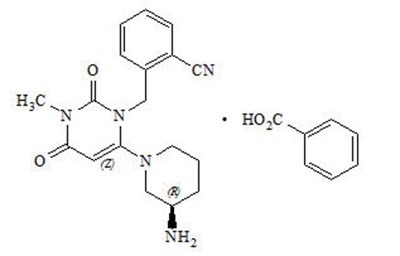
Alogliptin is a selective, orally bioavailable inhibitor of the enzymatic activity of DPP-4. Chemically, alogliptin is prepared as a benzoate salt, which is identified as 2-({6-[(3R)-3-aminopiperidin-1-yl]-3-methyl-2,4-dioxo-3,4-dihydropyrimidin-1(2H)-yl}methyl)benzonitrile monobenzoate. It has a molecular formula of C18H21N5O2∙C7H6O2 and a molecular weight of 461.51; the structural formula is:
Chemical Structure (Alogliptin 01)
Alogliptin benzoate is a white to off-white crystalline powder containing one asymmetric carbon in the aminopiperidine moiety. It is soluble in dimethylsulfoxide, sparingly soluble in water and methanol, slightly soluble in ethanol and very slightly soluble in octanol and isopropyl acetate.
Metformin HCl
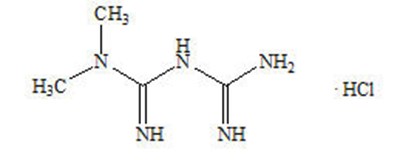
Metformin HCl (N,N-dimethylimidodicarbonimidic diamide HCl) is not chemically or pharmacologically related to any other classes of oral antihyperglycemic agents. Metformin HCl is a white to off-white crystalline compound with a molecular formula of C4H11N5∙HCl and a molecular weight of 165.63. Metformin HCl is freely soluble in water and is practically insoluble in acetone, ether and chloroform. The pKa of metformin is 12.4. The pH of a 1% aqueous solution of metformin HCl is 6.68. The structural formula is as shown:
Chemical Structure (Alogliptin 02)
Alogliptin and metformin HCl tablets are available as a tablet for oral administration containing 17 mg alogliptin benzoate equivalent to 12.5 mg alogliptin and:
- 500 mg metformin HCl which is equivalent to 389.93 mg metformin base (12.5 mg/500 mg) or
- 1000 mg metformin HCl which is equivalent to 779.86 mg metformin base (12.5 mg/1000 mg).
Alogliptin and metformin HCl tablets contain the following inactive ingredients: crospovidone, magnesium stearate, mannitol, microcrystalline cellulose, and povidone; the tablets are film-coated with ferric oxide yellow, hypromellose 2910, talc, and titanium dioxide.
Alogliptin and Metformin HCl
Alogliptin and metformin HCl tablets combines two antihyperglycemic agents with complementary and distinct mechanisms of action to improve glycemic control in patients with type 2 diabetes mellitus: alogliptin, a selective inhibitor of DPP-4, and metformin HCl, a member of the biguanide class.
Alogliptin
Increased concentrations of the incretin hormones such as glucagon-like peptide-1 (GLP-1) and glucose-dependent insulinotropic polypeptide (GIP) are released into the bloodstream from the small intestine in response to meals. These hormones cause insulin release from the pancreatic beta cells in a glucose-dependent manner but are inactivated by the DPP-4 enzyme within minutes. GLP-1 also lowers glucagon secretion from pancreatic alpha cells, reducing hepatic glucose production. In patients with type 2 diabetes mellitus, concentrations of GLP-1 are reduced but the insulin response to GLP-1 is preserved. Alogliptin is a DPP-4 inhibitor that slows the inactivation of the incretin hormones, thereby increasing their bloodstream concentrations and reducing fasting and postprandial glucose concentrations in a glucose-dependent manner in patients with type 2 diabetes mellitus. Alogliptin selectively binds to and inhibits DPP-4 but not DPP-8 or DPP-9 activity in vitro at concentrations approximating therapeutic exposures.
Metformin HCl
Metformin is a biguanide that improves glucose tolerance in patients with type 2 diabetes mellitus, lowering both basal and postprandial plasma glucose. Metformin decreases hepatic glucose production, decreases intestinal absorption of glucose and improves insulin sensitivity by increasing peripheral glucose uptake and utilization. With metformin therapy, insulin secretion remains unchanged while fasting insulin levels and daylong plasma insulin response may actually decrease.
Dose-Response Relationships
Alogliptin
Single-dose administration of alogliptin to healthy subjects resulted in a peak inhibition of DPP-4 within two to three hours after dosing. The peak inhibition of DPP-4 exceeded 93% across doses of 12.5 mg to 800 mg. Inhibition of DPP-4 remained above 80% at 24 hours for doses greater than or equal to 25 mg. Peak and total exposure over 24 hours to active GLP-1 were three- to four-fold greater with alogliptin (at doses of 25 to 200 mg) than placebo. In a 16 week, double-blind, placebo-controlled study, alogliptin 25 mg demonstrated decreases in postprandial glucagon while increasing postprandial active GLP-1 levels compared to placebo over an eight hour period following a standardized meal. It is unclear how these findings relate to changes in overall glycemic control in patients with type 2 diabetes mellitus. In this study, alogliptin 25 mg demonstrated decreases in two-hour postprandial glucose compared to placebo (-30 mg/dL versus 17 mg/dL, respectively).
Multiple-dose administration of alogliptin to patients with type 2 diabetes mellitus also resulted in a peak inhibition of DPP-4 within one to two hours and exceeded 93% across all doses (25 mg, 100 mg and 400 mg) after a single dose and after 14 days of once-daily dosing. At these doses of alogliptin, inhibition of DPP-4 remained above 81% at 24 hours after 14 days of dosing.
Cardiac Electrophysiology
Alogliptin
In a randomized, placebo-controlled, four-arm, parallel-group study, 257 subjects were administered either alogliptin 50 mg, alogliptin 400 mg, moxifloxacin 400 mg or placebo once daily for a total of seven days. No increase in corrected QT (QTc) was observed with either dose of alogliptin. At the 400 mg dose, peak alogliptin plasma concentrations were 19-fold higher than the peak concentrations following the maximum recommended clinical dose of 25 mg.
Absorption
Alogliptin and Metformin HCl
There is no clinically meaningful difference in PK exposures (AUC and Cmax) of alogliptin and metformin when taken a single dose of the combination tablet and individual alogliptin and metformin tablets taken concomitantly.
Alogliptin
After administration of single, oral doses up to 800 mg in healthy subjects, the peak plasma alogliptin concentration (median Tmax) occurred one to two hours after dosing. The absolute bioavailability of alogliptin is approximately 100%.
Metformin HCl
Studies using single oral doses of metformin HCl tablets 500 mg to 1500 mg and 850 mg to 2550 mg indicate that there is a lack of dose proportionality with increasing doses, which is due to decreased absorption rather than an alteration in elimination. The absolute bioavailability of metformin following administration of a 500 mg metformin HCl tablet given under fasting conditions is approximately 50% to 60%.
Effect of Food
Alogliptin and Metformin HCl
Administration of alogliptin and metformin HCl tablets with food resulted in no change in total exposure (AUC) of alogliptin and metformin. Mean peak plasma concentrations of alogliptin and metformin were decreased by 13% and 28%, respectively, when administered with food. There was no change in time to peak plasma concentrations (Tmax) for alogliptin under fed conditions, however, there was a delayed Tmax for metformin of 1.5 hours. These changes are not likely to be clinically significant.
Alogliptin
Administration of alogliptin with a high-fat meal results in no significant change in total and peak exposure to alogliptin.
Metformin HCl
Food decreases the extent of and slightly delays the absorption of metformin, as shown by approximately a 40% lower mean peak plasma concentration (Cmax), a 25% lower area under the plasma concentration versus time curve (AUC), and a 35-minute prolongation of time to peak plasma concentration (Tmax) following administration of a single 850 mg tablet of metformin HCl with food compared to the same tablet strength administered fasting. The clinical relevance of these decreases is unknown.
Distribution
Alogliptin
Following a single, 12.5 mg intravenous infusion of alogliptin to healthy subjects, the volume of distribution during the terminal phase was 417 L, indicating that the drug is well distributed into tissues.
Alogliptin is 20% bound to plasma proteins.
Metformin HCl
The apparent volume of distribution (V/F) of metformin following single oral doses of immediate release metformin HCl tablets 850 mg averaged 654 ± 358 L. Metformin is negligibly bound to plasma proteins. Metformin partitions into erythrocytes, most likely as a function of time.
Elimination
Alogliptin
Alogliptin was eliminated with a mean terminal half-life (t1/2) of approximately 21 hours. The renal clearance of alogliptin (9.6 L/hr) indicates some active renal tubular secretion and systemic clearance was 14.0 L/hr.
Metformin HCl
In blood, the elimination half-life is approximately 17.6 hours, suggesting that the erythrocyte mass may be a compartment of distribution. The plasma elimination half-life is approximately 6.2 hours. Renal clearance is approximately 3.5 times greater than creatinine clearance, which indicates that tubular secretion is the major route of metformin excretion.
Metabolism
Alogliptin
Alogliptin does not undergo extensive metabolism and 60% to 71% of the dose is excreted as unchanged drug in the urine.
Two minor metabolites were detected following administration of an oral dose of [14C] alogliptin, N-demethylated, M-I (less than 1% of the parent compound), and N-acetylated alogliptin, M-II (less than 6% of the parent compound). M-I is an active metabolite and is an inhibitor of DPP-4 similar to the parent molecule; M-II does not display any inhibitory activity toward DPP-4 or other DPP-related enzymes. In vitro data indicate that CYP2D6 and CYP3A4 contribute to the limited metabolism of alogliptin.
Alogliptin exists predominantly as the (R)-enantiomer (more than 99%) and undergoes little or no chiral conversion in vivo to the (S)-enantiomer. The (S)-enantiomer is not detectable at the 25 mg dose.
Metformin HCl
Intravenous single-dose studies in healthy subjects demonstrate that metformin is excreted unchanged in the urine and does not undergo hepatic metabolism (no metabolites have been identified in humans) or biliary excretion.
Excretion
Alogliptin
The primary route of elimination of [14C] alogliptin-derived radioactivity occurs via renal excretion (76%) with 13% recovered in the feces, achieving a total recovery of 89% of the administered radioactive dose.
Metformin HCl
Following oral administration, approximately 90% of the absorbed drug is eliminated via the renal route within the first 24 hours.
Specific Populations
Geriatric Patients
Due to declining renal function in the elderly, measurement of creatinine clearance should be obtained prior to initiation of therapy.
Alogliptin
Age (18 to 80 years old) did not have any clinically meaningful effect on the pharmacokinetics of alogliptin.
Metformin HCl
Limited data from controlled pharmacokinetic studies of metformin in healthy elderly subjects suggest that total plasma clearance of metformin is decreased, the half-life is prolonged, and Cmax is increased, compared to healthy young subjects. From these data it appears that the change in metformin pharmacokinetics with aging is primarily accounted for by a change in renal function.
Male and Female Patients
Alogliptin
Gender did not have any clinically meaningful effect on the pharmacokinetics of alogliptin.
Metformin HCl
Metformin pharmacokinetic parameters did not differ significantly between normal subjects and patients with type 2 diabetes mellitus when analyzed according to gender. Similarly, in controlled clinical studies in patients with type 2 diabetes mellitus, the antihyperglycemic effect of metformin HCl tablets was comparable in males and females.
Racial or Ethnic Groups
Alogliptin
Race (White, Black or African American and Asian) did not have any clinically meaningful effect on the pharmacokinetics of alogliptin.
Metformin HCl
No studies of metformin pharmacokinetic parameters according to race have been performed. In controlled clinical studies of metformin in patients with type 2 diabetes mellitus, the antihyperglycemic effect was comparable in Whites (n=249), Blacks or African Americans (n=51) and Hispanics or Latino (n=24).
Patients with Renal Impairment
Metformin HCl
In patients with decreased renal function (based on measured creatine clearance), the plasma and blood half-life of metformin is prolonged and the renal clearance is decreased [see Contraindications (4), Warnings and Precautions (5.1)].
Patients with Hepatic Impairment
Alogliptin
Total exposure to alogliptin was approximately 10% lower and peak exposure was approximately 8% lower in patients with moderate hepatic impairment (Child-Pugh Grade B) compared to healthy subjects. The magnitude of these reductions is not considered to be clinically meaningful. Patients with severe hepatic impairment (Child-Pugh Grade C) have not been studied.
Metformin HCl
No pharmacokinetic studies of metformin have been conducted in subjects with hepatic impairment.
Drug Interaction Studies
Alogliptin and Metformin HCl
Administration of alogliptin 100 mg once daily with metformin HCl 1000 mg twice daily for six days had no meaningful effect on the pharmacokinetics of alogliptin or metformin.
Specific pharmacokinetic drug interaction studies with alogliptin and metformin HCl tablets have not been performed, although such studies have been conducted with the individual components of alogliptin and metformin HCl tablets (alogliptin and metformin).
Alogliptin
Clinical Studies
In Vivo Assessment of Drug Interactions
Effects of Alogliptin on the Pharmacokinetics of Other Drugs
In clinical studies, alogliptin did not meaningfully increase the systemic exposure to the following drugs that are metabolized by CYP isozymes or excreted unchanged in urine (Figure 1). No dose adjustment of alogliptin is recommended based on results of the described pharmacokinetic studies.
Figure 1. Effect of Alogliptin on the Pharmacokinetic Exposure to Other Drugs
*Warfarin was given once daily at a stable dose in the range of 1 mg to 10 mg. Alogliptin had no significant effect on the prothrombin time (PT) or International Normalized Ratio (INR).
**Caffeine (1A2 substrate), tolbutamide (2C9 substrate), dextromethorphan (2D6 substrate), midazolam (3A4 substrate) and fexofenadine (P-gp substrate) were administered as a cocktail.
Effects of Other Drugs on the Pharmacokinetics of Alogliptin
There are no clinically meaningful changes in the pharmacokinetics of alogliptin when alogliptin is administered concomitantly with the drugs described below (Figure 2).
Figure 2. Effect of Other Drugs on the Pharmacokinetic Exposure of Alogliptin
Metformin HCl
Pharmacokinetic drug interaction studies have been performed on metformin (Tables 4 and 5).
Table 4. Effect of Coadministered Drug on Plasma Metformin Systemic Exposure| Coadministered Drug | Dose of Coadministered Drug All metformin and coadministered drugs were given as single doses | Dose of Metformin HCl | Geometric Mean Ratio (ratio with/without coadministered drug) No effect = 1.00 |
|---|
| AUC AUC = AUC0˗∞ | Cmax |
|---|
| No dosing adjustments required for the following: |
| Glyburide | 5 mg | 500 mg Metformin HCl extended-release tablets 500 mg | 0.98 Ratio of arithmetic means | 0.99 |
| Furosemide | 40 mg | 850 mg | 1.09 | 1.22 |
| Nifedipine | 10 mg | 850 mg | 1.16 | 1.21 |
| Propranolol | 40 mg | 850 mg | 0.90 | 0.94 |
| Ibuprofen | 400 mg | 850 mg | 1.05 | 1.07 |
| Drugs that are eliminated by renal tubular secretion may increase the accumulation of metformin [see Warnings and Precautions (5), Drug Interactions (7)] |
| Cimetidine | 400 mg | 850 mg | 1.40 | 1.61 |
| Carbonic anhydrase inhibitors may cause metabolic acidosis [see Warnings and Precautions (5), Drug Interactions (7)] |
| Topiramate | 100 mg At steady-state with topiramate 100 mg every 12 hours and metformin 500 mg every 12 hours; AUC = AUC0-12h | 500 mg | 1.25 | 1.17 |
Table 5. Effect of Metformin on Coadministered Drug Systemic Exposure| Coadministered Drug | Dose of Coadministered Drug All metformin and coadministered drugs were given as single doses | Dose of Metformin HCl | Geometric Mean Ratio (ratio with/without coadministered drug) No effect = 1.00 |
|---|
| AUC AUC = AUC0˗∞ | Cmax |
|---|
| No dosing adjustments required for the following: |
| Glyburide | 5 mg | 500 mg AUC0-24 hr reported | 0.78 Ratio of arithmetic means, p-value of difference <0.05 | 0.63 |
| Furosemide | 40 mg | 850 mg | 0.87 | 0.69 |
| Nifedipine | 10 mg | 850 mg | 1.10 | 1.08 |
| Propranolol | 40 mg | 850 mg | 1.01 | 0.94 |
| Ibuprofen | 400 mg | 850 mg | 0.97 Ratio of arithmetic means | 1.01 |
| Cimetidine | 400 mg | 850 mg | 0.95 | 1.01 |
Alogliptin and Metformin HCl
No carcinogenicity, mutagenicity or impairment of fertility studies have been conducted with alogliptin and metformin HCl tablets. The following data are based on findings in studies performed with alogliptin or metformin individually.
Alogliptin
Rats were administered oral doses of 75, 400 and 800 mg/kg alogliptin for two years. No drug-related tumors were observed up to 75 mg/kg or approximately 32 times the maximum recommended clinical dose of 25 mg, based on area under the plasma concentration curve (AUC) exposure. At higher doses (approximately 308 times the maximum recommended clinical dose of 25 mg), a combination of thyroid C-cell adenomas and carcinomas increased in male but not female rats. No drug-related tumors were observed in mice after administration of 50, 150 or 300 mg/kg alogliptin for two years, or up to approximately 51 times the maximum recommended clinical dose of 25 mg, based on AUC exposure.
Alogliptin was not mutagenic or clastogenic, with and without metabolic activation, in the Ames test with S. typhimurium and E. coli or the cytogenetic assay in mouse lymphoma cells. Alogliptin was negative in the in vivo mouse micronucleus study.
In a fertility study in rats, alogliptin had no adverse effects on early embryonic development, mating or fertility, at doses up to 500 mg/kg, or approximately 172 times the clinical dose based on plasma drug exposure (AUC).
Metformin HCl
Long-term carcinogenicity studies have been performed in rats (dosing duration of 104 weeks) and mice (dosing duration of 91 weeks) at doses up to and including 900 mg/kg and 1500 mg/kg, respectively. These doses are both approximately four times the maximum recommended human daily dose of 2000 mg based on body surface area comparisons. No evidence of carcinogenicity with metformin was found in either male or female mice. Similarly, there was no tumorigenic potential observed with metformin in male rats. There was an increased incidence of benign stromal uterine polyps in female rats treated with 900 mg/kg.
There was no evidence of a mutagenic potential of metformin in the following in vitro tests: Ames test (S. typhimurium), gene mutation test (mouse lymphoma cells) or chromosomal aberrations test (human lymphocytes). Results in the in vivo mouse micronucleus test were also negative.
Fertility of male or female rats was unaffected by metformin when administered at doses as high as 600 mg/kg, which is approximately three times the maximum recommended human daily dose based on body surface area comparisons.
Lactic Acidosis
Explain the risks of lactic acidosis, its symptoms, and conditions that predispose to its development. Advise patients to discontinue alogliptin and metformin HCl tablets immediately and to promptly notify their healthcare provider if unexplained hyperventilation, myalgias, malaise, unusual somnolence or other nonspecific symptoms occur. Counsel patients against excessive alcohol intake and inform patients about importance of regular testing of renal function while receiving alogliptin with metformin HCl tablets. Instruct patients to inform their doctor that they are taking alogliptin with metformin HCl tablets prior to any surgical or radiological procedure, as temporary discontinuation may be required [see Warnings and Precautions (5.1)].
Pancreatitis
Inform patients that acute pancreatitis has been reported during use of alogliptin. Educate patients that persistent, severe abdominal pain, sometimes radiating to the back, which may or may not be accompanied by vomiting, is the hallmark symptom of acute pancreatitis. Instruct patients to promptly discontinue alogliptin and metformin HCl tablets and contact their physician if persistent severe abdominal pain occurs [see Warnings and Precautions (5.2)].
Heart Failure
Inform patients of the signs and symptoms of heart failure. Before initiating alogliptin and metformin HCl tablets, patients should be asked about a history of heart failure or other risk factors for heart failure including moderate to severe renal impairment. Instruct patients to contact their healthcare providers as soon as possible if they experience symptoms of heart failure, including increasing shortness of breath, rapid increase in weight, or swelling of the feet [see Warnings and Precautions (5.3)].
Hypersensitivity Reactions
Inform patients that allergic reactions have been reported during use of alogliptin and metformin. Instruct patients if symptoms of allergic reactions (including skin rash, hives and swelling of the face, lips, tongue and throat that may cause difficulty in breathing or swallowing) occur, patients should discontinue alogliptin and metformin HCl tablets and seek medical advice promptly [see Warnings and Precautions (5.4)].
Hepatic Effects
Inform patients that postmarketing reports of liver injury, sometimes fatal, have been reported during use of alogliptin. Instruct patients that if signs or symptoms of liver injury occur, patients should be instructed to discontinue alogliptin and metformin HCl tablets and seek medical advice promptly [see Warnings and Precautions (5.5)].
Vitamin B12 Deficiency
Inform patients about importance of regular hematological parameters while receiving metformin [see Warnings and Precautions (5.6)].
Hypoglycemia with Concomitant Use with Insulin or Insulin Secretagogues
Inform patients that hypoglycemia can occur, particularly when an insulin secretagogue or insulin is used in combination with alogliptin with metformin HCl tablets. Educate patients about the risks, symptoms and appropriate management of hypoglycemia [see Warnings and Precautions (5.7)].
Severe and Disabling Arthralgia
Inform patients that severe and disabling joint pain may occur with this class of drugs. The time to onset of symptoms can range from one day to years. Instruct patients to seek medical advice if severe joint pain occurs [see Warnings and Precautions (5.8)].
Bullous Pemphigoid
Inform patients that bullous pemphigoid may occur with this class of drugs. Instruct patients to seek medical advice if blisters or erosions occur [see Warnings and Precautions (5.9)].
Dosage
Instruct patients to take alogliptin with metformin HCl tablets only as prescribed twice daily and that it should be taken with food. Instruct patients if a dose is missed, not to double their next dose. Instruct patients that the tablets must never be split.
Females of Reproductive Age
Inform female patients that treatment with metformin may result in an unintended pregnancy in some premenopausal anovulatory females due to its effects on ovulation [see Use in Specific Populations (8.3)].
ALK334 R11
6T200 RC PH8
Rev 8-26