Levalbuterol Inhalation Solution
Product Images NDC 47335-753
View Photos of Packaging, Regulatory Labels, and Product Appearance
Product Visual Gallery
This gallery contains 15 technical images submitted to the FDA as part of the official labeling for Levalbuterol Inhalation Solution (NDC 47335-753). Unlike standard consumer photos, these assets often include clinical data figures, molecular chemical structures, and official manufacturer packaging layouts.
As provided by Sun Pharmaceutical Industries, Inc., these visuals offer a comprehensive scientific overview of the product's physical and chemical identity, aiding pharmacists and researchers in product verification and study.
Product Images & Figures Index
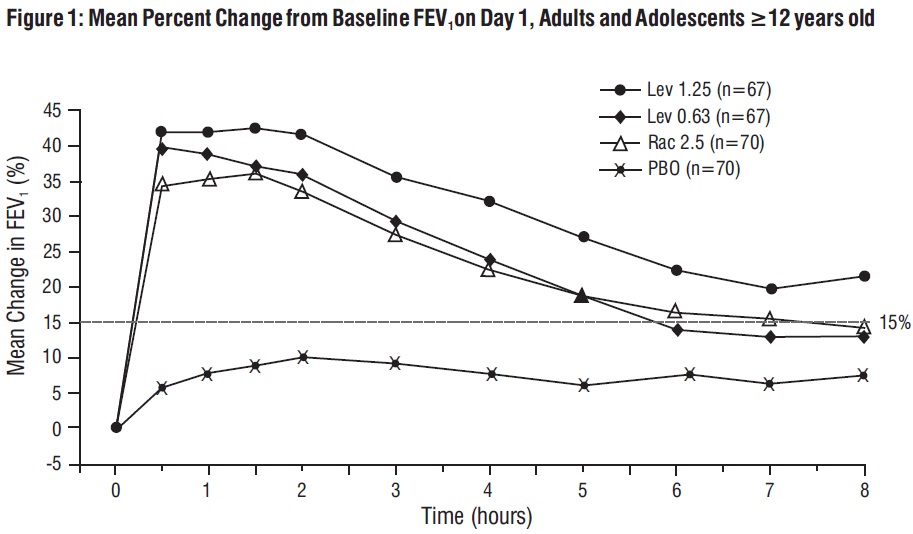
Levalbuterol-figure-1 (Levalbuterol Figure 1)
This is a figure depicting the mean percent change from baseline Forced Expiratory Volume (FEV) on day 1 for adults and adolescents aged 12 years and above. The figure shows the mean change in FEV in percentage for different time intervals in hours. The interventions compared were Lev 1.25 (n=67), Lev 0.63 (n=67), Rac 2.5 (n=70), and PBO (n=70).*
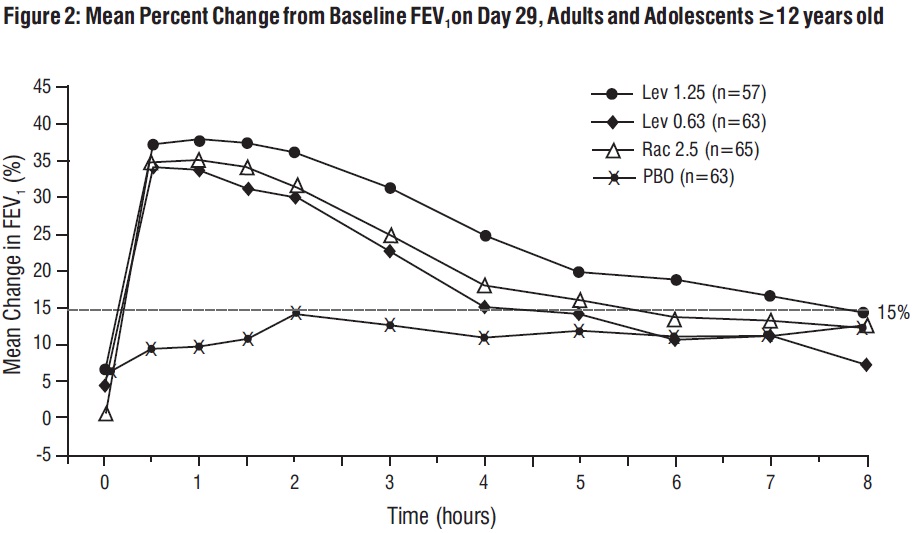
Levalbuterol-figure-2 (Levalbuterol Figure 2)
Levalbuterol-figure-3 (Levalbuterol Figure 3)
The text shows a figure (Figure 3) that displays the mean percent change from baseline FEV on day 1 for children between 6 to 11 years of age. The figure shows a graph with the mean change in FEV (%) on the Y-axis and different drugs (Lev0.63, Lev0.31, Rec2.5, Rec1.25, and Pbo) on the X-axis. The graph also displays different symbols (-o-, -m-, -A-, -O-, and -%-) to represent each drug and their respective number of participants (n=67, n=66, n=60, n=64, and n=59). The time in hours is also displayed on the bottom X-axis. No further information is provided.*
Levalbuterol-figure-4 (Levalbuterol Figure 4)
A (Levalbuterol Figure A)
B (Levalbuterol Figure B)
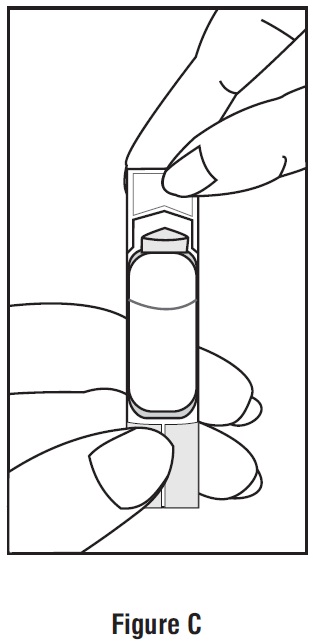
C (Levalbuterol Figure C)
D (Levalbuterol Figure D)
E (Levalbuterol Figure E1 E2)
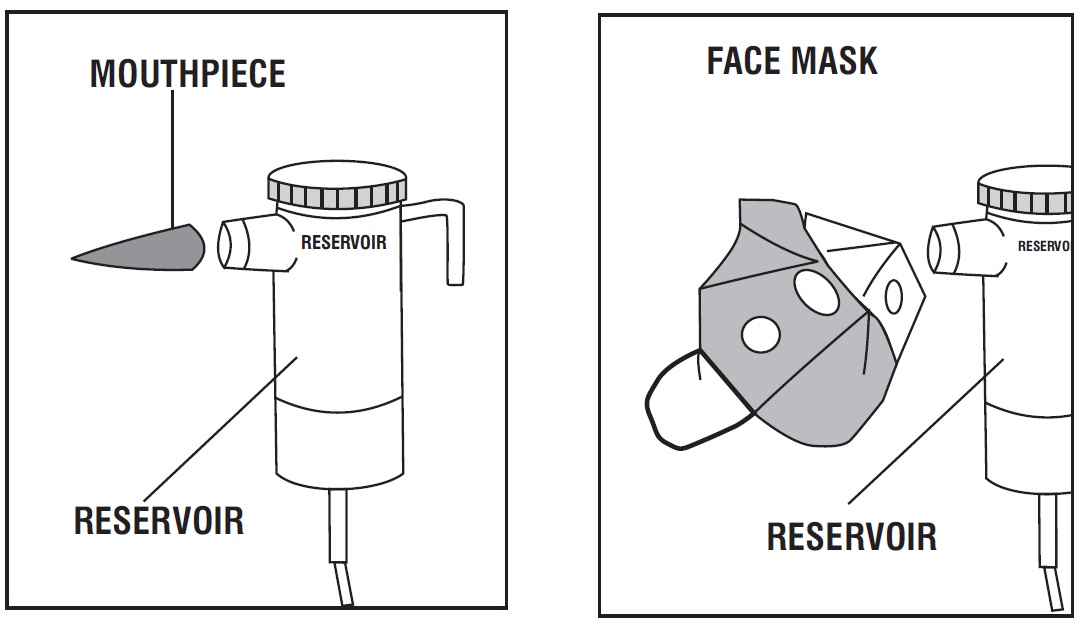
F (Levalbuterol Figure F)
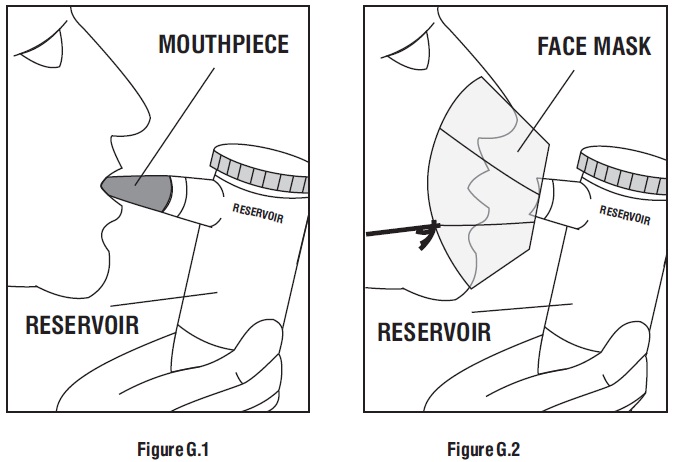
G (Levalbuterol Figure G1 G2)
Levalbuterol-label-1 (Levalbuterol Label 1)
Levalbuterol Inhalation Solution, USP is a medication provided as unit-dose vials that must be stored correctly in the protective foil pouch. The solution is used for inhalation only and has a potency expressed as levalbuterol. Each vial contains 0.31 g (0.0103%) of levabuterol, and the solution is adjusted to pH 4.0 by adding sodium chloride, edetate isodium, and sulfuric acid. The solution does not contain preservatives and should be used only as directed by a physician. It comes in a package containing 30 X 3 mL sterile unit-dose vials, with five unit-dose vials per pouch and six pouches per carton. It is distributed by Sun Pharmaceutical Industries, Inc. and manufactured by Sun Pharmaceutical Medicare Limited. All specific storage and usage instructions are mentioned in detail.*
2 (Levalbuterol Label 2)
This is a description of a Levalbuterol Inhalation solution. The solution has a strength of 0.63 mg/3 mL and is for oral inhalation only. It comes in a carton of six pouches, with five Unit-Dose Vials in each pouch. The NDC code for the product is 47335.746.52. The has also captured some irrelevant text that cannot be identified.*
Levalbuterol-label-3 (Levalbuterol Label 3)
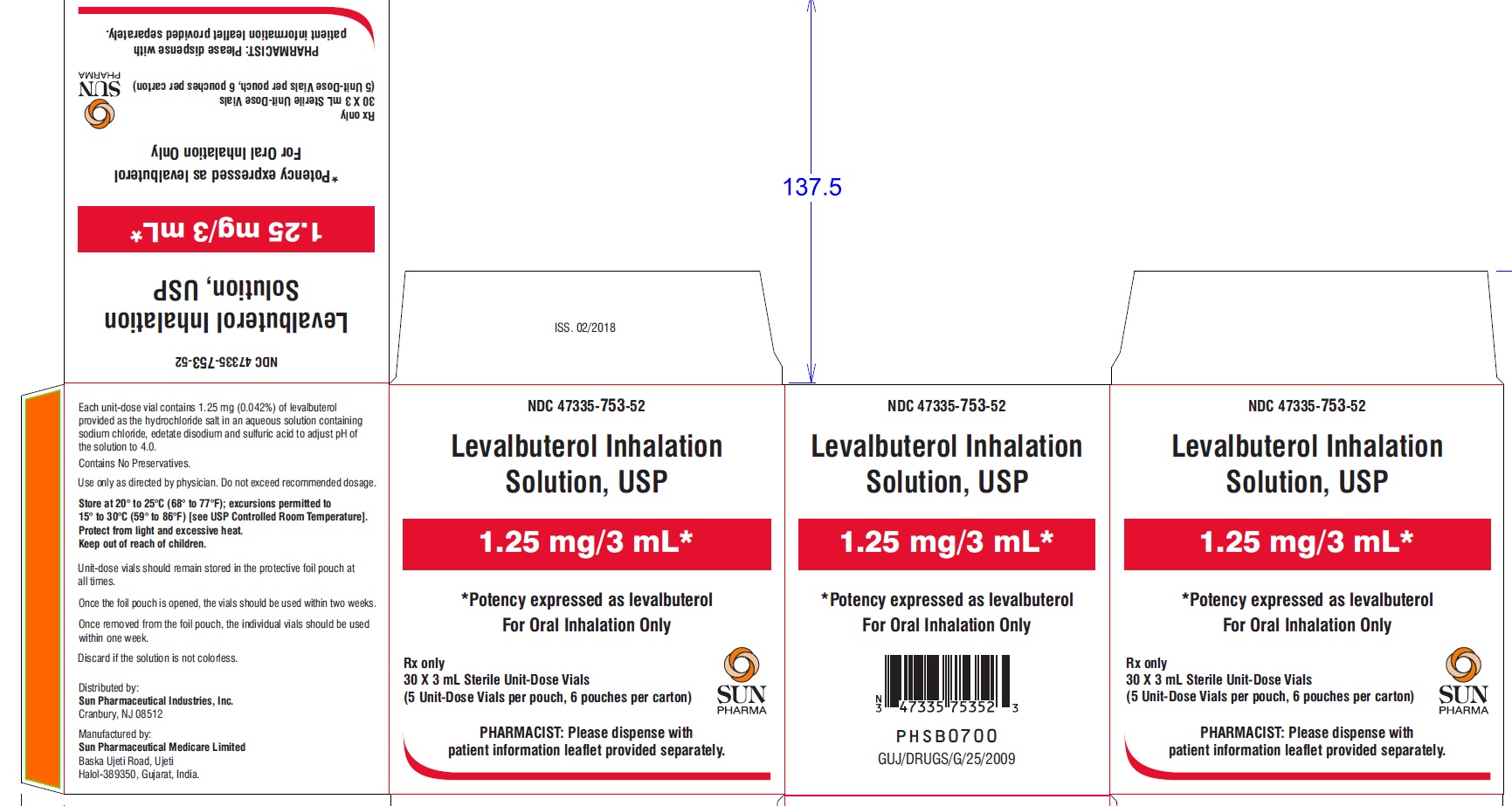
Levalbuterol Inhalation Solution, USP is a prescription medicine that comes in unit-dose vials each containing 1.25 mg of levabuterol. These vials are provided as hydrochloride in an aqueous solution containing sodium chloride, edetate disodium, and sulfuric acid. The solution has a pH of 4.0 and no preservatives. The vials should be stored at 20° to 25°C (68° to 77°F) and can be stored between 15° to 30°C (59° to 86°F). Once the foil pouch is opened, the vials should be used within two weeks, and when removed from the foil pouch, each vial should be used within one week. The unit-dose vias should remain stored in the protective foil pouch at all times. The product is manufactured by Sun Pharmaceutical Medicare Limited, Gujarat, India, and distributed by Sun Pharmaceutical Industries, Inc., Cranbury, NJ.*
* These product label images have been analyzed using experimental machine learning. Please verify findings with the primary label text.