Buprenorphine Transdermal System Patch, Extended Release
Product Images NDC 47781-419

View Photos of Packaging, Regulatory Labels, and Product Appearance

Product Visual Gallery

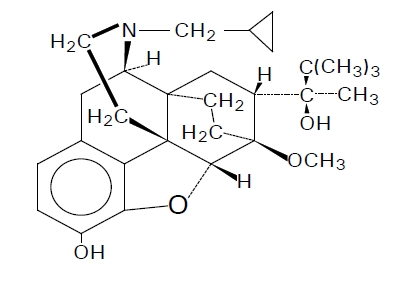
This gallery contains 24 technical images submitted to the FDA as part of the official labeling for Buprenorphine Transdermal System (NDC 47781-419). Unlike standard consumer photos, these assets often include clinical data figures, molecular chemical structures, and official manufacturer packaging layouts.

As provided by Alvogen Inc., these visuals offer a comprehensive scientific overview of the product's physical and chemical identity, aiding pharmacists and researchers in product verification and study.

FDA Label Image

10 Mcg Per Hour Carton (Carton 10mcg Hr)
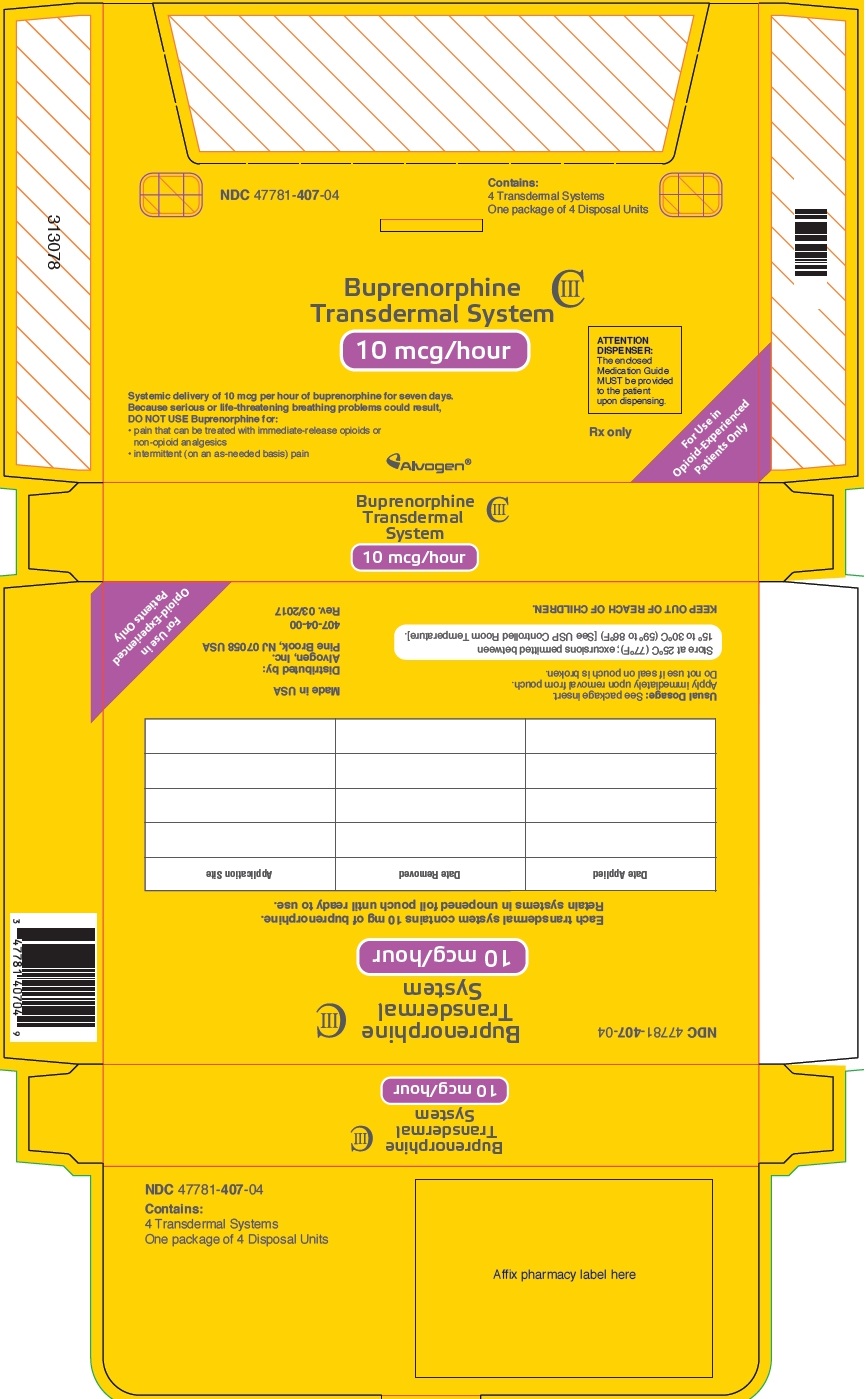
10 Mcg Per Hour Carton (Carton 10mcg Hr)
NDC 47781-407-04 package contains four disposal units of Buprenorphine @ Transdermal System with a strength of 10 mcg/hour. It is not recommended to use Buprenorphine in case of immediate contact with the skin or with other medication like Roxonly. The package requires an official pharmacy label to be affixed.*
FDA Label Image

15 Mcg Per Hour Carton (Carton 15mcg Hr)

FDA Label Image

20 Mcg Per Hour Carton (Carton 20mcg Hr)

20 Mcg Per Hour Carton (Carton 20mcg Hr)
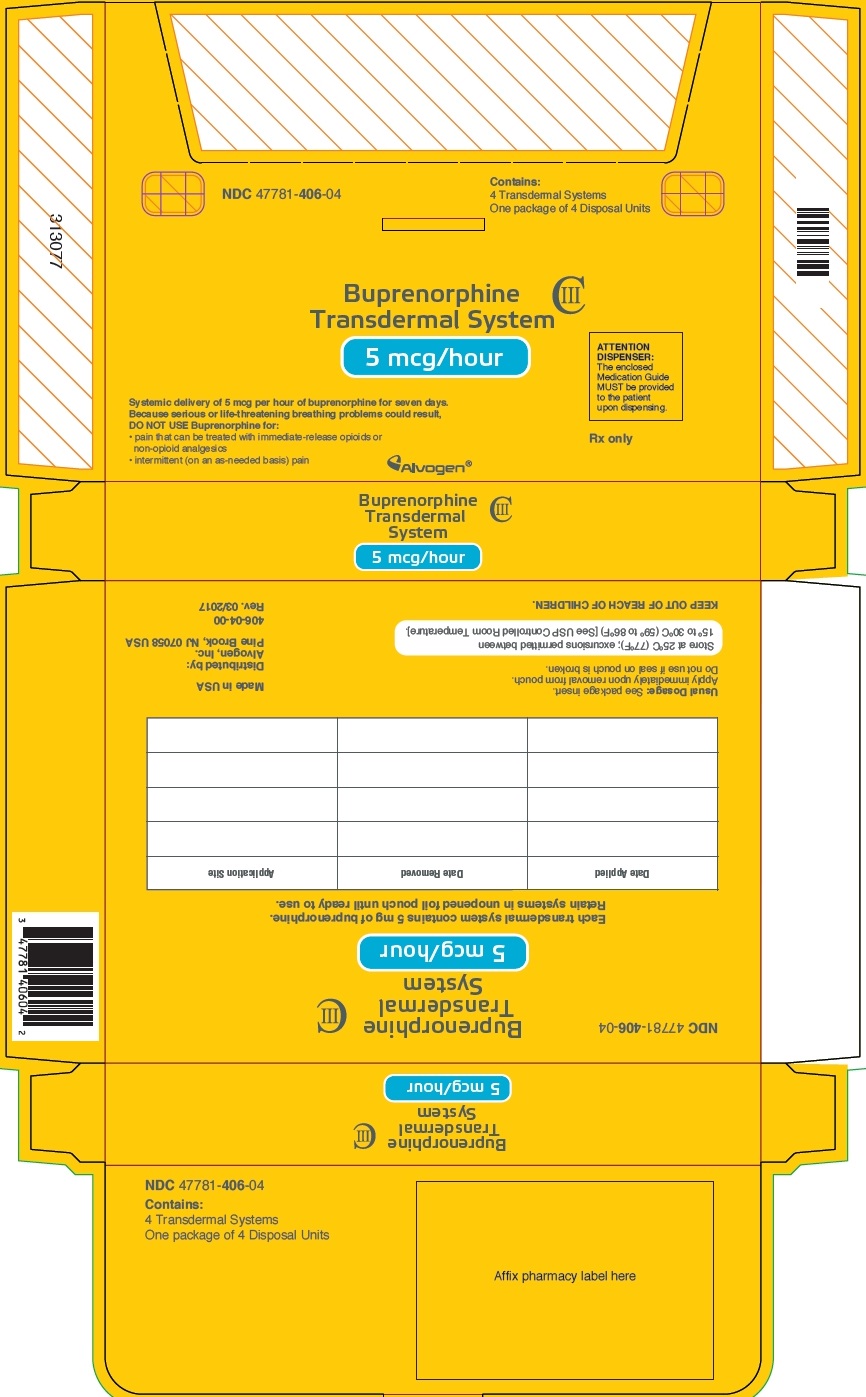
This is a product description of a Transdermal System containing Buprenorphine used for pain management. Each system has a 20mcg/hour dose delivery for seven days. It is specifically designed for chronic pain that cannot be treated with immediate-release opioids. The package contains four disposal units. The text also includes a barcode and a product code.*
FDA Label Image

5 Mcg Per Hour Carton (Carton 5mcg Hr)

FDA Label Image

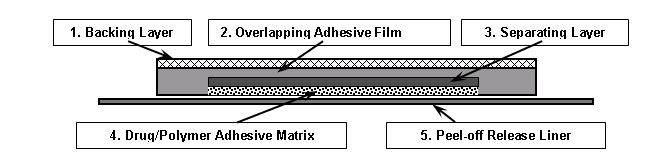
Figure 1 (Figure 1)

Figure 1 (Figure 1)
This appears to be a list of components that may belong to a drug delivery system or medical adhesive. The list includes: Backing Laver, Overlapping Adhesive Film, Separating Layer, Drug/Polymer Adhesive Matrix, and Peel.off Release Liner. It is not clear what the purpose or function of these components are or how they relate to each other without further context.*
FDA Label Image

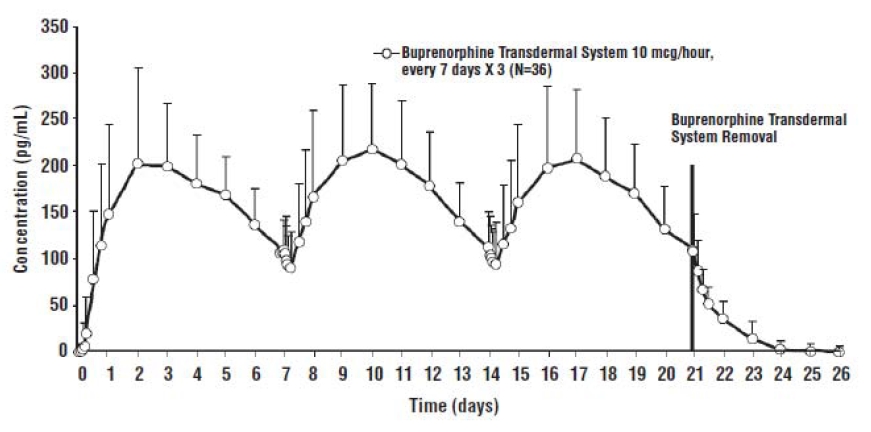
Figure 2 (Figure 2)

FDA Label Image

Figure 3 (Figure 3)

Figure 3 (Figure 3)
The document shows a chart indicating the percentage of reduction/improvement in pain for patients treated with a placebo compared to those treated with Buprenorphine Transdermal System 10/20. The chart displays a range from 0% to 280%. The patients treated with Buprenorphine Transdermal System 10/20 showed considerably better pain reduction/improvement than the placebo.*
FDA Label Image

Figure 4 (Figure 4)

Figure 4 (Figure 4)
This is a table that shows the percentage of improvement in pain in patients who used Buprenorphine Transdermal System 5 and 20. The values range from 100% to 10%; however, some numbers are missing or unreadable. The highest improvement percentage reported is 4 at 100% and 80%. The lowest improvement percentage reported is 1 at 50%.*
FDA Label Image

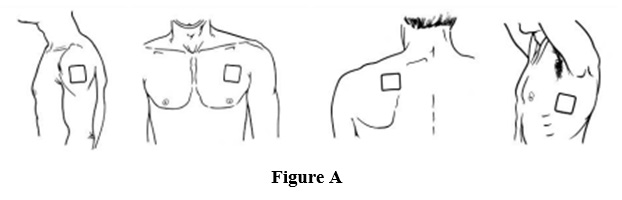
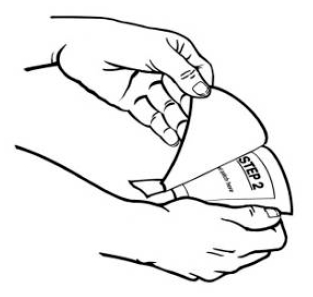
Figure A (Figure A)

FDA Label Image

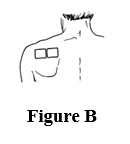
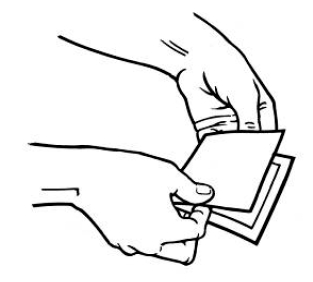
Figure B (Figure B)

FDA Label Image

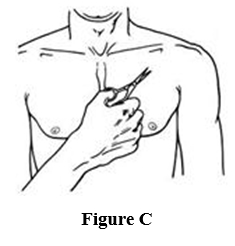
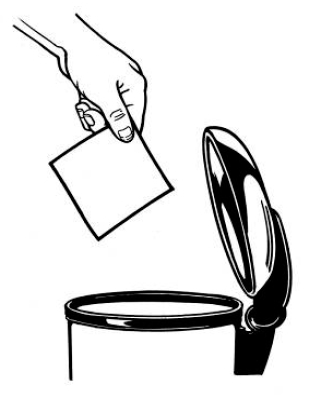
Figure C (Figure C)

FDA Label Image

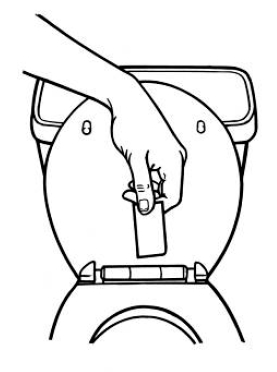
Figure D (Figure D)

FDA Label Image

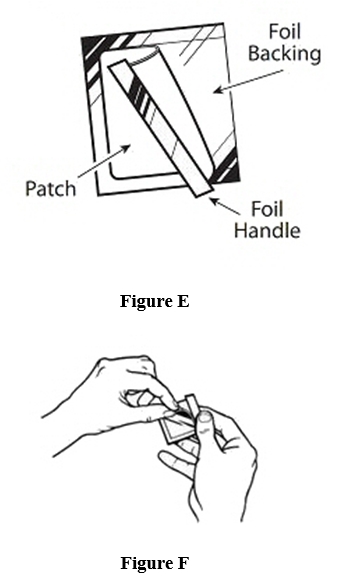
Figures E-f (Figure E F)

FDA Label Image

Figure G (Figure G)

FDA Label Image

Figure H (Figure H)

FDA Label Image

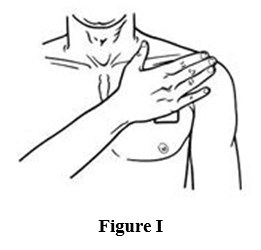
Figure I (Figure I)

FDA Label Image

Figure J (Figure J)

FDA Label Image

Figure K (Figure K)

FDA Label Image

Figure L (Figure L)

FDA Label Image

Figure M (Figure M)

FDA Label Image

Figure N (Figure N)

FDA Label Image

Figure O (Figure O)

FDA Label Image

Chemical Structure (Structure)

FDA Label Image

Table 1 (Table 1)

Table 1 (Table 1)
This text provides information on the recommended starting doses for buprenorphine transdermal system and the range of previous opioid analgesic daily dose, measured in oral morphine equivalent. The recommended starting dose for the transdermal system is not specified in the text.*

* These product label images have been analyzed using experimental machine learning. Please verify findings with the primary label text.