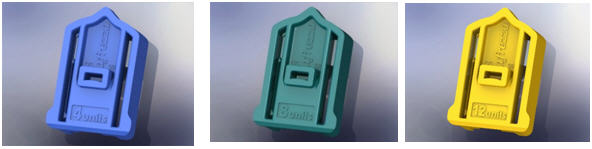
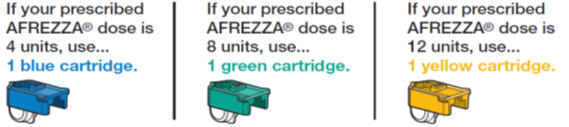
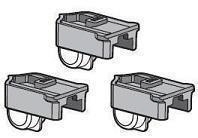
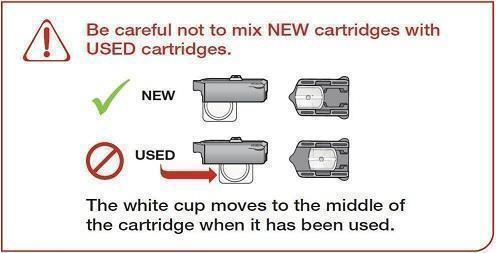
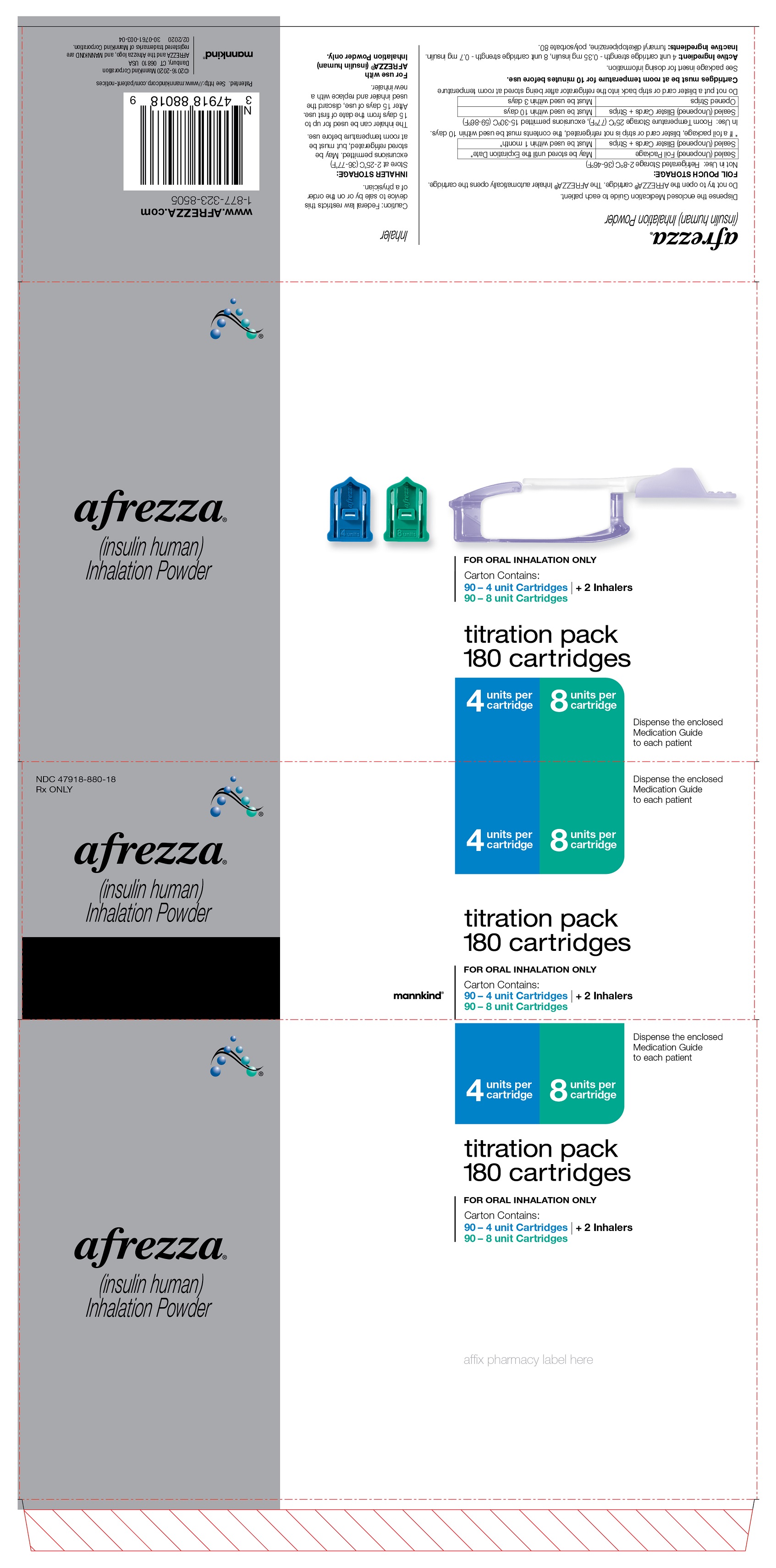
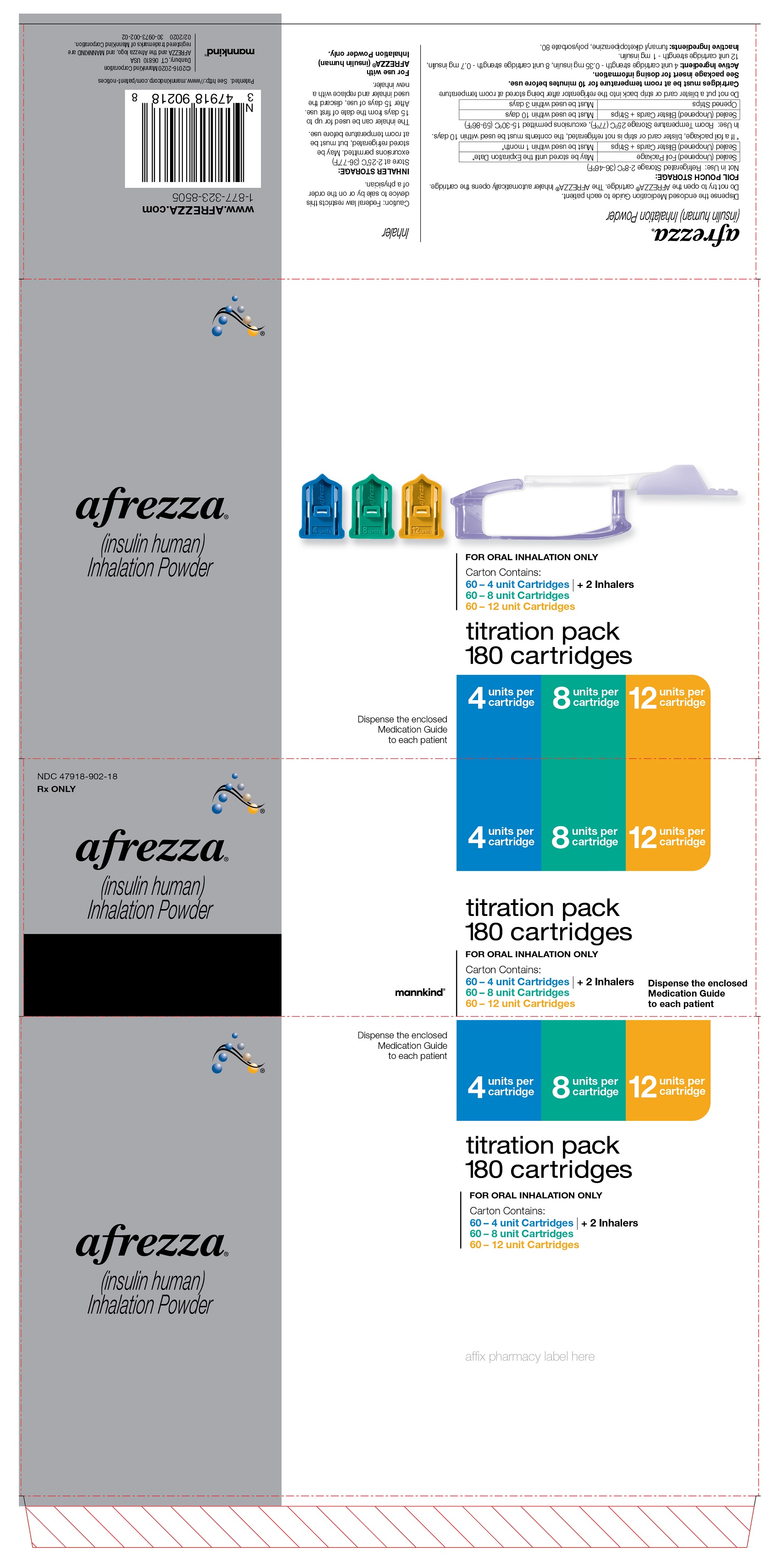
- Insulin Naïve Individuals: Start on 4 units of AFREZZA at each meal.
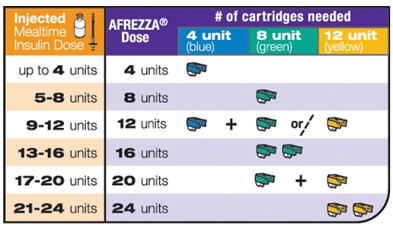
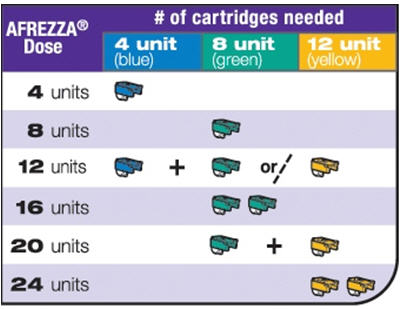
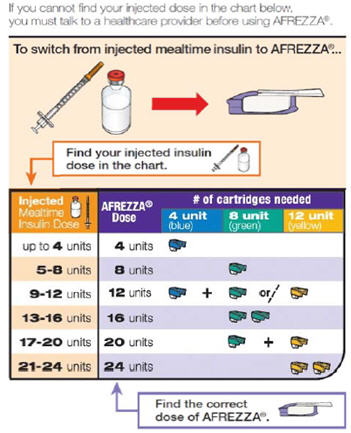
- Individuals Using Subcutaneous Mealtime (Prandial) Insulin: Determine the appropriate AFREZZA dose for each meal by converting from the injected dose using Figure 1.
- Individuals Using Subcutaneous Pre-mixed Insulin: Estimate the mealtime injected dose by dividing half of the total daily injected pre-mixed insulin dose equally among the three meals of the day. Convert each estimated injected mealtime dose to an appropriate AFREZZA dose using Figure 1. Administer half of the total daily injected pre-mixed dose as an injected basal insulin dose.
Step 2: Mealtime Dose Adjustment
Adjust the dosage of AFREZZA based on the individual's metabolic needs, blood glucose monitoring results and glycemic control goal.
Dosage adjustments may be needed with changes in physical activity, changes in meal patterns (i.e., macronutrient content or timing of food intake), changes in renal or hepatic function or during acute illness [see Warnings and Precautions (5.3), and Use in Specific Populations (8.6,8.7)].
Carefully monitor blood glucose control in patients requiring high doses of AFREZZA. If, in these patients, blood glucose control is not achieved with increased AFREZZA doses, consider use of subcutaneous mealtime insulin.
Figure 1. Mealtime AFREZZA Starting Dose Conversion Table
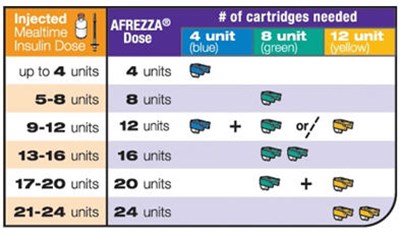
Figure 1 Mealtime Afrezza Starting Dose Conversion Table (Afrezza 01)
Risk Mitigation Strategies for Hypoglycemia
Patients and caregivers must be educated to recognize and manage hypoglycemia. Self-monitoring of blood glucose plays an essential role in the prevention and management of hypoglycemia. In patients at higher risk for hypoglycemia and patients who have reduced symptomatic awareness of hypoglycemia, increased frequency of blood glucose monitoring is recommended.
Hypoglycemia
Hypoglycemia is the most commonly observed adverse reaction in patients using insulin, including AFREZZA [see Warnings and Precautions (5.3)]. The incidence of severe and non-severe hypoglycemia of AFREZZA versus placebo in patients with type 2 diabetes is shown in Table 3. A hypoglycemic episode was recorded if a patient reported symptoms of hypoglycemia with or without a blood glucose value consistent with hypoglycemia. Severe hypoglycemia was defined as an event with symptoms consistent with hypoglycemia requiring the assistance of another person and associated with either a blood glucose value consistent with hypoglycemia or prompt recovery after treatment for hypoglycemia.
Table 3. Incidence of Severe and Non-Severe Hypoglycemia in a Placebo-Controlled Study of Patients with Type 2 Diabetes | Placebo
(N=176) | AFREZZA
(N=177) |
|---|
| Severe Hypoglycemia | 1.7% | 5.1% |
| Non-Severe Hypoglycemia | 30% | 67% |
Cough
Approximately 27% of patients treated with AFREZZA reported cough, compared to approximately 5.2% of patients treated with comparator. In clinical trials, cough was the most common reason for discontinuation of AFREZZA therapy (2.8% of AFREZZA-treated patients).
Pulmonary Function Decline
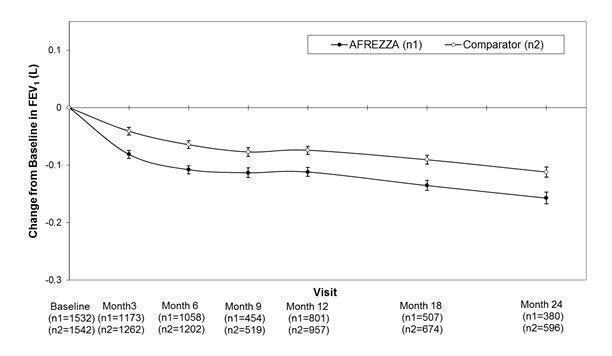
In clinical trials lasting up to 2 years, excluding patients with chronic lung disease, patients treated with AFREZZA had a 40 mL (95% CI: -80, -1) greater decline from baseline in forced expiratory volume in one second (FEV1) compared to patients treated with comparator anti-diabetes treatments. The decline occurred during the first 3 months of therapy and persisted over 2 years (Figure 2). A decline in FEV1 of ≥ 15% occurred in 6% of AFREZZA-treated subjects compared to 3% of comparator-treated subjects.
Figure 2. Mean (+/-SE) Change in FEV1 (Liters) from Baseline for Type 1 and Type 2 Diabetes Patients

Figure 2 (Mean Change in FEV)
Weight Gain
Weight gain may occur with some insulin therapies, including AFREZZA. Weight gain has been attributed to the anabolic effects of insulin and the decrease in glycosuria. In a clinical trial of patients with type 2 diabetes [see Clinical Studies (14.3)], there was a mean 0.49 kg weight gain among AFREZZA-treated patients compared with a mean 1.13 kg weight loss among placebo-treated patients.
Antibody Production
Increases in anti-insulin antibody concentrations have been observed in patients treated with AFREZZA. Increases in anti-insulin antibodies are observed more frequently with AFREZZA than with subcutaneously injected mealtime insulins. Presence of antibody did not correlate with reduced efficacy, as measured by HbA1c and fasting plasma glucose, or specific adverse reactions.
Disposition
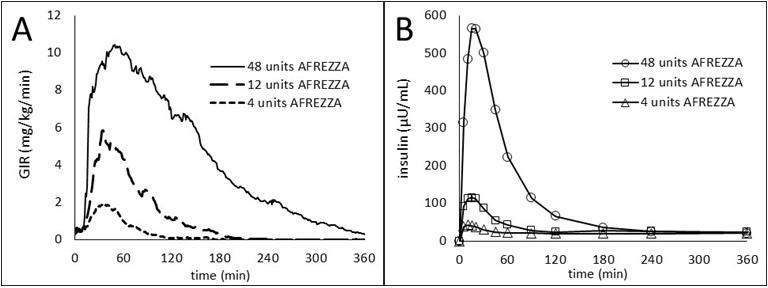
Systemic insulin disposition (apparent terminal half-life) following oral inhalation of 4 to 48 units of AFREZZA was 120-206 minutes.
Variability
Intrapatient variability in insulin exposure measured by AUC and Cmax is approximately 16% (95% CI 12-23%) and 21% (95% CI 16-30%), respectively.
Metabolism and Elimination
The metabolism and elimination of AFREZZA are comparable to regular human insulin.
Carrier Particles
Clinical pharmacology studies showed that carrier particles [see Description (11.1)] are not metabolized and are eliminated unchanged in the urine following the lung absorption. Following oral inhalation of AFREZZA, a mean of 39% of the inhaled dose of carrier particles was distributed to the lungs and a mean of 7% of the dose was swallowed. The swallowed fraction was not absorbed from the GI tract and was eliminated unchanged in the feces.
Drug Interaction: Bronchodilators and Inhaled Steroids
Albuterol increased the AUC insulin administered by AFREZZA by 25% in patients with asthma. Effect of fluticasone on insulin exposures following AFREZZA administration has not been evaluated in patients with asthma; however, no significant change in insulin exposure was observed in a study in healthy volunteers. Frequent glucose monitoring and dose reduction may be necessary for AFREZZA if it is co-administered with albuterol.
Inhaler Storage:
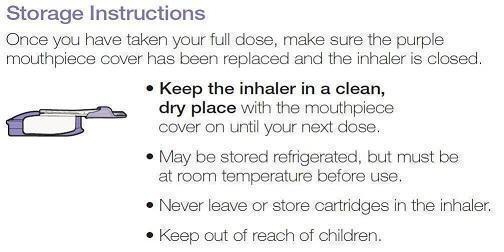
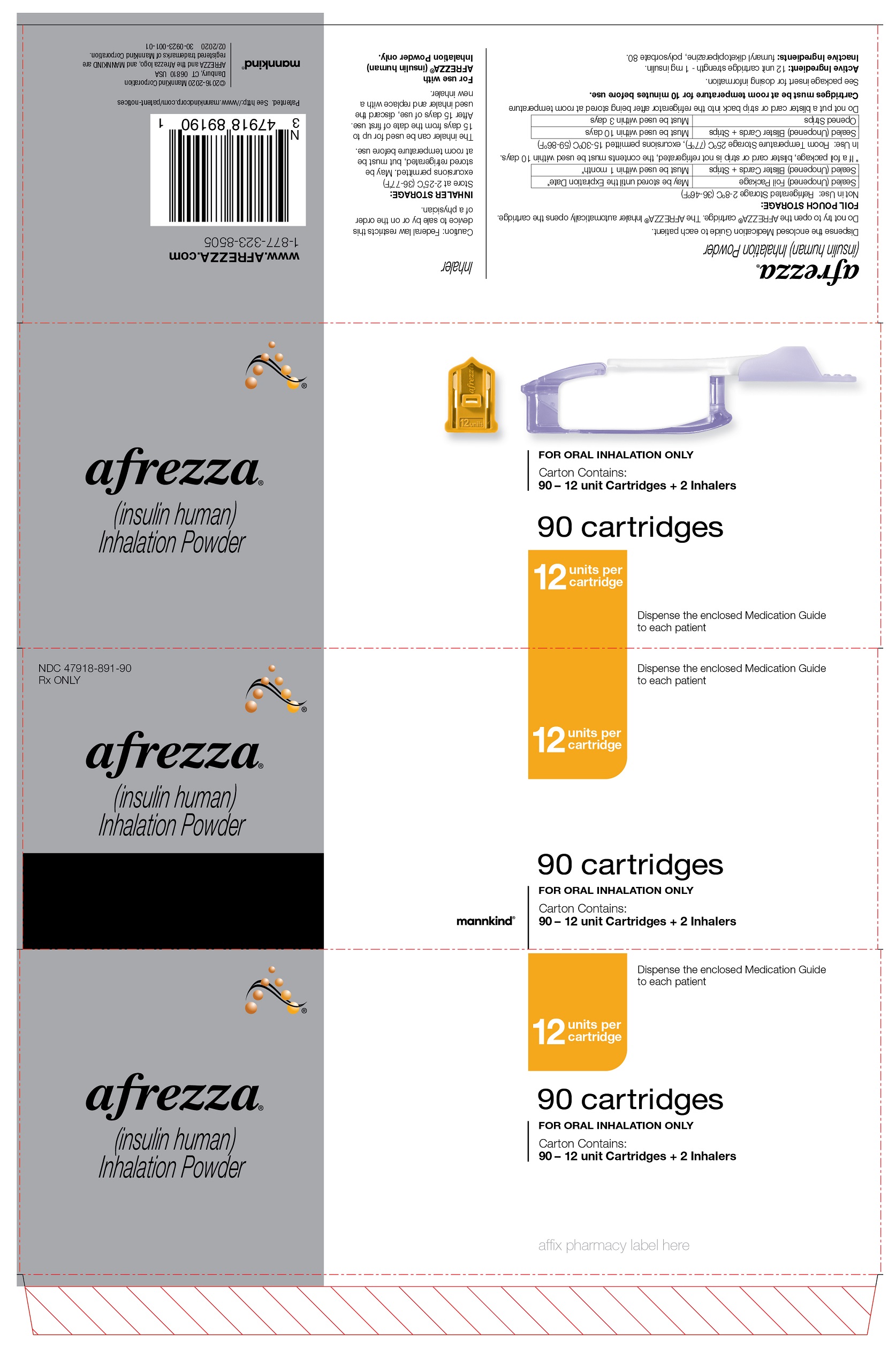
Store at 2–25°C (36–77°F); excursions permitted. Inhaler may be stored refrigerated, but should be at room temperature before use.
Handling:
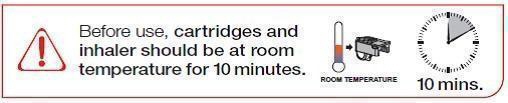
Before use, cartridges should be at room temperature for 10 minutes.
Instructions
Instruct patients to read the Medication Guide before starting AFREZZA therapy and to reread it each time the prescription is renewed, because information may change. Instruct patients to inform their healthcare provider or pharmacist if they develop any unusual symptom, or if any known symptom persists or worsens.
Inform patients of the potential risks and benefits of AFREZZA and of alternative modes of therapy. Inform patients about the importance of adherence to dietary instructions, regular physical activity, periodic blood glucose monitoring and HbA1c testing, recognition and management of hypoglycemia and hyperglycemia, and assessment for diabetes complications. Advise patients to seek medical advice promptly during periods of stress such as fever, trauma, infection, or surgery, as medication requirements may change.
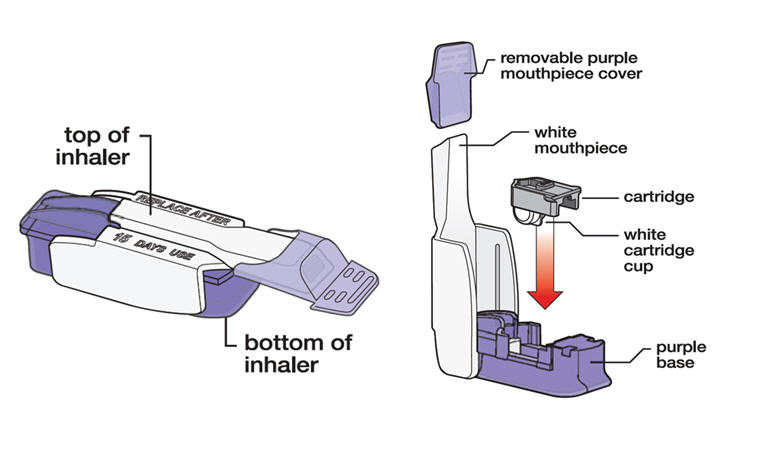
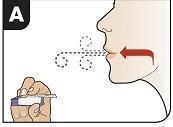
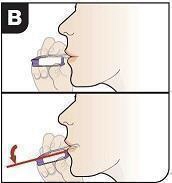
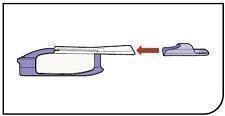
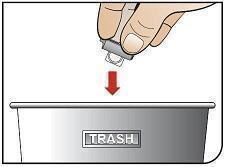
Instruct patients to use AFREZZA only with the AFREZZA inhaler.
Inform patients that the most common adverse reactions associated with the use of AFREZZA are hypoglycemia, cough, and throat pain or irritation.
Advise women with diabetes to inform their physician if they are pregnant or are planning to become pregnant while using AFREZZA.
Acute Bronchospasm in Patients with Chronic Lung Disease
Advise patients to inform their physicians if they have a history of lung disease, because AFREZZA should not be used in patients with chronic lung disease (e.g., asthma, COPD, or other chronic lung disease(s)) [see Contraindications (4) and Warnings and Precautions (5.1)].
Advise patients that if they experience any respiratory difficulty after inhalation of AFREZZA, they should report it to their physician immediately for assessment.
Hypoglycemia
Instruct patients on self-management procedures including glucose monitoring, proper inhalation technique, and management of hypoglycemia and hyperglycemia especially at initiation of AFREZZA therapy. Instruct patients on handling of special situations such as intercurrent conditions (illness, stress, or emotional disturbances), an inadequate or skipped insulin dose, inadvertent administration of an increased insulin dose, inadequate food intake, and skipped meals.
Instruct patients on the management of hypoglycemia. Inform patients that their ability to concentrate and react may be impaired as a result of hypoglycemia. Advise patients who have frequent hypoglycemia or reduced or absent warning signs of hypoglycemia to use caution when driving or operating machinery [see Warnings and Precautions (5.3)].
Decline in Pulmonary Function and Monitoring
Inform patients that AFREZZA can cause a decline in lung function and their lung function will be evaluated by spirometry before initiation of AFREZZA treatment [see Warnings and Precautions (5.4)].
Lung Cancer
Inform patients to promptly report any signs or symptoms potentially related to lung cancer [see Warnings and Precautions (5.5)].
Diabetic Ketoacidosis
Instruct patients to carefully monitor their blood glucose during illness, infection, and other risk situations for diabetic ketoacidosis and to contact their healthcare provider if their blood glucose control worsens [see Warnings and Precautions (5.6)].
Hypersensitivity Reactions
Advise patients that hypersensitivity reactions can occur with insulin therapy including AFREZZA. Inform patients on the symptoms of hypersensitivity reactions [see Warnings and Precautions (5.7)].
AFREZZA is a registered trademark owned by MannKind Corporation
Patented: http://www.mannkindcorp.com/research-development/patent-notices
MannKind Corporation
Danbury, CT 06810