Drospirenone And Ethinyl Estradiol Kit
Product Images NDC 50090-2494

View Photos of Packaging, Regulatory Labels, and Product Appearance

Product Visual Gallery

This gallery contains 10 technical images submitted to the FDA as part of the official labeling for Drospirenone And Ethinyl Estradiol (NDC 50090-2494). Unlike standard consumer photos, these assets often include clinical data figures, molecular chemical structures, and official manufacturer packaging layouts.

As provided by A-s Medication Solutions, these visuals offer a comprehensive scientific overview of the product's physical and chemical identity, aiding pharmacists and researchers in product verification and study.

FDA Label Image

Figure1 (Figure1)

Figure1 (Figure1)
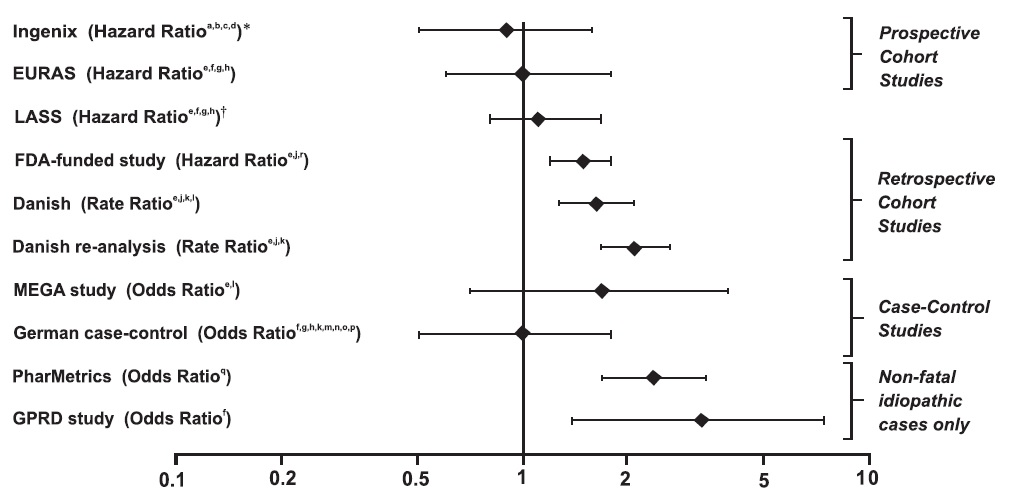
This text seems to be describing different hazard, rate, and odds ratio studies conducted in different countries and funded by different organizations. It also mentions the types of studies conducted, such as prospective and retrospective cohort studies, case-control studies, and non-fatal idiopathic cases only. The numbers at the bottom may indicate some sort of numerical data. Overall, this text seems to be a list or summary of different medical studies and their respective ratios and study types.*
FDA Label Image

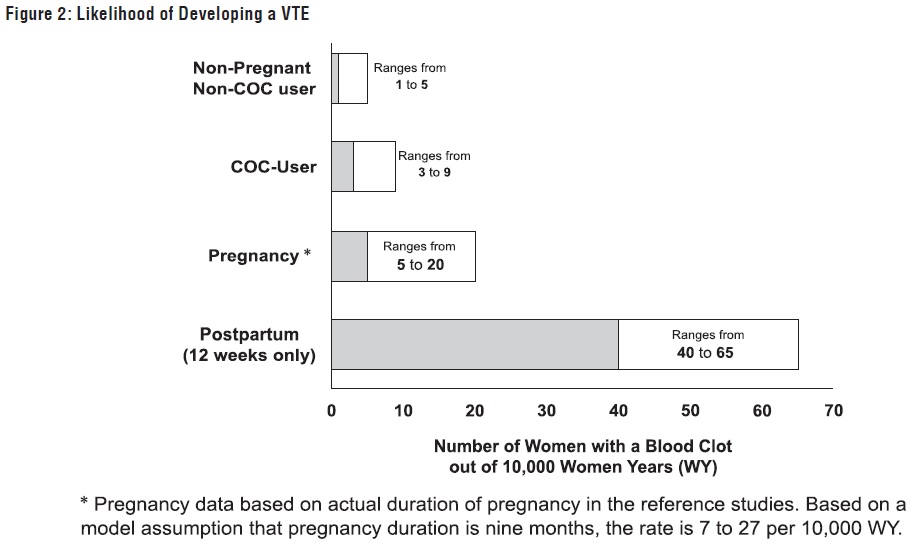
Figure2 (Figure2)

Figure2 (Figure2)
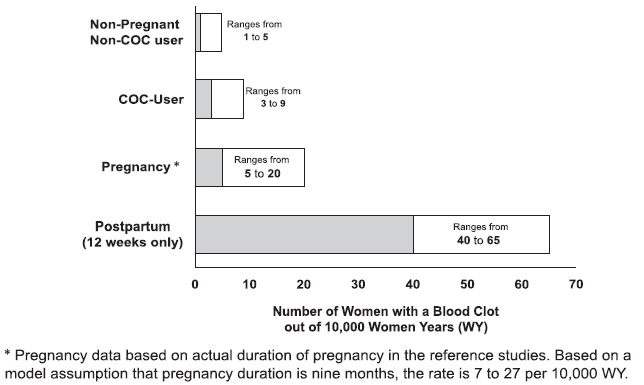
This is a figure showing the likelihood of developing a blood clot (VTE) for non-pregnant COC (contraceptive pill) users and non-users, pregnant women and postpartum women (up to 12 weeks). The number of women with a blood clot per 10,000 women years is shown on the y-axis. The background text provides additional information on the ranges of likelihood for each group. The pregnancy data is based on the actual duration of pregnancy in the reference studies and also mentions an assumed rate for pregnancy durations of 9 months.*
FDA Label Image

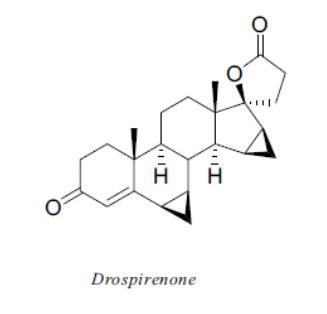
Drospirenone Structure (Image 03)

Drospirenone Structure (Image 03)
Drospirenone is a medication used in birth control pills and hormone replacement therapy. It is a synthetic progestin that works by preventing ovulation and thickening cervical mucus to prevent sperm from reaching an egg.*
FDA Label Image

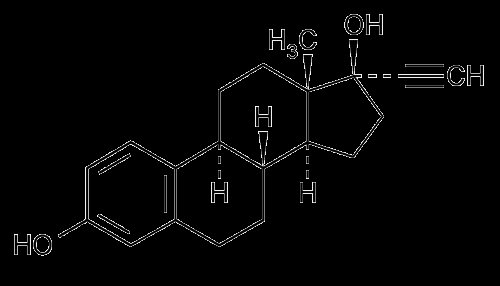
Ethinyl Estradiol Structure (Image 04)

FDA Label Image

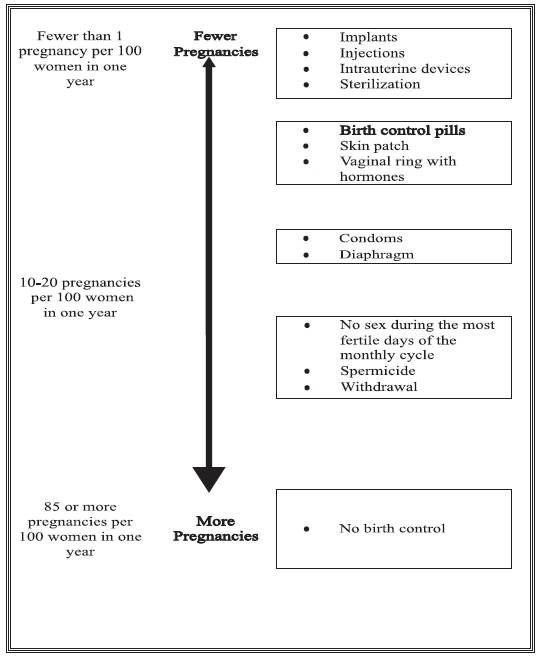
Img1 (Img1)

Img1 (Img1)
This text is a chart showing the effectiveness of different methods of birth control in preventing pregnancy. It includes the rates of pregnancies per 100 women in one year for various methods, such as hormonal implants, injections, and devices, as well as non-hormonal options like the diaphragm, spermicide, and withdrawal. It also suggests the effectiveness of abstaining from sex during the most fertile days of the monthly cycle.*
FDA Label Image

Img2 (Img2)

FDA Label Image

Img3 (Img3)

Img3 (Img3)
This is a table that lists the ranges of blood clot occurrences in non-pregnant women and non-COC users, as well as ranges for pregnancy and postpartum (up to 12 weeks only). The table shows the number of women with blood clots out of 10,000 women years (WY). The pregnancy data is based on the actual duration of pregnancy in reference studies, but a model assumption that pregnancy duration is nine months gives a rate of 7-27 per 10,000 WY.*
FDA Label Image

Label Image (Lbl500902494)

* These product label images have been analyzed using experimental machine learning. Please verify findings with the primary label text.