Qvar
Product Images NDC 50090-3033

View Photos of Packaging, Regulatory Labels, and Product Appearance

Product Visual Gallery

This gallery contains 11 technical images submitted to the FDA as part of the official labeling for Qvar (NDC 50090-3033). Unlike standard consumer photos, these assets often include clinical data figures, molecular chemical structures, and official manufacturer packaging layouts.

As provided by A-s Medication Solutions, these visuals offer a comprehensive scientific overview of the product's physical and chemical identity, aiding pharmacists and researchers in product verification and study.

FDA Label Image

Image 1

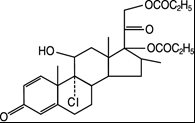
Image 1
Chemical structure diagram of the active ingredient in QVAR, showing a chlorinated steroid backbone with two ethyl carbonate ester groups and a hydroxyl group attached.*
FDA Label Image

Image 2

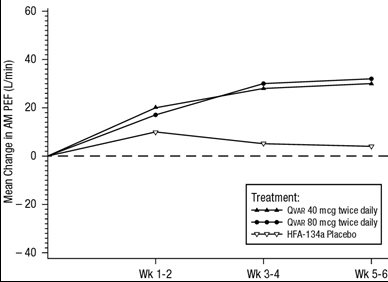
Image 2
A line graph displaying the mean change in AM PEF (L/min) over a 6-week period. It compares three treatments: QVAR 40 mcg twice daily, QVAR 80 mcg twice daily, and HFA-134a placebo, showing the progression of peak expiratory flow from week 1 to week 6.*
FDA Label Image

Image 3

Image 3
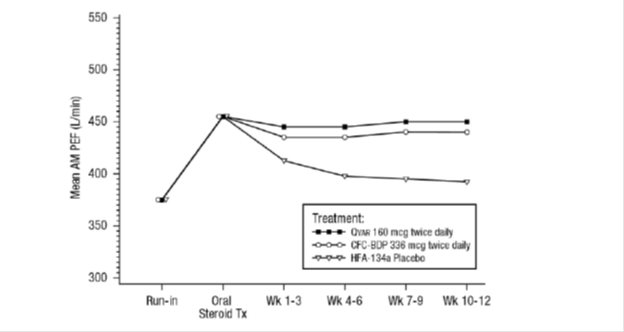
This line graph depicts the mean AM PEF (L/min) over time from Run-in through Week 12 for three treatments: QVAR 160 mcg twice daily, CFC-BDP 336 mcg twice daily, and HFA-134a placebo. The x-axis shows time points including Run-in, Oral Steroid Tx, and weekly intervals while the y-axis measures mean AM PEF in liters per minute. The graph illustrates changes in lung function across treatment periods.*
FDA Label Image

Image 4

Image 4
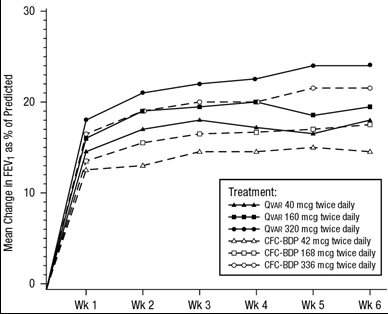
A line graph depicting the mean change in FEV1 as a percentage of predicted over six weeks for different treatments: QVAR 40 mcg, 160 mcg, and 320 mcg twice daily, and CFC-BDP 42 mcg, 168 mcg, and 336 mcg twice daily. The x-axis represents weeks, and the y-axis represents the percentage change in FEV1 predicted. Lines show the trend of lung function improvement over time for each dosage group.*
FDA Label Image

Image 5

Image 5
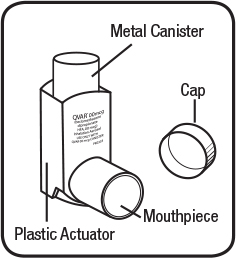
An instructional diagram of a QVAR inhaler highlighting its parts: metal canister, plastic actuator, mouthpiece, and cap. The image provides a labeled visual reference for the device components.*
FDA Label Image

Image 6

Image 6
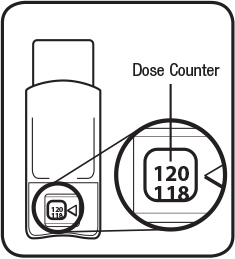
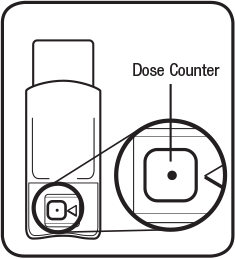
An illustration showing the dose counter on a QVAR inhaler. The dose counter displays the number of doses remaining, highlighted in the image with a close-up view indicating a count of 118 out of 120 doses.*
FDA Label Image

Image 7

Image 7
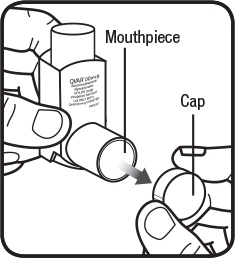
An instructional illustration showing a hand holding a QVAR inhaler labeled with text and aimed to insert its mouthpiece into a separate cap. The diagram highlights the mouthpiece and cap components during assembly.*
FDA Label Image

Image 8

Image 8
An instructional diagram showing a QVAR inhaler with a zoomed-in view highlighting the dose counter window on the device. The illustration emphasizes locating the dose counter for tracking remaining doses.*
FDA Label Image

Image 9

Image 9
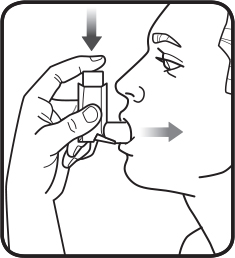
An instructional illustration depicting a person using an inhaler device by placing the mouthpiece into the mouth and pressing down on the top of the inhaler to release medication.*
FDA Label Image

Label Image (Lbl500901342)

Label Image (Lbl500901342)
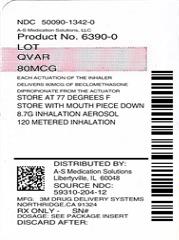
Label for QVAR 80 MCG inhalation aerosol distributed by A-S Medication Solutions, Libertyville, IL. The label includes usage instructions, storage conditions, and manufacturer details, indicating 120 metered inhalations per container.*
FDA Label Image

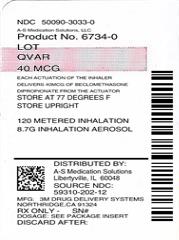
Lbl500903033

Lbl500903033
Packaging label for QVAR 40 mcg inhalation aerosol by A-S Medication Solutions. The label includes product number 6734-0, lot number, and storage instructions to store at 77 degrees Fahrenheit upright. The container holds 120 metered inhalations with 8.7 grams net weight. Distributed by A-S Medication Solutions, Libertyville, Illinois.*

* About these descriptions: Image descriptions on this page are generated by automated AI analysis of the product label images from the manufacturer's FDA label submission (SPL). They are provided for reference only and may contain errors or omissions. Always rely on the printed label itself and the official FDA labeling, and consult a pharmacist or healthcare professional with any questions about this product.