Levetiracetam
Product Images NDC 50090-3518
View Photos of Packaging, Regulatory Labels, and Product Appearance
Product Visual Gallery
This gallery contains 11 technical images submitted to the FDA as part of the official labeling for Levetiracetam (NDC 50090-3518). Unlike standard consumer photos, these assets often include clinical data figures, molecular chemical structures, and official manufacturer packaging layouts.
As provided by A-s Medication Solutions, these visuals offer a comprehensive scientific overview of the product's physical and chemical identity, aiding pharmacists and researchers in product verification and study.
Product Images & Figures Index
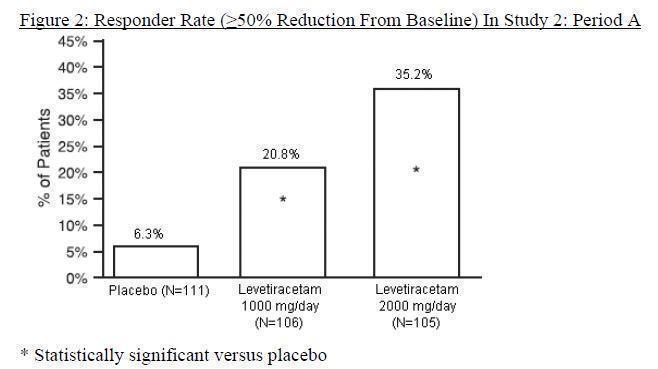
Figure 2: Responder Rate (≥50% Reduction From Baseline) In Study 2: Period A (F7b86151 8fdf 4bb8 8cd6 E6e24786df64 02)
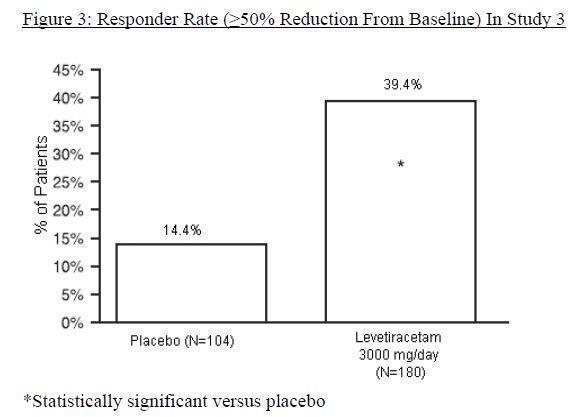
Figure 3: Responder Rate (≥50% Reduction From Baseline) In Study 3 (F7b86151 8fdf 4bb8 8cd6 E6e24786df64 03)
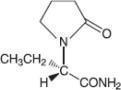
Levetiracetam Structural Formula (F7b86151 8fdf 4bb8 8cd6 E6e24786df64 04)
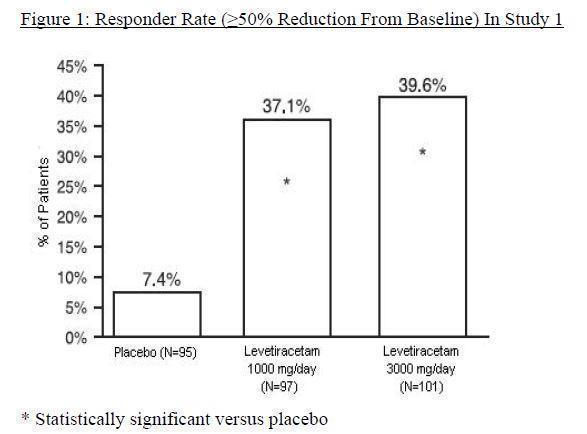
Figure 1: Responder Rate (greater Than Or Equal To 50% Reduction From Baseline) In Study 1 (F7b86151 8fdf 4bb8 8cd6 E6e24786df64 05)
The text represents a figure illustrating the responder rate (percentage of patients with >50% reduction from baseline) in Study 1. The figure shows the percentage of responders in the placebo group (N=95) and the two different doses of Levetiracetam groups (1000 mg/day, N=37, and 3000 mg/day, N=101). One of the doses of Levetiracetam showed a statistically significant increase in responder rate compared to placebo.*
Figure 3: Responder Rate (≥50% Reduction From Baseline) In Study 3 (F7b86151 8fdf 4bb8 8cd6 E6e24786df64 06)
The figure depicts the responder rate (> 50% reduction from baseline) observed during Period A in Study 2. The percentage of responders for each treatment group is shown on the y-axis. The x-axis represents the treatment groups - Placebo, Levetiracetam 1000 mg/day, and Levetiracetam 2000 mg/day. The asterisk symbol (*) indicates that the percentage of responders in the corresponding treatment group is statistically significant compared to Placebo.*
Figure 3: Responder Rate (greater Than Or Equal To 50% Reduction From Baseline) In Study 3 (F7b86151 8fdf 4bb8 8cd6 E6e24786df64 07)
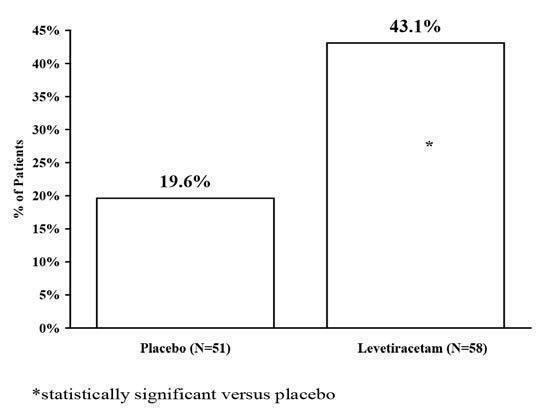
Figure 4: Responder Rate (greater Than Or Equal To 50% Reduction From Baseline) (F7b86151 8fdf 4bb8 8cd6 E6e24786df64 08)
This is a figure (Figure 4) that shows the percentage of responders in Study 4, with a reduction from the baseline dosage of 2,509. It compares the results of the placebo (97 patients) to levetiracetam (101 patients), where levetiracetam showed a statistically significant improvement in the responder rate. There are different percentage values shown on the vertical axis (ranging from 0% to 50%), but it is unclear what they represent due to the limited context.*
Figure 5 (F7b86151 8fdf 4bb8 8cd6 E6e24786df64 09)
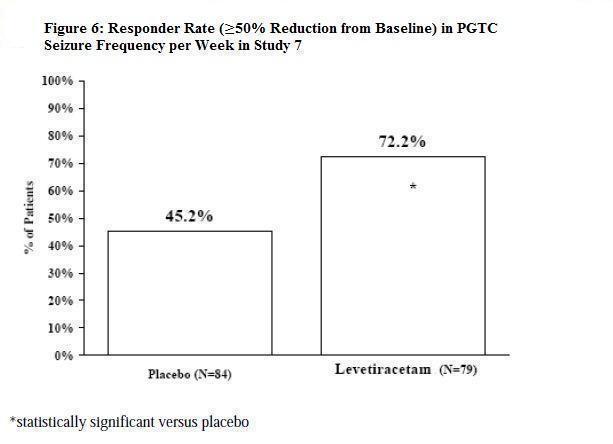
Figure 6: Responder Rate (greater Than Or Equal To 50% Reduction From Baseline) In Pgtc Seizure Frequency Per Week (F7b86151 8fdf 4bb8 8cd6 E6e24786df64 10)
The figure shows the responder rate of patients with primary generalized tonic-clonic (PGTC) seizures in Study 7. The graph indicates the percentage of patients who experienced a 50% reduction in seizure frequency from baseline. The results show that 72.2% of patients treated with levetiracetam achieved this reduction, which is statistically significant when compared to the placebo group (45.2%).*
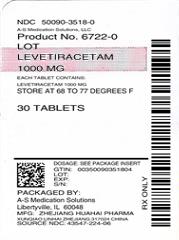
Label Image (Lbl500903518)
* These product label images have been analyzed using experimental machine learning. Please verify findings with the primary label text.