Lantus Solostar Injection, Solution
Product Images NDC 50090-4068

35 FDA label images from A-s Medication Solutions · Packaging, Regulatory Labels, and Product Appearance

Product Visual Gallery

This gallery contains 35 technical images submitted to the FDA as part of the official labeling for Lantus Solostar (NDC 50090-4068). Unlike standard consumer photos, these assets often include clinical data figures, molecular chemical structures, and official manufacturer packaging layouts.

As provided by A-s Medication Solutions, these visuals offer a comprehensive scientific overview of the product's physical and chemical identity, aiding pharmacists and researchers in product verification and study.

FDA Label Image

Figure 1 (Lantus 01)

Figure 1 (Lantus 01)
Chemical structure diagram of insulin glargine showing the A and B chains with amino acid sequence and disulfide bonds.*
FDA Label Image

Figure (Lantus 02)

Figure (Lantus 02)
A line graph comparing glucose infusion rates (mg/kg/min) over time (hours) after subcutaneous injection for insulin glargine and NPH insulin in 20 subjects each. The graph shows time on the x-axis up to 30 hours, with glucose infusion rate on the y-axis, peaking higher and earlier for NPH insulin and lower and more sustained for insulin glargine. An end of observation period is marked at around 26 hours.*
FDA Label Image

Figure (Lantus 03)

Figure (Lantus 03)
An instructional illustration showing a hand holding an opened vial, preparing it for use, likely part of dosing or administration instructions for LANTUS SOLOSTAR insulin glargine injection.*
FDA Label Image

Figure (Lantus 04)

Figure (Lantus 04)
An instructional illustration showing hands applying or removing a tape or adhesive strip from the top of a vial, likely demonstrating how to access the vial's rubber stopper for injection preparation.*
FDA Label Image

Figure (Lantus 05)

Figure (Lantus 05)
An instructional line drawing depicting hands preparing a syringe for injection. One hand holds the syringe barrel while the other adjusts the plunger, illustrating the technique to draw or release the solution. The image appears intended to guide users in injecting medication subcutaneously.*
FDA Label Image

Figure (Lantus 06)

Figure (Lantus 06)
An instructional black-and-white illustration demonstrating how to draw medication from a vial using a syringe. The image shows one hand holding the vial inverted and the other hand pulling back the syringe plunger to draw the solution into the syringe.*
FDA Label Image

Figure (Lantus 07)

Figure (Lantus 07)
An instructional line drawing showing a hand holding a syringe with an arrow indicating a downward motion, likely demonstrating injection technique or preparation steps for LANTUS SOLOSTAR insulin glargine injection solution 100 units/mL.*
FDA Label Image

Figure (Lantus 08)

Figure (Lantus 08)
An instructional illustration showing a hand holding an insulin syringe, preparing to inject or draw insulin, with an arrow indicating the direction of movement. The image likely demonstrates technique involving LANTUS SOLOSTAR insulin glargine injection.*
FDA Label Image

Figure (Lantus 09)

Figure (Lantus 09)
An instructional illustration showing a hand holding a LANTUS SOLOSTAR injection pen, demonstrating the subcutaneous injection technique by injecting the insulin solution into the skin, likely representing patient self-administration guidance.*
FDA Label Image

Figure (Lantus 10)

Figure (Lantus 10)
An instructional illustration showing the steps for preparing an injection. It depicts a hand holding a syringe and another hand pulling on the plunger, highlighting the technique for drawing medication from a vial or preparing the injection dose.*
FDA Label Image

Figure (Lantus 11)

Figure (Lantus 11)
An instructional illustration showing components of the LANTUS SOLOSTAR insulin glargine 100 IU/mL injection pen by A-S Medication Solutions. The diagram identifies the pen cap, pen needle parts (outer needle cap, inner needle cap, needle, protective seal), and pen body features including insulin reservoir with label, rubber seal, dose window, dosage selector, and injection button, illustrating the pen's design for subcutaneous injection use.*
FDA Label Image

Figure (Lantus 12)

Figure (Lantus 12)
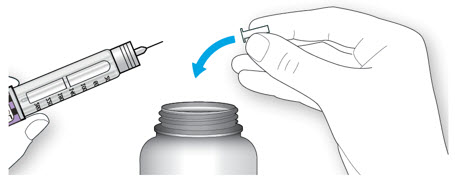
An instructional diagram showing the preparation of an injection device by removing a protective cap from the needle end, with hands holding the injector pen labeled for subcutaneous injection.*
FDA Label Image

Figure (Lantus 13)

Figure (Lantus 13)
An instructional line drawing showing hands interacting with a LANTUS SOLOSTAR injection pen. The illustration features a large red 'X' across it, indicating an action not to perform with the pen. The image emphasizes proper handling of the injection pen prior to use.*
FDA Label Image

Figure (Lantus 14)

Figure (Lantus 14)
An instructional illustration showing a hand holding an insulin glargine injection pen with a red arrow indicating a twisting or turning motion on the pen's dose selector. The image demonstrates how to adjust the dosage on the pen for subcutaneous injection.*
FDA Label Image

Figure (Lantus 15)

Figure (Lantus 15)
An instructional diagram illustrating a step in the use or preparation of an injection pen, showing a needle cap to keep and a needle to discard, indicating proper handling of injection components for subcutaneous administration.*
FDA Label Image

Figure (Lantus 16)

Figure (Lantus 16)
An instructional illustration showing a syringe with a capped needle. A hand is depicted removing the needle cap by pulling it upwards. The needle and cap are highlighted with a red circle and arrow to emphasize the action of uncapping the needle for use.*
FDA Label Image

Figure (Lantus 17)

Figure (Lantus 17)
An instructional diagram showing a hand adjusting the dose selection knob on a LANTUS SOLOSTAR insulin glargine injection pen. A red arrow indicates the direction to turn the dial to set the insulin dose.*
FDA Label Image

Figure (Lantus 18)

Figure (Lantus 18)
Illustration showing proper technique for holding an injection syringe. A hand grips the barrel of the syringe with the thumb positioned to push the plunger, and the needle pointing outward, indicated by a red arrow. This demonstrates how to administer a subcutaneous injection.*
FDA Label Image

Figure (Lantus 19)

Figure (Lantus 19)
An instructional illustration showing a hand holding a LANTUS SOLOSTAR insulin glargine injection pen, with an arrow indicating the pressing direction and a 10-second timer icon, likely demonstrating the correct injection technique or needle pressing duration.*
FDA Label Image

Figure (Lantus 20)

Figure (Lantus 20)
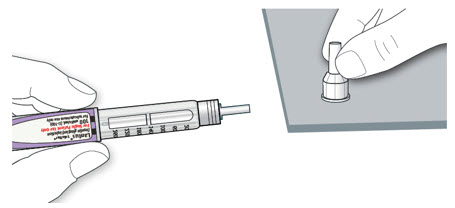
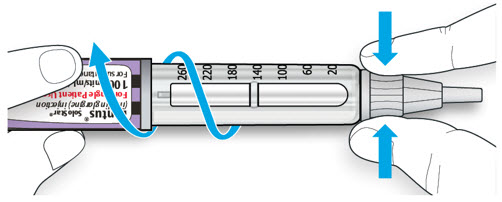
Instructional illustration showing a hand holding a LANTUS SOLOSTAR insulin glargine injection pen and another hand removing the pen needle cap, demonstrating preparation steps for subcutaneous injection.*
FDA Label Image

Figure (Lantus 21)

Figure (Lantus 21)
An instructional illustration showing a hand removing a tamper-evident seal from a bottle, with a syringe held nearby. The arrow indicates the action of peeling off the seal before withdrawing medication with the syringe.*
FDA Label Image

Figure (Lantus 22)

Figure (Lantus 22)
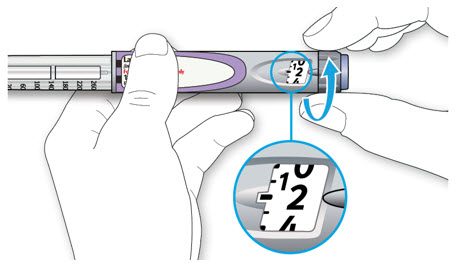
An instructional illustration showing a hand adjusting the dose dial on a LANTUS SOLOSTAR insulin glargine injection pen. A close-up inset highlights the dose window with visible measurement markings, depicting proper dose selection by rotating the dose knob.*
FDA Label Image

Figure (Lantus 23)

Figure (Lantus 23)
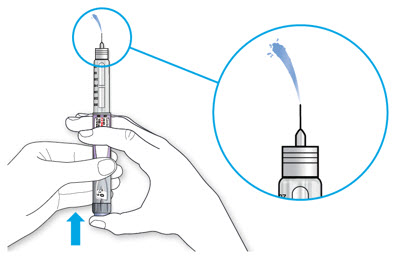
Instructional diagram showing the preparation of an injection using a syringe. The hands hold an insulin pen device with an arrow pointing upwards, indicating how to expel air or prime the needle, with a close-up inset of liquid being injected or sprayed from the needle tip.*
FDA Label Image

Figure (Lantus 24)

Figure (Lantus 24)
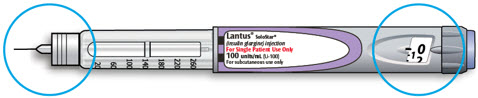
LANTUS SOLOSTAR 100 units/mL injection solution in a prefilled disposable pen for subcutaneous use. The label shows the proprietary and generic names (insulin glargine), dosage strength, and usage instructions for a single patient. The pen features a dose window and a dial mechanism for adjusting injection volume, manufactured by A-S Medication Solutions.*
FDA Label Image

Figure (Lantus 25)

Figure (Lantus 25)
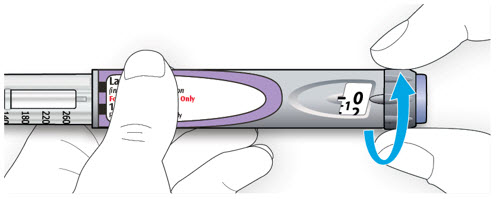
An instructional illustration showing hands adjusting the dial on a LANTUS SOLOSTAR insulin glargine injection pen. The image highlights the dial mechanism with an arrow indicating the user should turn the dial to select the insulin dose, with visible dose numbers 0, 10, and 12 on the dial.*
FDA Label Image

Figure (Lantus 26)

Figure (Lantus 26)
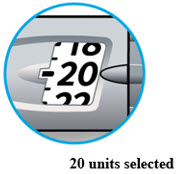
An instructional diagram showing a close-up of a dose selector window on an injection pen set to 20 units. The image highlights how the dose is displayed numerically on the pen device dial for subcutaneous injection.*
FDA Label Image

Figure (Lantus 27)

Figure (Lantus 27)
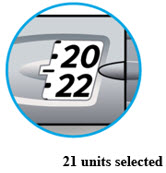
An instructional diagram showing a close-up of a dosing dial set to 21 units on the LANTUS SOLOSTAR insulin glargine injection pen, demonstrating how to select the correct dose for subcutaneous injection.*
FDA Label Image

Figure (Lantus 28)

Figure (Lantus 28)
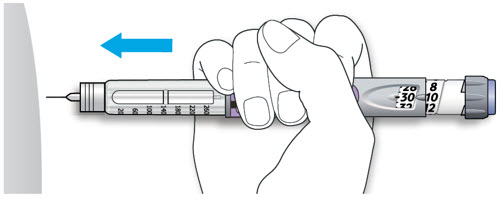
Illustration showing a hand holding a LANTUS SOLOSTAR insulin glargine injection pen. The pen's dosage dial and needle are visible, with an arrow indicating the direction to pull the plunger or dose selector backward, likely as part of the dosing or preparation instructions.*
FDA Label Image

Figure (Lantus 29)

Figure (Lantus 29)
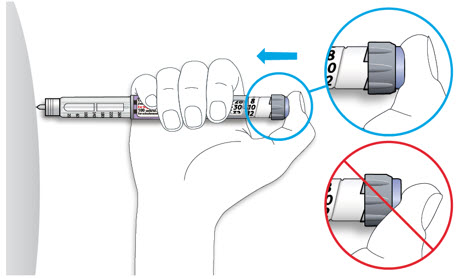
An instructional illustration showing how to hold and adjust the dose on a LANTUS SOLOSTAR injection pen. The image highlights the correct way to turn the dose knob with an arrow and a close-up view, along with a circle indicating the incorrect way with a cross through it.*
FDA Label Image

Figure (Lantus 30)

Figure (Lantus 30)
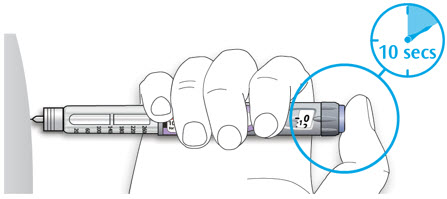
An instructional illustration showing the use of an injection pen, likely LANTUS SOLOSTAR insulin glargine injection. It depicts a hand holding the pen against skin, with a close-up inset highlighting a timer set to 10 seconds, indicating the recommended time to hold the pen in place after injection.*
FDA Label Image

Figure (Lantus 31)

Figure (Lantus 31)
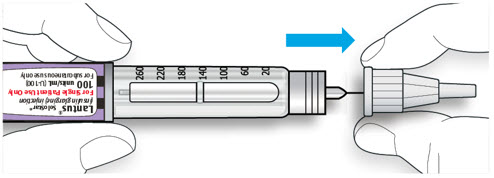
An instructional illustration showing two hands connecting the needle cap to a LANTUS SOLOSTAR injection pen. The label visible on the pen indicates it contains insulin glargine 100 units/mL for subcutaneous injection. A blue arrow points to the needle cap, guiding attachment.*
FDA Label Image

Figure (Lantus 32)

Figure (Lantus 32)
An instructional illustration showing a hand operating a LANTUS SOLOSTAR prefilled insulin glargine injection pen. It depicts the thumb pushing down on the pen's dose button to deliver the injection subcutaneously, with a focus on the dose scale window and the needle end.*
FDA Label Image

Figure (Lantus 33)

Figure (Lantus 33)
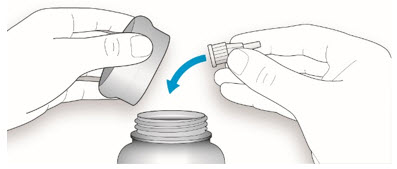
An instructional illustration showing two hands: one removing a protective cap, and the other holding a small vial or cartridge above an open container. A blue arrow indicates the action of inserting or pouring the vial into the container. This likely depicts part of the preparation process for a medication injection.*
FDA Label Image

Figure (Lantus 34)

Figure (Lantus 34)
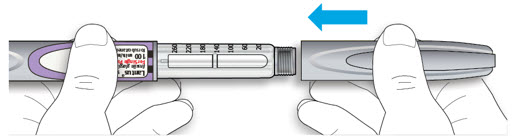
An instructional diagram showing hands holding and assembling a LANTUS SOLOSTAR injection pen. The image illustrates aligning the pen parts and pulling the cap backward off the pen, indicated by a blue arrow pointing left.*
FDA Label Image

Label Image (Lbl500904068)

Label Image (Lbl500904068)
LANTUS SOLOSTAR insulin glargine injection solution label showing the product name, strength of 100 units/mL, dosage form as injection for subcutaneous use, and labeler A-S Medication Solutions. The label indicates each milliliter contains 100 units (3.6378 mg) insulin glargine. Storage instructions specify refrigeration at 36 to 46 degrees Fahrenheit and not freezing. The package contains five 3 mL prefilled pens.*

* About these descriptions: Image descriptions on this page are generated by automated AI analysis of the product label images from the manufacturer's FDA label submission (SPL). They are provided for reference only and may contain errors or omissions. Always rely on the printed label itself and the official FDA labeling, and consult a pharmacist or healthcare professional with any questions about this product.