Fluticasone Propionate And Salmeterol Powder
Product Images NDC 50090-4211
View Photos of Packaging, Regulatory Labels, and Product Appearance
Product Visual Gallery
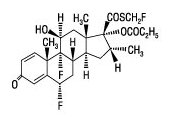
This gallery contains 16 technical images submitted to the FDA as part of the official labeling for Fluticasone Propionate And Salmeterol (NDC 50090-4211). Unlike standard consumer photos, these assets often include clinical data figures, molecular chemical structures, and official manufacturer packaging layouts.
As provided by A-s Medication Solutions, these visuals offer a comprehensive scientific overview of the product's physical and chemical identity, aiding pharmacists and researchers in product verification and study.
Product Images & Figures Index
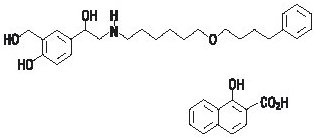
Salmeterol Xinafoate Chemical Structure (Fp Sal Spl Graphic 02)
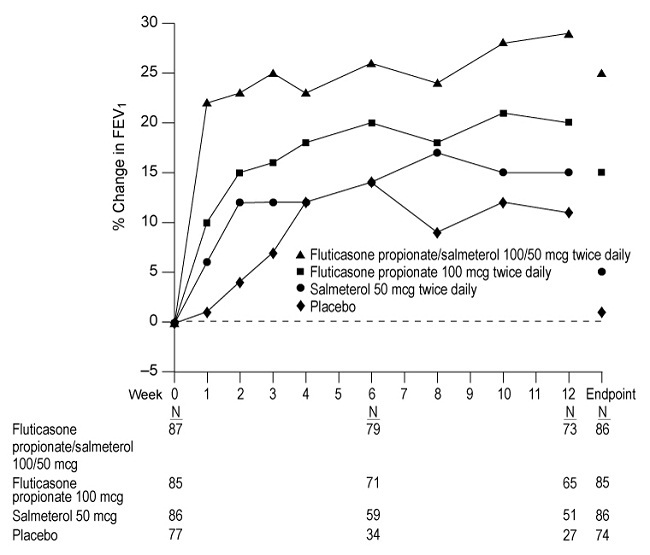
Figure 1. Mean Percent Change From Baseline In Fev1 In Subjects With Asthma Previously Treated With Either Inhaled Corticosteroids Or Salmeterol (trial 1) (Fp Sal Spl Graphic 03)
The text seems to be a table that shows the effects of different medication dosages on FEV (forced expiratory volume). The table includes columns with drug names, doses, week number, and change in FEV. However, since there are missing values and unclear formatting, it is difficult to give an accurate description.*
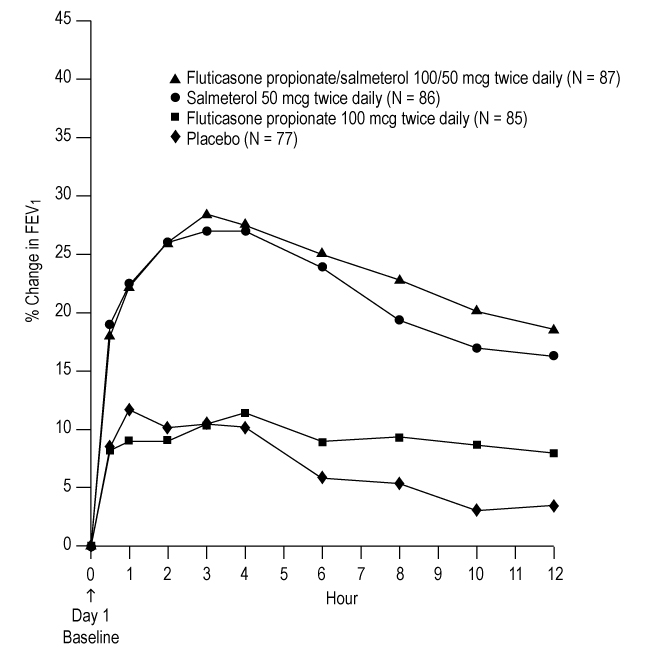
Figure 2. Percent Change In Serial 12-hour Fev1 In Subjects With Asthma Previously Using Either Inhaled Corticosteroids Or Salmeterol (trial 1) (Fp Sal Spl Graphic 04)
This appears to be a graph showcasing the change in FEV4 (a measure of lung function) over time for four different treatment groups. The groups include a combination treatment of Fluticasone propionate and salmeterol, salmeterol alone, Fluticasone propionate alone, and a placebo. The graph shows a 9% change in FEV4 for the combination treatment group, and baseline values are also shown for all groups.*
Figure 3. Percent Change In Serial 12-hour Fev1 In Subjects With Asthma Previously Using Either Inhaled Corticosteroids Or Salmeterol (trial 1) (Fp Sal Spl Graphic 05)
This appears to be a graph or chart displaying changes in FEV (forced expiratory volume) relative to a baseline measurement on different medication treatments. It includes data for Fluticasone propionate/salmeterol, Salmeterol, Fluticasone propionate, and a Placebo group. The chart seems to be tracking changes over the course of 12 weeks.*
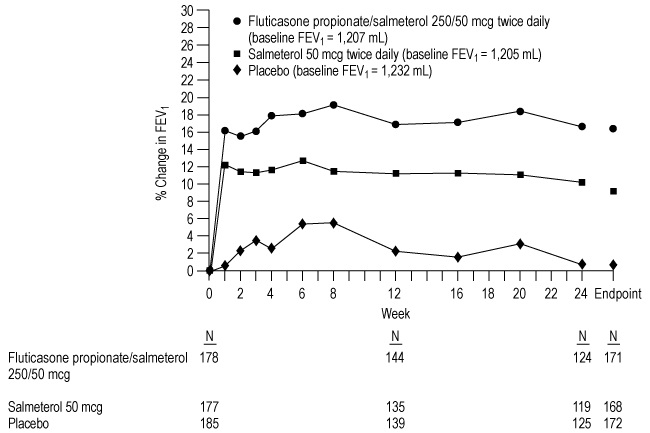
Figure 4. Predose Fev1: Mean Percent Change From Baseline In Subjects With Chronic Obstructive Pulmonary Disease (Fp Sal Spl Graphic 06)
This appears to be a graph showing a comparison of the effects of three different treatments on lung function (FEV) over a period of 24 weeks. The first treatment involves a combination of fluticasone propionate and salmeterol taken twice daily, the second treatment involves only salmeterol taken twice daily, and the third treatment is a placebo. The graph shows that both the treatments involving medication resulted in improved lung function compared to the placebo group.*
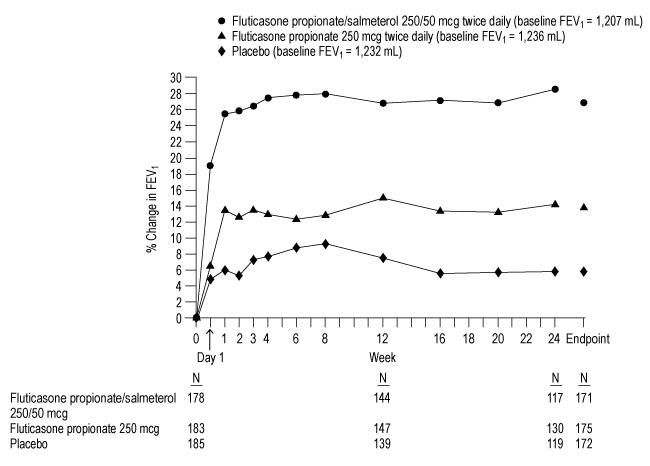
Figure 5. Two-hour Postdose Fev1: Mean Percent Changes From Baseline Over Time In Subjects With Chronic Obstructive Pulmonary Disease (Fp Sal Spl Graphic 07)
This is a table showing the results of a study comparing the effects of Fluticasone Propionate/Salmeterol 250/50 mcg twice a day, Fluticasone Propionate 250 mcg twice a day, and Placebo on baseline FEV. The results are presented in the form of a chart with different endpoints, and the number of participants with various measurements at each endpoint is presented for each group.*
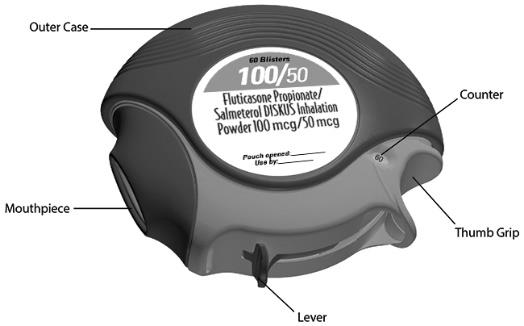
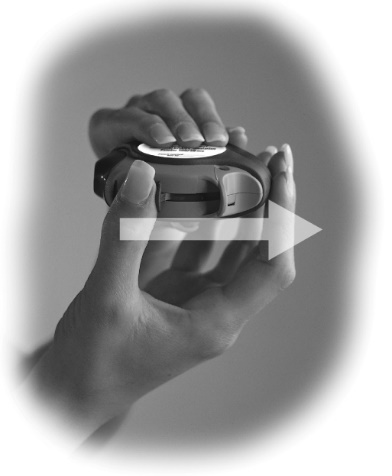
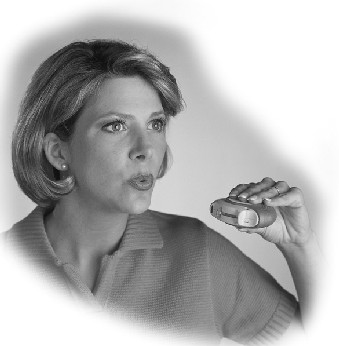
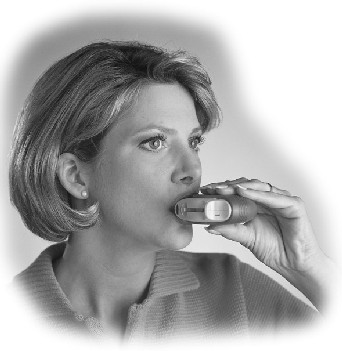
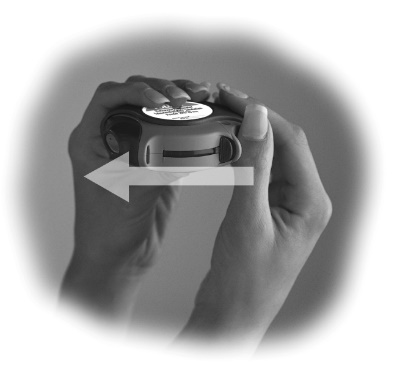
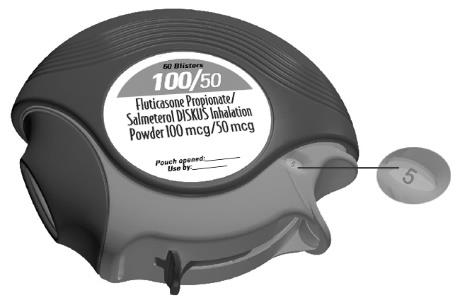
Figure A (Fp Sal Spl Graphic 08)
Figure B (Fp Sal Spl Graphic 09)
Figure C (Fp Sal Spl Graphic 10)
Ifu Figure D (Fp Sal Spl Graphic 11)
Figure E (Fp Sal Spl Graphic 12)
Figure F (Fp Sal Spl Graphic 13)
Ifu Figure G (Fp Sal Spl Graphic 14)
Figure H (Fp Sal Spl Graphic 15)
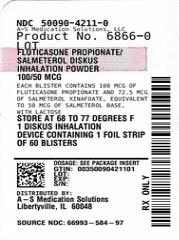
Label Image (Lbl500904211)
* These product label images have been analyzed using experimental machine learning. Please verify findings with the primary label text.