Fluticasone Propionate And Salmeterol Powder
Product Images NDC 50090-4213

16 FDA label images from A-s Medication Solutions · Packaging, Regulatory Labels, and Product Appearance

Product Visual Gallery

This gallery contains 16 technical images submitted to the FDA as part of the official labeling for Fluticasone Propionate And Salmeterol (NDC 50090-4213). Unlike standard consumer photos, these assets often include clinical data figures, molecular chemical structures, and official manufacturer packaging layouts.

As provided by A-s Medication Solutions, these visuals offer a comprehensive scientific overview of the product's physical and chemical identity, aiding pharmacists and researchers in product verification and study.

FDA Label Image

Fluticasone Propionate Chemical Structure (Fp Sal Spl Graphic 01)
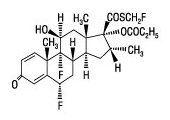
Fluticasone Propionate Chemical Structure (Fp Sal Spl Graphic 01)
Chemical structure of fluticasone propionate, showing its steroidal core and attached functional groups including fluorine atoms and a thioester substituent.*
FDA Label Image

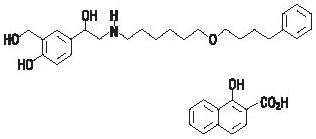
Salmeterol Xinafoate Chemical Structure (Fp Sal Spl Graphic 02)

Salmeterol Xinafoate Chemical Structure (Fp Sal Spl Graphic 02)
Chemical structure of fluticasone propionate and salmeterol, the active ingredients in Fluticasone Propionate and Salmeterol DISKUS, a respiratory inhalation powder. The image shows molecular diagrams representing the chemical composition of these compounds.*
FDA Label Image

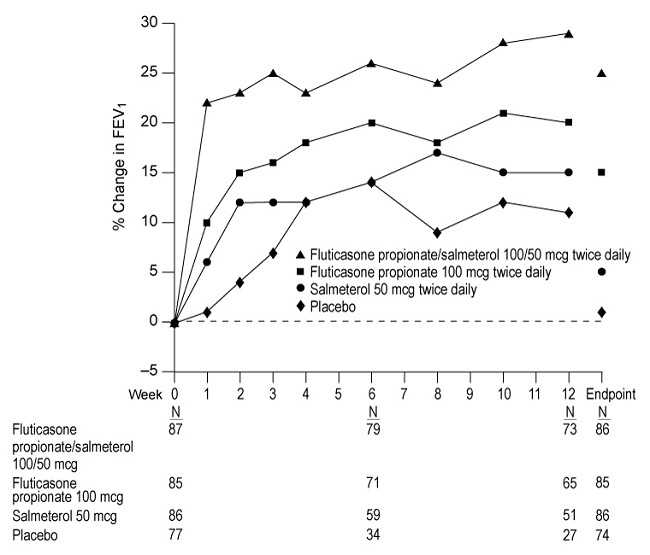
Figure 1. Mean Percent Change From Baseline In Fev1 In Subjects With Asthma Previously Treated With Either Inhaled Corticosteroids Or Salmeterol (trial 1) (Fp Sal Spl Graphic 03)

Figure 1. Mean Percent Change From Baseline In Fev1 In Subjects With Asthma Previously Treated With Either Inhaled Corticosteroids Or Salmeterol (trial 1) (Fp Sal Spl Graphic 03)
A line graph depicting the percentage change in FEV1 over 12 weeks including endpoint data for four groups: fluticasone propionate/salmeterol 100/50 mcg twice daily, fluticasone propionate 100 mcg twice daily, salmeterol 50 mcg twice daily, and placebo. The x-axis represents weeks, and the y-axis shows the percent change in FEV1. The graph includes sample sizes for each group at baseline, week 6, week 12, and endpoint.*
FDA Label Image

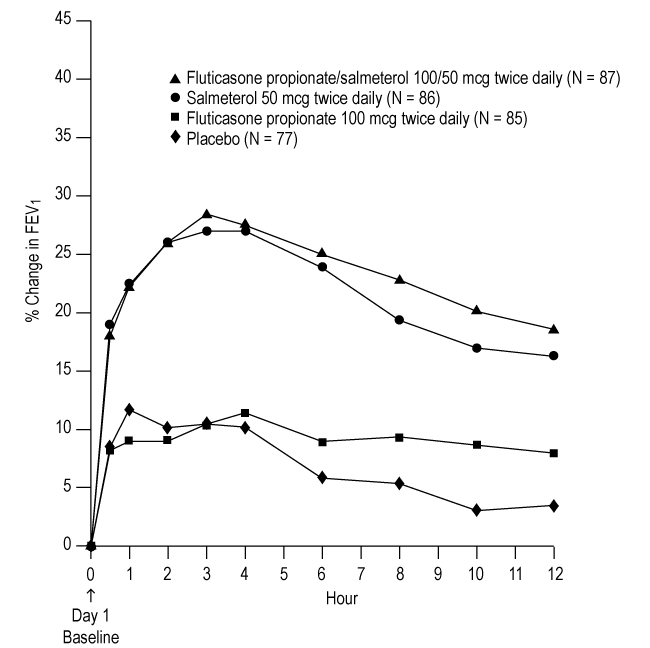
Figure 2. Percent Change In Serial 12-hour Fev1 In Subjects With Asthma Previously Using Either Inhaled Corticosteroids Or Salmeterol (trial 1) (Fp Sal Spl Graphic 04)

Figure 2. Percent Change In Serial 12-hour Fev1 In Subjects With Asthma Previously Using Either Inhaled Corticosteroids Or Salmeterol (trial 1) (Fp Sal Spl Graphic 04)
A line graph depicting the percentage change in FEV1 (forced expiratory volume in 1 second) over 12 hours after baseline on Day 1 for four treatment groups: Fluticasone propionate/salmeterol 100/50 mcg twice daily, Salmeterol 50 mcg twice daily, Fluticasone propionate 100 mcg twice daily, and placebo. The y-axis measures % change in FEV1, and the x-axis measures time in hours. The graph shows the comparative effectiveness of these treatments on respiratory function.*
FDA Label Image

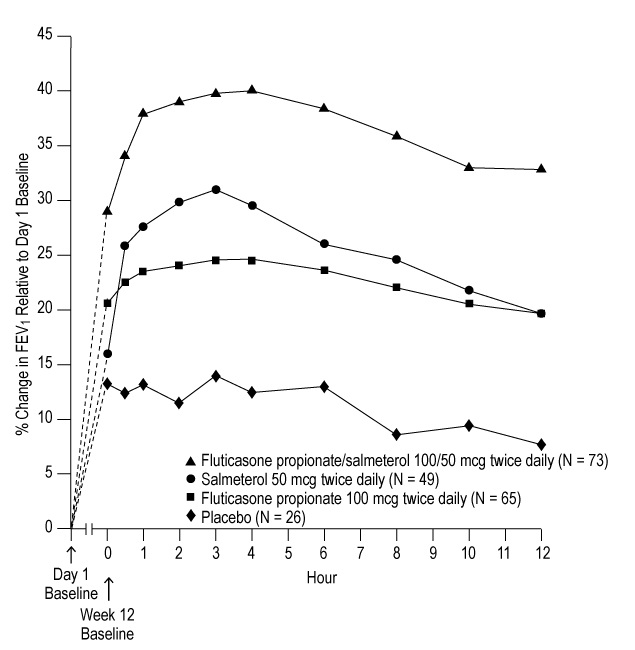
Figure 3. Percent Change In Serial 12-hour Fev1 In Subjects With Asthma Previously Using Either Inhaled Corticosteroids Or Salmeterol (trial 1) (Fp Sal Spl Graphic 05)

Figure 3. Percent Change In Serial 12-hour Fev1 In Subjects With Asthma Previously Using Either Inhaled Corticosteroids Or Salmeterol (trial 1) (Fp Sal Spl Graphic 05)
Line graph depicting the percentage change in FEV1 relative to Day 1 baseline over 12 hours. The graph compares four groups: Fluticasone propionate/salmeterol 100/50 mcg twice daily (N=73), salmeterol 50 mcg twice daily (N=49), fluticasone propionate 100 mcg twice daily (N=65), and placebo (N=26). Time points include Day 1 Baseline and Week 12 Baseline.*
FDA Label Image

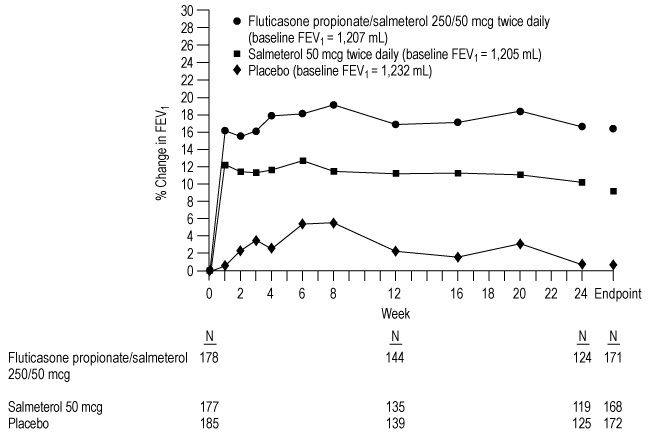
Figure 4. Predose Fev1: Mean Percent Change From Baseline In Subjects With Chronic Obstructive Pulmonary Disease (Fp Sal Spl Graphic 06)

Figure 4. Predose Fev1: Mean Percent Change From Baseline In Subjects With Chronic Obstructive Pulmonary Disease (Fp Sal Spl Graphic 06)
A line graph showing the percent change in FEV1 over 24 weeks for three groups: Fluticasone propionate/salmeterol 250/50 mcg twice daily, Salmeterol 50 mcg twice daily, and placebo. The Fluticasone propionate/salmeterol group shows the greatest improvement, followed by the Salmeterol group, with placebo showing minimal change. The graph also includes sample sizes at different time points for each group.*
FDA Label Image

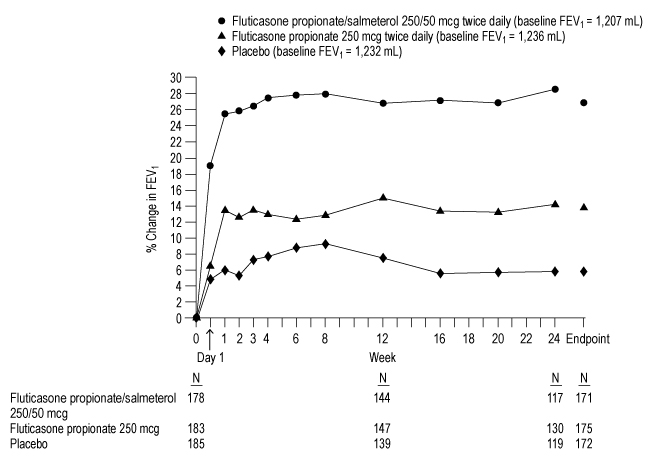
Figure 5. Two-hour Postdose Fev1: Mean Percent Changes From Baseline Over Time In Subjects With Chronic Obstructive Pulmonary Disease (Fp Sal Spl Graphic 07)

Figure 5. Two-hour Postdose Fev1: Mean Percent Changes From Baseline Over Time In Subjects With Chronic Obstructive Pulmonary Disease (Fp Sal Spl Graphic 07)
Line graph showing percent change in FEV1 over time for Fluticasone propionate/salmeterol 250/50 mcg, Fluticasone propionate 250 mcg, and placebo groups. The x-axis represents days and weeks up to 24 weeks, while the y-axis shows percent change in FEV1. The graph includes baseline FEV1 values and subject numbers at various time points for each group.*
FDA Label Image

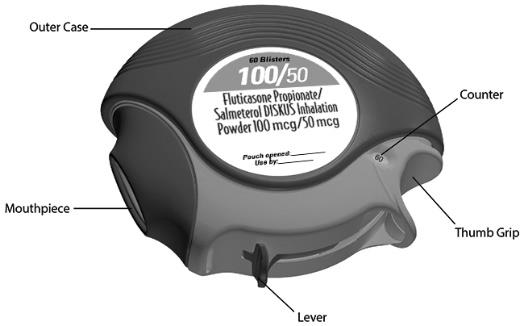
Figure A (Fp Sal Spl Graphic 08)

Figure A (Fp Sal Spl Graphic 08)
An illustration diagram of a Fluticasone Propionate and Salmeterol DISKUS inhaler device labeled with parts including the outer case, mouthpiece, lever, thumb grip, and counter. The label on the device indicates a dosage strength of 100 mcg fluticasone propionate and 50 mcg salmeterol per inhalation, and notes a count of 60 blisters.*
FDA Label Image

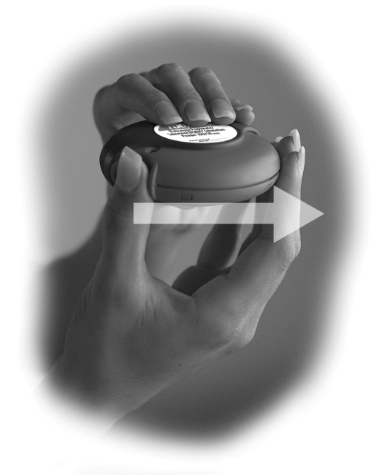
Figure B (Fp Sal Spl Graphic 09)

Figure B (Fp Sal Spl Graphic 09)
An instructional illustration showing hands holding a Fluticasone Propionate and Salmeterol DISKUS inhaler. An arrow points to the right, indicating the direction to slide the inhaler open for use.*
FDA Label Image

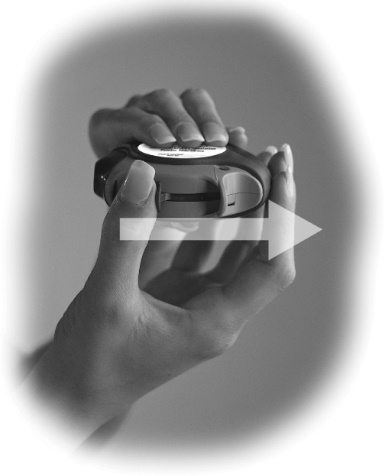
Figure C (Fp Sal Spl Graphic 10)

Figure C (Fp Sal Spl Graphic 10)
An instructional illustration showing hands holding a Fluticasone Propionate and Salmeterol DISKUS inhaler, demonstrating the step to slide open the device indicated by a large arrow pointing to the right.*
FDA Label Image

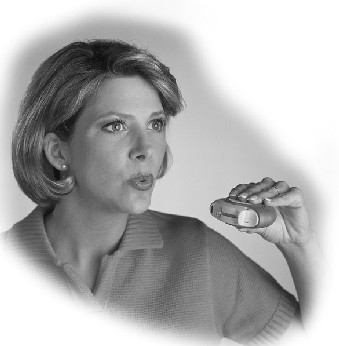
Ifu Figure D (Fp Sal Spl Graphic 11)

Ifu Figure D (Fp Sal Spl Graphic 11)
Black and white illustration of a woman holding a DISKUS inhaler near her mouth, demonstrating the correct technique for using a powder inhaler device for respiratory delivery of medication.*
FDA Label Image

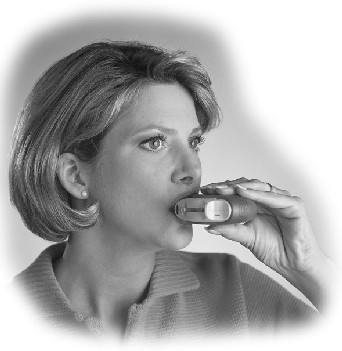
Figure E (Fp Sal Spl Graphic 12)

Figure E (Fp Sal Spl Graphic 12)
Black-and-white illustration showing a woman using a respiratory inhaler device, holding it to her mouth and inhaling the medication powder. The device appears to be a dry powder inhaler consistent with the form used for Fluticasone Propionate and Salmeterol DISKUS.*
FDA Label Image

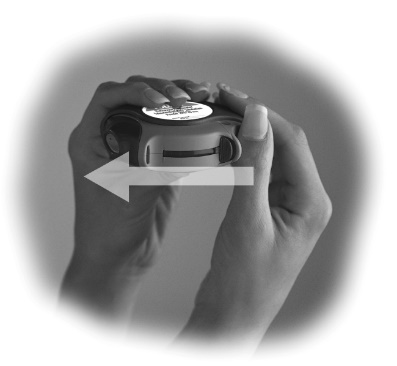
Figure F (Fp Sal Spl Graphic 13)

Figure F (Fp Sal Spl Graphic 13)
An instructional illustration showing hands holding a Fluticasone Propionate and Salmeterol DISKUS inhaler. The image focuses on the inhaler being opened by sliding a lever indicated by a large arrow pointing to the left, demonstrating the mechanism to ready the device for use.*
FDA Label Image

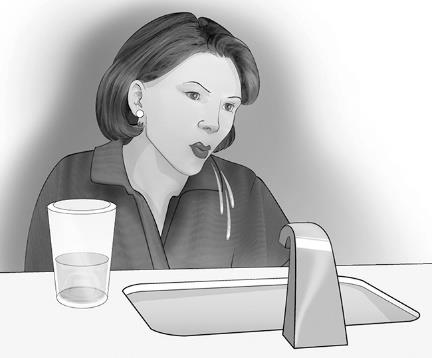
Ifu Figure G (Fp Sal Spl Graphic 14)

Ifu Figure G (Fp Sal Spl Graphic 14)
An instructional illustration showing a person rinsing their mouth with water over a sink. The individual is tilting their head slightly back, presumably to demonstrate proper rinsing technique after inhalation.*
FDA Label Image

Figure H (Fp Sal Spl Graphic 15)

Figure H (Fp Sal Spl Graphic 15)
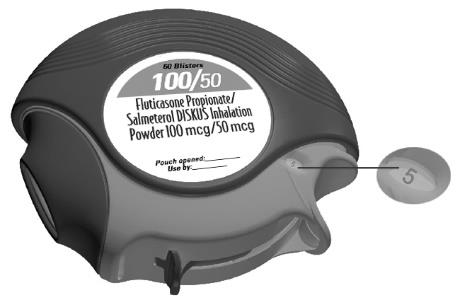
Fluticasone Propionate and Salmeterol DISKUS inhalation powder 100 mcg/50 mcg, displayed in a gray DISKUS device. The device label shows the strength and inhalation powder form and indicates it contains 60 blisters. The label also has fields for pouch opened and use by date. The labeler is A-S Medication Solutions.*
FDA Label Image

Label Image (Lbl500904213)

Label Image (Lbl500904213)
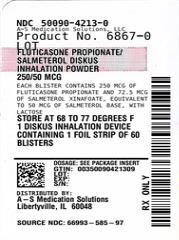
Label for Fluticasone Propionate and Salmeterol DISKUS powder inhalation containing 250/50 mcg strength per blister. The package includes 60 blisters in one foil strip with a pack insert. The product is labeled by A-S Medication Solutions, Libertyville, Illinois, with NDC 50090-4213-0. Storage instructions specify 68 to 77 degrees Fahrenheit.*

* About these descriptions: Image descriptions on this page are generated by automated AI analysis of the product label images from the manufacturer's FDA label submission (SPL). They are provided for reference only and may contain errors or omissions. Always rely on the printed label itself and the official FDA labeling, and consult a pharmacist or healthcare professional with any questions about this product.