Selzentry Tablet, Film Coated
Product Images NDC 50090-6238

View Photos of Packaging, Regulatory Labels, and Product Appearance

Product Visual Gallery

This gallery contains 17 technical images submitted to the FDA as part of the official labeling for Selzentry (NDC 50090-6238). Unlike standard consumer photos, these assets often include clinical data figures, molecular chemical structures, and official manufacturer packaging layouts.

As provided by A-s Medication Solutions, these visuals offer a comprehensive scientific overview of the product's physical and chemical identity, aiding pharmacists and researchers in product verification and study.

FDA Label Image

Label Image (Lbl500906238)
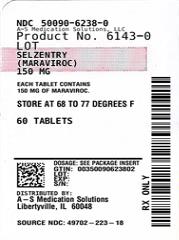
Label Image (Lbl500906238)
SELZENTRY 150 mg film-coated tablets packaging label from A-S Medication Solutions, Libertyville, IL. The image shows the product name, generic name maraviroc, strength 150 mg, and storage instructions to keep at 68 to 77 degrees Fahrenheit. The package contains 60 tablets and includes a QR code and barcode.*
FDA Label Image

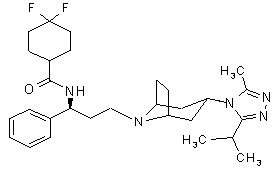
Maraviroc Chemical Structure (Selzentry Spl Graphic 01)

Maraviroc Chemical Structure (Selzentry Spl Graphic 01)
Chemical structure diagram of maraviroc, the active ingredient in SELZENTRY 150 mg film-coated tablets by A-S Medication Solutions.*
FDA Label Image

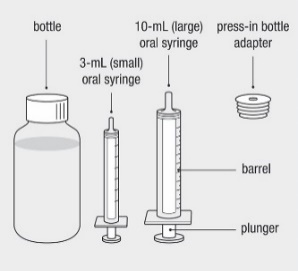
Carton Contents (Selzentry Spl Graphic 02)

Carton Contents (Selzentry Spl Graphic 02)
An instructional diagram showing a bottle, two types of oral syringes (3-mL small and 10-mL large), a press-in bottle adapter, and labeled parts of the syringes including barrel and plunger. The items are depicted separately with clear labels for each component.*
FDA Label Image

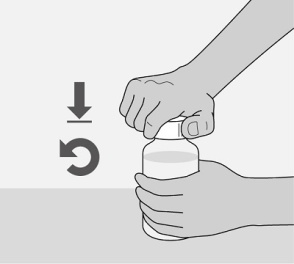
Figure A (Selzentry Spl Graphic 03)

Figure A (Selzentry Spl Graphic 03)
Instructional illustration showing hands opening a bottle with a child-resistant cap, indicating to push down and turn counterclockwise.*
FDA Label Image

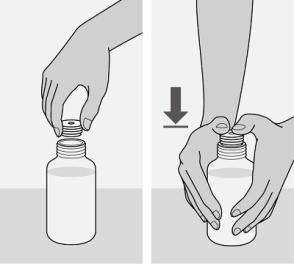
Figure B (Selzentry Spl Graphic 04)

Figure B (Selzentry Spl Graphic 04)
An instructional illustration showing a two-step process for opening or closing a bottle. The left panel depicts a hand grasping a bottle cap above the bottle neck. The right panel shows hands holding the bottle while applying downward pressure on the cap, indicated by a downward arrow.*
FDA Label Image

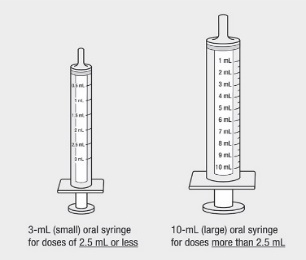
Figure C (Selzentry Spl Graphic 05)

Figure C (Selzentry Spl Graphic 05)
An instructional illustration showing two oral syringes for medication dosing: a 3-mL (small) syringe for doses of 2.5 mL or less, and a 10-mL (large) syringe for doses more than 2.5 mL, with graduated markings on each syringe indicating volume.*
FDA Label Image

Figure D (Selzentry Spl Graphic 06)

Figure D (Selzentry Spl Graphic 06)
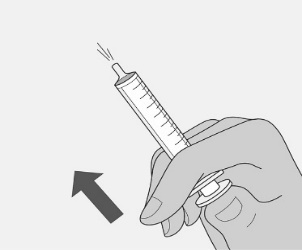
An instructional illustration showing a hand holding a syringe, expelling air as indicated by liquid droplets from the needle tip. An arrow points away from the syringe, suggesting the action of removing air before injection.*
FDA Label Image

Figure E (Selzentry Spl Graphic 07)

Figure E (Selzentry Spl Graphic 07)
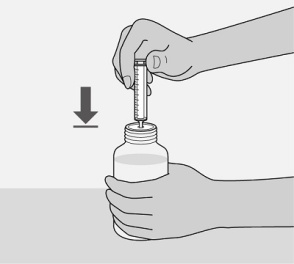
An instructional illustration showing a hand holding a small bottle while the other hand inserts a syringe or dropper into the bottle. A downward arrow indicates the direction to push or insert the device into the bottle.*
FDA Label Image

Figure F (Selzentry Spl Graphic 08)

Figure F (Selzentry Spl Graphic 08)
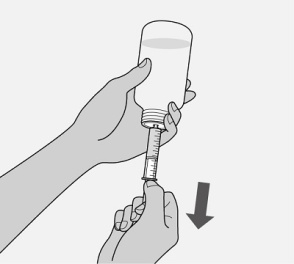
An instructional illustration showing a hand holding a bottle tilted downward, with liquid being drawn into a syringe held by the other hand. A downward-pointing arrow emphasizes the direction of liquid flow into the syringe.*
FDA Label Image

Figure G (Selzentry Spl Graphic 09)

Figure G (Selzentry Spl Graphic 09)
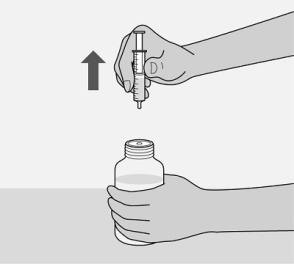
An instructional illustration showing one hand holding an open bottle and the other hand pulling upward on a syringe positioned above the bottle, indicating syringe removal or preparation for use with the bottle.*
FDA Label Image

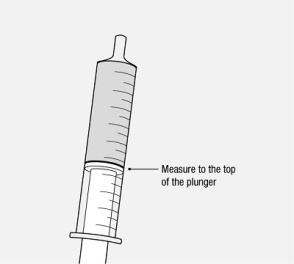
Figure H (Selzentry Spl Graphic 10)

Figure H (Selzentry Spl Graphic 10)
An instructional illustration showing a syringe with an annotation pointing to the top of the plunger. The note says, "Measure to the top of the plunger," indicating how to measure liquid volume in the syringe.*
FDA Label Image

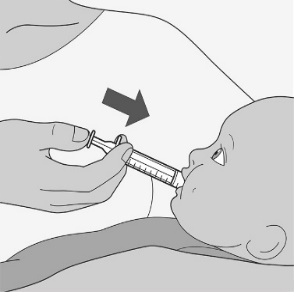
Figure I_a (Selzentry Spl Graphic 11)

Figure I_a (Selzentry Spl Graphic 11)
An instructional illustration showing a baby being administered oral medication with a syringe. The syringe is positioned near the baby's mouth with an arrow indicating the direction of administration.*
FDA Label Image

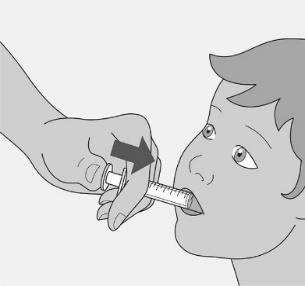
Figure I_b (Selzentry Spl Graphic 12)

Figure I_b (Selzentry Spl Graphic 12)
An instructional illustration showing a child receiving oral medication via a syringe. An adult hand is administering the liquid medicine into the child's mouth using the syringe, with an arrow indicating the direction of medication delivery.*
FDA Label Image

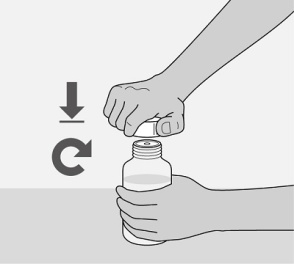
Figure J (Selzentry Spl Graphic 13)

Figure J (Selzentry Spl Graphic 13)
An instructional illustration showing hands opening a bottle by pushing down and turning the cap, indicating the proper method to open a child-resistant bottle closure.*
FDA Label Image

Figure K (Selzentry Spl Graphic 14)

Figure K (Selzentry Spl Graphic 14)
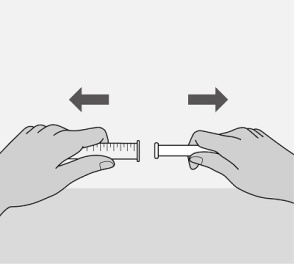
An instructional illustration showing two hands pulling apart the two parts of a syringe, indicated by arrows pointing outward from the center where the plunger meets the syringe barrel.*
FDA Label Image

Figure L (Selzentry Spl Graphic 15)

Figure L (Selzentry Spl Graphic 15)
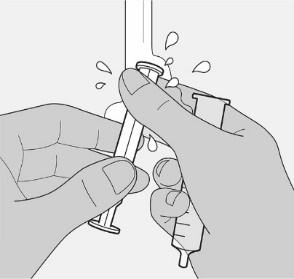
An instructional illustration showing two hands assembling or connecting two syringes, with liquid droplets indicating fluid transfer or mixing.*
FDA Label Image

Figure M (Selzentry Spl Graphic 16)

Figure M (Selzentry Spl Graphic 16)
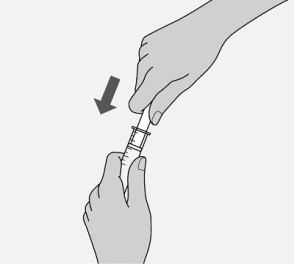
An instructional diagram showing two hands holding a small vial or container. One hand holds the vial steady while the other hand presses down the cap or top with an arrow indicating the downward motion, suggesting how to open or close the container.*

* About these descriptions: Image descriptions on this page are generated by automated AI analysis of the product label images from the manufacturer's FDA label submission (SPL). They are provided for reference only and may contain errors or omissions. Always rely on the printed label itself and the official FDA labeling, and consult a pharmacist or healthcare professional with any questions about this product.