Transient Heart Block
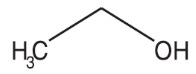
Transient heart block is common at the time of dehydrated alcohol, such as dehydrated alcohol injection, injection into a septal artery. Prior to the injection, a temporary pacing wire is routinely inserted into the apex of the right ventricle, usually via the femoral vein, to treat transient heart block. The pacing lead can be removed if no episode of high-degree atrioventricular block occurs, usually after several hours of observation following percutaneous transluminal septal myocardial ablation.
Persistent Heart Block
Approximately 10% of complete heart block events become permanent and require placement of a permanent pacemaker following percutaneous transluminal septal myocardial ablation. Risk factors for permanent pacemaker dependency after septal ablation include a baseline PQ interval > 160 ms, baseline minimum heart rate < 50 bpm, baseline left ventricular outflow gradient > 70 mmHg, maximum QRS during the first 48 hours > 155 ms, 3rd degree atrio-ventricular block occurring during the procedure, and no clinical recovery between 12-48 hours after the procedure.