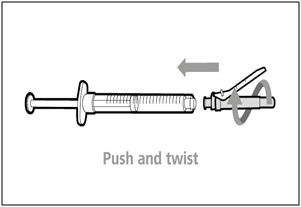
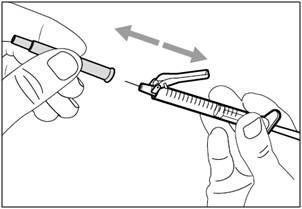
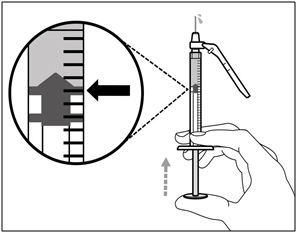
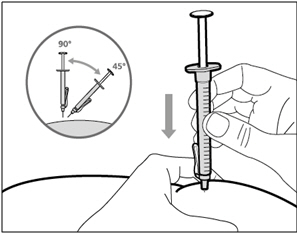
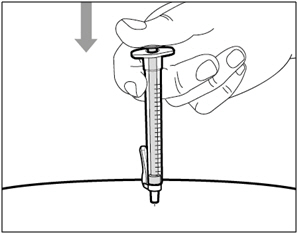
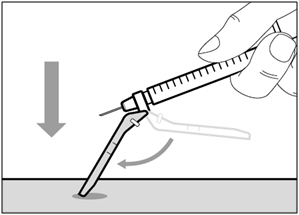
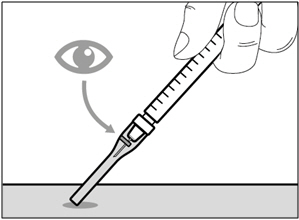
Missed Dose
If a dose of HEMLIBRA is not administered on the scheduled day, administer as soon as possible before the day of the next scheduled dose, and then resume usual weekly dosing schedule. Do not double doses to make up for a missed dose.
Characterization of aPCC treatment in pooled clinical trials
There were 125 instances of aPCC treatment in 36 patients, of which 13 instances (10.4%) consisted of on average a cumulative amount of >100 U/kg/24 hours of aPCC for 24 hours or more; two of the 13 were associated with thrombotic events and three of the 13 were associated with TMA (Table 3). No TMA or thrombotic events were associated with the remaining instances of aPCC treatment.
Table 3 Characterization of aPCC TreatmentAn instance of aPCC treatment is defined as all doses of aPCC received by a patient, for any reason, until there was a 36-hour treatment-free break.
in Pooled Clinical Trials| Duration of aPCC treatment | Average cumulative amount of aPCC over 24 hours (U/kg/24 hours) |
|---|
| < 50 | 50 – 100 | > 100 |
|---|
| < 24 hours | 7 | 76 | 18 |
| 24 – 48 hours | 0 | 6 | 3 Thrombotic event |
| > 48 hours | 1 | 4 | 10 Thrombotic microangiopathy ,,, |
Injection Site Reactions
In total, 35 patients (19%) reported injection site reactions (ISRs). All ISRs observed in HEMLIBRA clinical trials were reported as mild to moderate intensity and 88% resolved without treatment. The commonly reported ISR symptoms were injection site erythema (7.4%), injection site pruritus (5.3%), and injection site pain (5.3%).
Risk Summary
There are no available data on HEMLIBRA use in pregnant women to inform a drug-associated risk of major birth defects and miscarriage. Animal reproduction studies have not been conducted with emicizumab-kxwh. It is not known whether HEMLIBRA can cause fetal harm when administered to a pregnant woman or can affect reproduction capacity. HEMLIBRA should be used during pregnancy only if the potential benefit for the mother outweighs the risk to the fetus.
All pregnancies have a background risk of birth defect, loss, or other adverse outcomes. The estimated background risk of major birth defects and miscarriage for the indicated populations is unknown. In the U.S. general population, the estimated background risk of major birth defect and miscarriage in clinically recognized pregnancies is 2 – 4% and 15 – 20%, respectively.
Risk Summary
There is no information regarding the presence of emicizumab-kxwh in human milk, the effects on the breastfed child, or the effects on milk production. Human IgG is known to be present in human milk. The developmental and health benefits of breastfeeding should be considered along with the mother's clinical need for HEMLIBRA and any potential adverse effects on the breastfed child from HEMLIBRA or from the underlying maternal condition.
Contraception
Women of childbearing potential should use contraception while receiving HEMLIBRA.
Absorption
Following subcutaneous administration, the mean (± SD) absorption half-life was 1.7 ± 1 day.
The absolute bioavailability following subcutaneous administration of 1 mg/kg was between 80.4% and 93.1%. Similar pharmacokinetic profiles were observed following subcutaneous administration in the abdomen, upper arm, and thigh [see Dosage and Administration (2.2)].
Distribution
The mean apparent volume of distribution was 11.4 L (95% confidence interval (CI) [10.6, 12.1]).
Elimination
The mean apparent clearance (95% CI) was 0.24 L/day (0.22, 0.26) and the mean elimination apparent half-life (± SD) was 27.8 ± 8.1 days.
Specific Populations
The pharmacokinetics of emicizumab-kxwh are not influenced by age (3 years to 75 years), race (White 54%, Asian 30.5% and Black 8.5%), inhibitor status (inhibitor present, 92%), mild hepatic impairment (defined as total bilirubin 1× to ≤ 1.5× the upper limit of normal (ULN) and any aspartate transaminase (AST) level) and moderate hepatic impairment (defined as total bilirubin 1.5× to ≤ 3× the ULN and any AST level).
Body weight: The apparent clearance and volume of distribution of emicizumab-kxwh increased with increasing body weight (14.2 kg to 131 kg). Dosing in mg/kg provides similar emicizumab-kxwh exposure across body weight range.
Drug Interaction Studies
No drug-drug interaction studies have been conducted with HEMLIBRA.
HAVEN 1
The HAVEN 1 study (NCT02622321) was a randomized, multicenter, open-label, clinical trial in 109 adult and adolescent males (aged 12 to 75 years and > 40 kg) with hemophilia A with FVIII inhibitors who previously received either episodic (on-demand) or prophylactic treatment with bypassing agents. Patients received weekly HEMLIBRA prophylaxis (Arms A, C, and D), 3 mg/kg once weekly for the first 4 weeks followed by 1.5 mg/kg once weekly thereafter, or no prophylaxis (Arm B). Dose up-titration to 3 mg/kg once weekly was allowed after 24 weeks on HEMLIBRA prophylaxis in case of suboptimal efficacy (i.e., ≥ 2 spontaneous and clinically significant bleeds). During the study, two patients underwent up-titration of their maintenance dose to 3 mg/kg once weekly.
Fifty-three patients previously treated with episodic (on-demand) bypassing agents were randomized in a 2:1 ratio to receive HEMLIBRA prophylaxis (Arm A) or no prophylaxis (Arm B), with stratification by prior 24-week bleed rate (< 9 or ≥ 9). Patients randomized to Arm B could switch to HEMLIBRA prophylaxis after completing at least 24 weeks without prophylaxis.
Forty-nine patients previously treated with prophylactic bypassing agents were enrolled into Arm C to receive HEMLIBRA prophylaxis. Seven patients previously treated with episodic (on-demand) bypassing agents who had participated in a non-interventional study (NIS) prior to enrollment, but were unable to enroll into HAVEN 1 prior to the closure of Arms A and B, were enrolled into Arm D to receive HEMLIBRA prophylaxis.
Efficacy was evaluated based on the annualized bleeding rate (ABR) requiring treatment with coagulation factors (minimum of 24 weeks or date of discontinuation) among patients previously treated with episodic bypassing agents who were randomized to HEMLIBRA prophylaxis (Arm A) compared with those receiving no prophylaxis (Arm B). The trial also evaluated the randomized comparison of Arms A and B for the efficacy of weekly HEMLIBRA prophylaxis in reducing the number of all bleeds, spontaneous bleeds, joint bleeds, and target joint bleeds, as well as patient-reported symptoms and physical functioning.
The study also evaluated the efficacy of weekly HEMLIBRA prophylaxis compared with previous episodic (on-demand) and prophylactic bypassing agents in patients who had participated in the NIS prior to enrollment (Arms A and C, respectively). Only patients from the NIS were included in this comparison, because bleed and treatment data were collected with the same level of granularity in both periods.
The efficacy results of HEMLIBRA prophylaxis compared with no prophylaxis in bleed rate for treated bleeds, all bleeds, treated spontaneous bleeds, treated joint bleeds and treated target joint bleeds are shown in Table 4.
Table 4 Annualized Bleed Rate with HEMLIBRA Prophylaxis Arm versus No Prophylaxis Arm in Patients ≥ 12 Years of Age| Endpoint | HEMLIBRA Prophylaxis
(N = 35) | No Prophylaxis
(N = 18) |
|---|
| ABR = annualized bleed rate; CI = confidence interval; IQR = interquartile range, 25th percentile to 75th percentile |
| Treated Bleeds |
| ABR (95% CI) Based on negative binomial regression. | 2.9 (1.7, 5.0) | 23.3 (12.3, 43.9) |
% reduction (95% CI)
p-value | 87% (72.3%, 94.3%)
< 0.0001 |
| % patients with 0 bleeds (95% CI) | 62.9 (44.9, 78.5) | 5.6 (0.1, 27.3) |
| Median ABR (IQR) | 0 (0, 3.7) | 18.8 (13.0, 35.1) |
| All Bleeds |
| ABR (95% CI) | 5.5 (3.6, 8.6) | 28.3 (16.8, 47.8) |
% reduction (95% CI)
p-value | 80% (62.5%, 89.8%)
< 0.0001 |
| % patients with 0 bleeds (95% CI) | 37.1 (21.5, 55.1) | 5.6 (0.1, 27.3) |
| Treated Spontaneous Bleeds |
| ABR (95% CI) | 1.3 (0.7, 2.2) | 16.8 (9.9, 28.3) |
% reduction (95% CI)
p-value | 92% (84.6%, 96.3%)
< 0.0001 |
| % patients with 0 bleeds (95% CI) | 68.6 (50.7, 83.1) | 11.1 (1.4, 34.7) |
| Treated Joint Bleeds |
| ABR (95% CI) | 0.8 (0.3, 2.2) | 6.7 (2.0, 22.4) |
% reduction (95% CI)
p-value | 89% (48%, 97.5%)
0.0050 |
| % patients with 0 bleeds (95% CI) | 85.7 (69.7, 95.2) | 50.0 (26.0, 74.0) |
| Treated Target Joint Bleeds |
| ABR (95% CI) | 0.1 (0.03, 0.6) | 3.0 (1.0, 9.1) |
% reduction (95% CI)
p-value | 95% (77.3%, 99.1%)
0.0002 |
| % patients with 0 bleeds (95% CI) | 94.3 (80.8, 99.3) | 50.0 (26.0, 74.0) |
In the intra-patient analysis, HEMLIBRA prophylaxis resulted in a statistically significant (p = 0.0003) reduction (79%) in bleed rate for treated bleeds compared with previous bypassing agent prophylaxis collected in the NIS prior to enrollment (Table 5).
Table 5 Intra-Patient Comparison of Annualized Bleed Rate with HEMLIBRA Prophylaxis versus Previous Bypassing Agent Prophylaxis| Endpoint | HEMLIBRA Prophylaxis
(N = 24) | Previous Bypassing Agent Prophylaxis (N = 24) |
|---|
| ABR = annualized bleed rate; CI = confidence interval; IQR = interquartile range, 25th percentile to 75th percentile |
| Treated Bleeds |
| ABR (95% CI) Based on negative binomial regression. | 3.3 (1.3, 8.1) | 15.7 (11.1, 22.3) |
% reduction (95% CI)
p-value | 79% (51.4%, 91.1%)
0.0003 |
| % patients with zero bleeds (95% CI) | 70.8 (48.9, 87.4) | 12.5 (2.7, 32.4) |
| Median ABR (IQR) | 0 (0, 2.2) | 12 (5.7, 24.2) |
The study evaluated patient-reported hemophilia-related symptoms (painful swellings and presence of joint pain) and physical functioning (pain with movement and difficulty walking far) using the Physical Health Score of the Haemophilia-specific Quality of Life (Haem-A-QoL) questionnaire for patients aged ≥ 18 years. The weekly HEMLIBRA prophylaxis arm (Arm A) showed an improvement compared with the no prophylaxis arm (Arm B) in the Haem-A-QoL Physical Health Subscale score at the Week 25 assessment (Table 6). The improvement in the Physical Health Score was further supported by the Total Score as measured by the Haem-A-QoL at Week 25.
Table 6 Change in Haem-A-QoL Physical Health Score in Patients (≥ 18 Years of Age) with No Prophylaxis versus HEMLIBRA Prophylaxis at Week 25| Haem-A-QoL Scores at week 25 | HEMLIBRA Prophylaxis
(N = 25Number of patients ≥ 18 years who completed the Haem-A-QoL questionnaire. ) | No Prophylaxis
(N = 14) |
|---|
| Physical Health Score (Score range 0 to 100) Lower scores are reflective of better functioning. |
| Adjusted mean Adjusted for baseline, and baseline by treatment group interaction. | 32.6 | 54.2 |
| Difference in adjusted means (95% CI) | 21.6 (7.9, 35.2) |
| p-value | 0.0029 |
HAVEN 2
The HAVEN 2 study (NCT02795767) was a single-arm, multicenter, open-label, clinical study in pediatric males (age < 12 years, or 12 – 17 years who weigh < 40 kg) with hemophilia A with FVIII inhibitors. Patients received HEMLIBRA prophylaxis at 3 mg/kg once weekly for the first 4 weeks followed by 1.5 mg/kg once weekly thereafter.
The study evaluated the efficacy of weekly HEMLIBRA prophylaxis, including the efficacy of weekly HEMLIBRA prophylaxis compared with previous episodic (on-demand) and prophylactic bypassing agent treatment in patients who had participated in a non-interventional study (NIS) prior to enrollment (intra-patient analysis).
At the time of the interim analysis, efficacy was evaluated in 23 pediatric patients who were < 12 years old and had been receiving weekly HEMLIBRA prophylaxis for at least 12 weeks, including 19 patients age 6 to < 12 years and 4 patients age 2 to < 6 years.
Annualized bleed rate (ABR) and percent of patients with zero bleeds were calculated for 23 patients (Table 7). The median observation time for these patients was 38.1 weeks (12.7 – 41.6 weeks).
Table 7 Annualized Bleed Rate with HEMLIBRA Prophylaxis in Pediatric Patients < 12 Years of Age (Interim Analysis)| Endpoint | ABR Based on negative binomial regression (95% CI)
N = 23 | Median ABR (IQR)
N = 23 | % Zero Bleeds (95% CI)
N = 23 |
|---|
| ABR = annualized bleed rate; CI = confidence interval; IQR = interquartile range, 25th percentile to 75th percentile |
| Treated Bleeds | 0.2 (0.1, 0.6) | 0 (0, 0) | 87 (66.4, 97.2) |
| All Bleeds | 2.9 (1.8, 4.9) | 1.5 (0, 4.5) | 34.8 (16.4, 57.3) |
| Treated Spontaneous Bleeds | 0.1 (0, 0.5) | 0 (0, 0) | 95.7 (78.1, 99.9) |
| Treated Joint Bleeds | 0.1 (0, 0.5) | 0 (0, 0) | 95.7 (78.1, 99.9) |
| Treated Target Joint Bleeds | Not Estimable No treated target joint bleeds reported | 0 (0, 0) | 100 (85.2, 100) |
In the intra-patient analysis, 13 pediatric patients who had participated in the NIS had an ABR of 17.2 (95% CI [12.4, 23.8]) on previous bypassing agent treatment (prophylactic treatment in 12 patients and on-demand treatment for one patient). Weekly HEMLIBRA prophylaxis resulted in an ABR for treated bleeds of 0.2 (95% CI [0.1, 0.8]) based on negative binomial regression, corresponding to a 99% reduction in bleed rate. On HEMLIBRA prophylaxis, 11 patients (84.6%) had zero treated bleeds.
How Supplied
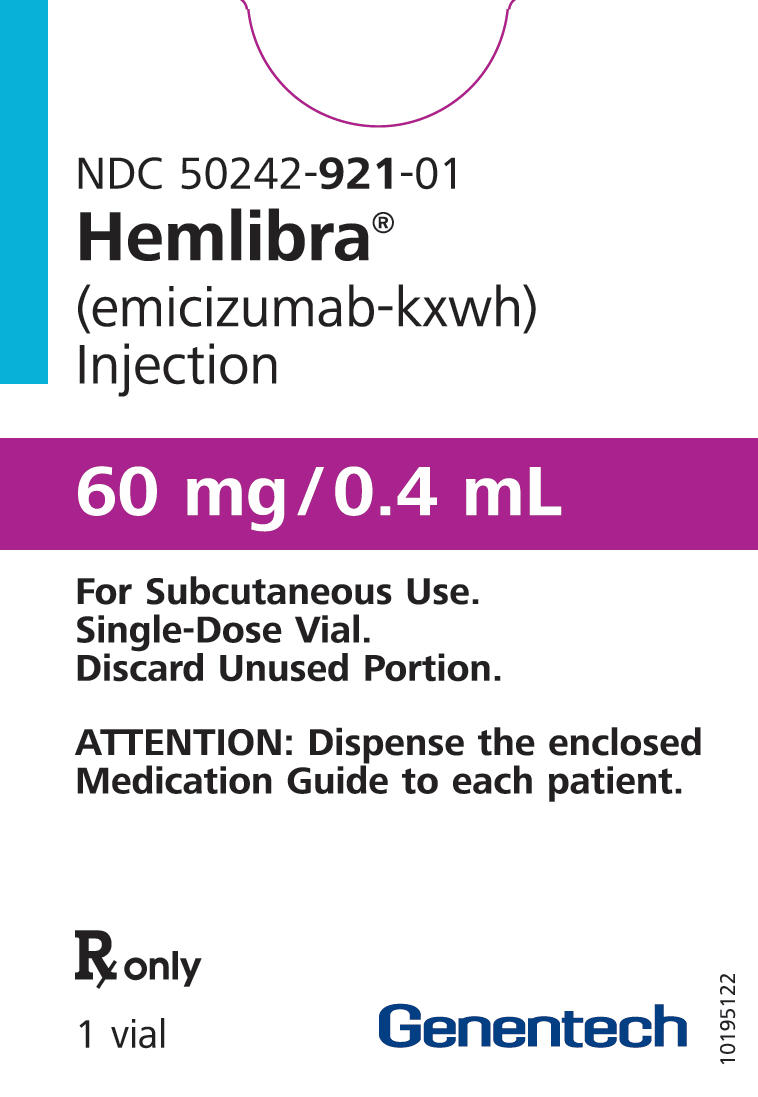
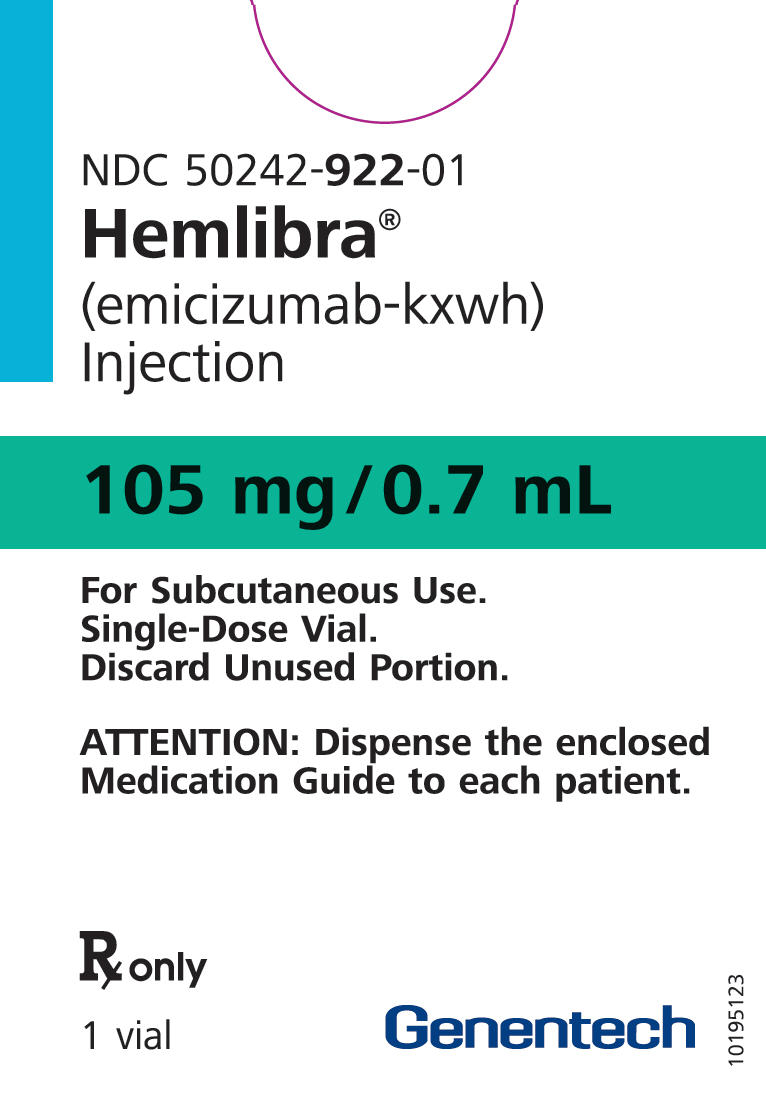
HEMLIBRA (emicizumab-kxwh) injection is available as a sterile, preservative-free, colorless to slightly yellow solution in single-dose vials in the following dosage strengths:
| Strength | Nominal Volume | Concentration | Package Size (per carton) | Cap Color | NDC |
|---|
| 30 mg | 1 mL | 30 mg/mL | 1 vial | Sky Blue | 50242-920-01 |
| 60 mg | 0.4 mL | 150 mg/mL | 1 vial | Purple | 50242-921-01 |
| 105 mg | 0.7 mL | 150 mg/mL | 1 vial | Turquoise | 50242-922-01 |
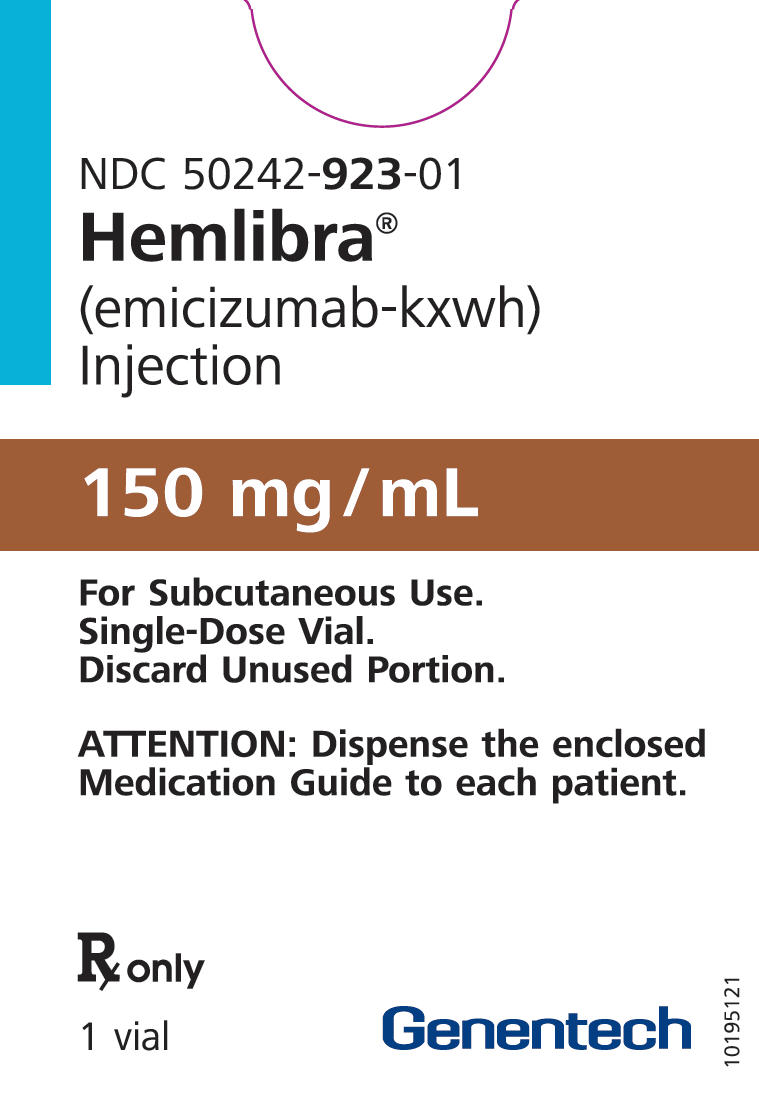
| 150 mg | 1 mL | 150 mg/mL | 1 vial | Brown | 50242-923-01 |
Use of Bypassing Agents
Inform the patient and/or caregiver that HEMLIBRA increases coagulation potential. Advise the patient and/or caregiver to discontinue prophylactic use of bypassing agents the day before starting HEMLIBRA prophylaxis. Discuss the use of bypassing agents with the patient and/or caregiver prior to starting HEMLIBRA prophylaxis [see Adverse Reactions (6.1)].
Thrombotic Microangiopathy Associated with HEMLIBRA and aPCC
Inform the patient and/or caregiver of the potential risk of thrombotic microangiopathy if aPCC is administered while receiving HEMLIBRA prophylaxis. Instruct the patient and/or caregiver to consult their healthcare provider if aPCC is required in cumulative doses exceeding 100 U/kg. Advise the patient and/or caregiver to seek immediate medical attention if any signs or symptoms of thrombotic microangiopathy occur [see Warnings and Precautions (5.1)].
Thromboembolism Associated with HEMLIBRA and aPCC
Inform the patient and/or caregiver of the potential risk of thromboembolism if aPCC is administered while receiving HEMLIBRA prophylaxis. Instruct the patient and/or caregiver to consult their healthcare provider if aPCC is required in cumulative doses exceeding 100 U/kg. Advise the patient and/or caregiver to seek immediate medical attention if any signs or symptoms of thromboembolism occur [see Warnings and Precautions (5.2)].
Laboratory Coagulation Test Interference
Inform the patient and/or caregiver that HEMLIBRA interferes with some laboratory tests that measure blood clotting and may cause a false reading. Advise the patient and/or caregiver that they should notify any healthcare provider about this possibility prior to any blood tests or medical procedures [see Warnings and Precautions (5.3)].
Instruction on Injection Technique
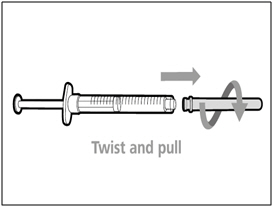
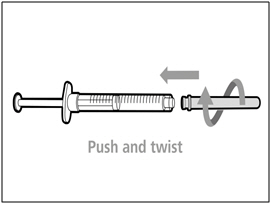
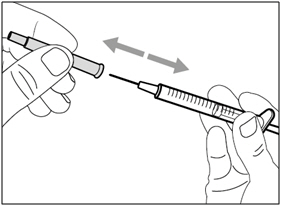
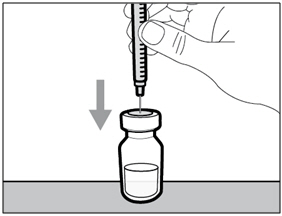
HEMLIBRA is intended for use under the guidance of a healthcare provider. If a patient or caregiver is to administer subcutaneous HEMLIBRA, instruct him/her in injection techniques and assess his/her ability to inject subcutaneously to ensure proper administration of subcutaneous HEMLIBRA and the suitability for home use [see Instructions for Use].
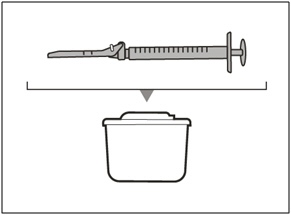
Advise the patient to follow the recommendations in the FDA-approved patient labeling regarding proper sharps disposal.
HEMLIBRA® [emicizumab-kxwh]
Manufactured by:
Genentech, Inc.
A Member of the Roche Group
1 DNA Way
South San Francisco, CA 94080-4990
U.S. License No. 1048
HEMLIBRA® is a registered trademark of
Chugai Pharmaceutical Co., Ltd., Tokyo, Japan
©2017 Genentech, Inc. All rights reserved.