Clarithromycin Tablet, Film Coated
Product Images NDC 50268-178

29 FDA label images from Avpak · Packaging, Regulatory Labels, and Product Appearance

Product Visual Gallery

This gallery contains 29 technical images submitted to the FDA as part of the official labeling for Clarithromycin (NDC 50268-178). Unlike standard consumer photos, these assets often include clinical data figures, molecular chemical structures, and official manufacturer packaging layouts.

As provided by Avpak, these visuals offer a comprehensive scientific overview of the product's physical and chemical identity, aiding pharmacists and researchers in product verification and study.

FDA Label Image

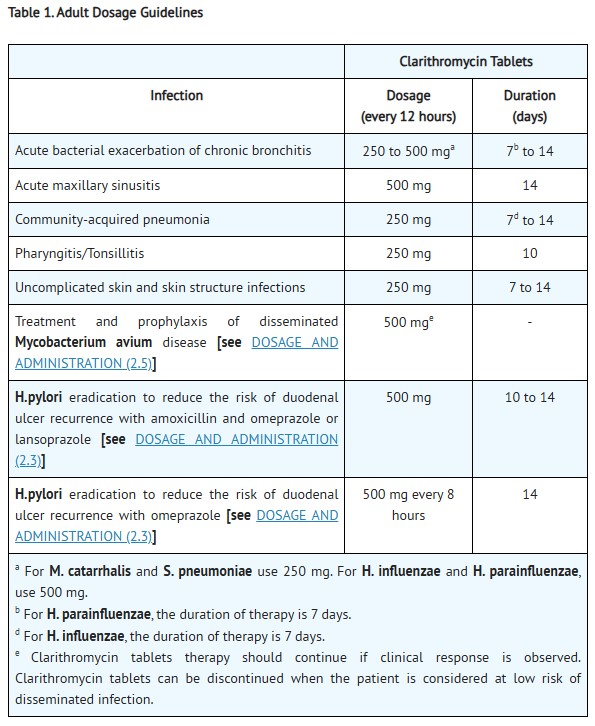
1 (Table 1)

1 (Table 1)
A table titled 'Adult Dosage Guidelines' for Clarithromycin tablets listing infections, dosage amounts (ranging from 250 mg to 500 mg, sometimes every 8 to 12 hours), and treatment durations (7 to 14 days) for various conditions including bacterial bronchitis, sinusitis, pneumonia, pharyngitis, skin infections, Mycobacterium avium disease, and H. pylori eradication.*
FDA Label Image

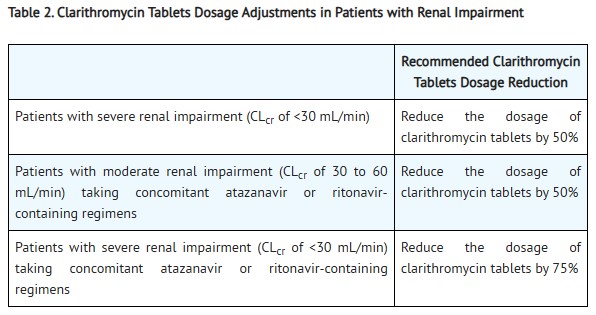
1 (Table 2)

1 (Table 2)
A data table titled 'Clarithromycin Tablets Dosage Adjustments in Patients with Renal Impairment.' It outlines recommended dosage reductions for clarithromycin tablets for patients with severe or moderate renal impairment, including those taking concomitant atazanavir or ritonavir-containing regimens.*
FDA Label Image

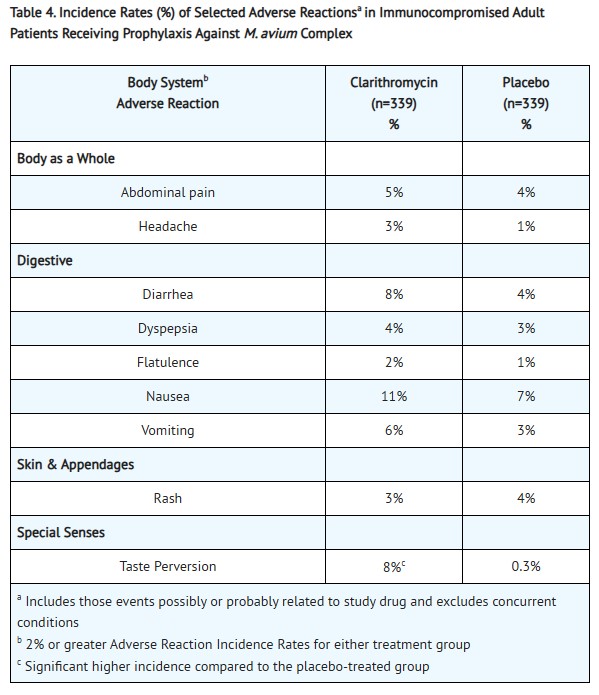
1 (Table 4)

1 (Table 4)
A table presenting incidence rates (%) of selected adverse reactions in immunocompromised adult patients receiving prophylaxis against M. avium complex. It compares adverse reactions by body system between Clarithromycin (n=339) and Placebo (n=339), showing percentages for symptoms such as abdominal pain, headache, diarrhea, dyspepsia, flatulence, nausea, vomiting, rash, and taste perversion.*
FDA Label Image

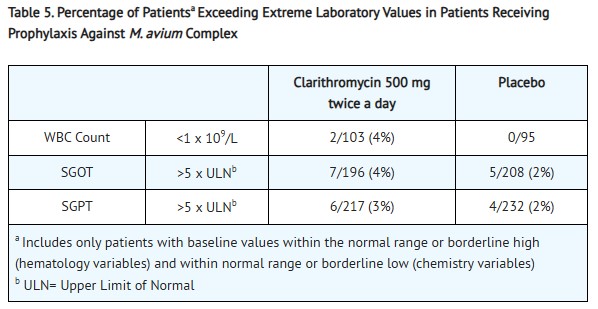
1 (Table 5)

1 (Table 5)
Data table showing the percentage of patients exceeding extreme laboratory values while receiving Clarithromycin 500 mg twice daily versus placebo for prophylaxis against M. avium complex. It includes values for WBC count (<1 x 10^9/L), SGOT (>5 x ULN), and SGPT (>5 x ULN), along with patient counts and percentages for each group.*
FDA Label Image

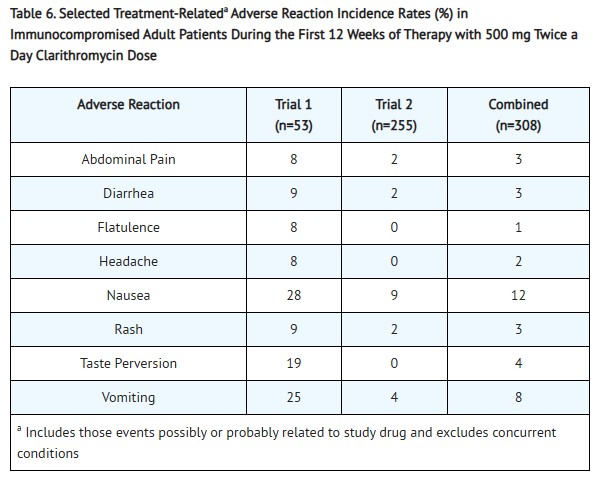
1 (Table 6)

1 (Table 6)
A data table presenting selected treatment-related adverse reaction incidence rates in immunocompromised adult patients during the first 12 weeks of therapy with 500 mg twice daily Clarithromycin. It compares percentages of adverse reactions such as abdominal pain, diarrhea, flatulence, headache, nausea, rash, taste perversion, and vomiting reported in two trials and combined results.*
FDA Label Image

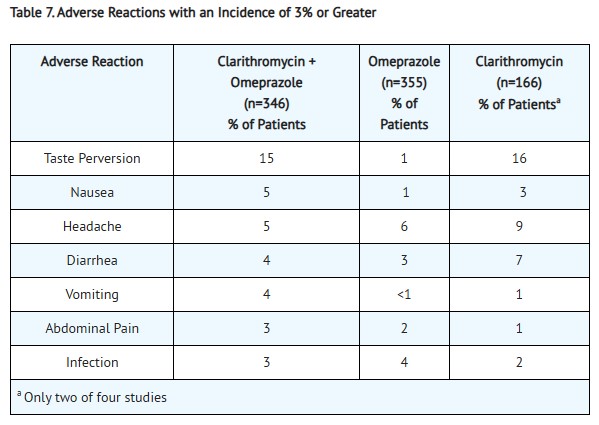
1 (Table 7)

1 (Table 7)
A data table titled 'Adverse Reactions with an Incidence of 3% or Greater' showing percentages of patients experiencing various adverse reactions. The table compares Clarithromycin + Omeprazole (346 patients), Omeprazole alone (355 patients), and Clarithromycin alone (166 patients) with reactions including taste perversion, nausea, headache, diarrhea, vomiting, abdominal pain, and infection.*
FDA Label Image

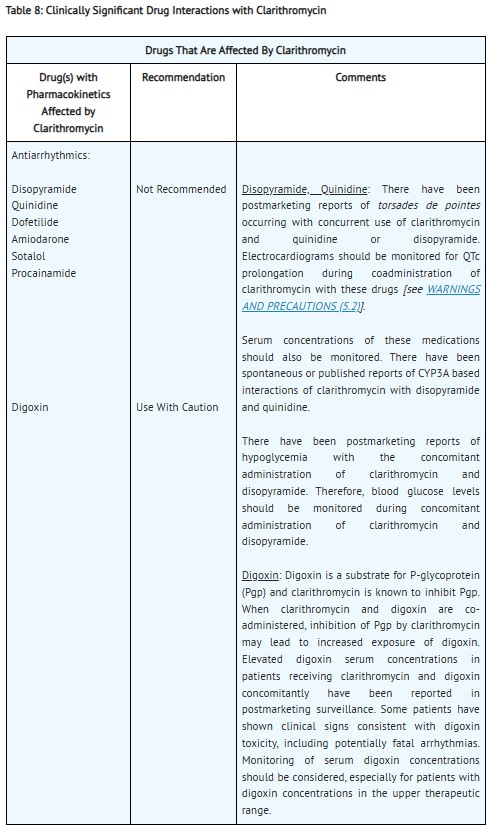
1 (Table 8a)

1 (Table 8a)
A data table titled "Clinically Significant Drug Interactions with Clarithromycin" listing antiarrhythmics affected by clarithromycin with recommendations and comments. Drugs include Disopyramide, Quinidine, Dofetilide, Amiodarone, Sotalol, Procainamide (not recommended) and Digoxin (use with caution). The table details the risks of concurrent use, monitoring advisories, and pharmacokinetic interactions.*
FDA Label Image

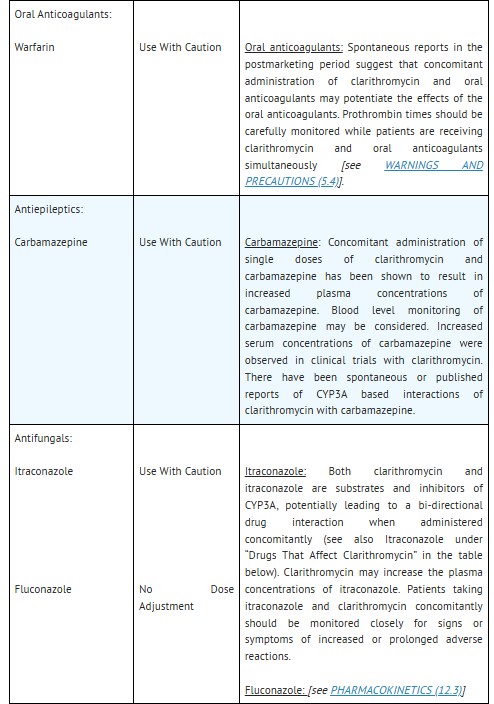
1 (Table 8b)

1 (Table 8b)
Drug interaction information for Clarithromycin tablets (250 mg and 500 mg) from AvPAK, detailing precautions for use with oral anticoagulants (Warfarin), antiepileptics (Carbamazepine), and antifungals (Itraconazole and Fluconazole). The panel explains potential interactions, monitoring recommendations, and dosage adjustment guidance.*
FDA Label Image

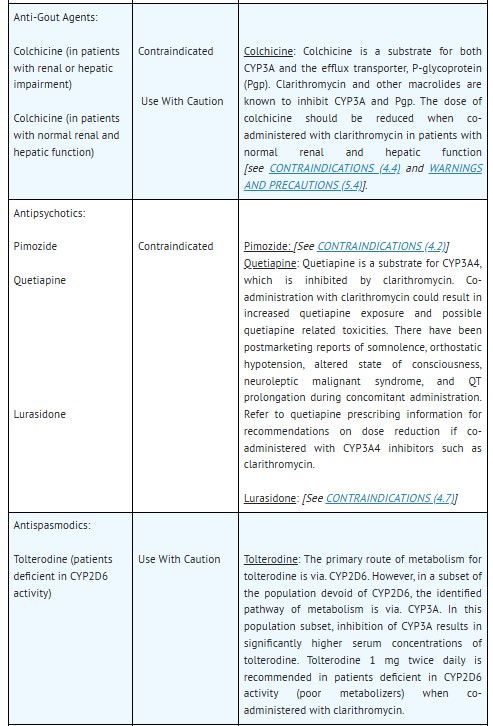
1 (Table 8c)

1 (Table 8c)
This text panel provides drug interaction information for Clarithromycin tablets, focusing on anti-gout agents, antipsychotics, and antispasmodics. It details contraindications and use-with-caution advice for drugs like colchicine, pimozide, quetiapine, lurasidone, and tolterodine, including mechanisms involving CYP enzymes and potential toxicities.*
FDA Label Image

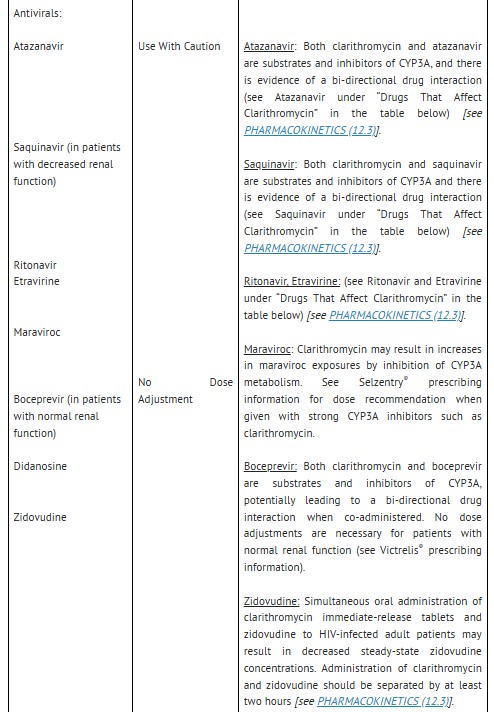
1 (Table 8d)

1 (Table 8d)
A text panel listing antiviral drugs and their interactions or dosing adjustments when taken with clarithromycin. It includes detailed information on drugs such as Atazanavir, Saquinavir, Ritonavir, Maraviroc, Boceprevir, and Zidovudine, highlighting dose considerations and clinical pharmacokinetic interactions.*
FDA Label Image

1 (Table 8e)

1 (Table 8e)
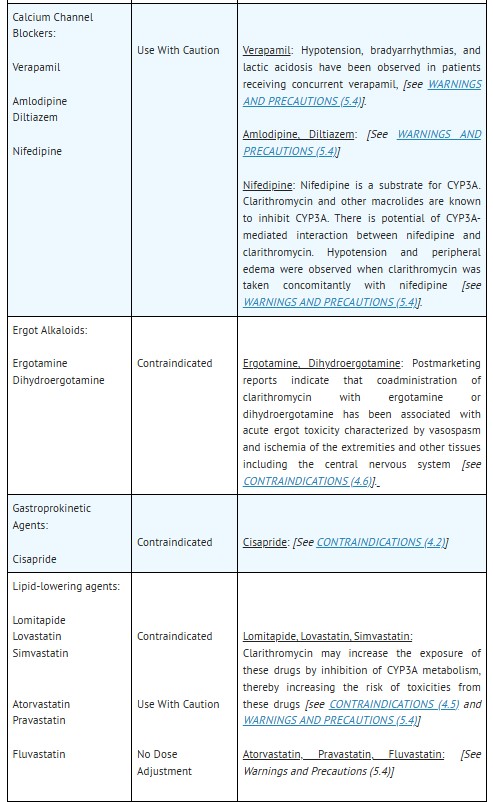
This text panel details drug interaction warnings and precautions for Clarithromycin, including its effects when used with calcium channel blockers, ergot alkaloids, gastroprokinetic agents, and lipid-lowering agents. It specifies usage cautions, contraindications, and potential risks related to CYP3A metabolism inhibition and associated adverse events.*
FDA Label Image

1 (Table 8f)

1 (Table 8f)
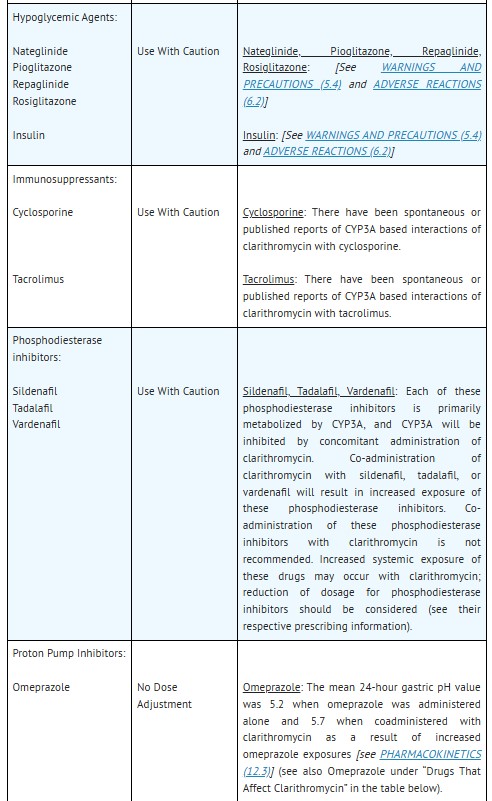
A portion of a drug interaction warning table from the Clarithromycin prescribing information. It details cautions and effects related to concomitant use of Clarithromycin with hypoglycemic agents, immunosuppressants, phosphodiesterase inhibitors, and proton pump inhibitors. Specific drugs mentioned include Nateglinide, Pioglitazone, Cyclosporine, Sildenafil, and Omeprazole, with references to warnings, adverse reactions, and pharmacokinetics sections for further information.*
FDA Label Image

1 (Table 8g)

1 (Table 8g)
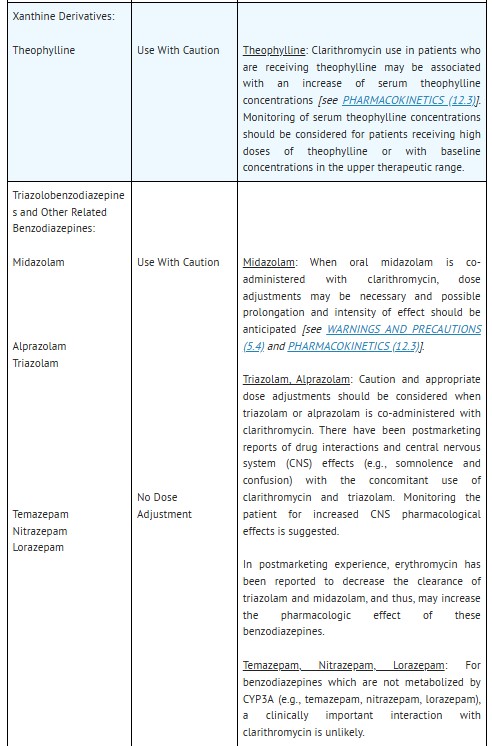
A text panel detailing drug interaction information for clarithromycin with xanthine derivatives and various benzodiazepines, including theophylline, midazolam, triazolam, alprazolam, temazepam, nitrazepam, and lorazepam. The panel includes cautionary notes about dose adjustments and monitoring requirements during co-administration.*
FDA Label Image

1 (Table 8h)

1 (Table 8h)
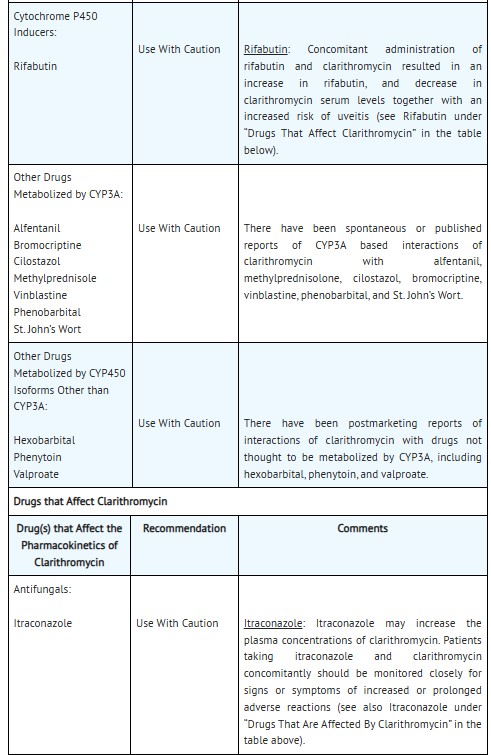
This image shows a text panel detailing drug interaction cautions for clarithromycin. It includes warnings for cytochrome P450 inducers, other drugs metabolized by CYP3A or other CYP450 isoforms, and drugs affecting clarithromycin pharmacokinetics, specifically noting rifabutin, antifungals like itraconazole, and others. The text advises caution and monitoring for interactions.*
FDA Label Image

1 (Table 8i)

1 (Table 8i)
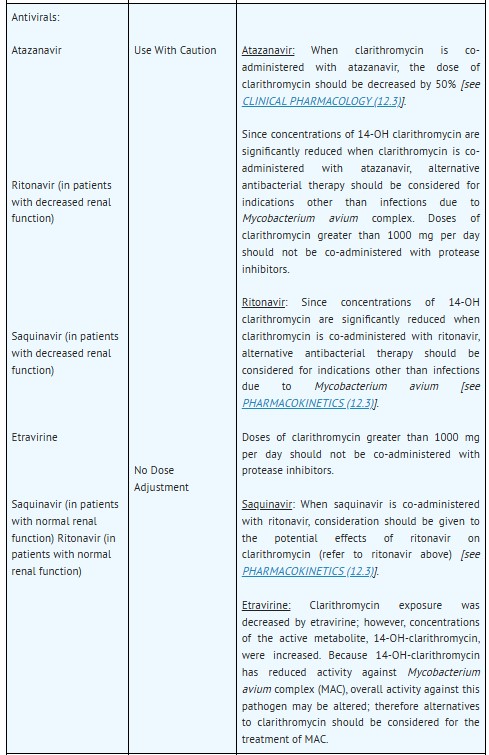
A text panel detailing drug interaction cautions and dose adjustment recommendations for clarithromycin with various antivirals including atazanavir, ritonavir, saquinavir, and etravirine. It discusses effects on clarithromycin exposure and considerations for co-administration, especially in patients with renal function variations.*
FDA Label Image

1 (Table 8j)

1 (Table 8j)
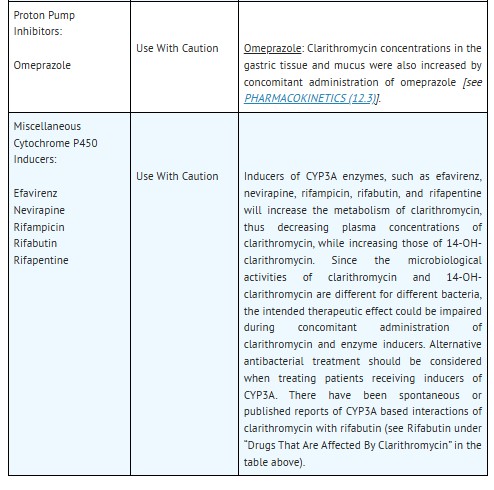
This text panel lists drug interaction cautions for Clarithromycin, specifically regarding its use with Proton Pump Inhibitor omeprazole and cytochrome P450 inducers such as efavirenz, nevirapine, rifampin, rifabutin, and rifapentine. It details how these interactions may affect Clarithromycin concentrations and therapeutic effects.*
FDA Label Image

Chemcial Structure (Clarithromycin Str)

Chemcial Structure (Clarithromycin Str)
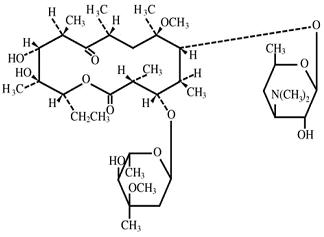
Chemical structure of clarithromycin depicting its molecular arrangement including multiple rings, oxygen atoms, methyl groups, and hydroxyl groups as part of its macrolide antibiotic framework.*
FDA Label Image

Survival All Randomized Patients (Clarithromycin Fig1)

Survival All Randomized Patients (Clarithromycin Fig1)
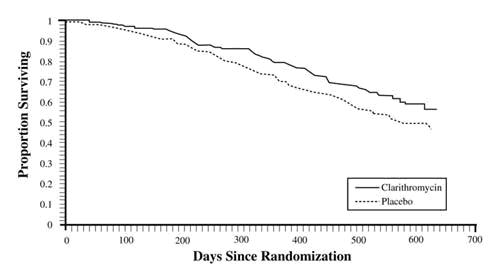
A line graph comparing the proportion of patients surviving over approximately 700 days since randomization between two groups: one receiving Clarithromycin and the other receiving a placebo. The y-axis represents the proportion surviving, while the x-axis shows days since randomization. The Clarithromycin group shows higher survival rates throughout the timeline compared to placebo.*
FDA Label Image

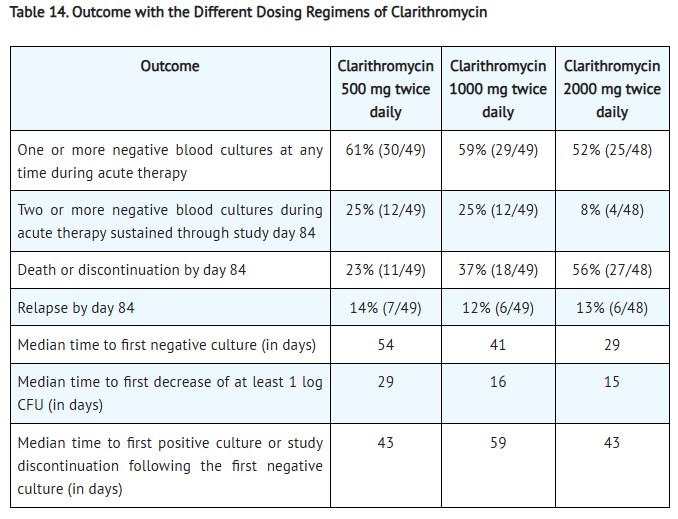
1 (Table 14)

1 (Table 14)
Table presenting outcomes with different dosing regimens of Clarithromycin, comparing 500 mg twice daily, 1000 mg twice daily, and 2000 mg twice daily. It includes data on negative blood cultures, death or discontinuation rates, relapse by day 84, and median times related to culture results and bacterial load changes.*
FDA Label Image

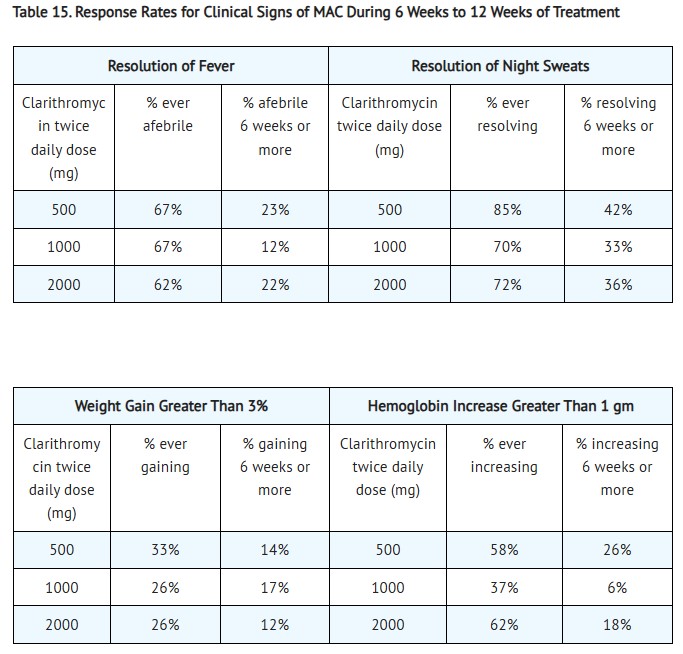
1 (Table 15)

1 (Table 15)
A data table titled 'Response Rates for Clinical Signs of MAC During 6 Weeks to 12 Weeks of Treatment' presenting percentages of clinical responses for clarithromycin given twice daily at doses of 500 mg, 1000 mg, and 2000 mg. The table covers four outcomes: resolution of fever, resolution of night sweats, weight gain greater than 3%, and hemoglobin increase greater than 1 gm, with corresponding percentages for each dose and outcome time points.*
FDA Label Image

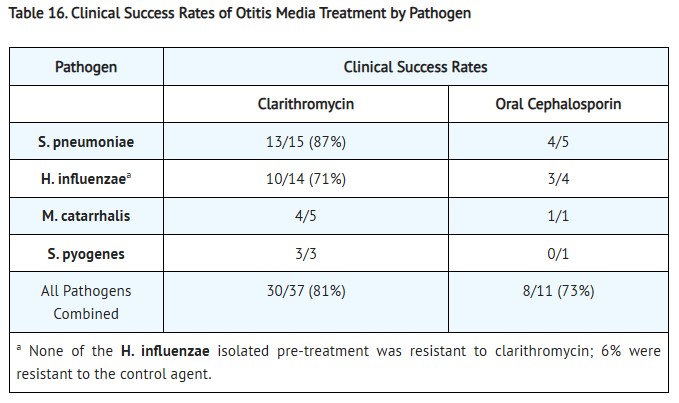
1 (Table 16)

1 (Table 16)
A table titled 'Clinical Success Rates of Otitis Media Treatment by Pathogen' comparing Clarithromycin and Oral Cephalosporin. The table lists pathogens S. pneumoniae, H. influenzae, M. catarrhalis, and S. pyogenes with corresponding clinical success rates, showing percentages and fractions treated successfully with each antibiotic. Clarithromycin shows higher or comparable success rates across pathogens compared to Oral Cephalosporin.*
FDA Label Image

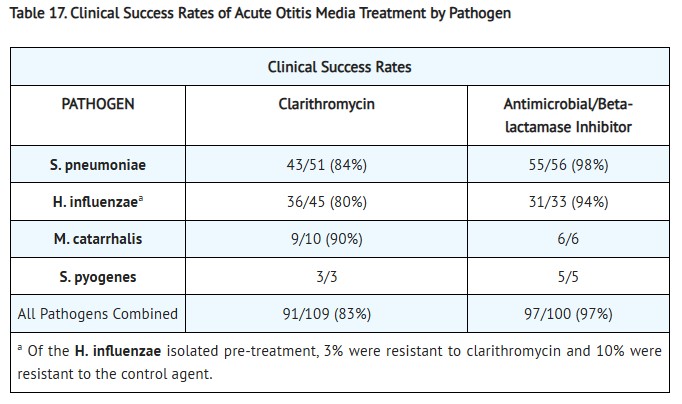
1 (Table 17)

1 (Table 17)
A data table titled "Clinical Success Rates of Acute Otitis Media Treatment by Pathogen" comparing clinical success rates between Clarithromycin and Antimicrobial/Beta-lactamase Inhibitor treatments. It lists specific pathogens including S. pneumoniae, H. influenzae, M. catarrhalis, and S. pyogenes, showing success rates as fractions and percentages for each treatment, along with combined overall success rates. A footnote notes resistance details for H. influenzae pre-treatment isolates.*
FDA Label Image

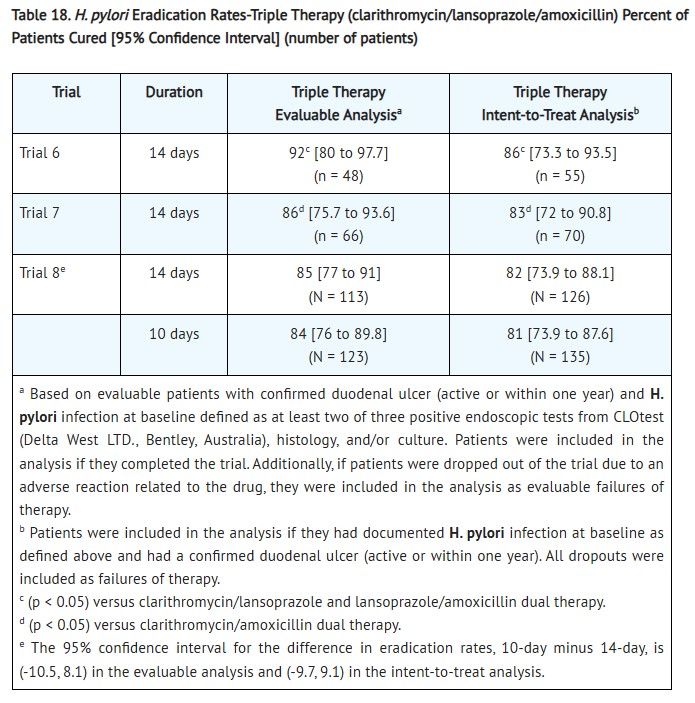
1 (Table 18)

1 (Table 18)
A data table titled 'H. pylori Eradication Rates-Triple Therapy (clarithromycin/lansoprazole/amoxicillin) Percent of Patients Cured' showing results from three trials with durations of 14 and 10 days. Columns include trial number, therapy duration, percent cured with 95% confidence intervals and patient counts in evaluable and intent-to-treat analyses. Footnotes explain criteria for patient inclusion and statistical significance.*
FDA Label Image

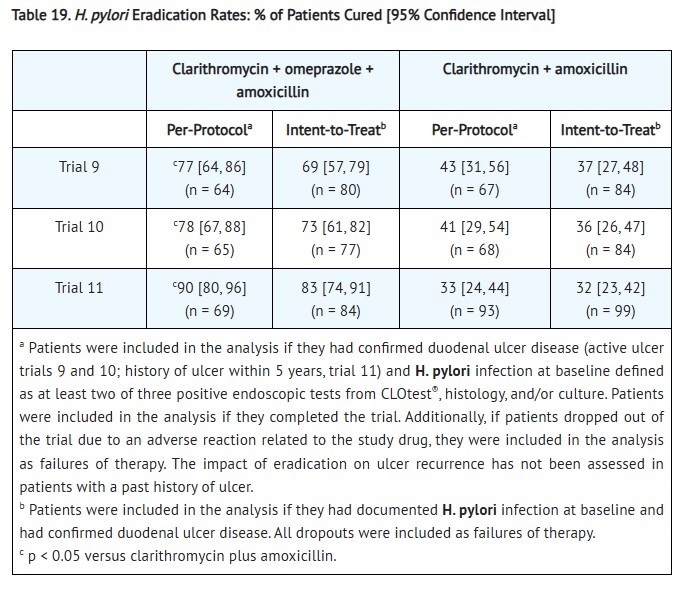
1 (Table 19)

1 (Table 19)
A data table titled 'H. pylori Eradication Rates: % of Patients Cured [95% Confidence Interval]' showing clinical trial results comparing eradication rates for 'Clarithromycin + omeprazole + amoxicillin' and 'Clarithromycin + amoxicillin.' Results are given as percentages with confidence intervals and sample sizes for Trials 9, 10, and 11 under Per-Protocol and Intent-to-Treat analyses. Footnotes explain patient inclusion criteria and statistical significance.*
FDA Label Image

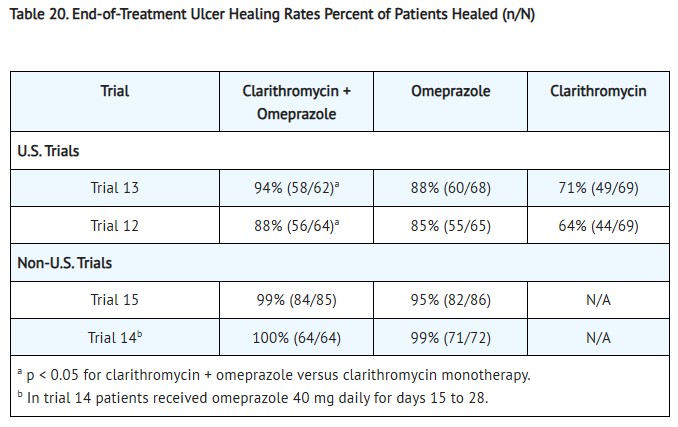
1 (Table 20)

1 (Table 20)
Table presenting end-of-treatment ulcer healing rates as the percent of patients healed in U.S. and non-U.S. clinical trials. It compares healing rates among treatment groups: Clarithromycin plus Omeprazole, Omeprazole alone, and Clarithromycin alone, with data given as percentages and patient numbers healed out of total.*
FDA Label Image

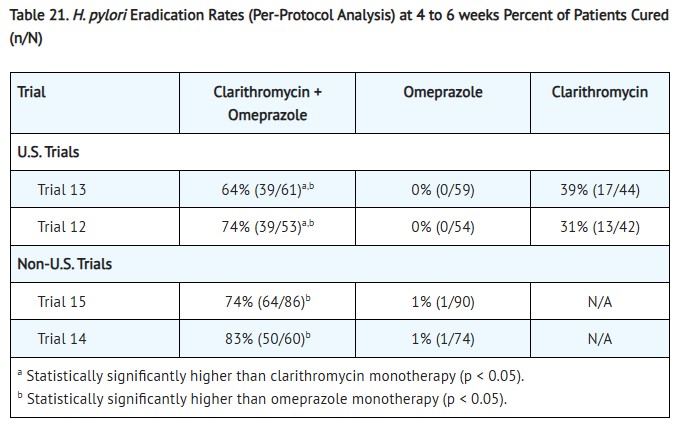
1 (Table 21)

1 (Table 21)
A data table titled 'H. pylori Eradication Rates (Per-Protocol Analysis) at 4 to 6 weeks Percent of Patients Cured (n/N).' It presents results from U.S. and Non-U.S. clinical trials comparing eradication rates for three groups: Clarithromycin plus Omeprazole, Omeprazole alone, and Clarithromycin alone. Percentages and patient counts are listed for each trial, with statistical notes indicating significant differences between combination therapy and monotherapies.*
FDA Label Image

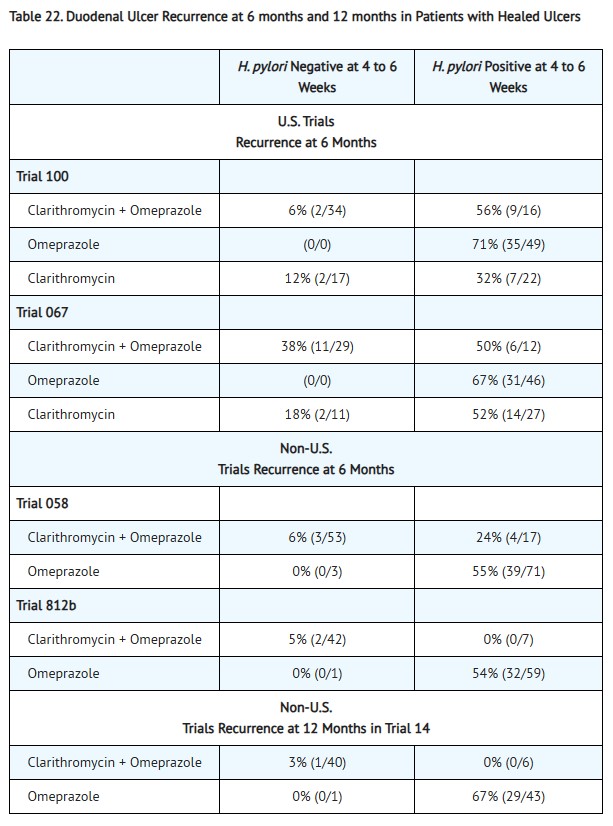
1 (Table 22)

1 (Table 22)
A data table titled 'Table 22. Duodenal Ulcer Recurrence at 6 months and 12 months in Patients with Healed Ulcers' presenting results from U.S. and Non-U.S. clinical trials. It summarizes duodenal ulcer recurrence rates at 6 and 12 months in patients who were Helicobacter pylori negative or positive at 4 to 6 weeks, comparing treatments with Clarithromycin plus Omeprazole, Omeprazole alone, and Clarithromycin alone.*
FDA Label Image

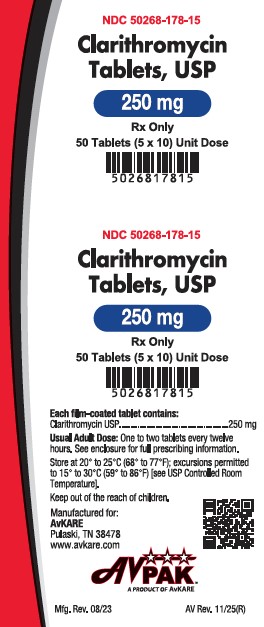
1 (178 15)

1 (178 15)
Packaging label for Clarithromycin Tablets, USP 250 mg, film-coated oral tablets by AvPAK. The label indicates prescription use only and a count of 50 tablets (5 blister packs of 10 tablets each). It includes dosage storage instructions, a barcode, and manufacturing details from AvKARE in Pulaski, TN.*
FDA Label Image

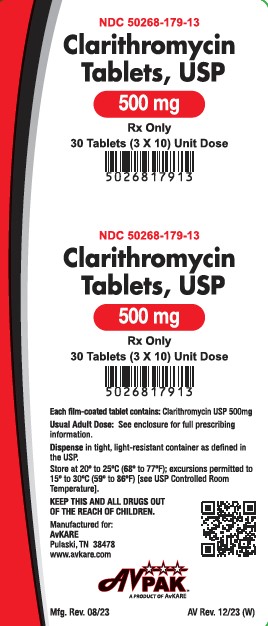
1 (179 13)

1 (179 13)
Clarithromycin Tablets, USP 500 mg film-coated tablets, packaged as 30 tablets (3 x 10 units) by AvPAK. The label includes storage instructions, usage warnings, and displays the NDC 50268-179-13 barcode. It is marked Rx Only for oral administration.*

* About these descriptions: Image descriptions on this page are generated by automated AI analysis of the product label images from the manufacturer's FDA label submission (SPL). They are provided for reference only and may contain errors or omissions. Always rely on the printed label itself and the official FDA labeling, and consult a pharmacist or healthcare professional with any questions about this product.